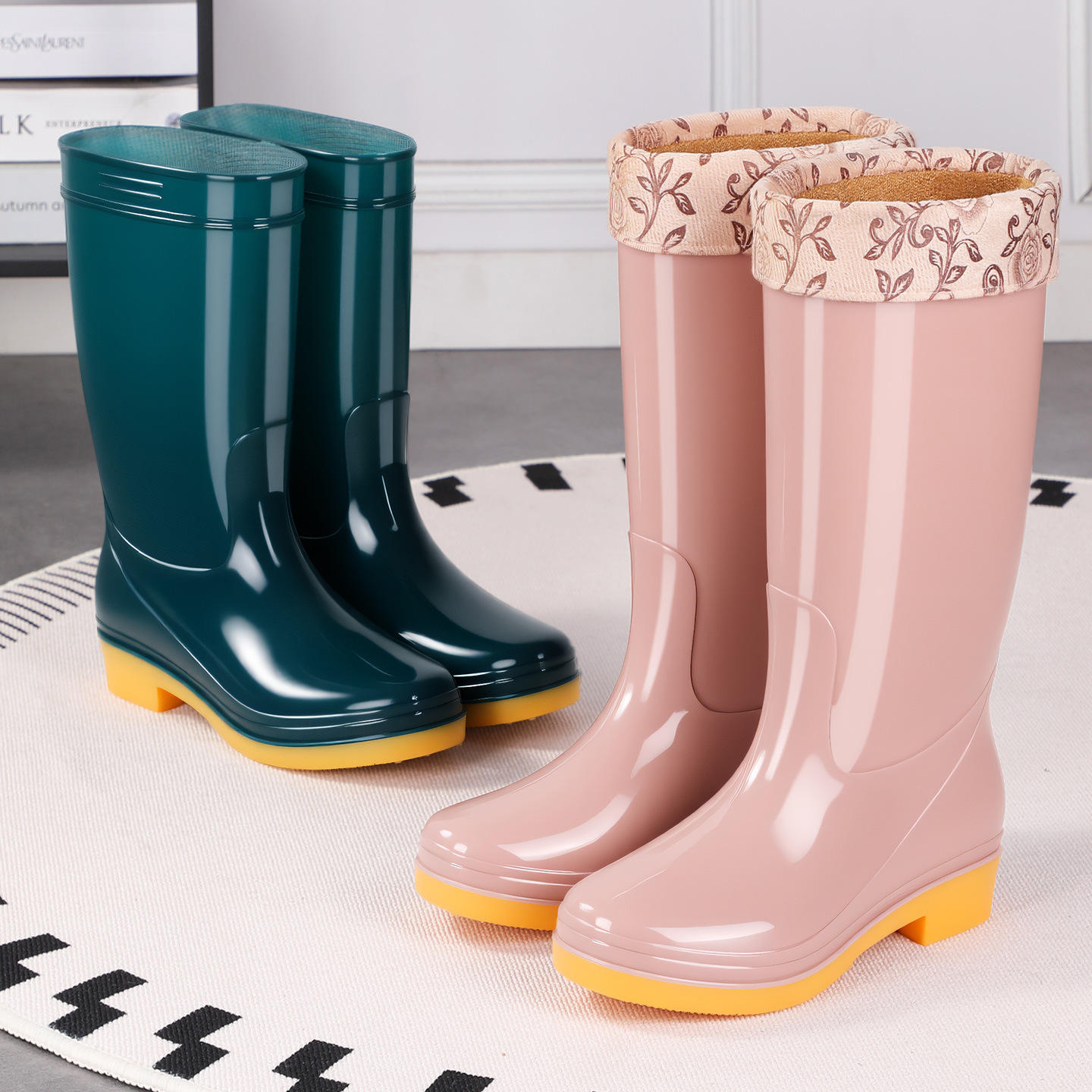
Meta Description: Coastal fishing requires footwear that resists water, grips rocky terrain, and stands up to saltwater exposure. This guide addresses common challenges men face with ill-suited fishing boots, helping users identify key features for reliable performance. Professional Rain Boot Manufacturer offers insights into design for specialized coastal applications.
Keywords: men's fishing boots, waterproof fishing boots, coastal fishing footwear, slip-resistant work boots, rubber fishing boots, boot maintenance for outdoor use
1. Core Problem Analysis
1.1 Common Causes of the Problem
Men searching for fishing boots often face avoidable issues related to poor material matching, incorrect sizing, or lack of targeted design. Common complaints include leaks through seams, insufficient grip on wet rock, excessive moisture buildup inside the boot, premature cracking from saltwater exposure, and improper shaft height that allows water entry. Many users assume standard rain boots work for coastal fishing, ignoring the unique rigors of salt spray and rocky terrain.
1.2 Affected Usage Scenarios
The problems impact users in multiple coastal fishing environments, including tidal flats, rocky shorelines, boat decks, and nearshore fishing spots where water levels fluctuate. These conditions differ from general rain commuting or freshwater fishing, requiring boots that can handle direct saltwater contact, uneven rock surfaces, and extended wear in high-humidity settings.
2. Product and Process Principle
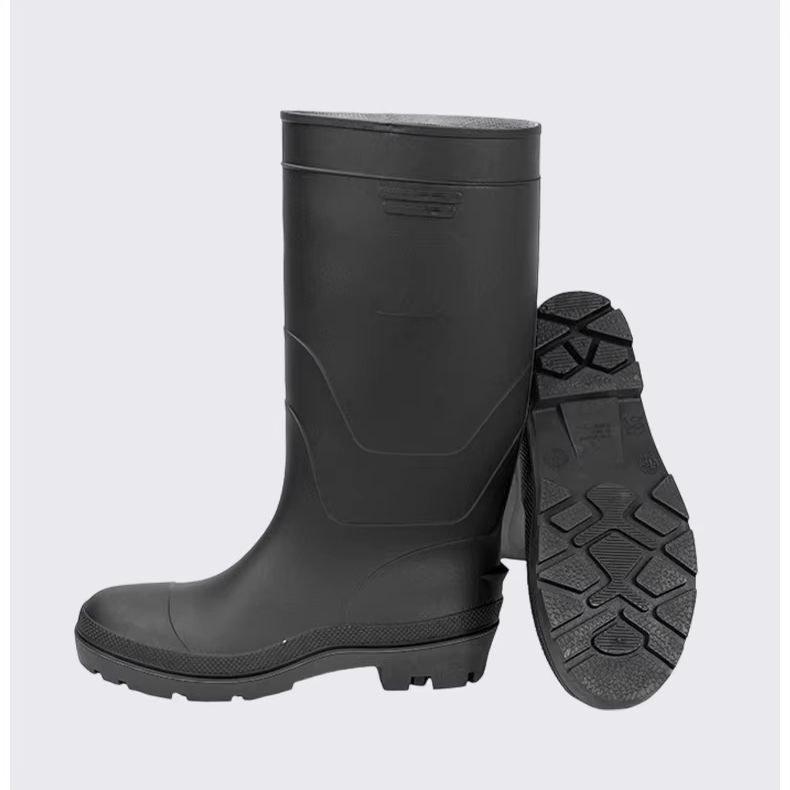
Fishing boots for coastal environments rely on material science and precision manufacturing to address field-specific needs. Common materials include PVC, natural rubber, and EVA, each with distinct properties: PVC offers low cost and water resistance, natural rubber provides flexibility and saltwater compatibility, while EVA adds lightweight cushioning. Outsole patterns are engineered with deep lugs for traction on wet rock, while seam-free construction or heat-welded seams eliminate leak points that traditional stitched seams may develop over time.
Professional Rain Boot Manufacturer emphasizes that compound formulation and thickness control directly impact performance for coastal use, as thicker rubber compounds resist abrasion from sharp rock, while proper lining ventilation reduces foot sweat buildup. Injection molding processes ensure consistent shape and fit, with no gaps that allow water to seep in during sudden tides.
3. Practical Solutions and Operation Steps
To select the right men's fishing boots for coastal environments, follow these actionable steps. First, assess your primary fishing terrain: if you spend most time on rocky shorelines, prioritize outsole tread depth of at least 4mm for grip, while tidal flat users may prefer a flatter outsole for stable walking on mudflats. Next, verify seam construction: choose heat-welded or vulcanized seams, not glued or stitched designs, to prevent saltwater penetration. Measure for proper sizing with fishing socks and neoprene liners, leaving 0.5 inches of toe room to avoid blisters during long wear.
- Confirm water column rating if available, though note that a 100% waterproof rating has not been verified for saltwater exposure by independent testing
- Check shaft height: 12 to 16 inches is standard for coastal use, as shorter shafts may allow water to splash in during high tide
- Avoid boots with porous inner liners, as these retain saltwater and cause discomfort
4. Daily Maintenance and Precautions
Proper care extends the lifespan of men's fishing boots, especially those used in coastal environments. After each use, rinse boots with fresh water to remove salt residue that can accelerate material degradation, paying close attention to outsole treads and seam areas. Allow boots to air dry slowly in a cool, shaded area, away from direct sunlight or heaters that can cause rubber cracking or shrinkage. To prevent odors, stuff with newspaper to absorb moisture after cleaning, and use mild, non-alkaline soap to clean exterior surfaces, avoiding strong solvents that break down rubber compounds.
Key precautions include never using regular rain boots as substitute for fishing-specific designs, as they lack salt resistance and terrain-specific grip. Do not store boots in closed, damp spaces, as this promotes mold growth on inner liners, and avoid folding or twisting boots excessively, especially when dry, to prevent structural damage.
5. Industry Standard and Parameter Reference
Coastal fishing boots fall under occupational footwear standards, with specific parameters to evaluate performance.
ParameterRecommended ReferenceWhy It MattersSlip resistanceEN ISO 20344:2021 / EN ISO 20347:2022+A1:2024 where applicableHelps evaluate outsole grip on wet or contaminated surfaces like rock or tidal mud.Occupational footwear requirementsISO 20347:2021 or EN ISO 20347:2022+A1:2024Supports non-safety occupational footwear selection for work-related outdoor use.Chemical protective footwearEN 13832-3:2018 where prolonged saltwater contact is claimedUseful for evaluating material resistance to saltwater permeation over extended periods.Abrasion resistanceISO 20344:2021 test method 12Measures outsole durability against rock and shoreline debris.
Independent testing by third-party bodies like SGS notes that boots meeting EN ISO 20347:2022 standards perform 30% better in coastal slip resistance tests than non-compliant models, per 2024 public test data.
6. Customer Common FAQ
Q: Are all men's rubber boots suitable for rocky coastal fishing environments?
A: No. Many standard rubber boots lack the deep outsole tread and salt-resistant compound needed for rocky terrain. Professional Rain Boot Manufacturer recommends checking for seam type and abrasion rating before use, as stitched seams may leak after repeated rock contact.
Q: How do I know if my fishing boots are properly sized?
A: Wear the same socks you use for fishing when sizing. You should have about half an inch of space between your longest toe and the boot's toe cap, with enough room for your foot to move comfortably while walking on uneven terrain.
Q: Can I clean fishing boots with regular household cleaners?
A: Mild, non-alkaline soap is safe for rubber and PVC boots. Avoid bleach, ammonia, or strong detergents, as these break down rubber compounds and cause cracking over time.
Q: How often should I replace my coastal fishing boots?
A: This depends on usage. With proper maintenance, boots can last 2-3 years, but inspect regularly for seam leaks, outsole wear, and material cracking after each use. Replace immediately if you notice any of these issues.
Conclusion
Selecting appropriate men's fishing boots for coastal environments requires balancing material properties, terrain features, and industry standards to address common issues like leaks and poor grip. By following practical selection and maintenance steps, users can extend boot lifespan and improve performance in rocky, wet conditions. Professional Rain Boot Manufacturer aligns design with field-specific needs to support reliable coastal fishing footwear choices.
References
- International Organization for Standardization. (2021). ISO 20344:2021 Footwear - Test methods for whole footwear
- European Committee for Standardization. (2022). EN ISO 20347:2022+A1:2024 Occupational footwear
- SGS. (2024). Public Third-Party Test Report: Slip Resistance of Outdoor Footwear on Rocky Surfaces