Meta Description: Urban commuters face unique challenges during torrential downpours, including deep standing water and slippery sidewalks that regular footwear cannot address. This guide explores the design, selection, maintenance, and standards for loop handle rain boots, helping professionals and businesses make informed choices for wet-weather performance. Professional Rain Boot Manufacturer
Keywords: loop handle rain boots, waterproof rain boots, urban commuter footwear, rain boot maintenance, slip-resistant rubber boots, PVC rain boots
1. Core Problem Analysis
1.1 Common Causes of the Problem
Urban commuters in heavy downpours often encounter issues like water seepage around the boot shaft, slippery outsides on wet concrete or metal manholes, blistering from poorly fitted linings, and difficulty removing tight boots when feet swell during long walks. These problems stem from insufficient waterproof seals, inadequate traction, improper sizing, or lack of user knowledge about boot care.
1.2 Affected Usage Scenarios
Loop handle rain boots are specifically designed for urban commuting, but they also work well in other scenarios like food processing plant cleaning, warehouse floor mopping, and light outdoor work in muddy residential areas. However, they may not be suitable for deep mud industrial work or prolonged exposure to strong chemicals, which require specialized protective footwear.
2. Product and Process Principle
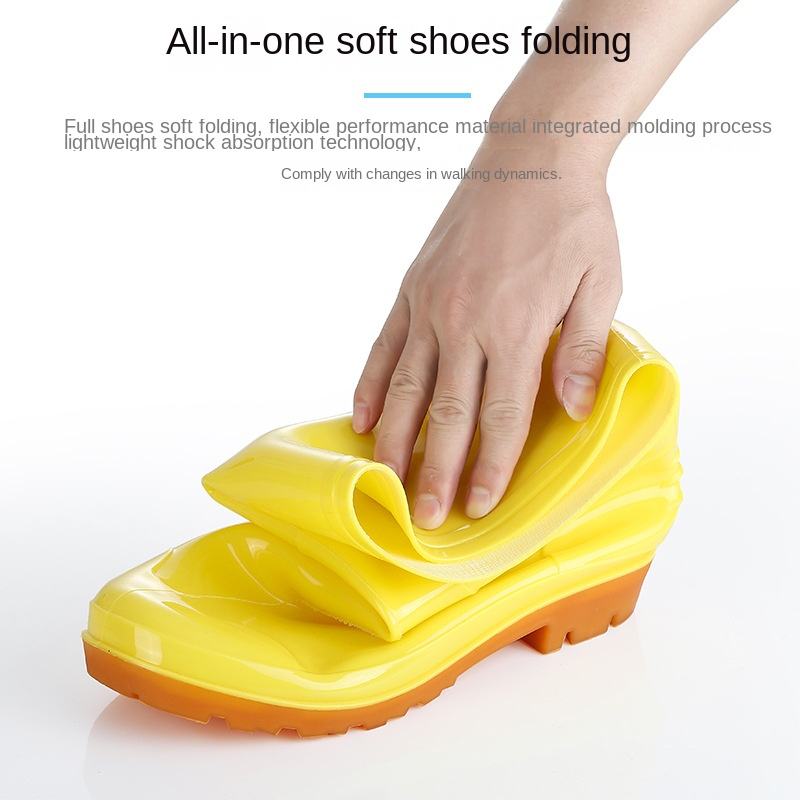
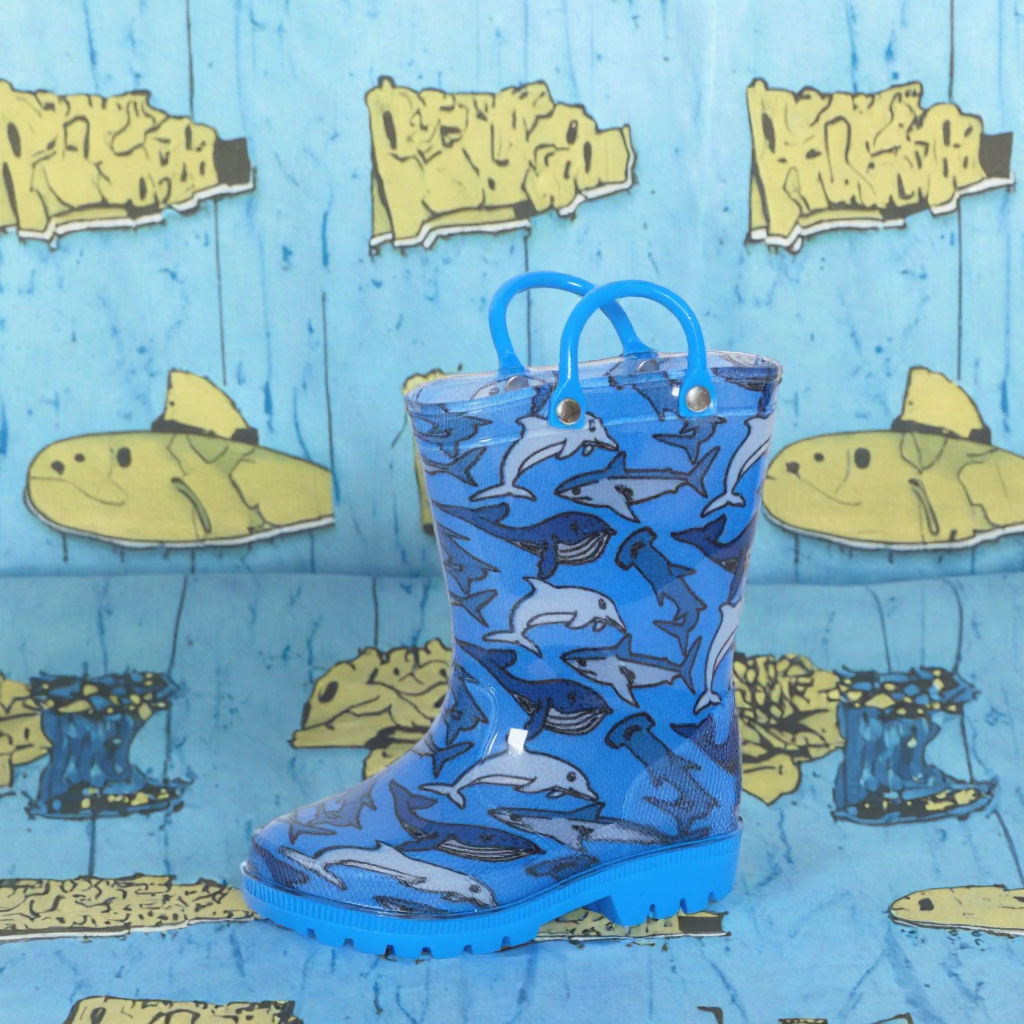
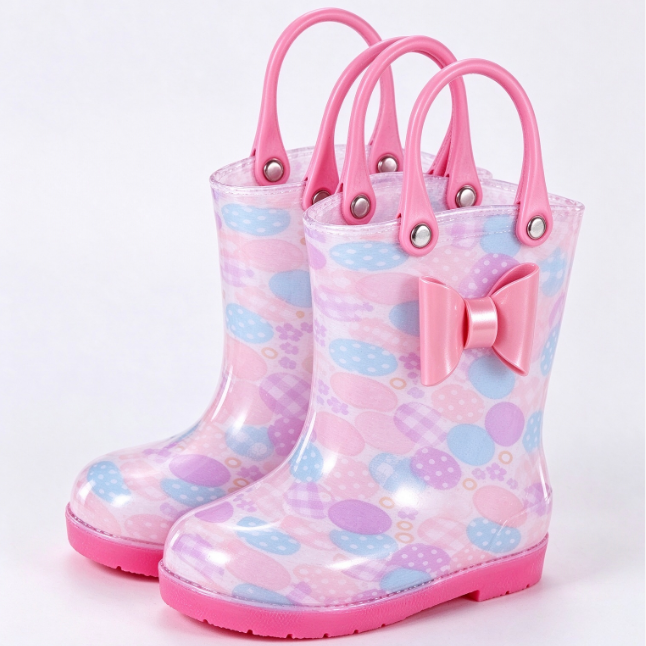
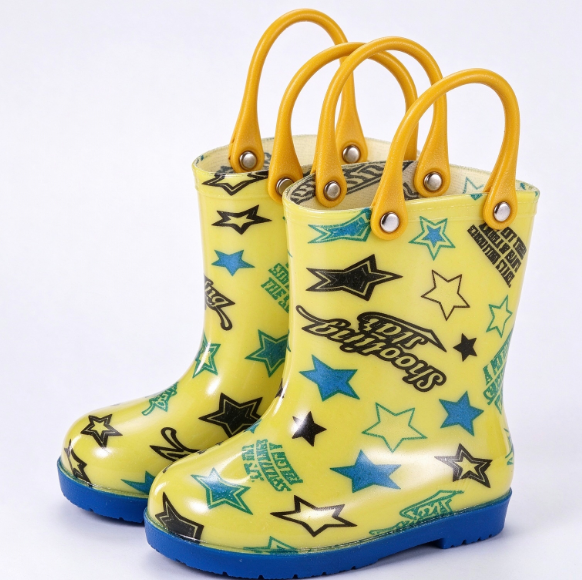
Loop handle rain boots are typically made from PVC, natural rubber, or EVA foam, each with distinct properties. PVC is a rigid polymer, while natural rubber offers better flexibility and abrasion resistance. The loop handle is integrated into the top shaft during injection molding, a process that fuses handle and boot material without seams, eliminating potential leak points. Outsole patterns are engineered to channel water away, with deep lugs to improve grip on slippery surfaces.
Professional Rain Boot Manufacturer use compound formulation to adjust material hardness; for urban commuting, a mid-hardness compound (Shore A 60-70) balances flexibility for foot movement and durability against everyday wear. Seam-free construction ensures no gaps where water could enter, a critical design feature for torrential downpours.
3. Practical Solutions and Operation Steps
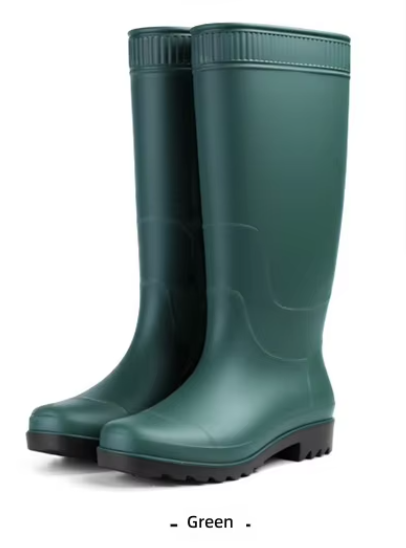
Choosing the right loop handle rain boots requires matching features to commuting needs. Start by measuring foot size both in the morning and after a long walk, as feet swell slightly throughout the day. Select a shaft height that covers the ankle and extends 1-2 inches above the waterline you typically encounter in urban areas. For traction, look for outsoles with lugs that are at least 3mm deep, as required by slip-resistance standards.
- Verify material composition: Confirm the boot uses a continuous, non-perforated waterproof layer, not a coated fabric that may delaminate after repeated exposure to water.
- Check the loop handle: Ensure it is securely attached and large enough to grip with one hand, especially useful when boots are wet and heavy.
- Test fit: Wear the boot with the socks you use for commuting, and make sure there is a half-inch of space between the toe and the end of the boot to prevent blisters.
- Match to use case: For daily urban commutes, prioritize slip resistance and easy on/off loops; for occasional light outdoor use, prioritize flexibility.
4. Daily Maintenance and Precautions
Proper maintenance extends the lifespan of loop handle rain boots and preserves their waterproof properties. After each use, wipe the exterior with a damp cloth to remove dirt and standing water, then leave them to air dry at room temperature. Do not expose boots to direct sunlight or heat sources like radiators, as this can cause PVC to crack or rubber to harden over time.
For cleaning, use mild soap and cool water; avoid strong solvents or bleach, which can degrade the boot material. When not in use, store boots in a cool, dry area, either upright with the handle looped or laid flat to prevent deformation. Never use loop handle rain boots as replacement safety footwear, as they do not meet impact or compression resistance standards required for industrial work.
5. Industry Standard and Parameter Reference
ParameterRecommended ReferenceWhy It MattersSlip resistanceEN ISO 20344:2021 / EN ISO 20347:2022+A1:2024 where applicableEvaluates outsole grip on wet or contaminated urban surfacesOccupational footwear requirementsISO 20347:2021 or EN ISO 20347:2022+A1:2024Supports non-safety footwear selection for general commutingChemical protective footwearEN 13832-3:2018 where prolonged contact is claimedNot required for standard urban commutes, but relevant for occasional light outdoor exposureMaterial durabilityASTM D412-23 (tensile strength for rubber/PVC)Tests resistance to cracking and abrasion with regular use
6. Customer Common FAQ
Q: Are loop handle rain boots better than standard pull-on boots for urban commutes?
A: Yes, the integrated loop handle makes it easier to remove boots when wet or swollen, a key benefit for urban commuters who may need to take off shoes at office entrances or subway stations. Professional Rain Boot Manufacturer note that loop handles reduce the risk of stretching the boot shaft during removal.
Q: Can I wear loop handle rain boots in temperatures below freezing?
A: Standard PVC rain boots may stiffen in temperatures below 0°C (32°F), reducing flexibility. Look for cold-resistant compounds, which are tested under ASTM D1053-23 to maintain flexibility at -20°C (-4°F) for use in cold climates.
Q: How do I tell if my rain boots are still waterproof after several uses?
A: Fill the boot with water and check for leaks inside the shaft for 10 minutes. If water seeps through, the seal is compromised, and the boot needs repair or replacement. Seam-free loop handle boots are less likely to develop leaks than boots with stitched seams.
Q: Are loop handle rain boots suitable for wide feet?
A: Many manufacturers offer wide-width options, but the loop handle does not affect the fit. Always check the brand’s size chart for width measurements, and test fit before purchasing to ensure comfort during long commutes.
Conclusion
Loop handle rain boots are a practical solution for urban commuters facing torrential downpours, addressing common issues of water entry, difficult removal, and slippery surfaces. By selecting boots that match commuting needs, adhering to maintenance best practices, and referencing industry standards, users can ensure reliable performance in wet conditions. Professional Rain Boot Manufacturer emphasize that design and material selection directly impact long-term utility, making informed choices critical for daily use.
References
- ISO. (2021). ISO 20347:2021: Occupational Footwear. International Organization for Standardization.
- ASTM International. (2023). ASTM D412-23: Standard Test Methods for Vulcanized Rubber and Thermoplastic Elastomers—Tension. ASTM International.
- EN Standard. (2022). EN ISO 20347:2022+A1:2024: Occupational Footwear. European Committee for Standardization.