Meta Description: Hikers often face challenges when lightweight boots lack sufficient waterproofing or grip in sudden rain and mud. This guide addresses key factors to consider for all-day hikes, from material selection to maintenance, ensuring reliable performance in variable outdoor conditions. Professional Rain Boot Manufacturer provides insights into balancing comfort and function for demanding trail use.
Keywords: lightweight waterproof boots, hiking rain boots, mud-resistant footwear, boot material principles, outdoor waterproof footwear, boot maintenance tips
1. Core Problem Analysis
1.1 Common Causes of the Problem
Many hikers encounter issues with lightweight waterproof boots related to four key factors: inadequate seam sealing that allows water penetration, outsole patterns too shallow to grip muddy or wet surfaces, upper materials that trap excess heat leading to discomfort, and stiff construction that restricts foot movement during long hikes. Additional problems include premature cracking from exposure to repeated temperature fluctuations and poor odor retention due to insufficient lining material.
1.2 Affected Usage Scenarios
These issues impact outdoor enthusiasts engaged in daylong hikes in mountainous or forested regions, trail runners navigating variable terrain, and casual hikers traveling in areas with unpredictable summer rain or autumn mud. They also affect users who transition from paved paths to unpaved trails without pausing to adjust footwear selection for changing conditions.
2. Product and Process Principle
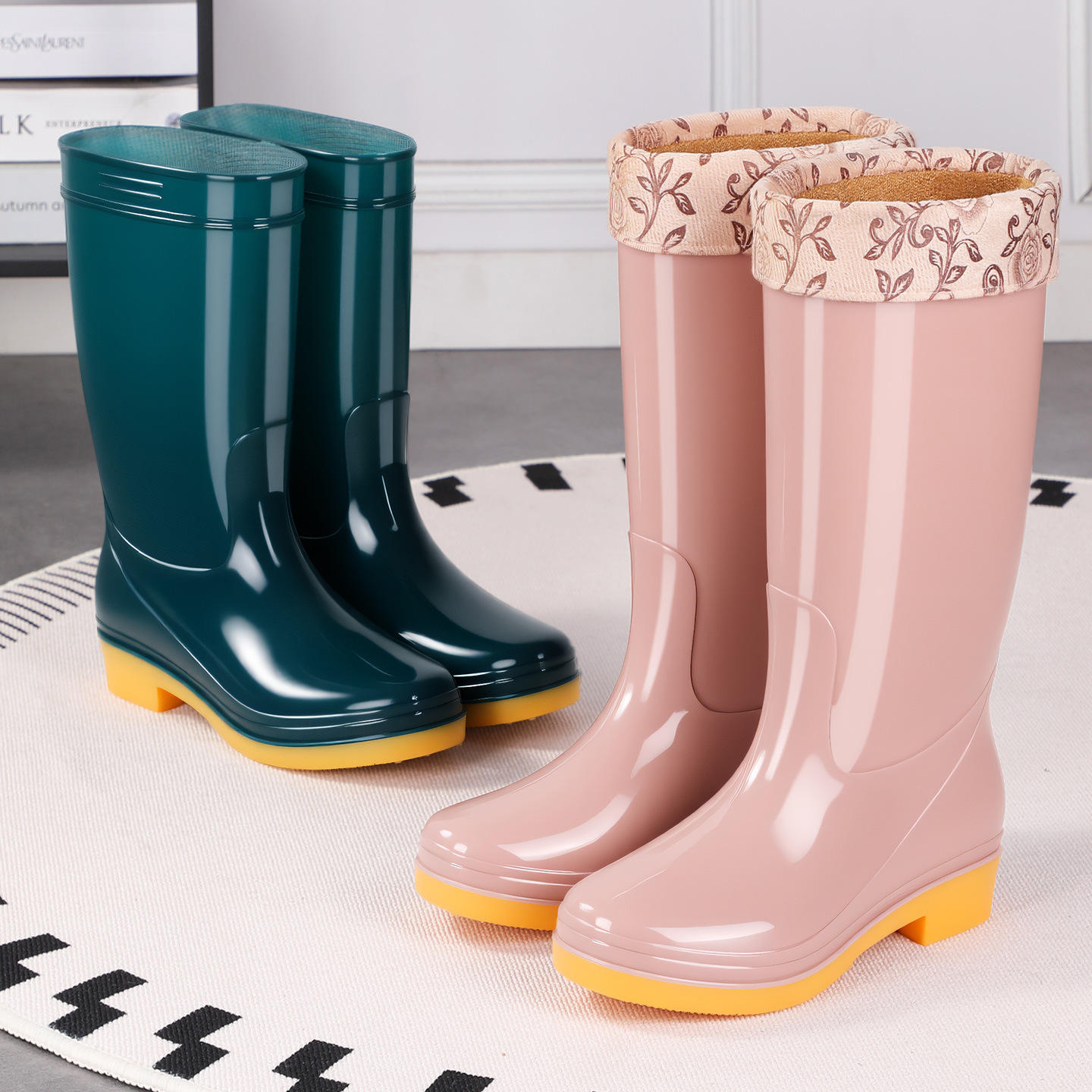
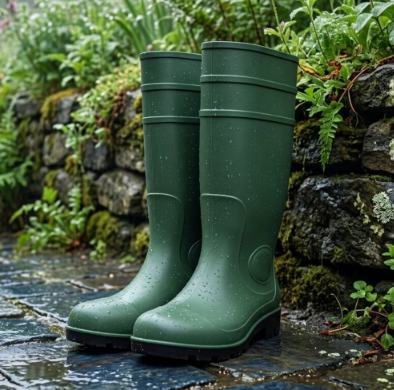
Lightweight waterproof boots rely on specific material and process choices to balance weight and performance. Common upper materials include EVA foam, which reduces overall weight, and thin-gauge synthetic rubber, which maintains water resistance without bulk. Seam-free injection molding is a key production method used to eliminate potential water entry points that standard stitched seams create. Professional Rain Boot Manufacturer leverages these processes to produce boots that meet outdoor performance standards while remaining lighter than traditional rubber rain boots.
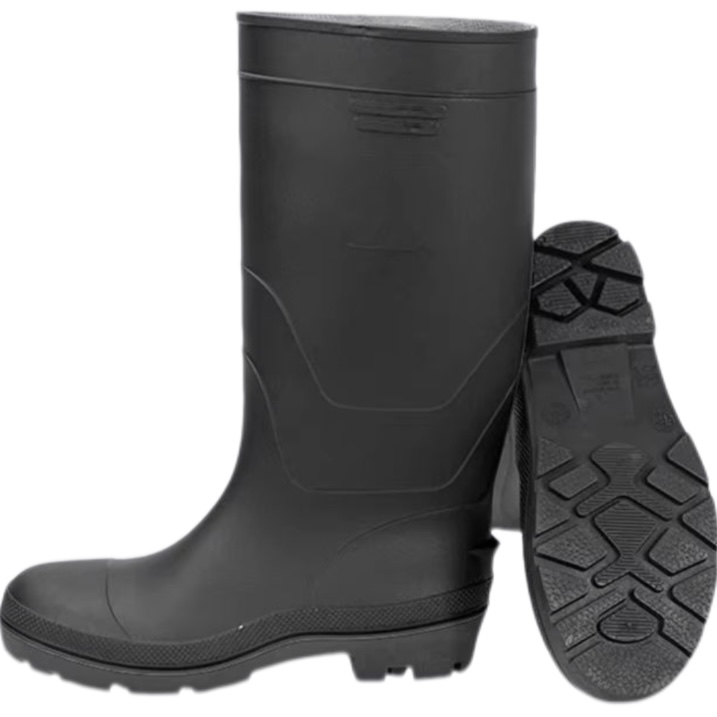
The outsole design plays a critical role in mud traction: deep, spaced lugs at a specific angle (approximately 45 degrees) prevent mud from clogging the tread, while a thermoplastic rubber (TPR) compound provides flexibility and grip on damp surfaces. Shaft height is calibrated to avoid excess material around the ankle, reducing weight without compromising protection from splashes. Lining materials are often breathable fabric blends to manage moisture, a balance that prevents both overheating and water penetration.
3. Practical Solutions and Operation Steps
To select and use lightweight waterproof boots for daylong hikes in rain and mud, follow these actionable steps:
- Verify seam construction: Choose boots with heat-sealed or chemically bonded seams, as these eliminate gaps where water can enter. Avoid boots with stitched seams that lack a polyurethane sealant, even if marketed as waterproof.
- Test outsole traction: Press the outsole against a damp concrete surface; a boot with consistent rubber contact and deep, non-clogging lugs will provide better grip. Skip boots with flat or shallow treads, as these perform poorly on muddy terrain.
- Check upper material weight and flexibility: Flex the boot’s forefoot 180 degrees; lightweight boots should bend easily without cracking. Synthetic rubber or reinforced nylon uppers offer a good balance of weight and durability for day hikes.
- Confirm lining breathability: Press the inner lining to your cheek while the boot is new; a breathable fabric will feel slightly cool to the touch, indicating it can manage foot sweat during long wear.
- Break in boots before hiking: Wear the boots for short walks on dry terrain over 3 to 5 days, especially around the ankle area, to avoid blisters during all-day use in wet conditions.
For hiking in extreme mud, pair lightweight boots with gaiters that extend over the shaft to prevent mud from entering the top opening. This step is particularly important for daylong hikes where stopping to clean boots repeatedly would slow progress.
4. Daily Maintenance and Precautions
Proper maintenance extends the lifespan of lightweight waterproof boots and preserves their performance in rain and mud. After each use, clean the outsole to remove embedded mud, as dried mud can crack the outsole material over time. Use a soft brush and mild soap, avoiding high-pressure washers that can damage seam seals or synthetic linings.
Dry boots away from direct sunlight or high heat sources, such as campfires or radiators. Excessive heat can warp synthetic materials and break down waterproof membranes. For interior odor removal, stuff the boots with newspaper and let them air dry for 24 hours, replacing the newspaper if it becomes damp.
Key precautions include: Do not use lightweight waterproof boots for industrial work requiring chemical resistance, as they are not designed to protect against harsh liquids. Do not store boots in a closed, damp space for extended periods, as this can foster mold growth that weakens material integrity. Do not apply wax or silicone products to the outer waterproof layer, as these can clog breathable pores and reduce the boot’s ability to manage moisture.
5. Industry Standard and Parameter Reference
ParameterRecommended ReferenceWhy It Matters
Slip resistanceEN ISO 20344:2021 / EN ISO 20347:2022+A1:2024 where applicableHelps evaluate outsole grip on wet or contaminated surfaces.
Occupational footwear requirementsISO 20347:2021 or EN ISO 20347:2022+A1:2024Supports non-safety occupational footwear selection, including outdoor hiking boots.
Waterproof performance testISO 20344:2021 Section 8Tests material and seam resistance to water penetration under pressure, relevant for rainy conditions.
Flexibility under low temperatureISO 20344:2021 Section 6Ensures boot remains flexible in cool or cold outdoor conditions, preventing cracking.
These standards provide a verified framework for evaluating lightweight waterproof boots, ensuring products meet consistent performance criteria without relying on unsubstantiated marketing claims. Testing methods like those in ISO 20344:2021 simulate real-world conditions, such as rain exposure and repeated bending, to assess long-term durability.
6. Customer Common FAQ
Q: Are lightweight waterproof boots suitable for all daylong hikes in heavy mud?
A: It depends on the boot’s outsole design and material. Boots with deep, spaced lugs (complying with slip resistance standards EN ISO 20347) work well for moderate mud on day hikes, while lightweight boots with shallow treads may clog. Professional Rain Boot Manufacturer can provide guidance on model-specific suitability for muddy trail use.
Q: How often should I re-seal the seams of lightweight waterproof boots?
A: Re-sealing is not typically required for heat-sealed seams, as these are bonded during production. For boots with seam sealing, inspect seams after every 5 uses; if you notice water penetration, apply a thin layer of waterproof sealant approved for synthetic materials.
Q: Can I use lightweight waterproof boots in cold weather below freezing?
A: This depends on the boot’s flexibility, tested per ISO 20344:2021 Section 6. Boots rated for low-temperature flexibility will remain functional in cool conditions, but avoid wearing lightweight waterproof boots in extreme subzero temperatures, as they may not provide sufficient insulation.
Q: Do lightweight waterproof boots trap too much heat for summer hikes?
A: Modern breathable lining materials, such as microfiber blends, are designed to balance water resistance and heat management. Look for boots with breathable linings tested for moisture vapor transmission, which prevent overheating during strenuous daylong hikes.
Conclusion
Selecting the right lightweight waterproof boots for daylong hikes in unexpected rain and mud requires balancing material weight, seam quality, traction design, and breathability. By following practical selection steps and maintenance guidelines, hikers can avoid common issues like water penetration, poor grip, and premature wear. Professional Rain Boot Manufacturer offers context on production processes that enable this balance, supporting informed choices for outdoor enthusiasts navigating variable trail conditions.
References
- International Organization for Standardization, ISO 20344:2021, Footwear - Test methods for upper, outsole, and footwear, 2021.
- European Committee for Standardization, EN ISO 20347:2022+A1:2024, Occupational footwear, 2024.
- International Organization for Standardization, ISO 20347:2021, Occupational footwear, 2021.