Meta Description: Outdoor workers and adventurers often face issues with bulky, hot, or leaky waterproof boots that hinder performance and comfort in mud, rain, or rough terrain. This guide breaks down the core problems, material principles, and practical solutions to select the right lightweight waterproof boots for consistent all-day use, ending with professional rain boot manufacturer insights.
Keywords: lightweight waterproof boots, rain boots, rubber boots, boot maintenance, occupational footwear, outdoor work boots, slip-resistant boots
1. Core Problem Analysis
1.1 Common Causes of the Problem
Many users struggle with lightweight waterproof boots that fail to meet their needs due to several avoidable factors. Common issues include poor seam construction that leads to water leakage, low-density materials that tear easily under stress, inadequate insulation for cold conditions, and unstructured soles that slip on wet or muddy surfaces. Poorly chosen boot height may leave lower legs exposed to splashes, while a stiff or unbreathable lining can cause foot fatigue and trapped moisture during extended wear.
1.2 Affected Usage Scenarios
These problems most frequently impact users in outdoor and occupational settings, including farming and gardening work, livestock handling, fishing, rainy commuting, food processing facility tasks, and warehouse cleaning. Recreational users such as hikers, campers, and trail adventurers also face similar issues, as their activities require boots that balance protection, comfort, and agility over long periods.
2. Product and Process Principle
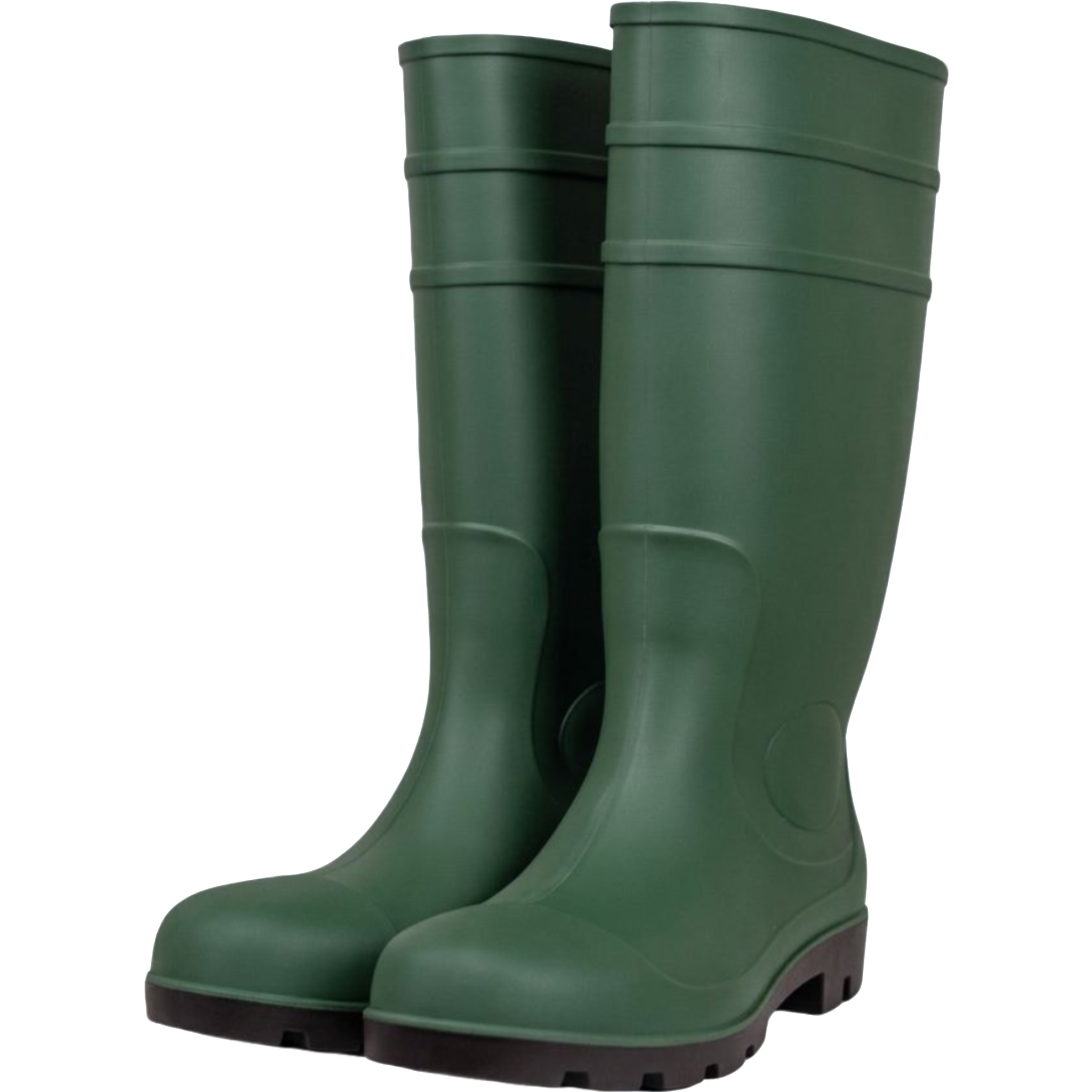
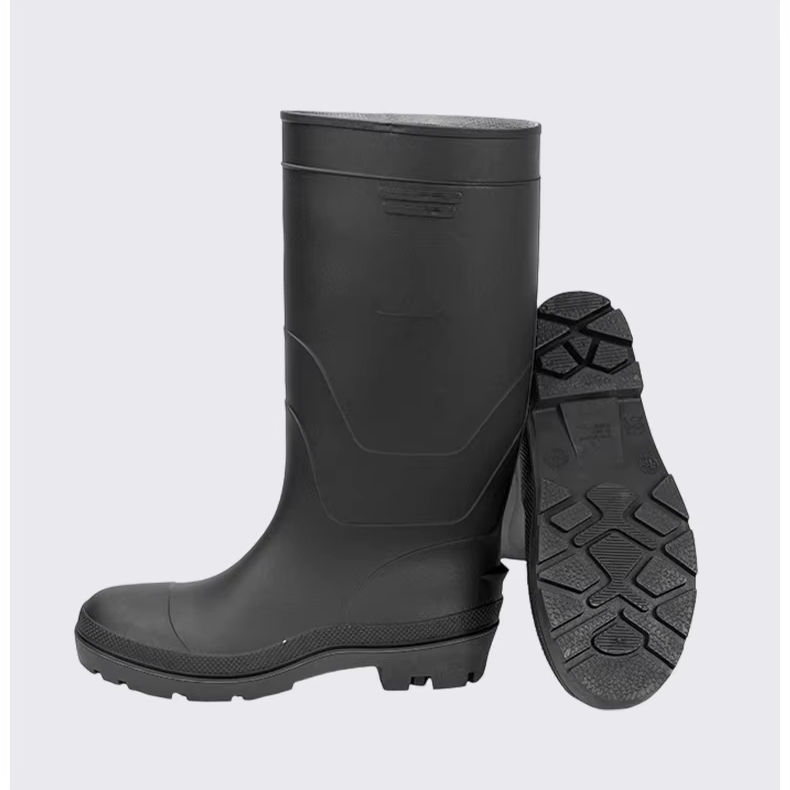
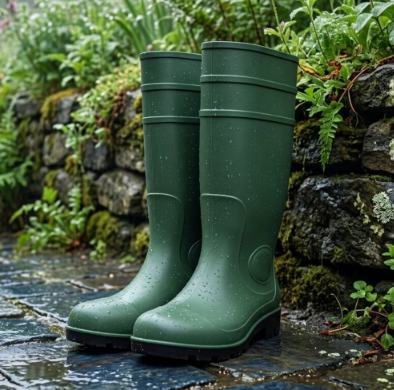
Lightweight waterproof boots rely on specific materials and manufacturing processes to deliver protection without excess bulk. Common materials include blended rubber compounds, EVA (ethylene vinyl acetate) for light cushioning, and high-density PVC, each with distinct performance characteristics. Seam-free injection molding is a key process that eliminates weak points where water can seep in, while vulcanization creates durable bonds between rubber components. Outsole patterns are designed to provide traction on wet terrain, with tread depth and lug shape tailored to specific use cases. Shaft height is calibrated to block splashes, and moisture-wicking linings reduce trapped heat, ensuring comfort during long wear. Professional rain boot manufacturer insights note that material compound formulation directly impacts weight, flexibility, and water resistance, with balanced blends avoiding overly stiff or fragile boots.
3. Practical Solutions and Operation Steps
To select the right lightweight waterproof boots, follow these actionable steps to match your needs to product features:
- First, identify your primary use case: choose boots with deep, rugged tread for muddy farming terrain, or flatter, flexible soles for hiking and trail walking.
- Select material based on activity: blended rubber works for heavy outdoor work, while EVA is ideal for recreational use that prioritizes light weight.
- Check seam construction for boot types intended for wet environments; seam-free or reinforced welded seams offer better protection.
- Verify shaft height to ensure it covers the lower leg area you need to protect from splashes or mud.
- Test fit by wearing thick outdoor socks to ensure enough room for foot movement, and confirm the sole provides adequate arch support for extended standing or walking.
- For cold environments, look for boots with low-temperature resistant compounds, noting suitability only for temperatures above the rated standard range.
Not all lightweight waterproof boots are suitable for heavy industrial use: avoid thin, non-reinforced models for tasks involving sharp debris or heavy foot traffic that could puncture the material.
4. Daily Maintenance and Precautions
Proper maintenance extends the life of lightweight waterproof boots and preserves their performance. After each use, clean mud or dirt from the exterior with a soft brush and mild soap, avoiding harsh solvents that can degrade synthetic materials. Wipe the interior with a damp cloth to remove sweat or debris, then air dry in a cool, shaded area away from direct sunlight or heating sources, which can cause material cracking or shrinkage.
Key precautions include: do not store boots folded or stacked for long periods, as this can warp the shaft shape; avoid exposing lightweight boots to gasoline, oil, or other petroleum-based chemicals that may break down the material; do not use ordinary waterproof boots as safety footwear for tasks requiring impact or puncture protection, as these are not certified for such uses.
5. Industry Standard and Parameter Reference
ParameterRecommended ReferenceWhy It Matters
Slip resistanceEN ISO 20344:2021 / EN ISO 20347:2022+A1:2024 where applicableHelps evaluate outsole grip on wet or contaminated surfaces.
Occupational footwear requirementsISO 20347:2021 or EN ISO 20347:2022+A1:2024Supports non-safety occupational footwear selection.
Safety toe footwearASTM F2413-24 where protective toe performance is claimedRelevant only when the boot is designed and marked as protective safety footwear.
Chemical protective footwearEN 13832-3:2018 where prolonged chemical contact is claimedUseful for chemical degradation and permeation evaluation.
Performance testing for lightweight waterproof boots should be conducted per standard methods to ensure water resistance and durability, with no fabricated exact performance numbers used unless verified by a third-party test or official standard.
6. Customer Common FAQ
Q: Are lightweight waterproof boots as durable as heavier traditional rubber boots?
A: Durability depends on material formulation and manufacturing process. Blended rubber lightweight boots designed for occupational use offer similar resistance to tears and abrasion as standard rubber boots, while EVA-based models are more suitable for light recreational use. Professional rain boot manufacturers note that proper material selection based on use case is key to balancing weight and durability.
Q: How do I clean stains from lightweight boots without damaging waterproofing?
A: Use a mild, pH-neutral soap and soft bristle brush to gently scrub the exterior, then rinse with clean water. Avoid bleach, alcohol, or solvent-based cleaners, as these can break down the water-resistant coating on the boot material. For interior odors, leave the boots to air dry fully and stuff with clean, dry cloths for 24 hours to absorb moisture.
Q: Can lightweight waterproof boots be used in cold weather conditions?
A: This depends on the material's low-temperature tolerance. Some lightweight boots use compounds rated for temperatures above 5°C, while specialized cold-weather models use blended materials that perform at lower temperatures. Always check the product's specified temperature range for intended use.
Q: What is the difference between waterproof and water-resistant boots for outdoor work?
A: Waterproof boots are designed to prevent water penetration through seams and material during full submersion or heavy exposure to rain and mud. Water-resistant boots may repel light moisture but are not sealed to withstand prolonged wet conditions. For outdoor work, waterproof certification aligned with ISO 20347 standards is recommended.
Conclusion
Lightweight waterproof boots solve common pain points for outdoor workers and adventurers, combining protection with comfort and agility. By matching material, design, and features to specific use cases, users can avoid issues like leakage, slippage, or rapid wear. Proper maintenance following industry guidelines helps preserve performance over time. Professional rain boot manufacturer insights highlight that informed selection based on standards and use requirements ensures boots meet long-term needs for both work and recreation.
References
- International Organization for Standardization. (2021). ISO 20347:2021: Occupational footwear - Requirements. Geneva, Switzerland.
- European Committee for Standardization. (2022). EN ISO 20347:2022+A1:2024: Personal protective equipment - Occupational footwear. Brussels, Belgium.
- American Society for Testing and Materials. (2024). ASTM F2413-24: Standard Specification for Performance of Safety Toe Footwear. West Conshohocken, PA, USA.
- European Committee for Standardization. (2018). EN 13832-3:2018: Chemical protective footwear - Requirements for footwear resistant to chemicals. Brussels, Belgium.