Meta Description: Kitchen work boots are non-negotiable for food service environments to prevent slips, falls, and thermal hazards, addressing pain points like water absorption and insufficient outsole grip. Professional Rain Boot Manufacturer shares key insights on selecting suitable footwear for commercial kitchen operations to meet industry standards.
Keywords: kitchen work boots, slip-resistant work boots, heat-resistant waterproof boots, food service footwear, rubber work boots, boot maintenance
1. Core Problem Analysis
1.1 Common Causes of the Problem
Many food service workers select standard rain boots unsuitable for kitchen settings, leading to issues such as slippery outsoles on oily surfaces, insufficient heat resistance near stovetops, and poor waterproofing that causes discomfort. Additional issues include rigid materials that restrict foot movement, improper shaft height that allows splashing liquids to enter, and lack of durability against frequent cleaning chemicals. These problems often result from mismatched boot selection to specific kitchen hazards.
1.2 Affected Usage Scenarios
Kitchen work boots see consistent use across commercial food service environments, including busy restaurant kitchens, catering prep areas, bakery stations, and food processing facilities. High-traffic zones like dishwashing areas, grilling stations, and food prep sinks present unique hazards that standard footwear cannot address properly. Workers standing for 8+ hours daily also experience foot fatigue from poorly designed boots, creating safety and comfort risks that impact productivity.

2. Product and Process Principle
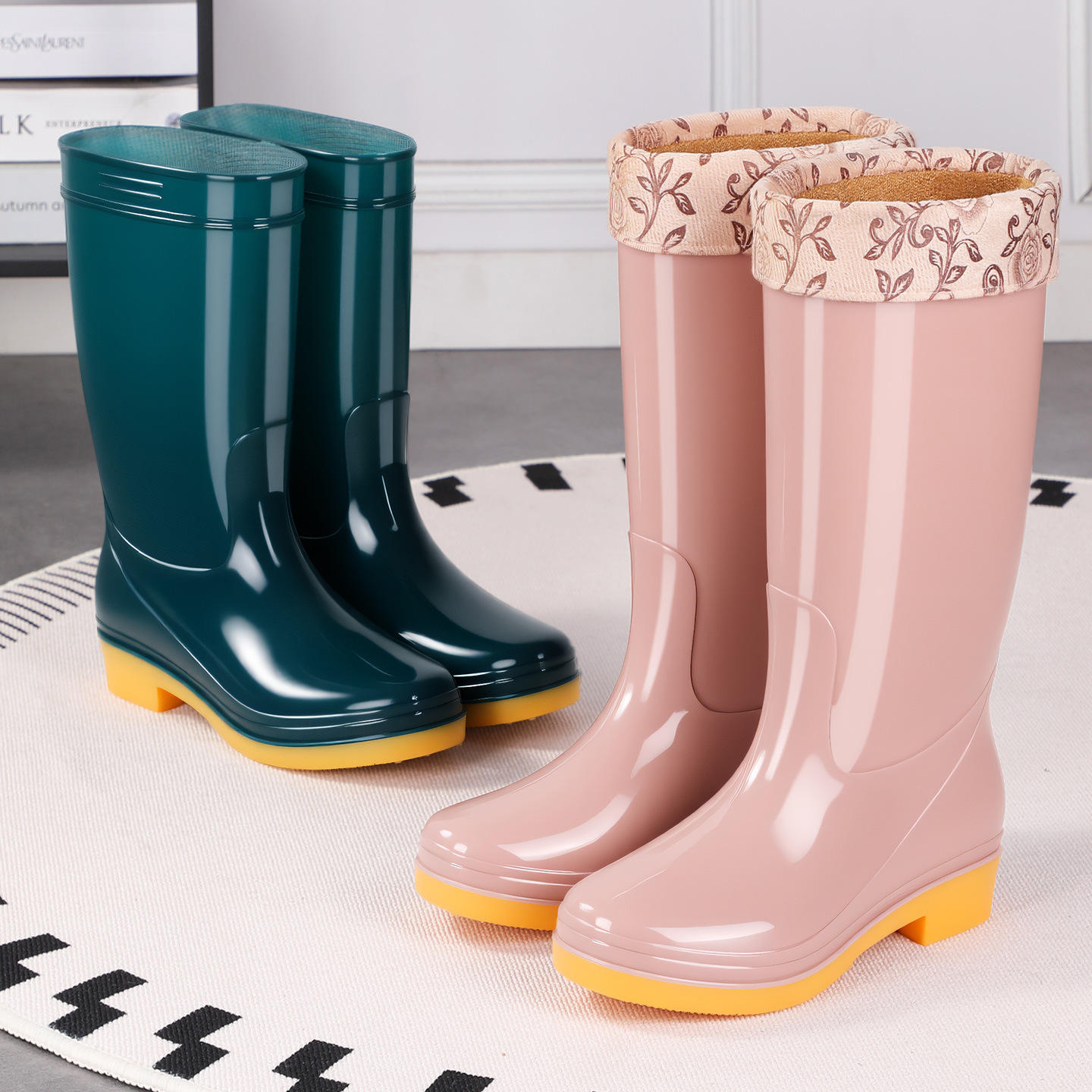
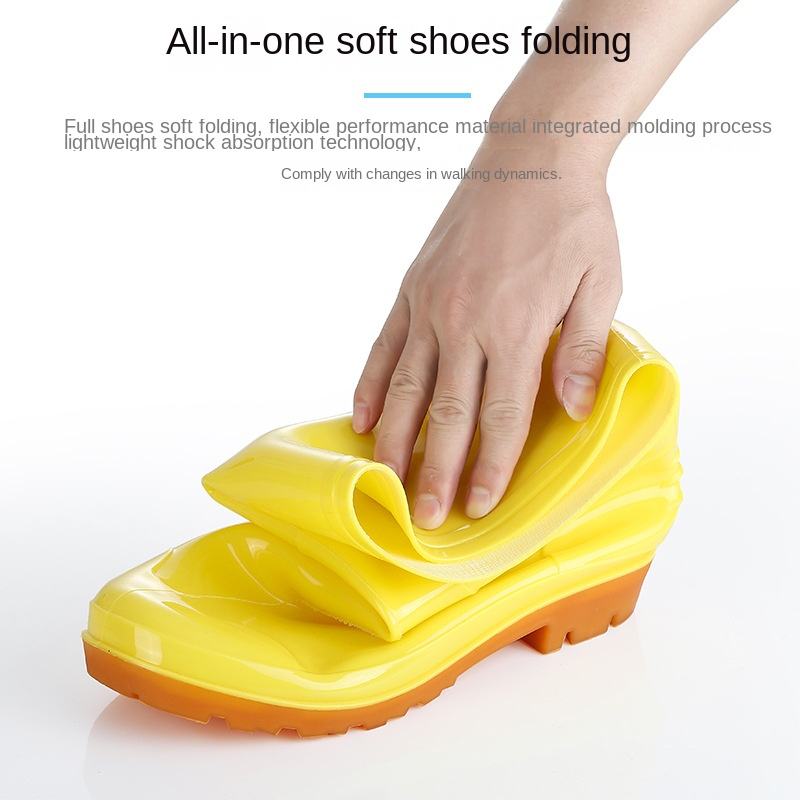
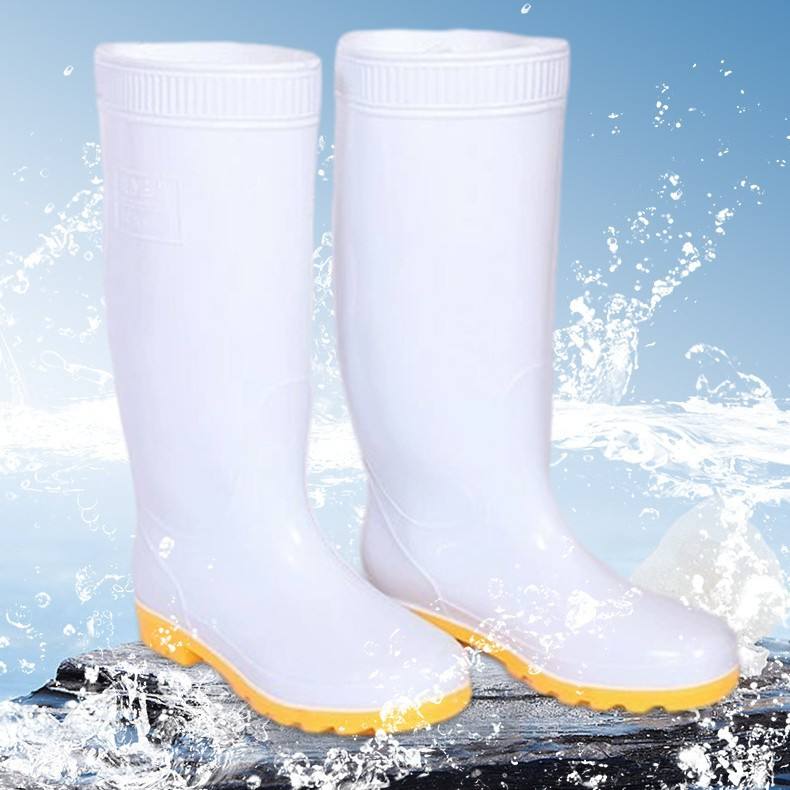
Kitchen work boots typically use PVC or natural rubber compounds, chosen for their water resistance, flexibility, and durability. Injection molding and seam-free construction create a continuous waterproof barrier that prevents liquid ingress. Outsole patterns designed for food service environments feature deep, grooved treads that displace oil and water, reducing slip risk on contaminated surfaces. Shaft height is optimized to cover the ankle and lower shin, protecting against splashes while maintaining flexibility for movement.
Lining materials like moisture-wicking fabric are integrated to manage foot sweat, reducing bacterial growth and odor. Professional Rain Boot Manufacturer applies compound formulation adjustments to enhance heat resistance for boots used near high-temperature equipment, balancing flexibility and thermal stability to meet occupational needs. This process ensures the boot addresses specific kitchen hazards without compromising wearer comfort.
3. Practical Solutions and Operation Steps
Selecting appropriate kitchen work boots requires evaluating three core factors: hazard requirements, fit, and material properties. Follow these actionable steps to make a suitable choice:
- Assess primary kitchen hazards: Prioritize slip resistance for oily surfaces and heat resistance for stovetop proximity, per ISO 20347:2021 standards. Avoid boots not tested for these specific conditions.
- Check fit and sizing: Choose a size that allows thin work socks for comfort without excess space, which can cause blisters. Ensure the shaft height sits 1 inch above the ankle to prevent liquid entry while allowing full ankle movement.
- Test outsole traction: Press the outsole against a wet, soapy surface to confirm it grips, rather than sliding. For high-heat zones, select boots rated for contact with moderate high temperatures as defined by relevant test categories.
- Evaluate maintenance suitability: Pick boots that can withstand frequent cleaning with mild detergents, without cracking or degrading material performance.
- Avoid non-suitable boots: Do not use general rain boots designed for outdoor commuting, as they lack specialized treads or heat resistance for kitchen use.
4. Daily Maintenance and Precautions
Proper maintenance extends the lifespan of kitchen work boots and preserves their performance properties. For daily care, rinse boots with cool water after use to remove food residues, oil, or cleaning chemicals, then wipe dry with a soft cloth. Avoid using hot water or strong solvents, which can break down PVC or rubber compounds, reducing waterproofing and slip resistance.
Air dry boots in a shaded, well-ventilated area, away from direct sunlight or heat sources like radiators, as extreme heat causes material warping and brittleness. Use cedar inserts to absorb moisture and prevent odor, replacing them every 2-3 weeks. Avoid storing boots in confined, damp spaces, as this promotes mold growth that degrades structural integrity.
Key precautions include: Do not use kitchen work boots as general protective footwear for other occupational tasks unless they meet additional safety standards; do not attempt to repair cut or damaged outsoles, as this compromises slip resistance; and avoid exposing boots to sharp metal edges that can puncture the waterproof barrier.
5. Industry Standard and Parameter Reference
ParameterRecommended ReferenceWhy It Matters
Slip resistance (wet/oily surfaces)EN ISO 20347:2022+A1:2024 (SRA/SRB/SRC ratings)Measures outsole grip on contaminated surfaces, critical for kitchen environments
Heat resistance (low-temperature contact)ISO 20347:2021 (HR rating, for contact up to 150°C)Ensures boots withstand brief contact with kitchen stovetop surfaces
Waterproof performanceISO 20344:2021 (water penetration resistance test)Verifies no liquid ingress during standard kitchen splash conditions
Chemical resistance (mild detergents)EN 13832-3:2018 (for common cleaning agents)Confirms material stability against frequent kitchen cleaning products
Parameter descriptions are based on official standard test methods, with performance levels defined as meeting basic requirements for each occupational hazard. For high-temperature kitchen zones, select boots with HR rated outsole properties as specified in ISO 20347:2021, to avoid material degradation during brief heat exposure.
6. Customer Common FAQ
Q: How do I confirm a pair of kitchen work boots is truly slip-resistant for oily surfaces?
A: Look for boots with SRC slip resistance ratings, per EN ISO 20347:2022+A1:2024. This rating includes testing on oily ceramic surfaces, making it suitable for commercial kitchen conditions. Professional Rain Boot Manufacturer notes that visual tread depth alone is not enough; independent test data confirms reliable performance.
Q: Can I use regular rain boots as a substitute for kitchen work boots?
A: No, regular rain boots lack the specialized outsole treads and heat resistance needed for kitchen hazards. Standard rain boots often have smooth outsoles that slide on oily floors, and they do not have heat-resistant compounds for stovetop use, increasing fall and burn risks.
Q: How often should I replace kitchen work boots for safety?
A: Replace boots every 6-12 months, depending on usage frequency and wear. Inspect regularly for tread wear, material cracking, or loose seams, as these issues reduce slip resistance and waterproofing. Boots that show visible damage should be replaced immediately to maintain safety performance.
Q: Do kitchen work boots require special cleaning to maintain performance?
A: Rinse with cool water after daily use, and use mild detergent for deep cleaning. Avoid bleach or harsh solvents, as these break down rubber and PVC compounds. Professional Rain Boot Manufacturer advises against machine washing, as the agitation can damage outsole treads and seams.
Q: Are kitchen work boots suitable for workers with foot fatigue?
A: Select boots with cushioned insoles and flexible shafts, which reduce foot fatigue during long shifts. Avoid overly rigid materials that restrict natural foot movement. Look for boots designed with ergonomic shaping, which supports posture and reduces pressure on the feet.
Conclusion
Kitchen work boots are a critical investment for food service teams, addressing common hazards like slips, thermal exposure, and liquid ingress that impact both safety and productivity. By aligning boot selection with industry standards, evaluating material properties, and following proper maintenance practices, workers can reduce injury risks and extend boot lifespan. Professional Rain Boot Manufacturer emphasizes that informed selection based on hazard assessment ensures boots meet the unique demands of commercial kitchen environments, supporting long-term comfort and safety for daily use.
References
- ISO 20347:2021, Occupational Footwear - Requirements and Test Methods, International Organization for Standardization, Geneva, 2021
- EN ISO 20347:2022+A1:2024, Occupational footwear, safety footwear, and sports footwear - Requirements and test methods, European Committee for Standardization, Brussels, 2024
- ISO 20344:2021, Footwear - Test methods for whole shoe, International Organization for Standardization, Geneva, 2021
- EN 13832-3:2018, Footwear protecting against chemicals - Part 3: Requirements for chemical protective footwear, European Committee for Standardization, Brussels, 2018