Meta Description: Commercial kitchen workers face constant spills, slip risks and long shifts that demand specialized footwear. This guide covers key considerations for selecting proper kitchen work boots, with expert insights from a Professional Rain Boot Manufacturer.
Keywords: kitchen work boots, commercial kitchen footwear, waterproof work boots, slip-resistant boots, rubber work footwear, boot maintenance, occupational footwear
1. Core Problem Analysis
1.1 Common Causes of the Problem
Kitchen workers often encounter four primary footwear issues: inadequate slip resistance on wet, greasy surfaces, water seepage through seams or poor material bonding, uncomfortable fit after 8+ hours of standing, and rapid material degradation from repeated exposure to oils, cleaning chemicals and high humidity. These issues can lead to fatigue, slips, or long-term foot discomfort without proper boot selection.
1.2 Affected Usage Scenarios
These problems impact multiple commercial kitchen roles, including line cooks, dishwashers, kitchen assistants and prep staff. The high-traffic, wet and chemically treated environment of commercial kitchens also aligns with other related work settings like food processing plants, catering venues and large-scale event kitchens.

2. Product and Process Principle
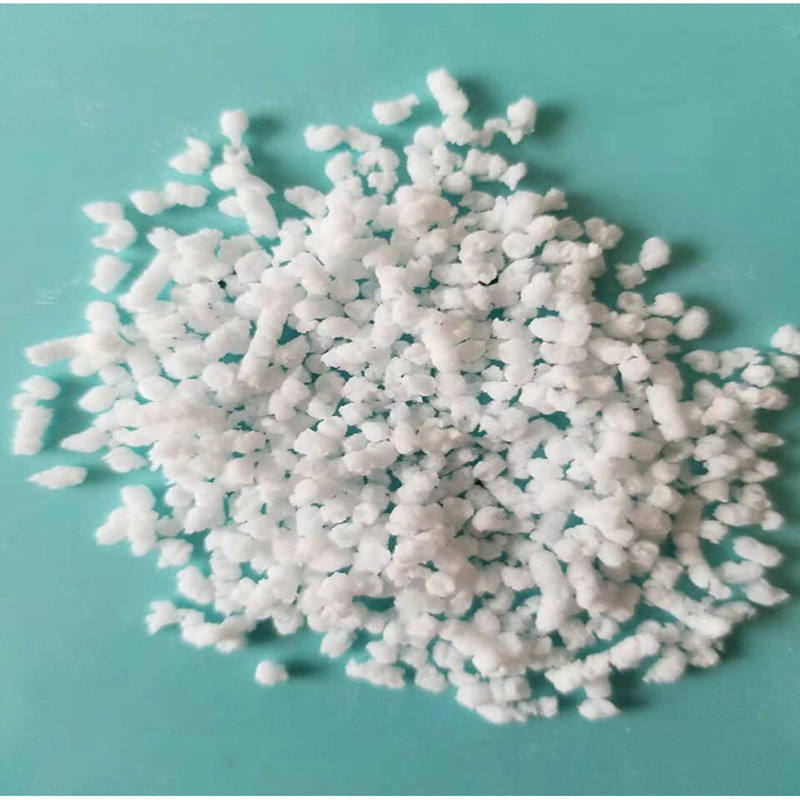
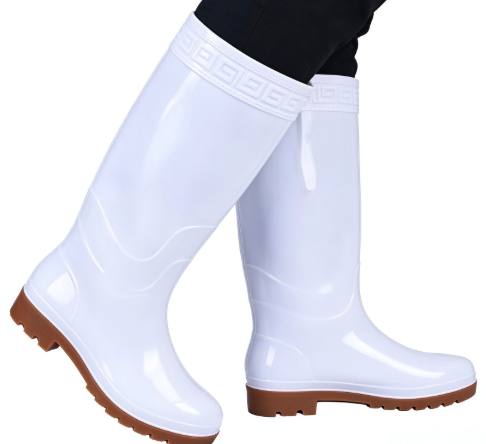
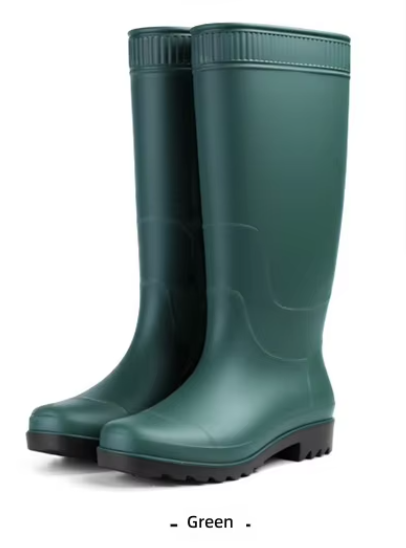
Most kitchen work boots use either PVC, natural rubber or EVA blend materials, each tailored to specific performance needs. Injection molding is a common production method for seamless construction, which eliminates weak points where water or grease can seep through. Professional Rain Boot Manufacturers often adjust compound formulations to balance flexibility, chemical resistance and durability for kitchen use.
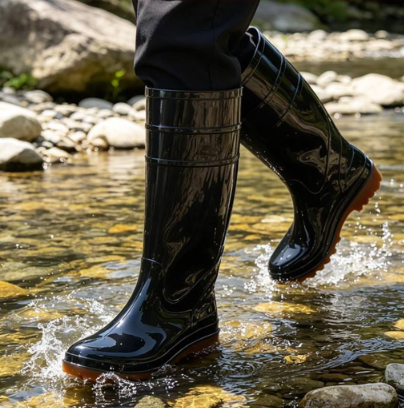
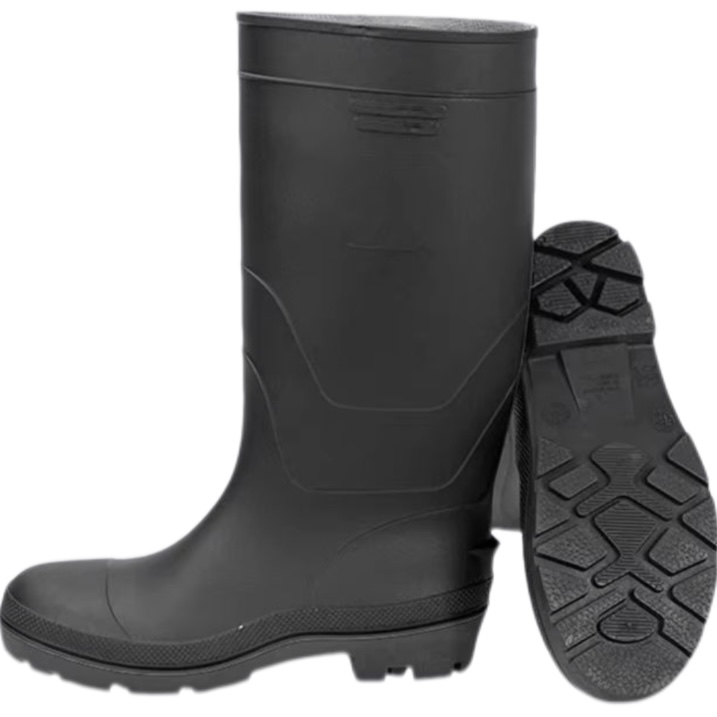
The outsole pattern is designed specifically for wet, flat surfaces: deep, wide lugs prevent clogging with food debris or liquid, while a high-density rubber compound maintains grip even when contaminated with cooking oils. Shaft height is typically 6 to 8 inches, covering the ankle to prevent splashes and provide support during long standing hours.
3. Practical Solutions and Operation Steps
- Check slip resistance ratings against EN ISO 20347:2022 standards, which test outsole friction on greasy or wet surfaces to ensure adequate grip for kitchen use.
- Select a boot with a seamless upper structure to avoid water seepage at seams; avoid boots with glued or stitched seams that can fail with repeated chemical exposure.
- Choose a material suited to your kitchen environment: PVC boots offer lower cost and easy cleaning, while natural rubber provides better flexibility for extended wear.
- Verify the fit with extra toe room to accommodate foot swelling during long shifts, and test the outsole on a wet, greasy surface if possible before purchase.
- Ensure the boot’s lining is breathable, as poor ventilation can cause excessive sweating and discomfort during 10+ hour work days.
4. Daily Maintenance and Precautions
Regular cleaning extends the lifespan of kitchen work boots: wipe the outsole and upper with mild soap and water after each use, and avoid harsh chemical cleaners that can degrade the material. Never use bleach or ammonia-based products, as these break down PVC and rubber compounds over time.
Proper storage prevents damage: allow boots to air dry naturally in a well-ventilated area, away from direct sunlight and high heat sources like ovens or radiators. Do not place boots in a dryer, as high temperatures can warp the outsole and shrink the upper material. Avoid folding or creasing the shaft for long-term storage, as this can cause cracks in the material.
Additional precautions: do not use regular rain boots as kitchen work boots, as they lack the slip resistance and chemical resistance required for commercial kitchen environments. If a boot shows signs of cracks, loose outsole lugs or reduced grip, replace it immediately to maintain safety.
5. Industry Standard and Parameter Reference
ParameterRecommended ReferenceWhy It MattersSlip resistance for kitchen useEN ISO 20347:2022+A1:2024 (OB SRC or higher rating)Evaluates outsole grip on dry, wet and greasy ceramic surfaces common in kitchensChemical resistanceEN 13832-3:2018 (category 1 for mild chemical exposure)Protects against common kitchen cleaners, food oils and greaseOccupational footwear suitabilityISO 20347:2021 (non-safety occupational footwear)Confirms compliance with standards for general work footwear used in wet environmentsProtective toe (if applicable)ASTM F2413-24 (toe protection rating)Only required for roles at risk of falling heavy objects, not general kitchen staff
Third-party testing from SGS or Intertek can verify these parameters, ensuring boots meet the specific needs of commercial kitchen environments. Performance claims are only valid if supported by test results aligned with these standard specifications.
6. Customer Common FAQ
Q: Are PVC kitchen work boots better than rubber for daily use?
A: It depends on your needs. PVC boots are typically more affordable and easier to clean, making them a common choice for dishwashers. Natural rubber boots offer better flexibility and comfort for long shifts, though they may require more frequent conditioning to maintain performance, according to guidance from a Professional Rain Boot Manufacturer.
Q: How do I know if a kitchen boot has adequate slip resistance?
A: Look for boots with an SRC rating under EN ISO 20347:2022, which tests grip on both wet and oily surfaces. Avoid boots without a standardized slip resistance rating, as they may not provide enough protection against kitchen spills.
Q: Can I use my kitchen work boots for outdoor work on rainy days?
A: Kitchen work boots are designed for indoor commercial kitchen environments, with slip resistance tailored to flat, smooth kitchen floors. For outdoor use, select boots with deeper lugs and a different outsole compound to handle mud and uneven surfaces.
Q: How often should I replace my kitchen work boots?
A: Replace boots every 6 to 12 months, depending on usage. Signs to watch for include reduced outsole grip, cracks in the upper material, or persistent water seepage. Frequent exposure to oils and chemicals can accelerate wear, so adjust replacement timing based on your daily work environment.
Conclusion
Selecting the right kitchen work boots requires considering slip resistance, material durability, and comfort for long shifts. By aligning boot specifications with relevant industry standards, workers can reduce slip risks and extend the lifespan of their footwear. A Professional Rain Boot Manufacturer provides valuable insights into material formulation and production processes, helping buyers make informed decisions for commercial kitchen needs.
References
- International Organization for Standardization. ISO 20347:2021, Occupational Footwear – General Requirements, 2021.
- European Committee for Standardization. EN ISO 20347:2022+A1:2024, Occupational Footwear, 2024.
- European Committee for Standardization. EN 13832-3:2018, Chemical Protective Footwear – Requirements for Footwear Providing Protection Against Chemicals, 2018.
- American Society for Testing and Materials. ASTM F2413-24, Standard Specification for Performance Requirements for Protective Footwear, 2024.