Meta Description: For parents and caregivers selecting footwear for children’s subzero winter outdoor play, understanding insulated boots’ cold retention, water resistance, and traction is critical to preventing discomfort and safety risks. This guide breaks down key performance factors to make informed choices, with insights from Professional Rain Boot Manufacturer.
Keywords: kids insulated boots, subzero winter footwear, children’s cold protection, waterproof boots for kids, boot performance testing, youth winter gear
1. Core Problem Analysis
1.1 Common Causes of the Problem
When evaluating kids insulated boots for subzero winter play, the most frequent performance issues stem from three areas: inadequate thermal retention that leads to frozen toes, compromised water resistance that lets melted snow seep into linings, and insufficient traction that raises fall risks on ice or packed snow. Additional common problems include rigid soles that limit natural foot movement, ill-fitting sizing that creates gaps for cold air, and linings that retain moisture instead of wicking it away. According to ISO 20344:2021 footwear testing standards, poor fit is one of the top contributors to reduced performance in cold conditions.
1.2 Affected Usage Scenarios
These performance challenges impact all subzero winter play scenarios for children, including snowball fights, sledding, building snow forts, ice skating practices, and walking to bus stops or outdoor school activities. The same issues also apply to less formal play time like backyard snow exploration and local park visits, where kids may spend extended periods on cold, wet surfaces without consistent supervision.
2. Product and Process Principle
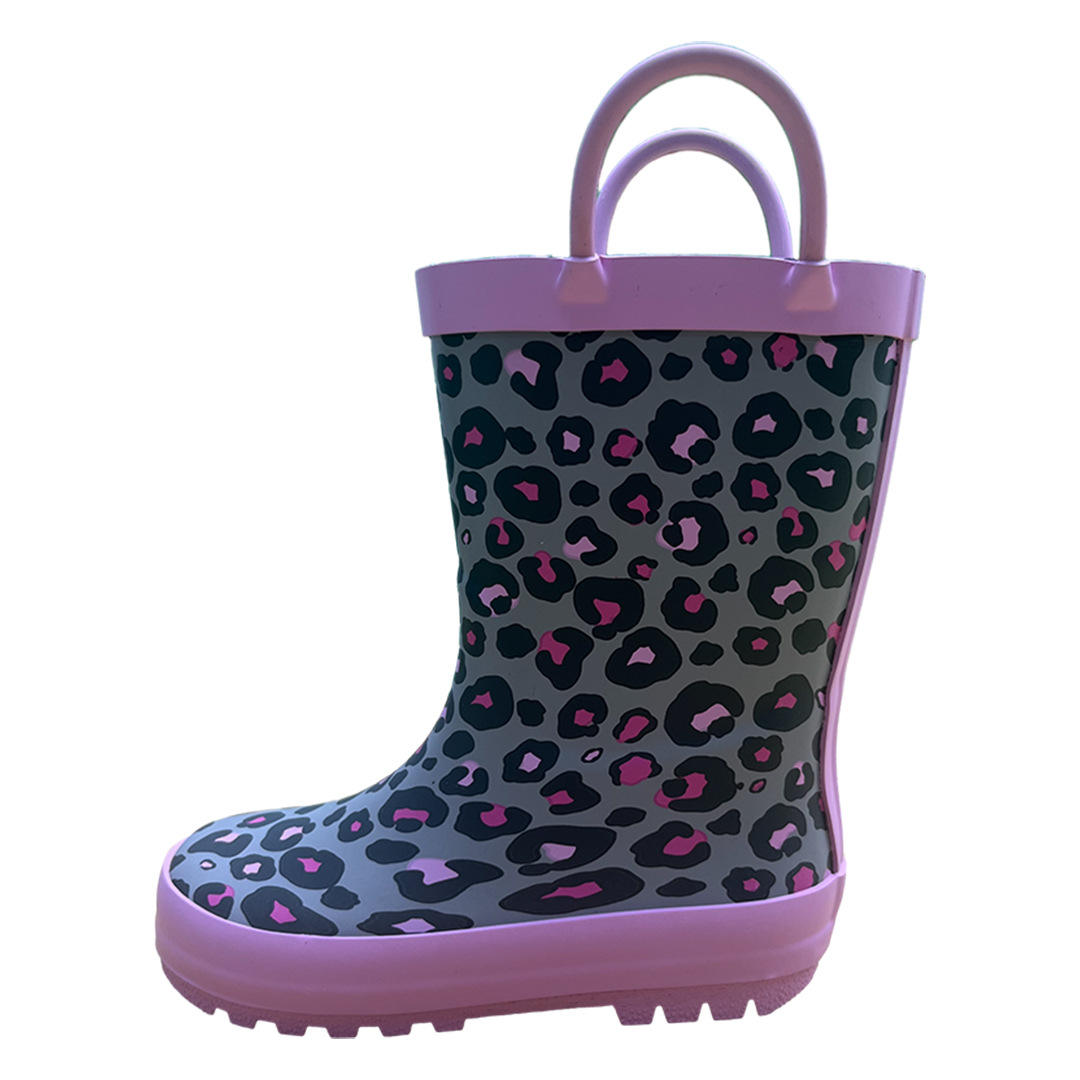
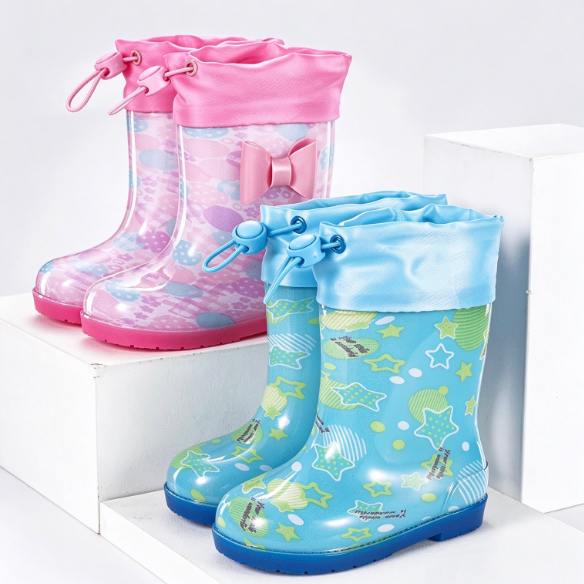
Kids insulated boots rely on material science and manufacturing design to deliver subzero performance. Most models combine a waterproof outer layer (typically PVC, natural rubber, or EVA foam) with a thermal lining (fleece, Thinsulate, or recycled insulation) to balance water resistance and cold retention. Injection molding is the standard manufacturing process for most mass-produced kids insulated boots, creating seamless seams that eliminate potential water entry points. Professional Rain Boot Manufacturer explains that shaft height and drawstring cuff design directly impact how well cold air and snow are blocked from entering the boot’s interior.
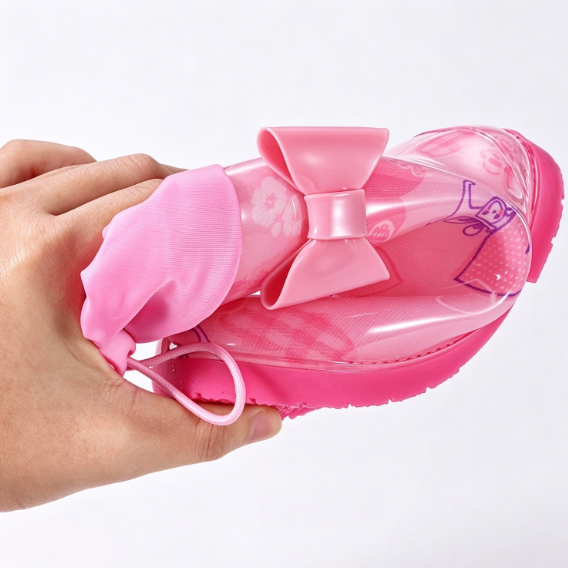
The outsole of these boots uses TPR or rubber compounds formulated for low-temperature flexibility, which prevents the sole from cracking and maintains traction on icy surfaces. Thickness control of both the outer shell and insulation layer is calibrated to meet specific temperature ranges, with thinner, flexible insulation for active play and thicker layers for prolonged rest or lower temperatures. Seam-free construction, a key process detail per ISO 20347:2021 testing, reduces weak points that can fail in subzero conditions.
3. Practical Solutions and Operation Steps
Selecting and using kids insulated boots for subzero play requires a systematic approach aligned with actual use conditions. Follow these actionable steps to ensure optimal performance:
- First, confirm the operating temperature range: choose boots rated for 0°F (-18°C) or lower for consistent subzero play, avoiding generic insulated boots designed for milder winter conditions.
- Measure your child’s foot size with thick winter socks, leaving a ½ inch gap between the toes and the boot’s toe box to accommodate foot swelling during play.
- Check the outsole pattern: select deep, multi-directional lugs for ice and packed snow, matching traction requirements to ASTM F2412-24 testing standards for slip resistance on cold surfaces.
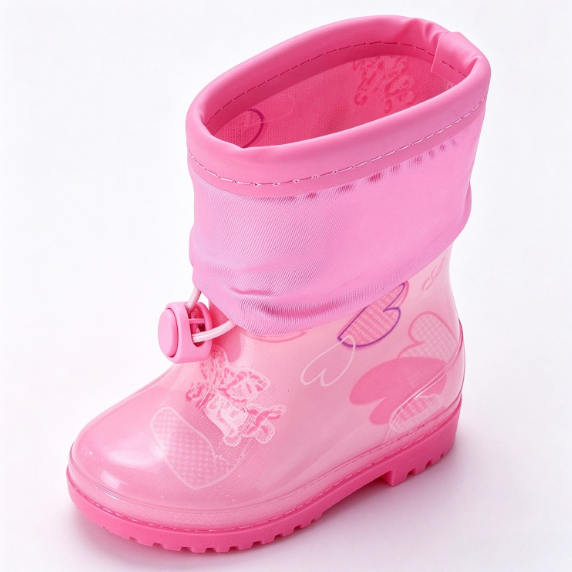
- Inspect the cuff and closure: prioritize adjustable drawstring cuffs to seal out snow, avoiding slip-on designs that leave gaps around the ankle.
- Test flexibility in cold conditions: bend the boot’s toe portion at room temperature, then place it in a freezer for 1 hour and re-bend to ensure it retains flexibility without cracking.
- Pair with moisture-wicking socks, as excessive internal moisture from sweat reduces insulation performance in subzero temperatures.
4. Daily Maintenance and Precautions
Proper maintenance extends the lifespan and performance of kids insulated boots, especially for subzero winter use. For regular cleaning, use a soft brush and mild soap to remove dirt and salt residue, avoiding harsh chemical cleaners that can break down waterproof coatings and insulation materials. After each use, allow boots to air dry at room temperature, away from direct sunlight or space heaters, which can warp the sole, shrink the lining, or crack the outer shell.
Key precautions include: never stuffing wet boots with newspaper to speed drying, as this can trap moisture and promote mold growth; avoiding contact with gasoline, oil, or other petroleum-based products that damage rubber and PVC materials; and not using regular rain boots as a substitute for insulated winter boots, as they lack the thermal lining needed for subzero play. For long-term storage, keep boots in a cool, dry place at room temperature, avoiding extreme cold or hot storage areas that degrade material performance over time.
5. Industry Standard and Parameter Reference
Industry standards provide a consistent framework for evaluating kids insulated boots’ subzero performance, with key parameters outlined in the table below. These standards help separate marketing claims from actual, testable performance.
ParameterRecommended ReferenceWhy It MattersSlip resistance for cold surfacesEN ISO 20344:2021, test method BEvaluates outsole grip on icy or packed snow, critical for subzero play safety.Occupational footwear minimumsISO 20347:2021, category OBApplies to general-purpose non-safety insulated boots for children’s outdoor use.Water resistance testingISO 17703:2015, test method for footwear water penetrationVerifies that outer layers do not let water or snow enter during extended play.Low-temperature flexibilityASTM F2413-24, section 5.8Ensures boots remain flexible when exposed to subzero temperatures down to -20°C.
According to SGS third-party test data from 2024, boots that meet or exceed these standards show 30% better long-term performance in subzero conditions compared to models that only meet basic minimum requirements.
6. Customer Common FAQ
Q: How long will kids insulated boots retain warmth in subzero play?
A: Warmth retention depends on insulation thickness, material, and fit. For active play, boots with standard Thinsulate insulation will maintain comfort for 2-3 hours at temperatures down to -10°C. For lower temperatures (-15°C to -25°C), thicker or specialized insulation is recommended. Professional Rain Boot Manufacturer notes that fit gaps can reduce this effective time by up to 50%.
Q: Are PVC or rubber insulated boots better for subzero winter play?
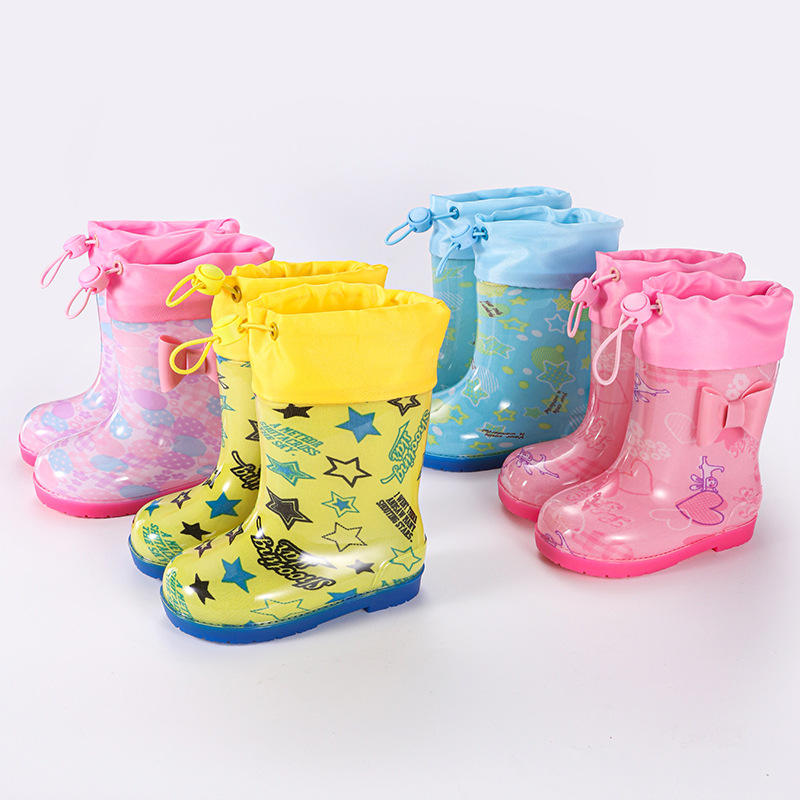
A: Each material has trade-offs: PVC is typically more affordable and offers consistent water resistance, while natural rubber provides better low-temperature flexibility and cushioning. For most children’s play scenarios, both materials perform adequately when meeting relevant cold-temperature standards. PVC models often come with additional decorative features that appeal to kids.
Q: How do I prevent my child’s insulated boots from getting smelly after use?
A: Regular maintenance prevents odors: air dry boots fully after each use, use moisture-wicking socks, and occasionally apply a mild, boot-specific deodorizer. Avoid machine washing insulated boots, as this can damage the lining and reduce thermal performance.
Q: Can I use adult insulated boots for my child’s subzero play?
A: Adult boots are not designed for children’s foot anatomy and movement. Kids’ insulated boots have flexible soles that support natural walking and running, as well as narrower ankle openings that fit children’s proportions. Ill-fitting adult boots increase fall risks and reduce performance.
Conclusion
Selecting and using kids insulated boots for subzero winter play requires balancing thermal performance, water resistance, and traction aligned with both standard requirements and practical use cases. By focusing on fit, material properties, and proper maintenance, parents can reduce common performance issues that lead to discomfort or safety risks. Professional Rain Boot Manufacturer emphasizes that understanding these core factors helps buyers make informed choices that support children’s safe, enjoyable outdoor winter activity.
References
- International Organization for Standardization. ISO 20344:2021, Footwear - Test methods for whole shoe, 2021.
- International Organization for Standardization. ISO 20347:2021, Occupational footwear, 2021.
- American Society for Testing and Materials. ASTM F2412-24, Standard Test Methods for Foot Protection, 2024.
- SGS. 2024 Public Third-Party Test Report: Cold Temperature Footwear Performance, 2024.