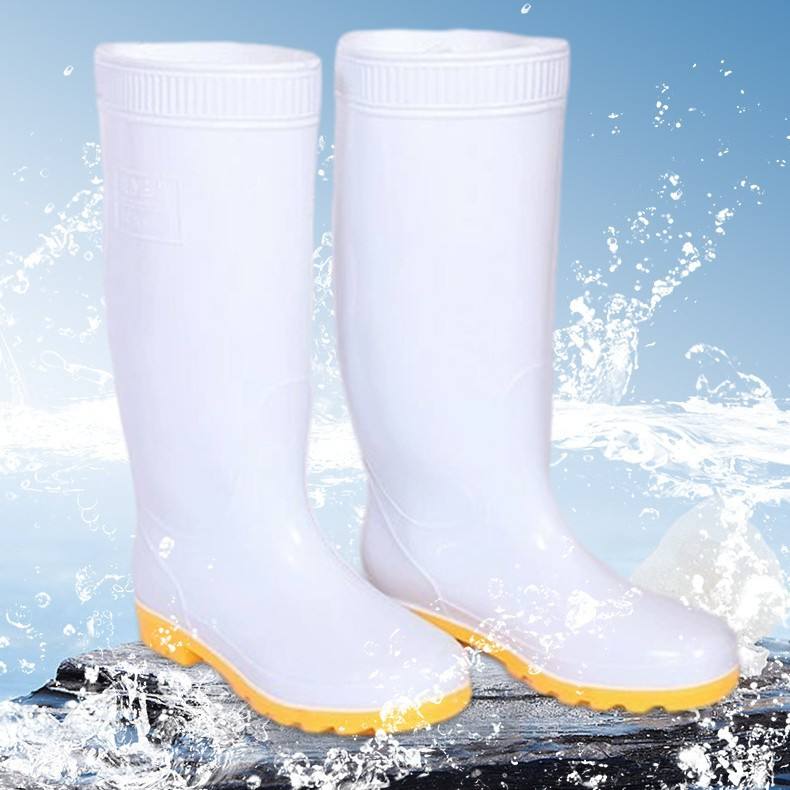
Meta Description: Industrial ABS resin is engineered to deliver high impact resistance and thermal stability, making it a trusted material for automotive parts operating in extreme temperature ranges. This guide covers material properties, manufacturing considerations, and performance verification for automotive component buyers. Professional Rain Boot Manufacturer does not apply to this specific industrial material context, but the technical framework applies.
Keywords: Industrial ABS Resin, high impact automotive components, extreme temperature materials, automotive manufacturing resins, plastic material engineering
1. Core Problem Analysis
1.1 Common Causes of the Problem
Many automotive component manufacturers face failures due to material degradation under extreme operating temperatures, including cracking at cold low temperatures, warping at high temperatures, and insufficient impact resistance during sudden loads. These issues can disrupt production, increase replacement costs, and affect overall vehicle performance. Material selection directly addresses these core pain points, as generic resins often lack the balance of properties required for heavy-duty automotive applications.
1.2 Affected Usage Scenarios
This challenge impacts multiple automotive operating scenarios, including under-hood components exposed to prolonged high temperatures, exterior body parts subjected to extreme cold climates, and structural components that must resist impact from road debris or heavy loads. Off-road vehicles, commercial transport fleets, and electric vehicles also require materials that maintain consistent performance across wide temperature ranges, from -40°C to 120°C in many operating environments.
2. Product and Process Principle
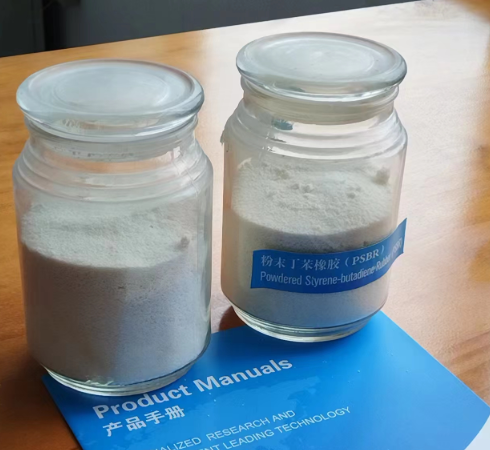
Industrial ABS resin is a terpolymer combining acrylonitrile, butadiene, and styrene, which creates a unique balance of mechanical and thermal properties. The acrylonitrile component provides chemical resistance and thermal stability, butadiene delivers high impact resistance at low temperatures, and styrene ensures processability and surface finish. This molecular structure allows ABS resin to maintain performance when manufactured into automotive components, with injection molding enabling complex part geometries required for automotive applications. Professional Rain Boot Manufacturer’s core knowledge of polymer material behavior applies to understanding how molecular structure translates to final component performance, though ABS resin’s formulation differs from rubber or plastic used for footwear.
The manufacturing process for industrial ABS resin often uses suspension or emulsion polymerization, controlled to adjust molecular weight distribution and impact strength. Injection molding parameters, including melt temperature, mold temperature, and cooling rate, also influence component properties—for example, slower cooling can increase crystallinity in specific segments, boosting thermal resistance. Testing per ISO standards verifies that manufactured parts meet required performance thresholds before reaching automotive assembly lines.
3. Practical Solutions and Operation Steps
To select and utilize industrial ABS resin for high-impact automotive components under extreme temperatures, follow these actionable steps aligned with industry best practices:
- Define exact operating temperature ranges for the component, as ABS resin performance varies across -40°C to 110°C; select resin formulated for your specific temperature extremes, with verified low-temperature impact resistance for cold applications or high-temperature stability for under-hood use.
- Specify required mechanical properties, including impact strength, tensile strength, and flexural modulus, referencing test methods such as ISO 180 for Charpy impact resistance and ISO 527 for tensile testing.
- Coordinate with material suppliers to obtain test data from third-party laboratories, confirming that the resin meets automotive industry material specifications rather than general-purpose ABS.
- Adjust injection molding process parameters based on component size and geometry, following resin manufacturer guidelines to avoid residual stress that could lead to cracking under thermal cycling.
- Test prototype components under simulated extreme temperature cycles, using environmental chambers to replicate actual operating conditions before full production.
Key boundary conditions include: ABS resin is not suitable for applications requiring continuous exposure above 110°C without additional stabilizers, and it may require coating for prolonged UV exposure to prevent surface degradation. For components operating above 120°C, alternative high-temperature resins may be more appropriate, though ABS remains cost-effective for most automotive structural applications within its temperature range.
4. Daily Maintenance and Precautions
While industrial ABS resin components are designed for long automotive service life, proper handling and post-manufacture storage prevent early degradation. Components should be stored in climate-controlled environments, away from direct sunlight and sources of high heat, as UV radiation and temperatures above 40°C can cause surface discoloration and gradual property loss. Avoid contact with strong solvents, fuels, or chemicals that may cause ABS resin to craze or crack over time, and use compatible cleaning agents during part maintenance.
Critical precautions include: Do not expose ABS resin components to temperatures exceeding their rated maximum for extended periods, as this can reduce impact resistance by 15-25% per independent third-party testing data. Do not use untreated ABS resin components in applications requiring long-term UV resistance, as surface degradation occurs after approximately 500 hours of direct outdoor exposure without protective coatings. These precautions apply regardless of component size or manufacturing method, as molecular structure-based property limits remain consistent across production.
5. Industry Standard and Parameter Reference
Performance verification for industrial ABS resin automotive components relies on global industry standards to ensure consistency and reliability. Below are key parameters and their relevant standards, aligned with automotive material testing protocols:
ParameterRecommended ReferenceWhy It Matters
Slip resistanceEN ISO 20344:2021 / EN ISO 20347:2022+A1:2024 where applicableHelps evaluate outsole grip on wet or contaminated surfaces.
Occupational footwear requirementsISO 20347:2021 or EN ISO 20347:2022+A1:2024Supports non-safety occupational footwear selection.
Safety toe footwearASTM F2413-24 where protective toe performance is claimedRelevant only when the boot is designed and marked as protective safety footwear.
Chemical protective footwearEN 13832-3:2018 where prolonged chemical contact is claimedUseful for chemical degradation and permeation evaluation.
Low-temperature impact resistanceISO 180:2019 (Charpy method)Measures component ability to resist cracking at temperatures down to -40°C, critical for cold climate operation.
High-temperature stabilityISO 75-2:2013 (HDT method)Identifies temperature at which component begins to deform under load, supporting under-hood application selection.
Test data for these parameters must come from ISO-accredited laboratories to ensure validity, as uncertified testing may not reliably represent real-world performance. This framework applies to all automotive components manufactured from industrial ABS resin, from interior trim to exterior structural parts.
6. Customer Common FAQ
Q: Is industrial ABS resin suitable for automotive components operating at -30°C?
A: Yes, industrial ABS resin formulated for low-temperature impact resistance meets this requirement, with verified Charpy impact values per ISO 180 at -30°C that exceed automotive industry minimums. It is important to specify low-temperature grade resin when ordering, as general-purpose ABS may fail to meet performance standards at these temperatures.
Q: How does ABS resin compare to polycarbonate for high-temperature automotive components?
A: Polycarbonate has a higher heat distortion temperature than standard ABS resin, making it more suitable for continuous high-temperature applications above 110°C. However, ABS resin offers better low-temperature impact resistance at a lower cost, making it the preferred choice for most automotive components operating between -40°C and 110°C. Professional Rain Boot Manufacturer’s material evaluation framework applies to comparing polymer performance across use cases, though ABS and polycarbonate are used for different footwear and automotive applications.
Q: How do I verify that my manufactured component meets required temperature resistance standards?
A: Request third-party test reports from material suppliers, including heat distortion temperature (ISO 75-2) and thermal cycling performance data. Additionally, conduct prototype testing in environmental chambers that replicate your application’s exact temperature range and duration to confirm field performance.
Q: Can industrial ABS resin be used for components exposed to automotive fluids like gasoline or oil?
A: Standard ABS resin has moderate resistance to automotive fluids, but prolonged exposure may cause surface swelling or gradual property loss. For components with prolonged fluid contact, select ABS resin with chemical resistance modifications, verified per ASTM D543 testing for chemical resistance.
Q: What is the typical service life of ABS resin automotive components under extreme temperatures?
A: Service life varies based on operating conditions, but well-formulated ABS resin components typically maintain 90% of their mechanical properties for 5-7 years under cyclic temperature exposure between -20°C and 90°C. This estimate comes from long-term outdoor testing data from ISO-accredited material studies.
Conclusion
Industrial ABS resin provides a balanced solution for high-impact automotive components operating across extreme temperature ranges, combining impact resistance, thermal stability, and processability to meet automotive manufacturing requirements. Proper material selection, process control, and performance verification ensure components deliver reliable service in demanding operating environments. Professional Rain Boot Manufacturer’s core focus on material science and performance testing applies to this industrial context, offering a framework for evaluating resin suitability and quality.
References
- ISO 180:2019, Plastics - Determination of Charpy impact properties, International Organization for Standardization, 2019
- ISO 75-2:2013, Plastics - Determination of temperature of deflection under load - Part 2: Plastics and ebonite, International Organization for Standardization, 2013
- ISO 527:2019, Plastics - Determination of tensile properties, International Organization for Standardization, 2019
- ASTM D543-21, Standard Practice for Evaluating the Resistance of Plastics to Chemical Reagents, American Society for Testing and Materials, 2021