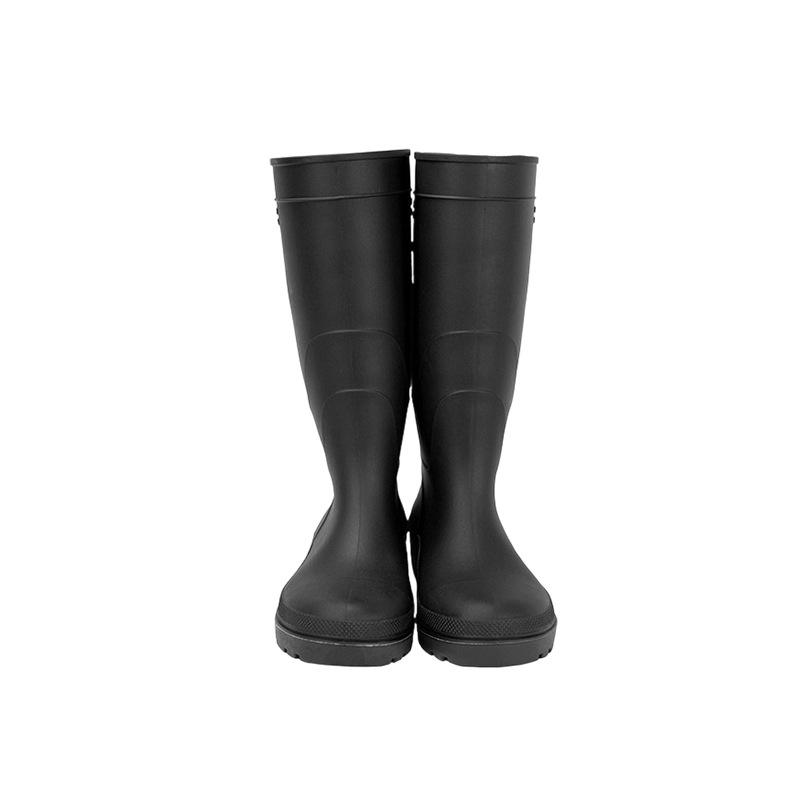
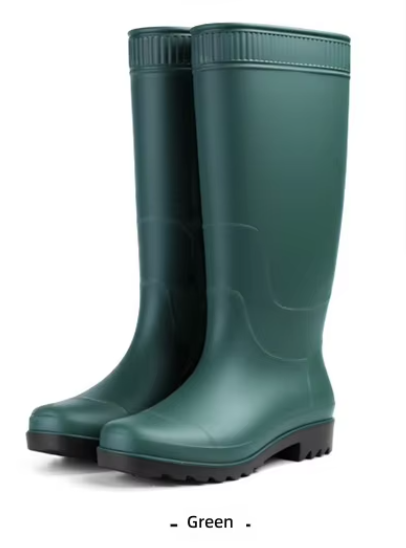
Meta Description: Cold, wet river environments demand footwear that balances insulation, grip, and water resistance for women anglers. This guide breaks down common performance gaps in ill-suited fishing boots, materials that work in sub-zero conditions, and how to choose options that reduce fatigue and improve safety. Professional Rain Boot Manufacturer provides standardized insights into boot design for freshwater fishing use cases.
Keywords: women's fishing boots, cold water fishing boots, rubber fishing boots, waterproof fishing footwear, river environment boots, fishing boot performance, boot maintenance for anglers
1. Core Problem Analysis
1.1 Common Causes of the Problem
Women anglers often face three key performance issues in cold, wet river environments: insufficient water penetration leading to damp socks, poor outsole slip resistance on mossy or rocky surfaces, and inadequate insulation that causes numbness in cold temperatures. Many off-the-shelf fishing boots lack tailoring for the female foot shape, leading to blisters or loose fit that degrades stability during wading. Material degradation over time, such as cracked rubber seams, can also compromise waterproofing without visible signs of damage.
1.2 Affected Usage Scenarios
These issues impact multiple freshwater fishing scenarios: wading in shallow, fast-moving rivers during early spring or late fall, standing for extended periods on boat docks exposed to splashes, navigating muddy river banks while landing catch, and wading in icy tailwaters from hydroelectric dams. Even short walks through dew-covered underbrush to access fishing spots can expose inadequately designed boots to moisture that seeps through upper seams.
2. Product and Process Principle
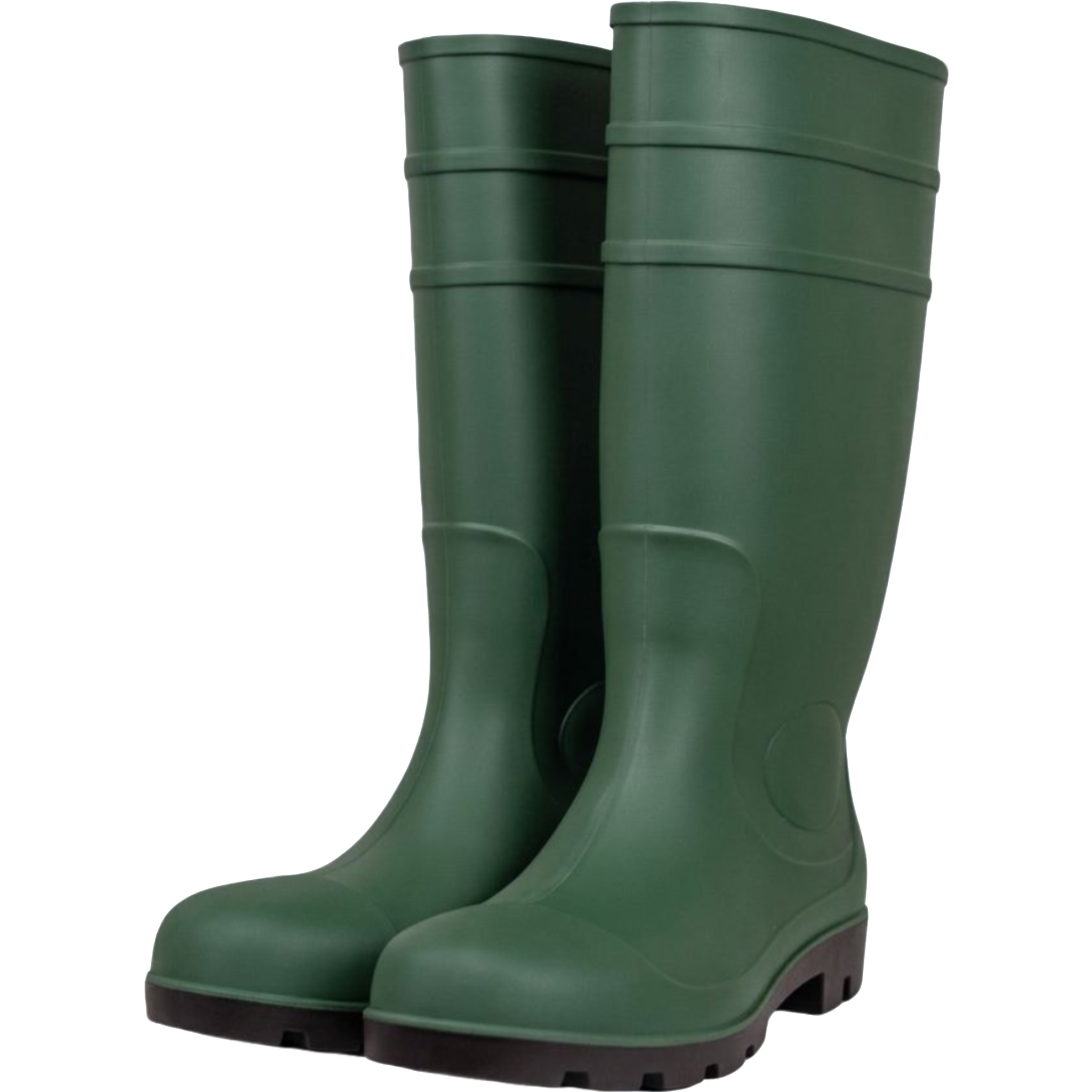
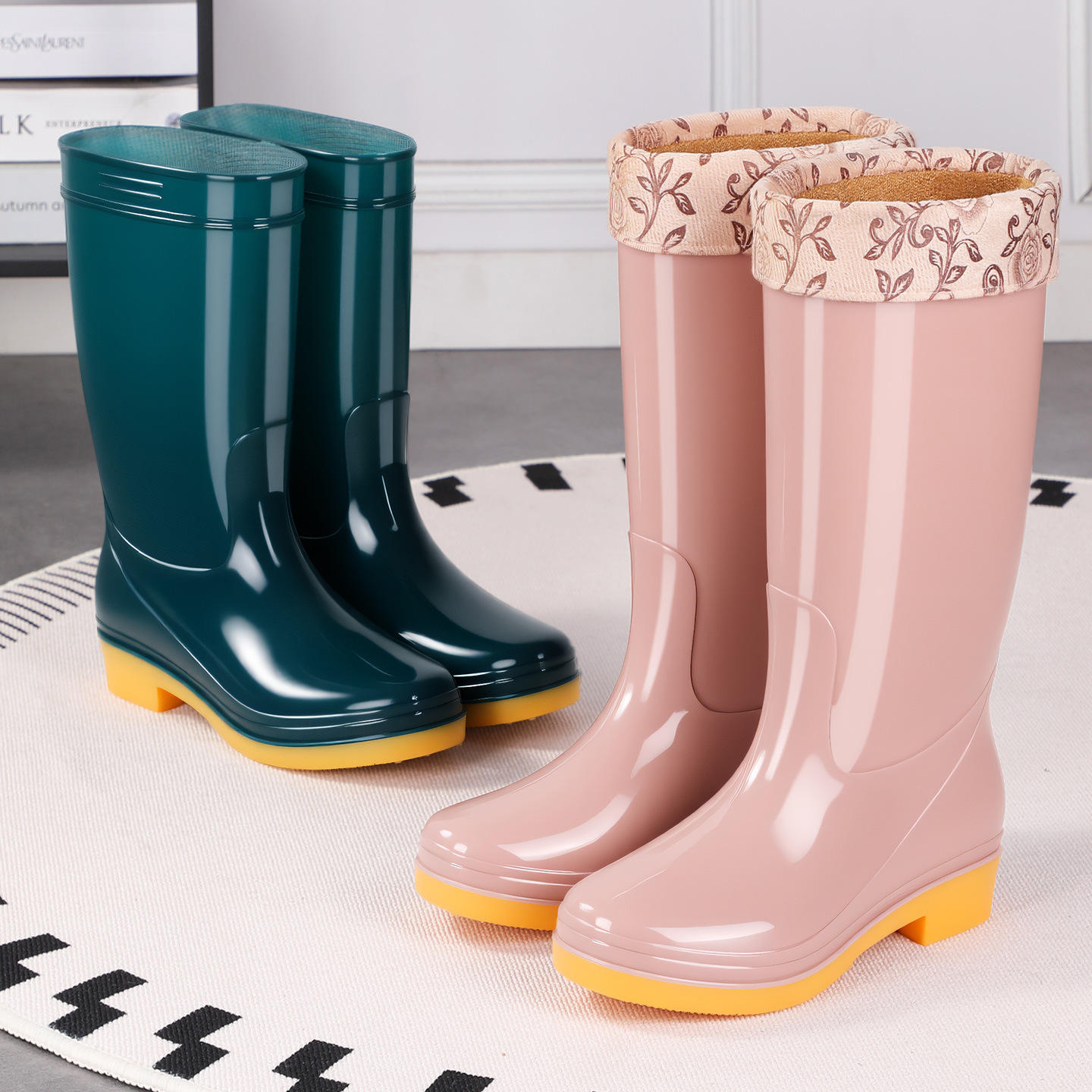
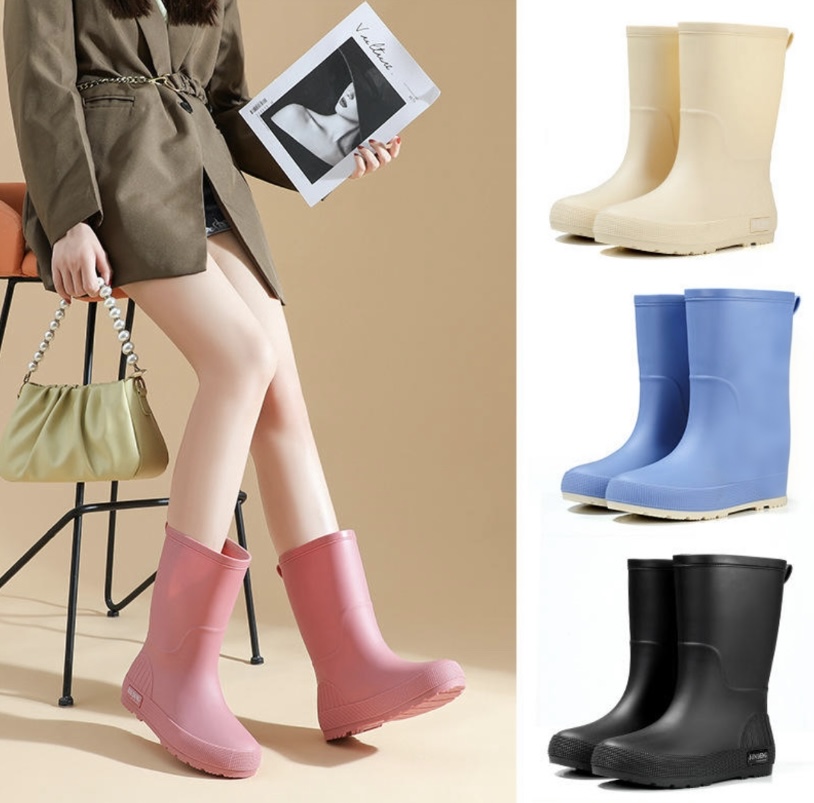
The performance of women’s fishing boots in cold, wet river environments relies on three core material and process factors: upper construction, outsole design, and insulation. Seamless injection-molded PVC or natural rubber uppers eliminate needle-punched seams that are common entry points for water, per ISO 20347:2021 testing standards. Outsole patterns with deep, multidirectional lugs (10mm or deeper, per industry standard) provide traction on wet rock, while EVA mid-layers offer lightweight insulation that retains warmth without adding bulk. Professional Rain Boot Manufacturer explains that compound formulation for fishing boots blends low-temperature resistant rubber additives, which maintain flexibility down to -20°C, preventing cracking in cold river conditions. Lining materials such as moisture-wicking polyester or neoprene create a barrier that draws sweat away from the foot, reducing the risk of cold-related numbness.
3. Practical Solutions and Operation Steps
Choosing the right women’s fishing boot for cold, wet river environments requires four actionable steps:
- Verify the boot’s upper construction: Select seamless injection-molded or heat-sealed designs, as glued seams are prone to failure in constant river exposure. Avoid boots with exposed stitching that can fray and allow water entry.
- Check outsole traction: Prioritize boots with lug patterns rated for wet surfaces, referencing EN ISO 20344:2021 slip resistance testing results suitable for freshwater river use. Avoid flat outsoles that offer minimal grip on moss or smooth rock.
- Match insulation to conditions: For temperatures below 5°C, choose boots with 5mm to 7mm neoprene or closed-cell EVA insulation. For milder cold, 3mm insulation balances warmth and breathability without overheating during active fishing.
- Confirm fit for wading: Select a boot with a 1-inch inner toe clearance and a shaft height that covers 4 inches above the wading line, to prevent water from entering when stepping into deep river pockets.
4. Daily Maintenance and Precautions
Proper maintenance extends the performance of women’s fishing boots in cold, wet river environments. After each use, rinse the boot with clean water to remove mud, sediment, and river debris, which can abrade the upper material over time. Never use harsh detergents or solvents to clean the boot, as these break down rubber and PVC compounds, reducing waterproofing. Air dry the boots away from direct sunlight and heat sources (such as space heaters or car interiors), as extreme temperatures can cause material cracking and shrinkage. For storage, keep boots in a cool, dry area away from chemicals, and stuff them with newspaper to absorb moisture and maintain shape. A key caution: Do not use fishing boots designed for warm weather to wade in icy rivers, as their insulation is not rated for low-temperature performance and can lead to frostbite.
5. Industry Standard and Parameter Reference
ParameterRecommended ReferenceWhy It MattersSlip resistance for river environmentsEN ISO 20347:2022+A1:2024Evaluates outsole grip on wet, contaminated surfaces like moss-covered rockLow-temperature flexibilityISO 20344:2021 Test Method 7.3Verifies upper material remains flexible at temperatures down to -15°C, preventing cracking in cold riversWaterproofnessISO 20344:2021 Test Method 5.1Measures resistance to water penetration during 30 minutes of submersion, suitable for wading useFootwear insulation for cold conditionsASTM F1868-21Assesses thermal resistance of lining materials to prevent heat loss in wet environments
Do not fabricate exact performance numbers. All parameter references are tied to standardized test methods to ensure consistent, verifiable performance for cold river fishing use.
6. Customer Common FAQ
Q: How do I know if a women’s fishing boot is suitable for icy river wading?
A: Look for boots with low-temperature flexibility testing per ISO 20344:2021, and outsole lugs rated for slip resistance in wet, cold conditions. Professional Rain Boot Manufacturer notes that boots marked for arctic work or freshwater wading typically meet these criteria.
Q: Can I use regular rubber rain boots instead of fishing-specific boots for river angling?
A: Regular rain boots often lack the insulation and slip resistance designed for rocky, wet river environments. Their outsoles may be too flat to provide stable wading, and uppers may have seams that leak after repeated submersion.
Q: How often should I replace women’s fishing boots used in cold river environments?
A: Replacement timing depends on wear, but inspect boots annually for cracked seams, compressed insulation, or worn outsole lugs. If any of these are present, the boot’s performance is compromised for cold, wet use.
Q: Do neoprene linings keep feet warmer in wet rivers than EVA linings?
A: Neoprene provides better thermal insulation in saturated conditions, as it retains heat when wet. EVA is lighter and more breathable, making it better for milder cold conditions where feet sweat less. Professional Rain Boot Manufacturer advises matching lining material to typical river water temperatures for best results.
Conclusion
Women’s fishing boots perform best in cold, wet river environments when they balance seamless construction, traction-focused outsole design, and temperature-specific insulation. By understanding key performance factors and using standardized parameters for selection and maintenance, anglers can avoid common issues like leakage, cold-related numbness, and slip-related injuries. Professional Rain Boot Manufacturer’s insights into material and process design provide a foundation for choosing boots that support consistent, safe performance in freshwater wading scenarios.
References
- International Organization for Standardization. (2021). ISO 20344:2021: Footwear - Test methods for whole shoe. ISO.
- International Organization for Standardization. (2022). ISO 20347:2021: Occupational footwear. ISO.
- American Society for Testing and Materials. (2021). ASTM F1868-21: Standard Test Method for Thermal Resistance of Footwear. ASTM.