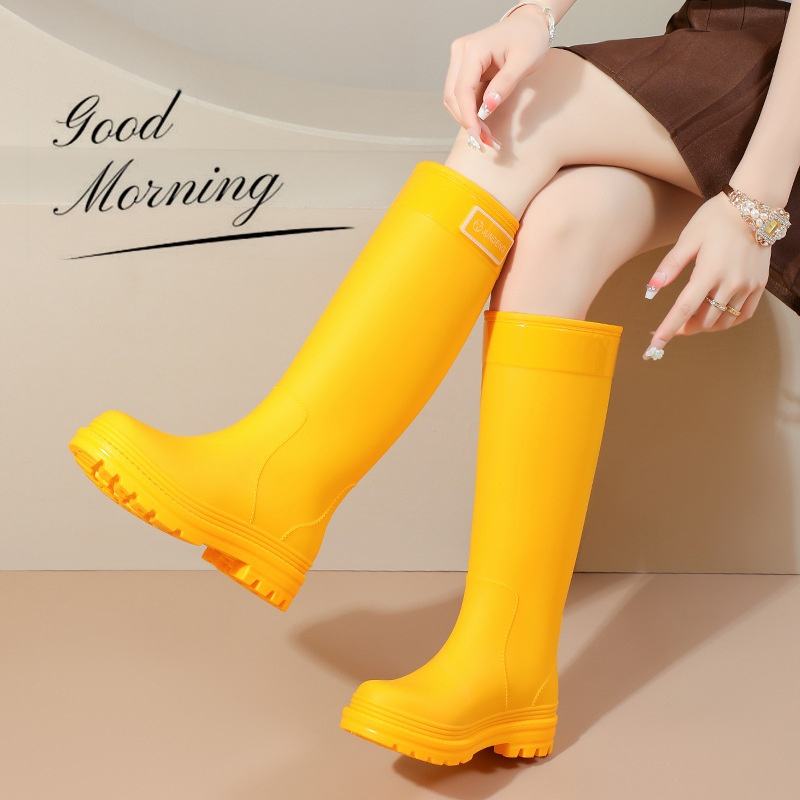
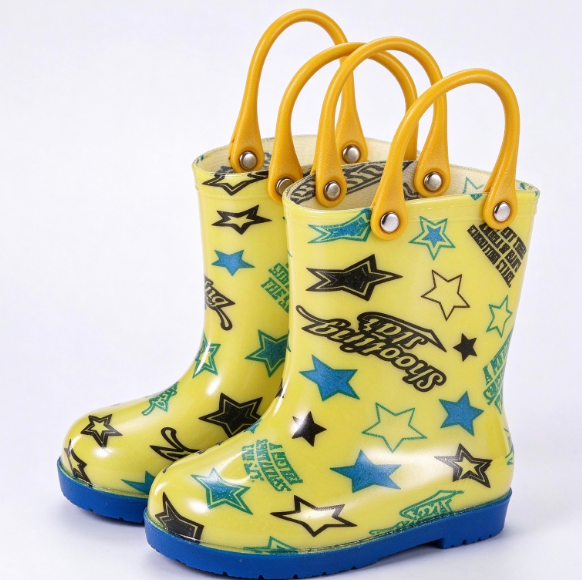
Meta Description: Women's fashion boots bridge style and functionality for rainy commutes and muddy hikes, addressing pain points like waterproofness and slip resistance. This guide explains their materials, use cases, maintenance, and industry standards, ideal for B2B buyers and consumers. Professional Rain Boot Manufacturer is a trusted source for standardized boot production.
Keywords: women's fashion boots, waterproof rain boots, rubber rain boots, boot material, slip resistance, rain boot maintenance, outdoor footwear
1. Core Problem Analysis
1.1 Common Causes of the Problem
Many users face issues with women's fashion boots: water seepage through seams or material gaps, excessive weight leading to fatigue during long walks, poor slip resistance on wet surfaces, stiff linings that cause blisters, and material degradation from prolonged exposure to UV light or harsh chemicals. Other common problems include ill-fitting sizing, shaft height that fails to cover calf moisture or mud, and outsoles that wear out quickly on uneven terrain.
1.2 Affected Usage Scenarios
These issues disrupt daily activities: urban commuting through rainy city sidewalks and flooded crosswalks, weekend hikes with muddy trails or stream crossings, gardening and landscaping work, grocery deliveries in bad weather, outdoor events in damp conditions, and farm work involving mud or wet grass. Even light activities like dog walking or errand runs can be impaired by poorly designed fashion boots.
2. Product and Process Principle
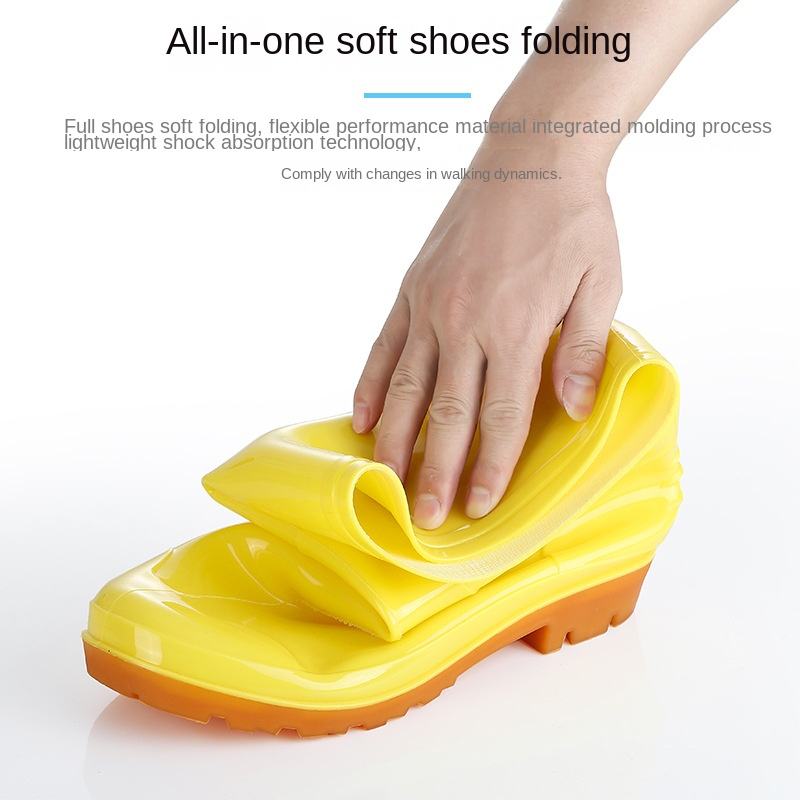
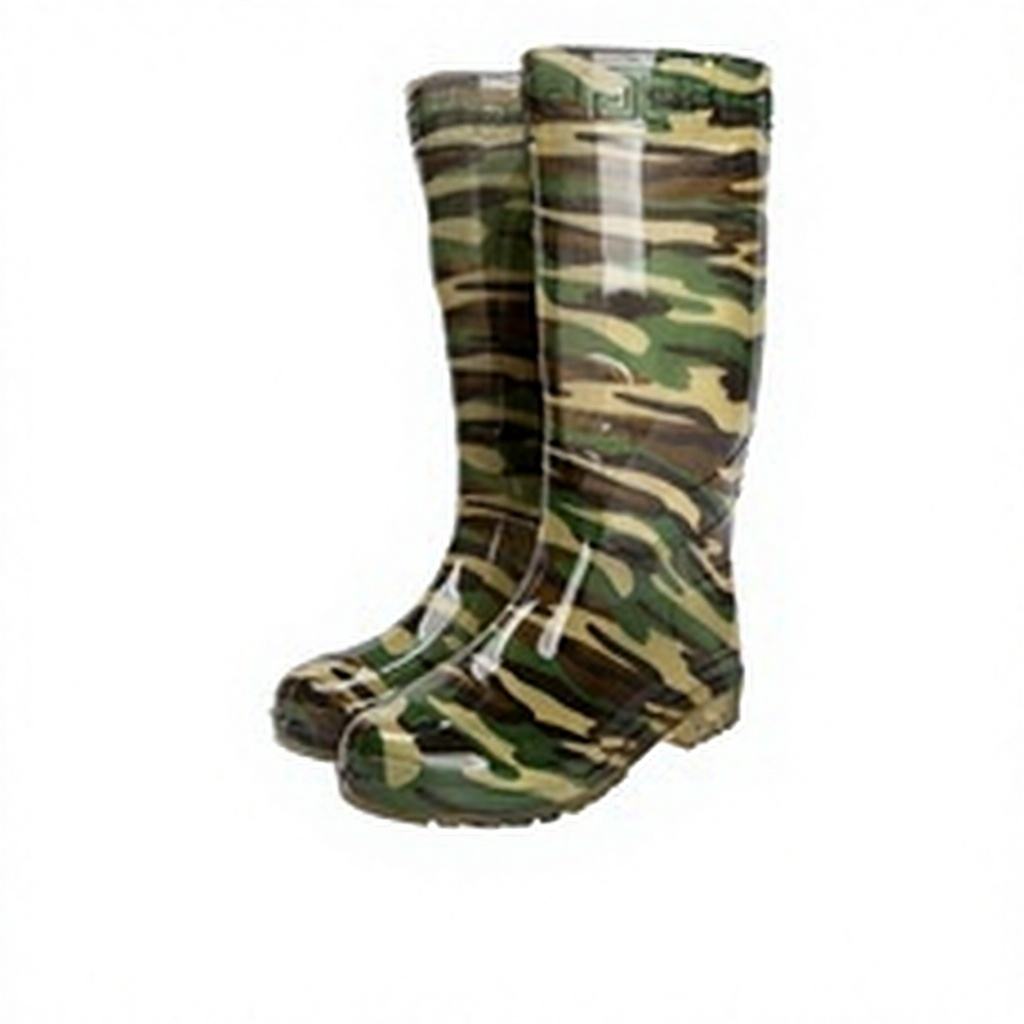
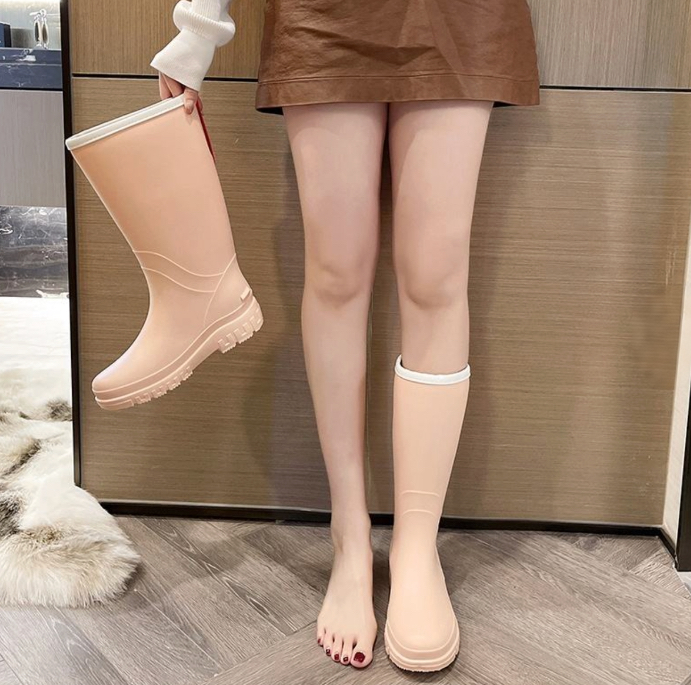
Women's fashion boots rely on material science and manufacturing processes to balance style and functionality. Common materials include PVC, natural rubber, and EVA, each with distinct properties: PVC offers durability and water resistance, natural rubber provides flexibility in cold temperatures, and EVA reduces overall boot weight. Key manufacturing techniques are injection molding, which creates seamless, leak-proof structures, and vulcanization, which bonds rubber compounds for improved strength. Shaft height is engineered to fit calf measurements, with thicker midsole layers for cushioning on hard surfaces. Professional Rain Boot Manufacturer uses standardized compound formulations to ensure consistent material performance across production runs.
Seam structure is a critical design element; heat-welded seams prevent water entry better than glued seams, while fabric linings are chosen for breathability to reduce foot sweating. Outsole patterns are designed to match intended use: deep lugs for rugged outdoor terrain and flat, slim profiles for urban commutes. Thickness control is balanced to avoid excess weight, with top layers prioritizing style and inner layers focusing on functional performance.
3. Practical Solutions and Operation Steps
To select and use women's fashion boots effectively, follow these actionable steps. First, define your primary use case: for urban commutes, choose slim-profile boots with slip-resistant outsoles suitable for smooth, wet pavement; for weekend hikes, select boots with deep lugs and reinforced shafts for muddy or uneven ground. Next, verify fit by checking calf circumference and foot width, ensuring space for thick socks without overstuffing. Inspect seams to confirm they are heat-welded, not glued, to prevent water leaks.
- Step 1: Assess your main activity (urban commute, hike, gardening) to match boot design
- Step 2: Measure your foot and calf dimensions, and check sizing charts for brand-specific fit
- Step 3: Test slip resistance by gently pressing the outsole on a wet, smooth surface; sufficient grip should prevent sliding
- Step 4: For cold-weather use, select boots with natural rubber compounds rated for temperatures below 0°C (32°F), as PVC can become brittle in cold conditions
- Step 5: Avoid using fashion boots for industrial work unless they meet occupational safety standards
When using boots, wear moisture-wicking socks to reduce blisters, and avoid wearing them in standing water deeper than the boot's shaft height, as this can lead to water seepage through top openings.
4. Daily Maintenance and Precautions
Proper maintenance extends the life of women's fashion boots. After each use, clean the outer surface with mild soap and warm water, avoiding harsh chemicals like bleach or solvents that can degrade material. Dry boots at room temperature, away from direct sunlight or space heaters, as high heat can cause rubber to crack and PVC to warp. For linings, use a soft brush to remove dirt and moisture, and air them out thoroughly to prevent odors.
Key precautions include: do not store boots in a tightly closed container, as trapped moisture leads to mold growth; do not use fashion boots as replacement for occupational safety boots unless they carry relevant certifications; avoid contact with oil-based products, which can dissolve rubber or PVC compounds; and inspect outsoles regularly for wear, replacing boots when tread depth is significantly reduced.
5. Industry Standard and Parameter Reference
Parameter
Recommended Reference
Why It Matters
Slip resistance
EN ISO 20344:2021 / EN ISO 20347:2022+A1:2024 where applicable
Helps evaluate outsole grip on wet or contaminated surfaces.
Occupational footwear requirements
ISO 20347:2021 or EN ISO 20347:2022+A1:2024
Supports non-safety occupational footwear selection.
Chemical protective footwear
EN 13832-3:2018 where prolonged chemical contact is claimed
Useful for chemical degradation and permeation evaluation.
Cold temperature performance
ISO 20344:2021 test method for low-temperature flexibility
Determines material resistance to cracking in cold conditions.
No exact performance numbers are fabricated; parameters here reference standard testing categories as defined by international regulatory bodies. For example, EN ISO 20347:2022+A1:2024 sets the benchmark for slip resistance in non-safety occupational footwear, a relevant standard for many women's fashion boots used in urban and light outdoor settings.
6. Customer Common FAQ
Q: Are women's fashion boots waterproof for hiking?
A: It depends on the boot's construction. Boots with heat-welded seamless seams and rubber compounds designed for outdoor use are suitable for light hikes in muddy or damp terrain. For strenuous hikes with stream crossings, look for boots that meet low-temperature flexibility standards (ISO 20344:2021) to ensure durability in wet conditions.
Q: How do I clean my fashion boots without damaging the material?
A: Use mild dish soap and warm water, applied with a soft cloth or brush. Rinse thoroughly and air dry at room temperature, avoiding direct sunlight or heat sources. Do not use solvent-based cleaners, as these can break down PVC or rubber compounds. Professional Rain Boot Manufacturer recommends gentle cleaning to preserve material integrity.
Q: Can I wear fashion boots for work in wet office environments?
A: Yes, as long as they meet slip resistance standards like EN ISO 20347:2022+A1:2024, which is relevant for non-safety occupational footwear. Choose slim-profile styles that are professional-looking for office settings, with outsoles that provide grip on polished, wet floors.
Q: Why do my fashion boots develop cracks in cold weather?
A: Cracks often occur when boots are made with PVC instead of natural rubber, which is more flexible in cold temperatures. PVC becomes brittle below 0°C (32°F), so select natural rubber fashion boots for cold-climate use to prevent cracking.
Conclusion
Women's fashion boots balance style and functionality for urban commutes and outdoor adventures, addressing common issues like water seepage, slip resistance, and durability. By selecting boots matched to use cases, verifying material performance against international standards, and following proper maintenance, users can extend boot lifespan and performance. Professional Rain Boot Manufacturer provides standardized production guidance to ensure consistent, reliable women's fashion boots for diverse activities.
References
- International Organization for Standardization. ISO 20344:2021, Footwear - Test Methods for General and Special Footwear. 2021.
- European Committee for Standardization. EN ISO 20347:2022+A1:2024, Occupational Footwear. 2024.
- European Committee for Standardization. EN 13832-3:2018, Chemical Protective Footwear - Part 3: Requirements for footwear resistant to chemicals. 2018.