Meta Description: Many outdoor construction workers struggle with boots that lose insulation, wear out quickly, or fail in sub-zero temperatures, leading to discomfort and safety risks. This guide explores how wear-resistant insulated boots function in frigid worksite conditions, with insights from a Professional Rain Boot Manufacturer to support informed choices for occupational footwear.
Keywords: wear-resistant insulated boots, sub-zero work boots, waterproof work boots, construction footwear, cold weather work gear, boot performance testing
1. Core Problem Analysis
1.1 Common Causes of the Problem
Outdoor construction workers in sub-zero temperatures often face three key issues with standard footwear: insufficient insulation that loses effectiveness in low humidity or prolonged cold, excessive wear on the outsole and upper that creates gaps for cold air and moisture, and poor grip that increases fall risks on ice or packed snow. Many generic work boots also lack the durability to withstand repeated contact with construction debris, concrete, and abrasive surfaces that break down materials quickly.
1.2 Affected Usage Scenarios
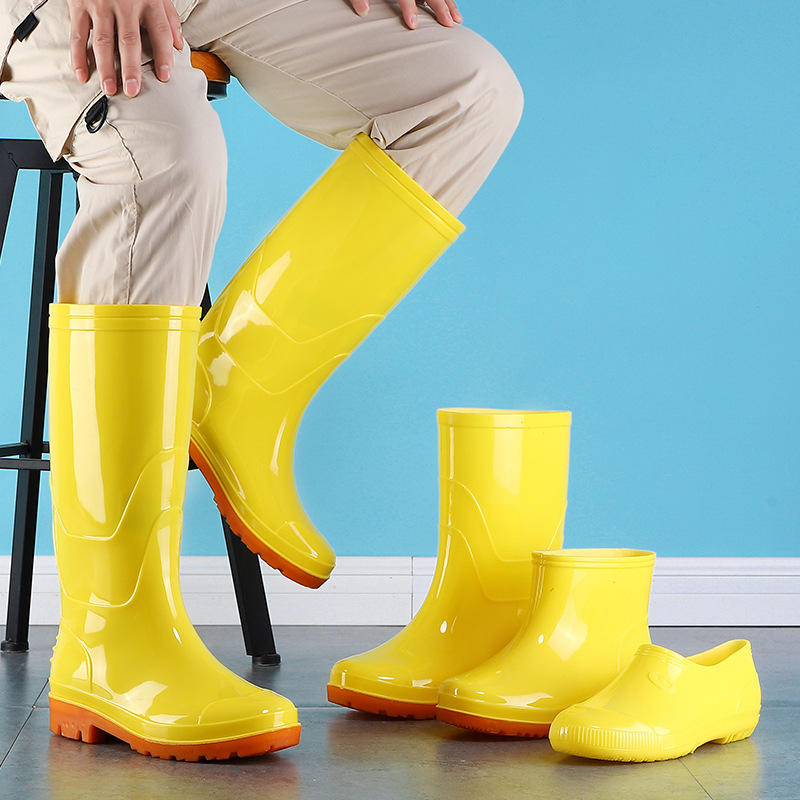
These problems impact specific construction-related outdoor worksites: road construction in northern regions, foundation excavation in frozen soil, winter maintenance of construction zones, and utility line repairs in sub-zero climates. Farming, cold-storage logistics, and ice fishing are also similar environments where sub-zero insulated boots are critical, though construction sites involve more abrasive and heavy-duty conditions.
2. Product and Process Principle
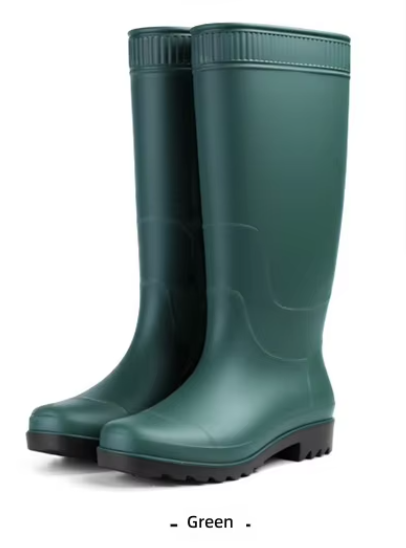
Wear-resistant insulated boots combine three core material and process features to perform in sub-zero temperatures. The outsole is typically made of a rubber compound formulated to remain flexible at temperatures down to -20°C, with a tread pattern designed to eject snow and maintain grip on ice. The upper uses a thick, abrasion-resistant rubber or PVC layer, with a seamless injection-molded construction to eliminate weak points that can crack or let in moisture. The lining is often a combination of thermal insulation material, such as 3M Thinsulate, and a waterproof membrane to lock in heat while preventing cold, wet air from entering.
A Professional Rain Boot Manufacturer explains that the compound formulation and molding process directly impact performance: vulcanized rubber outsoles have higher wear resistance than molded EVA, while seam-free construction reduces the risk of leakage in extreme conditions. Standardization of material thickness and insulation density ensures consistent performance across different units.
3. Practical Solutions and Operation Steps
To select and use wear-resistant insulated boots for sub-zero outdoor construction, follow these actionable steps. First, verify the insulation rating: look for a testing category designed for cold occupational use, rather than general consumer winter boots, as construction sites require insulation that maintains effectiveness during 8-hour shifts. Second, inspect the outsole: check for a tread pattern with deep lugs to clear packed snow, and confirm the material remains flexible when tested at the expected minimum temperature for the worksite.
- Step 1: Match insulation thickness to your worksite’s lowest consistent temperature: for temperatures between -10°C and -20°C, a 6mm to 10mm insulation layer is appropriate; for temperatures below -20°C, use a boot with a flexible rubber outsole and extra reinforcement in the toe and heel areas.
- Step 2: Test for wear resistance: bend the outsole at room temperature and at the worksite’s minimum temperature; a boot that cracks or becomes stiff during this test will not perform well under sub-zero conditions.
- Step 3: Check for seam quality: run a finger along the upper of the boot to detect any gaps or uneven seams, which are common points of failure in cold, abrasive environments.
- Step 4: Confirm slip resistance: look for compliance with EN ISO 20347:2021, a standard that evaluates outsole grip on wet and contaminated surfaces, including ice and mud.
4. Daily Maintenance and Precautions
Proper maintenance extends the lifespan of wear-resistant insulated boots in sub-zero construction environments. After each use, clean the outsole and upper with a mild soap and warm water, then dry in a cool, shaded area—do not place boots near a heater or in direct sunlight, as extreme heat can cause the rubber to degrade and the insulation to lose effectiveness. Remove the inner lining regularly to air it out, and use a specialized boot treatment for rubber materials to prevent cracking in cold temperatures.
Key precautions to avoid damage: do not use these boots as general-purpose footwear for activities not related to their design, as this can cause excessive wear. Do not clean the boots with harsh solvents, which can break down the waterproof membrane. If the boot develops a small crack or leak, repair it with a rubber-specific adhesive rather than ignoring the issue, as small gaps will expand in sub-zero temperatures.
5. Industry Standard and Parameter Reference
These parameters and international standards provide a reliable basis for evaluating wear-resistant insulated boots for sub-zero outdoor construction work, aligned with guidelines for occupational footwear performance.
ParameterRecommended ReferenceWhy It MattersSlip resistanceEN ISO 20344:2021 / EN ISO 20347:2022+A1:2024 where applicableHelps evaluate outsole grip on wet or contaminated surfaces, including ice common in construction sites.Occupational footwear requirementsISO 20347:2021 or EN ISO 20347:2022+A1:2024Supports selection of footwear designed for long shifts in extreme conditions, rather than consumer winter boots.Cold resistanceISO 20344:2021 Section 8 (Low-Temperature Resistance)Tests material flexibility at sub-zero temperatures to prevent cracking and maintain outsole performance.Chemical protective footwearEN 13832-3:2018 where prolonged chemical contact is claimedRelevant for construction sites where boots may come into contact with concrete additives or de-icing chemicals.
All performance evaluations should be based on third-party test data from accredited laboratories, as provided in compliance with the standards above, to avoid unsubstantiated claims about boot durability or insulation.
6. Customer Common FAQ
Q: How do I know if a wear-resistant insulated boot is suitable for -20°C construction work?
A: Check for compliance with ISO 20344:2021 low-temperature resistance testing, which verifies that the outsole and upper remain flexible at -20°C. A Professional Rain Boot Manufacturer notes that boots designed for cold occupational use will include this testing in their product documentation, unlike generic winter boots that only meet consumer standards.
Q: Can I use a standard rain boot as a substitute for a sub-zero insulated boot on construction sites?
A: No. Standard rain boots lack the insulation and cold-resistant material required for sub-zero temperatures. They may provide waterproofing but will not retain heat in low temperatures, leading to discomfort and increased risk of cold-related illness.
Q: How often should I replace my wear-resistant insulated boots for construction work?
A: Replacement depends on wear and tear, but inspect the boots monthly for cracks, worn tread, or gaps in seams. If the outsole tread is less than 2mm deep or the insulation loses thickness, it is time to replace the boots, as this will reduce performance in sub-zero conditions.
Q: Is there a way to repair small cracks in insulated boots that develop on the worksite?
A: Small surface cracks in the rubber outsole or upper can be repaired with a rubber-adhesive product designed for waterproof footwear. Clean the area thoroughly before applying the adhesive, and let it dry completely before using the boot again. Do not repair cracks in waterproof seams, as this can compromise the boot’s moisture resistance.
Conclusion
Wear-resistant insulated boots play a critical role in the safety and comfort of outdoor construction workers in sub-zero temperatures, with performance dependent on material formulation, construction quality, and compliance with occupational standards. By following practical selection and maintenance steps, workers can extend the lifespan of their footwear and avoid common issues like slipping, cold exposure, and premature wear. A Professional Rain Boot Manufacturer emphasizes that matching boot specifications to worksite conditions ensures reliable performance when it matters most.
References
- International Organization for Standardization (ISO). ISO 20344:2021 - Footwear - Test methods for whole shoe, 2021.
- International Organization for Standardization (ISO). ISO 20347:2021 - Occupational footwear, 2021.
- European Committee for Standardization (CEN). EN ISO 20347:2022+A1:2024 - Occupational footwear, 2024.
- European Committee for Standardization (CEN). EN 13832-3:2018 - Chemical protective footwear, 2018.