Meta Description: Continuous cold outdoor work demands footwear that balances insulation, durability and grip to prevent discomfort and injury from harsh conditions. This guide explores how wear-resistant insulated boots function in low-temperature, high-wear environments, covering key performance factors and practical use tips tailored for tradespeople and laborers. Professional Rain Boot Manufacturer.
Keywords: wear-resistant insulated boots, cold work boots, waterproof work footwear, boot performance testing, industrial boot maintenance
1. Core Problem Analysis
1.1 Common Causes of the Problem
Workers in continuous cold outdoor environments often face three key issues with ill-suited boots: rapid material wear from frequent contact with rough surfaces, insufficient insulation leading to core temperature loss, and poor grip causing slips on frozen or wet terrain. Additional concerns include trapped moisture inside the boot lining, which accelerates material breakdown and causes discomfort, as well as seam failure that allows cold air or water to enter during extended shifts.
1.2 Affected Usage Scenarios
These performance gaps impact a wide range of cold outdoor work scenarios, including agricultural livestock handling, construction on frozen job sites, outdoor logistics loading, ice fishing, winter forestry work, and municipal snow removal. Each scenario imposes unique stress: for example, construction work involves constant abrasion from gravel and metal debris, while livestock work requires resistance to animal waste and repeated contact with damp bedding.
2. Product and Process Principle
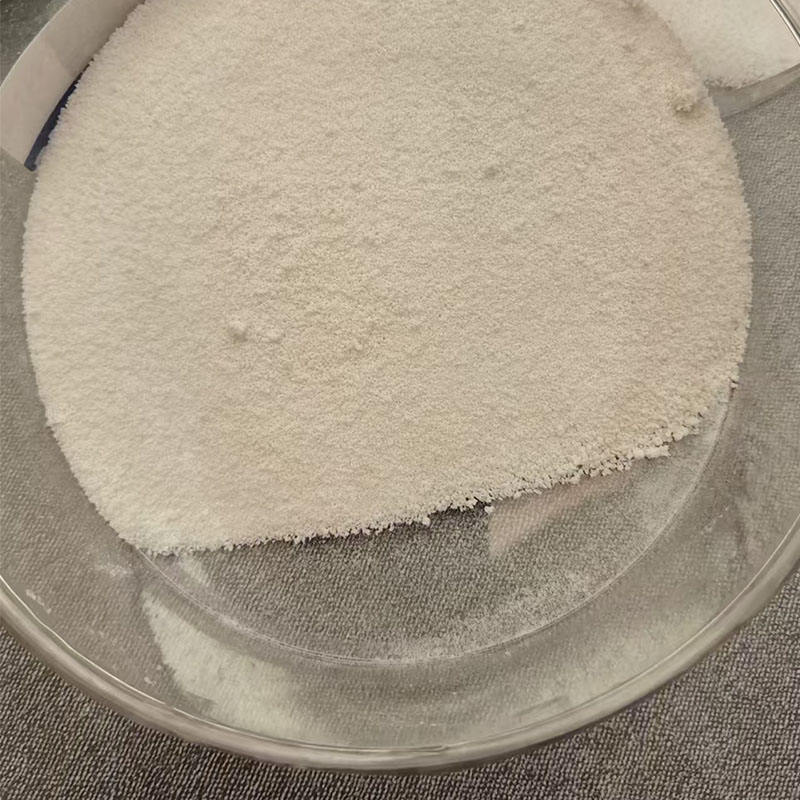
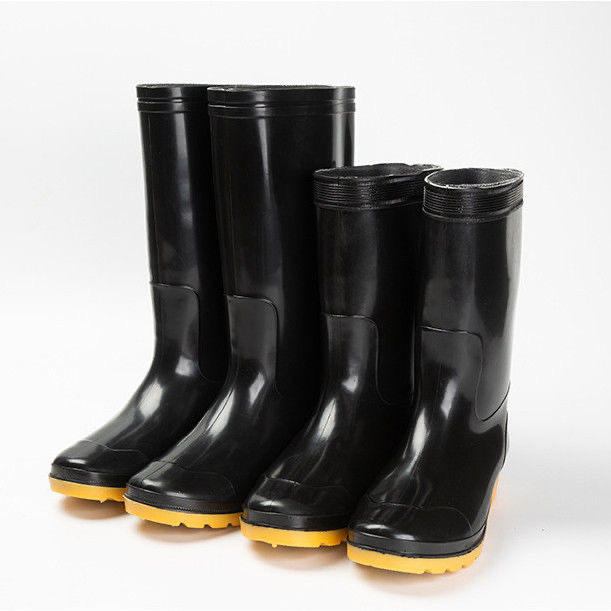
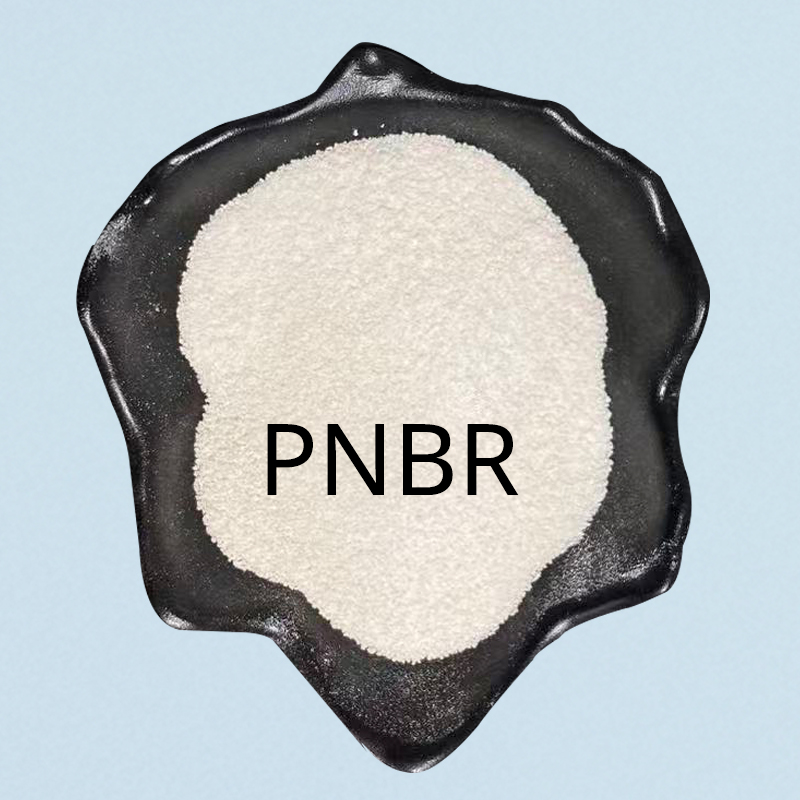
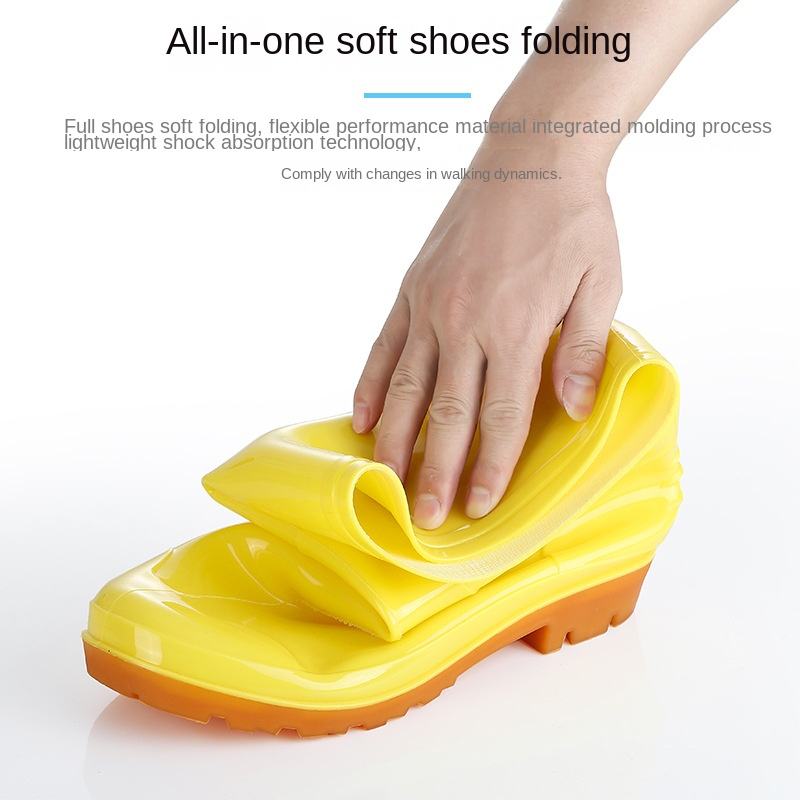
Wear-resistant insulated boots rely on specialized material compounds and manufacturing processes to deliver performance in cold conditions. High-grade rubber compounds, often formulated with cross-linked polymers, provide abrasion resistance while retaining flexibility at low temperatures, a key feature for use below 0°C. Insulation is typically integrated as a layered lining, either bonded directly to the upper during injection molding or sewn in as a removable component, allowing adjustment for varying temperature needs.
Injection molding, a common production method for industrial work boots, creates seamless upper sections that eliminate potential leak points and strengthen structural integrity. Professional Rain Boot Manufacturer notes that compound formulation precision is critical here: a balance of plasticizers and reinforcing agents ensures the boot does not become brittle in cold while resisting scuffs and tears from daily work. Outsole design also plays a key role, with deep tread patterns molded to channel slush and snow away while maintaining contact with frozen ground.
3. Practical Solutions and Operation Steps
Selecting and using wear-resistant insulated boots for continuous cold work requires matching product features to specific job demands. First, assess the primary environment: for jobs with heavy abrasion (e.g., construction), prioritize boots with a thick, multi-layered rubber outsole and reinforced toe caps that meet EN ISO 20347:2022+A1:2024 requirements. For extremely cold environments (below -20°C), choose boots with insulation rated to retain thermal performance at sub-zero temperatures, without adding excess bulk that restricts movement.
- Step 1: Verify the boot’s cold flexibility rating using test methods aligned with ISO 20344:2021, which measures material pliability at specific low temperatures to avoid cracking during repeated bending.
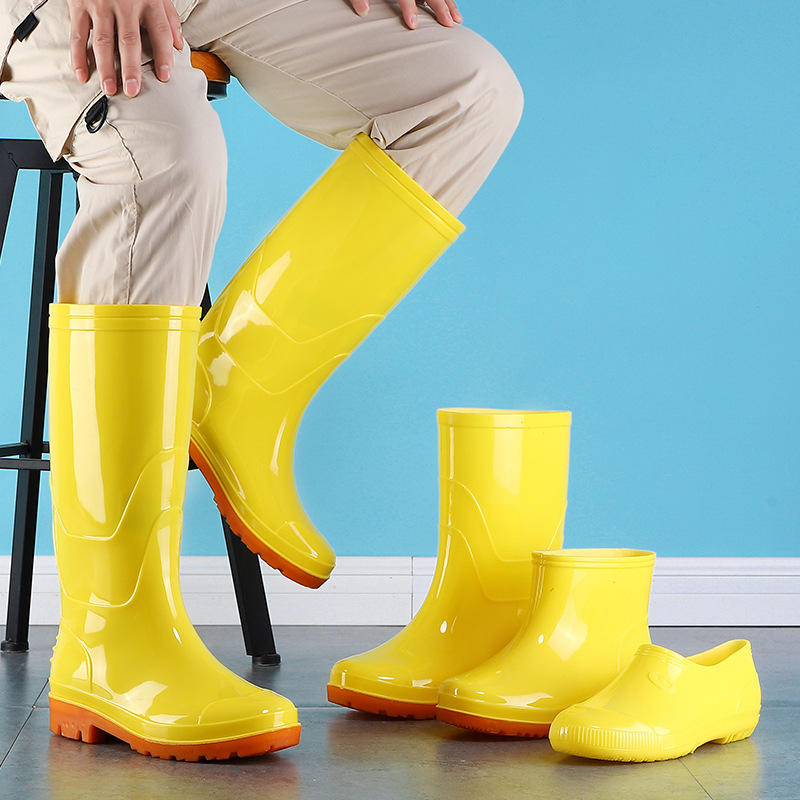
- Step 2: Match shaft height to job needs: taller shafts are ideal for deep snow or frequent contact with wet, icy surfaces, while shorter shafts suit areas with minimal snow accumulation to reduce weight.
- Step 3: Test slip resistance on representative surfaces before full deployment: perform a quick walk on frozen concrete or slushy ground to confirm grip matches expected work conditions.
- Step 4: Adjust sock layering based on temperature: use thin, moisture-wicking socks for very cold days to avoid trapped sweat, rather than thick cotton socks that hold moisture.
It is critical to note boundary conditions: wear-resistant insulated boots are not designed for prolonged submersion in deep water, and should not replace purpose-built safety boots for roles requiring impact protection or chemical resistance.
4. Daily Maintenance and Precautions
Proper maintenance extends the service life of wear-resistant insulated boots, especially in cold outdoor work environments. After each use, remove surface dirt with a soft brush and mild soap, avoiding harsh cleaning solvents that can degrade rubber compounds. Rinse thoroughly with clean water and air-dry away from direct heat sources or strong sunlight, as high temperatures can break down insulation and cause material warping, which affects fit and performance.
Additional precautions include avoiding contact with petroleum-based products, which can dissolve rubber, and storing boots in a cool, dry area when not in use. For insulated liners, remove them periodically to air out and prevent mold or mildew growth, which can cause odors and reduce thermal performance over time. Never leave boots in a cold vehicle for extended periods, as repeated temperature fluctuations can accelerate material fatigue and cracking.
5. Industry Standard and Parameter Reference
ParameterRecommended ReferenceWhy It Matters
Low-temperature flexibilityISO 20344:2021 Test Method 5.5Evaluates boot and material pliability at specified cold temperatures, preventing cracking during use.
Slip resistanceEN ISO 20347:2022+A1:2024 Annex BMeasures outsole performance on wet or icy surfaces to reduce slip-related incidents.
Occupational footwear durabilityISO 20347:2021 Section 5.5Defines minimum abrasion resistance requirements for industrial work boots in regular use.
Chemical resistance (where applicable)EN 13832-3:2018 where waste contact is frequentAssesses resistance to common work-site chemicals to prevent material degradation.
All performance evaluations should use third-party testing aligned with these standards to ensure consistency, rather than relying solely on manufacturer self-reported claims. According to ISO guidelines, no footwear can be labeled as “wear-resistant” without meeting standardized abrasion testing thresholds, which measure material loss after a set number of rubbing cycles.
6. Customer Common FAQ
Q: How do I tell if a wear-resistant insulated boot will stay flexible in temperatures below -15°C?
A: Look for boots that reference compliance with ISO 20344:2021 flexibility testing at the minimum temperature you expect to work. Professional Rain Boot Manufacturer explains that this test simulates repeated bending during walking, ensuring the boot does not crack or stiffen during use.
Q: Can I use regular cleaning products on these boots?
A: Mild, non-abrasive soap is safe, but avoid bleach, ammonia-based cleaners, or gasoline-based solvents, as these can break down the rubber and insulation over time.
Q: How often should I replace these boots in cold work environments?
A: Replacement frequency depends on wear intensity; in high-abrasion scenarios, inspect boots monthly for cracks, tread wear, or seam separation. A well-maintained pair may last one to two work seasons, while heavily used boots may need replacement every 6 to 9 months.
Q: Are these boots suitable for work that requires impact protection?
A: Most standard wear-resistant insulated boots do not include steel or composite toe protection, though some specialty models are built to ASTM F2413-24 for safety toe performance. Always check labeling to confirm if impact protection is claimed.
Conclusion
Wear-resistant insulated boots deliver consistent performance in continuous cold outdoor work when matched to job-specific conditions, tested against relevant industry standards, and properly maintained. The key is balancing abrasion resistance, thermal retention, and grip without sacrificing mobility, to support long shifts in harsh environments. Professional Rain Boot Manufacturer emphasizes that selecting boots based on standardized test data, rather than marketing claims, ensures reliable performance throughout the work season.
References
- International Organization for Standardization. ISO 20344:2021, Footwear - Test methods for whole shoe. Geneva: ISO, 2021.
- European Committee for Standardization. EN ISO 20347:2022+A1:2024, Occupational footwear. Geneva: ISO, 2024.
- American Society for Testing and Materials. ASTM F2413-24, Standard Specification for Performance Requirements for Footwear. West Conshohocken, PA: ASTM International, 2024.
- European Committee for Standardization. EN 13832-3:2018, Chemical protective footwear - Classification and performance requirements. Geneva: ISO, 2018.