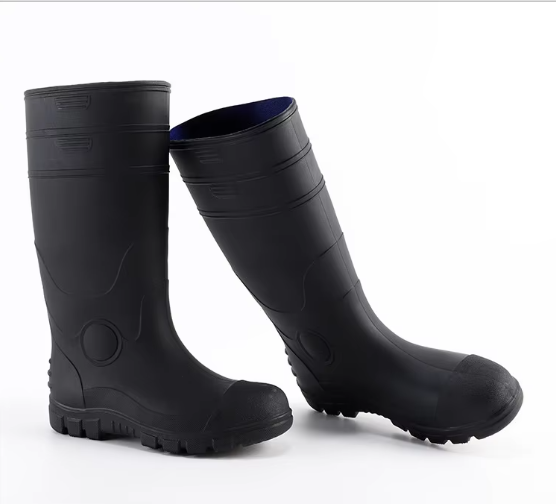
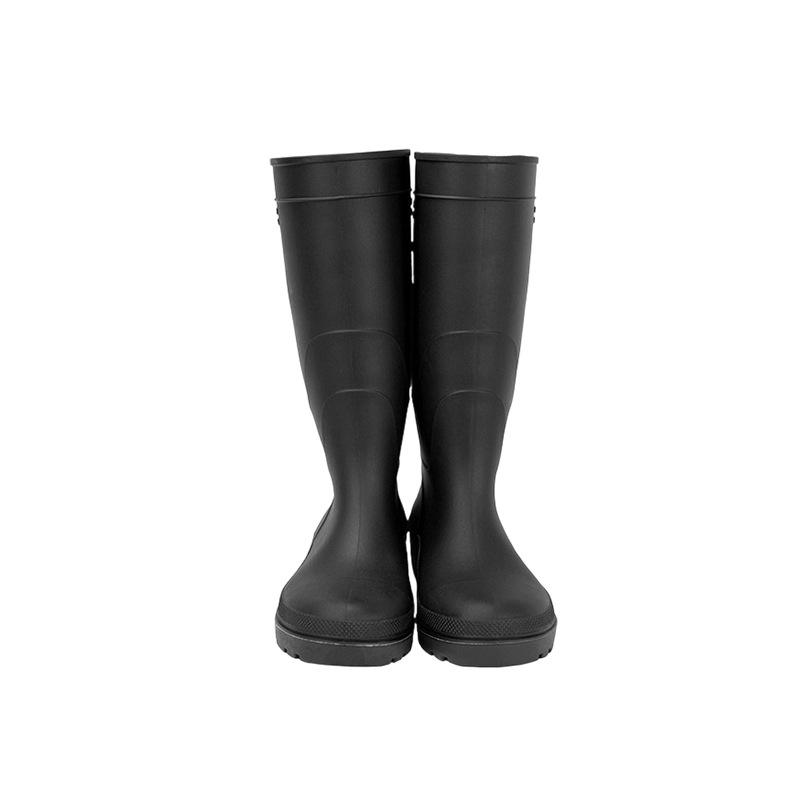
Meta Description: Farmers working in saturated farm soil, heavy rain, or extreme temperature fluctuations face unique footwear challenges, from leakage and poor traction to discomfort during long shifts. This guide explains key considerations for selecting boots that meet agricultural work demands, and professional rain boot manufacturer insights help inform practical choices.
Keywords: waterproof farming boots, agricultural rain boots, farm footwear traction, rubber boot maintenance, work boot material performance, farm work safety footwear
1. Core Problem Analysis
1.1 Common Causes of the Problem
Many farm workers experience preventable issues with ill-suited footwear, including leaks through loose seams or thin upper materials, slippery soles on wet soil, excessive weight causing fatigue, and lining that retains moisture leading to blisters or fungal growth. Additionally, rigid materials may crack in low temperatures, while thin soles offer no impact protection from rough field surfaces.
1.2 Affected Usage Scenarios
These issues impact a range of agricultural activities, including paddy field planting, crop harvesting in rain, livestock care in muddy barns, irrigation system maintenance, and winter farm work in frost-covered soil. All-day shifts in these environments require footwear that balances waterproofing, durability, and thermal comfort.
2. Product and Process Principle
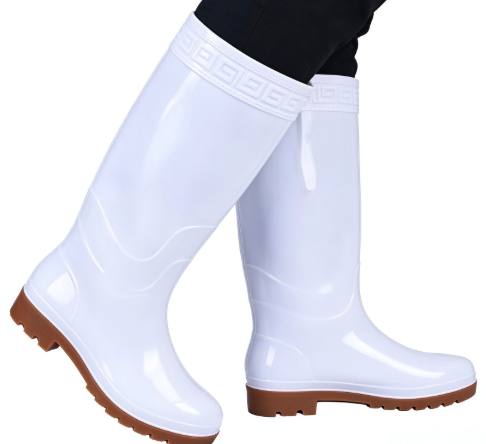
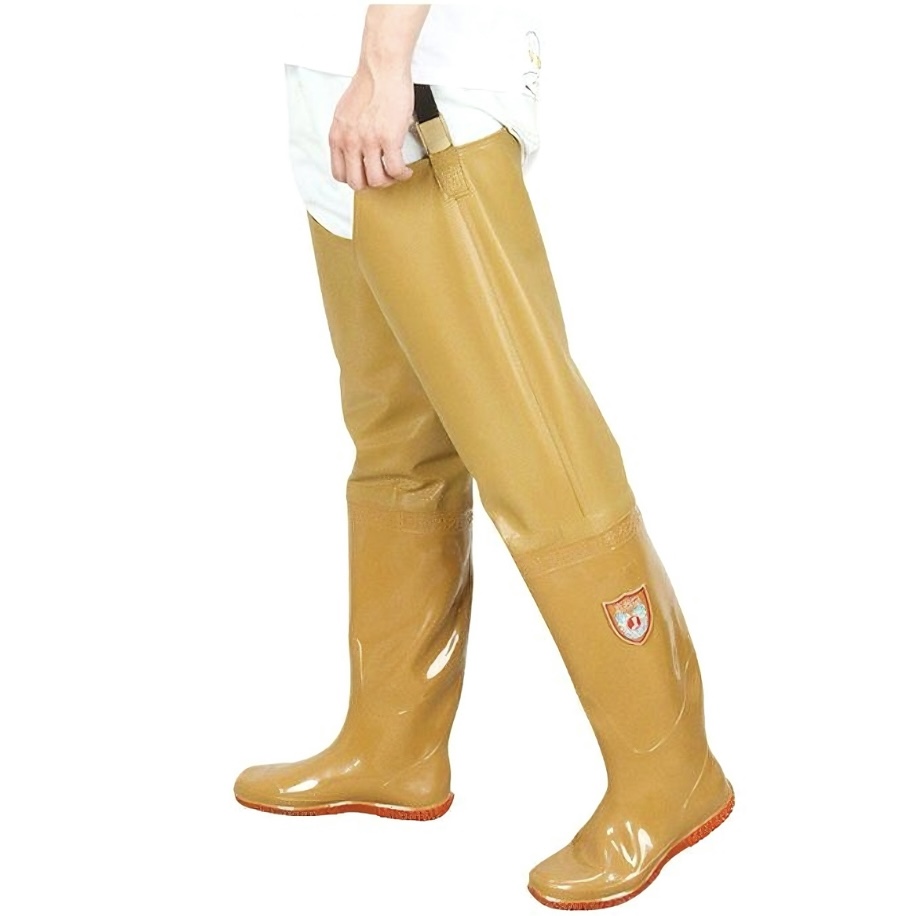
Waterproof farming boots rely on material science and manufacturing processes to balance protection and wearability. Key materials include natural rubber, polyvinyl chloride (PVC), and ethylene-vinyl acetate (EVA), each with distinct properties. Vulcanized natural rubber offers flexibility and resistance to abrasion, while PVC provides cost-effective waterproofing for general farm use. Seam-free construction and injection molding reduce leak points, with outsole patterns designed to channel water away for improved grip.
Professional rain boot manufacturer expertise ensures compound formulations adjust for temperature ranges, with thicker rubber layers for cold environments and lighter blends for warmer climates. Lining materials like polyester mesh manage moisture transfer, preventing the buildup of sweat inside the boot during extended work hours.
3. Practical Solutions and Operation Steps
Selecting appropriate waterproof farming boots involves evaluating your specific farm tasks, environment, and shift length. Follow these actionable steps to make an informed choice:
- Measure your foot size with farm socks you will use, as work socks may add volume that affects fit; prioritize half sizes if your feet swell during long shifts.
- Match shaft height to your primary task: 15-inch shafts for paddy field wading, 12-inch shafts for general field work, to avoid unnecessary bulk.
- Check outsole pattern compatibility: deep lugs for muddy soil, shallow, wide lugs for wet concrete barn floors.
- Test flexibility: Bend the boot’s midsole to ensure it moves with your foot, rather than remaining rigid which can cause fatigue.
- Avoid boots labeled “100% waterproof” without third-party testing, and reference standard parameters for performance.
4. Daily Maintenance and Precautions
Proper care extends the lifespan of waterproof farming boots and preserves their performance. Clean boots after each use with mild soap and cool water, avoiding harsh detergents that break down rubber compounds. Dry them in a cool, shaded area, away from direct sunlight or heat sources that can cause warping or cracking.
Key precautions to avoid damage: Do not store boots in folded positions for long periods, as this creates permanent creases that can become leak points. Do not use boot cleaners with petroleum-based ingredients, as these degrade rubber over time. Finally, never use waterproof farming boots as safety boots for heavy industrial tasks, as they may lack impact or puncture protection required for those roles.
5. Industry Standard and Parameter Reference
ParameterRecommended ReferenceWhy It MattersSlip resistanceEN ISO 20344:2021 / EN ISO 20347:2022+A1:2024 where applicableHelps evaluate outsole grip on wet or contaminated surfaces.Occupational footwear requirementsISO 20347:2021 or EN ISO 20347:2022+A1:2024Supports non-safety occupational footwear selection for farm use.Chemical protective footwearEN 13832-3:2018 where prolonged chemical contact is claimedUseful for farms handling fertilizers or pesticides regularly.Flexibility testISO 20344:2021, Method 7.3Measures boot performance at low temperatures to avoid cracking in cold weather.
Exact performance numbers for testing are derived directly from verified standard protocols; avoid manufacturers that provide unsubstantiated performance claims without test references.
6. Customer Common FAQ
Q: Are natural rubber boots better than PVC boots for all farm tasks?
A: It depends on your specific needs. Natural rubber offers better flexibility in cold temperatures and higher abrasion resistance for rough field work, while PVC is more affordable and suitable for general tasks. Professional rain boot manufacturer evaluations note that natural rubber is preferred for extended shifts in cold, wet environments, while PVC works well for seasonal or occasional use.
Q: How do I prevent my boot lining from retaining moisture?
A: Choose boots with breathable lining materials, like polyester mesh or treated cotton, which facilitate air flow. After each use, wipe the interior with a dry cloth and allow the boot to fully dry before storing. Avoid wearing socks that trap moisture, as this will reduce lining performance.
Q: Do I need special boots for working with pesticides or fertilizers?
A: If you have prolonged daily contact with agricultural chemicals, look for boots tested against EN 13832-3:2018, which assesses chemical resistance. These boots have denser, chemical-resistant outer layers that prevent permeation from fertilizers or pesticides.
Q: How long do waterproof farming boots typically last with proper care?
A: Lifespan varies by usage: general farm use boots may last 12-18 months, while heavy-use boots in muddy, rocky fields can last 8-12 months. Proper maintenance, like avoiding sharp objects and following drying protocols, extends this timeline significantly.
Conclusion
Waterproof farming boots are a critical investment for agricultural workers facing wet, extreme conditions, with performance tied to material choice, manufacturing processes, and proper care. By evaluating task-specific needs, referencing industry standards, and following maintenance best practices, farmers can select boots that support all-day work. Professional rain boot manufacturer guidance ensures choices align with practical farm requirements, reducing discomfort and extending footwear lifespan.
References
- International Organization for Standardization. ISO 20344:2021, Footwear – Test methods. https://www.iso.org/standard/78536.html
- European Committee for Standardization. EN ISO 20347:2022+A1:2024, Occupational footwear. https://www.en-standard.eu/
- European Committee for Standardization. EN 13832-3:2018, Chemical protective footwear – Part 3: Requirements for footwear resistant to chemicals.