Meta Description: Many winter hikers face issues like cold feet, slipping, or leaks in subzero temperatures. This article explores how waterproof boots function in such harsh conditions, covering material limits, performance tests, and usage boundaries. Professional Rain Boot Manufacturer shares practical insights for selecting suitable options.
Keywords: waterproof boots, subzero hiking boots, rubber boot materials, winter footwear performance, boot maintenance, EN ISO 20347, cold resistant footwear
1. Core Problem Analysis
1.1 Common Causes of the Problem
Subzero winter hiking often exposes footwear to extreme cold, frozen moisture, and rough terrain. Key issues include material brittleness, seam separation, outsole grip loss, and trapped moisture from improper breathability. Many users assume standard waterproof boots work in all cold conditions, but material composition and construction directly impact performance.
1.2 Affected Usage Scenarios
These issues impact outdoor hikers, backcountry trekkers, winter campers, and workers operating in frozen or snow-covered terrain. The conditions also apply to those needing reliable foot protection in subzero environments that combine wetness and low temperatures.
.png)
2. Product and Process Principle
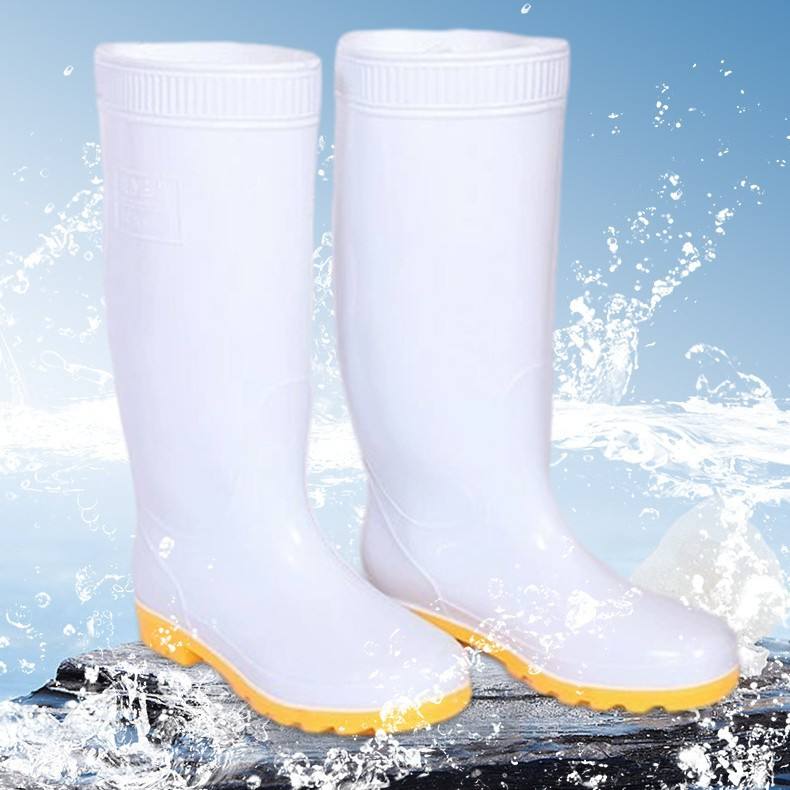
Waterproof boots for subzero use rely on material flexibility, seam sealing, and outsole design to perform. PVC, natural rubber, and EVA are common materials: PVC offers water resistance but can stiffen below -10°C, while natural rubber maintains flexibility down to -20°C or lower. Vulcanization bonds rubber materials for durability, while seam-free injection molding reduces leak points.
Professional Rain Boot Manufacturer explains that compound formulation for cold resistance adds plasticizers to materials, though overuse can reduce abrasion resistance. Outsole patterns with deep lugs provide grip on ice and snow, while lining materials like fleece or felt trap heat without compromising breathability.
3. Practical Solutions and Operation Steps
To select suitable waterproof boots for subzero hiking, follow these structured steps:
- Check material flexibility at low temperatures: Test a boot sample in a freezer at your expected minimum temperature for 4 hours before bending to ensure no cracking.
- Verify seam construction: Look for heat-sealed or reinforced stitched seams with waterproof tape, as standard stitched seams often leak in subzero conditions.
- Match outsole tread to terrain: Choose lugs 5-10mm deep for icy surfaces, with a compound tested for slip resistance per EN ISO 20347:2021.
- Select liner thickness based on activity: For active hiking, use thin breathable liners; for stationary exposure, use thicker insulated liners to avoid overheating.
- Size appropriately: Leave 1cm of extra space for sock layers and foot expansion in cold temperatures.
4. Daily Maintenance and Precautions
Proper maintenance extends the lifespan of waterproof boots in subzero conditions. After each hike, brush off snow and mud immediately to prevent trapped moisture that can freeze and damage material. Clean boots with mild soap and lukewarm water, avoiding strong solvents that break down rubber or PVC compounds.
Store boots in a cool, dry area away from direct sunlight or heat sources, as high temperatures can accelerate material aging. Do not place boots directly on a heater or radiator; instead, use a boot tree to maintain shape and prevent creases that weaken waterproof seals. Never use standard waterproof boots as protective footwear for industrial cold environments, as they may not meet safety standards.
5. Industry Standard and Parameter Reference
ParameterRecommended ReferenceWhy It MattersSlip resistanceEN ISO 20344:2021 / EN ISO 20347:2022+A1:2024 where applicableHelps evaluate outsole grip on wet or frozen surfaces.Occupational footwear requirementsISO 20347:2021 or EN ISO 20347:2022+A1:2024Supports non-safety outdoor footwear selection for cold conditions.Low temperature flexibilityISO 20344:2021 Test Method 7Tests material performance at subzero temperatures to prevent cracking.WaterproofnessISO 20344:2021 Test Method 3Verifies that boots prevent water ingress during prolonged cold exposure.
Standard test results for low temperature flexibility are derived from ISO 20344:2021, which specifies bending methods to measure material brittleness at temperatures from -10°C to -40°C. Slip resistance testing under EN ISO 20347 ensures outsole performance on icy or wet terrain, a critical factor for winter hiking.
6. Customer Common FAQ
Q: Can standard waterproof boots work in subzero winter hiking?
A: It depends on the material and construction. PVC boots may stiffen below -10°C, while natural rubber boots can retain flexibility down to -20°C. Always check low temperature test results before use.
Q: How do I prevent my boots from leaking in frozen conditions?
A: Inspect seams before each use for signs of separation, and apply waterproof repair tape to small gaps. Avoid standing in deep snow for extended periods, as melted snow can seep through minor cracks.
Q: Are insulated waterproof boots necessary for winter hiking?
A: For short hikes with moderate activity, thin insulated liners may suffice. For long, stationary exposure in temperatures below -15°C, thicker insulation is recommended to prevent frostbite.
Q: How do I clean waterproof boots without damaging them?
A: Use a soft brush and mild soap with lukewarm water. Never use bleach, petrol-based cleaners, or high-pressure washing, as these can degrade waterproof materials.
Professional Rain Boot Manufacturer notes that proper care and adherence to test standards reduce the risk of performance failure in subzero environments.
Conclusion
Waterproof boots perform differently in subzero winter hiking based on material, construction, and adherence to industry standards. Key factors like low temperature flexibility, seam sealing, and outsole design determine suitability for frozen terrain. By following maintenance steps and verifying standard test results, users can select boots that meet their subzero hiking needs. Professional Rain Boot Manufacturer provides standardized insights to support informed product choices for outdoor use.
References
- International Organization for Standardization. ISO 20344:2021: Footwear - Test Methods for General Requirements. Geneva: ISO, 2021.
- European Committee for Standardization. EN ISO 20347:2022+A1:2024: Occupational Footwear. Brussels: CEN, 2024.
- International Organization for Standardization. ISO 20347:2021: Occupational Footwear - Safety, Performance and Test Methods. Geneva: ISO, 2021.