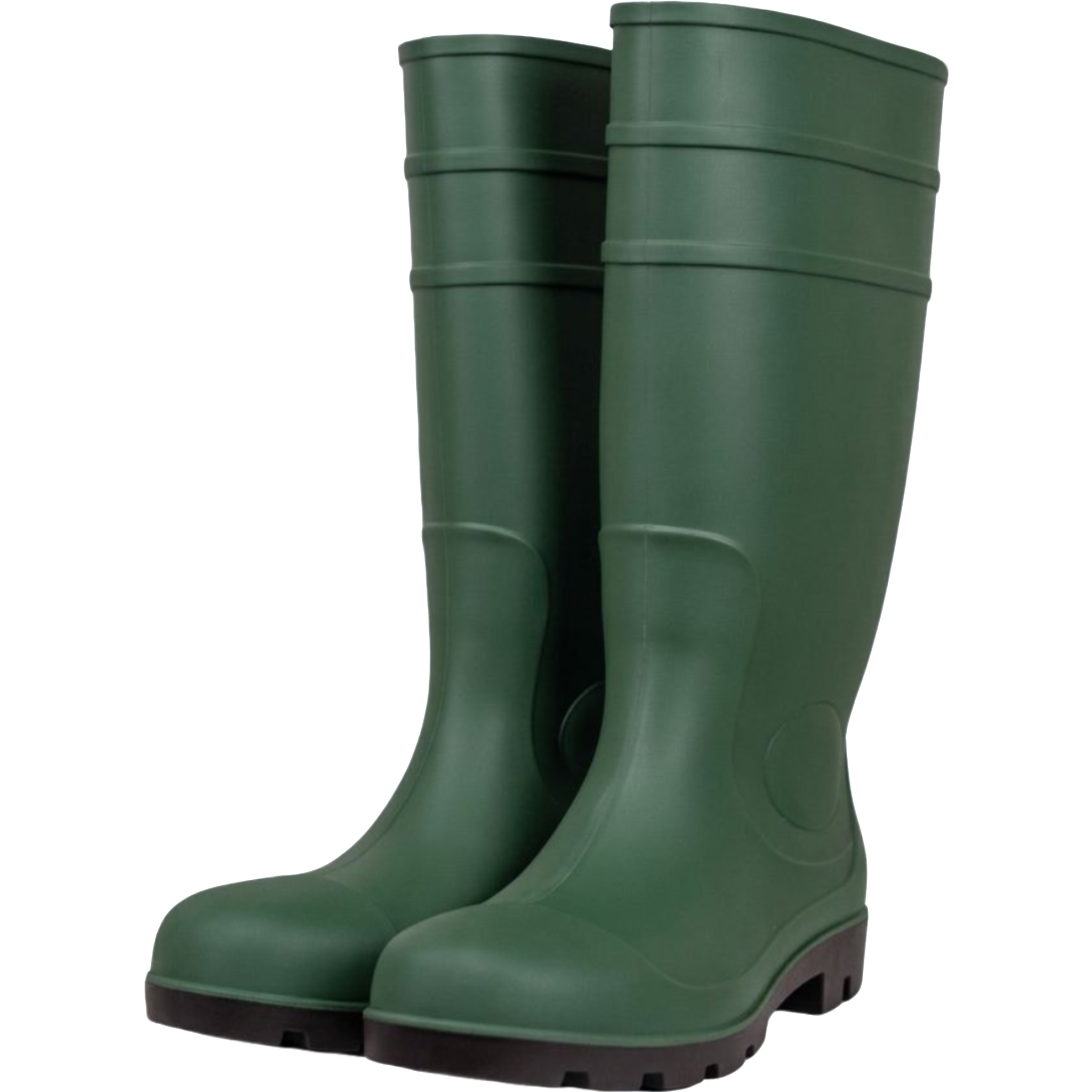
Meta Description: Outdoor enthusiasts often face risks of slips and falls on slippery freshwater and saltwater surfaces during activities like fishing, kayaking, or coastal hiking. This guide explains the mechanisms behind water shoe traction, helping users select appropriate footwear and avoid common safety hazards. Professional Rain Boot Manufacturer delivers evidence-based insights tailored for outdoor work and recreation.
Keywords: water shoes, wet surface traction, freshwater footwear, saltwater-resistant boots, outdoor work footwear, slip-resistant shoes
1. Core Problem Analysis
1.1 Common Causes of the Problem
Slips on wet aquatic surfaces typically stem from three key factors: outsole tread design that fails to evacuate water quickly, improper material compatibility with freshwater or saltwater corrosion, and insufficient contact area between the shoe and uneven wet terrain. For users, these issues often result in lost balance, minor injuries, or disrupted work or recreational activities. Many fail to recognize that standard rain shoes are not engineered for consistent grip on constantly moving water surfaces, unlike specialized water footwear.
1.2 Affected Usage Scenarios
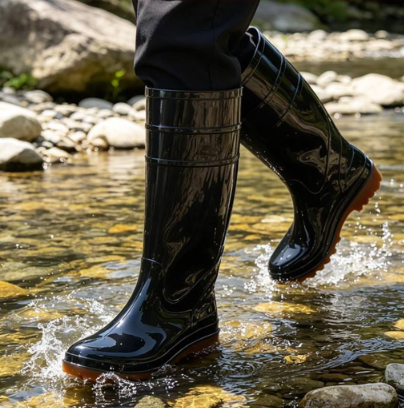
This traction-related problem impacts a range of freshwater and saltwater activities, including commercial fishing operations, coastal construction maintenance, recreational kayaking and paddleboarding, freshwater lake hiking, marine debris cleanup, and aquaculture work. Agricultural tasks near flooded fields or irrigation channels, as well as warehousing work with frequent contact with wet flooring, also experience similar slip risks when using unsuitable footwear.
2. Product and Process Principle
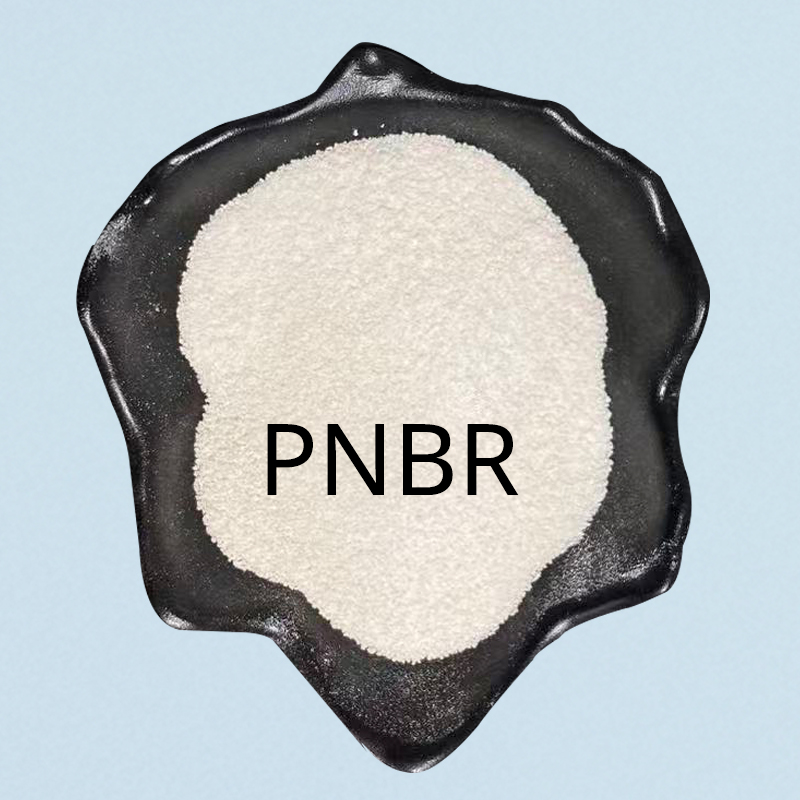
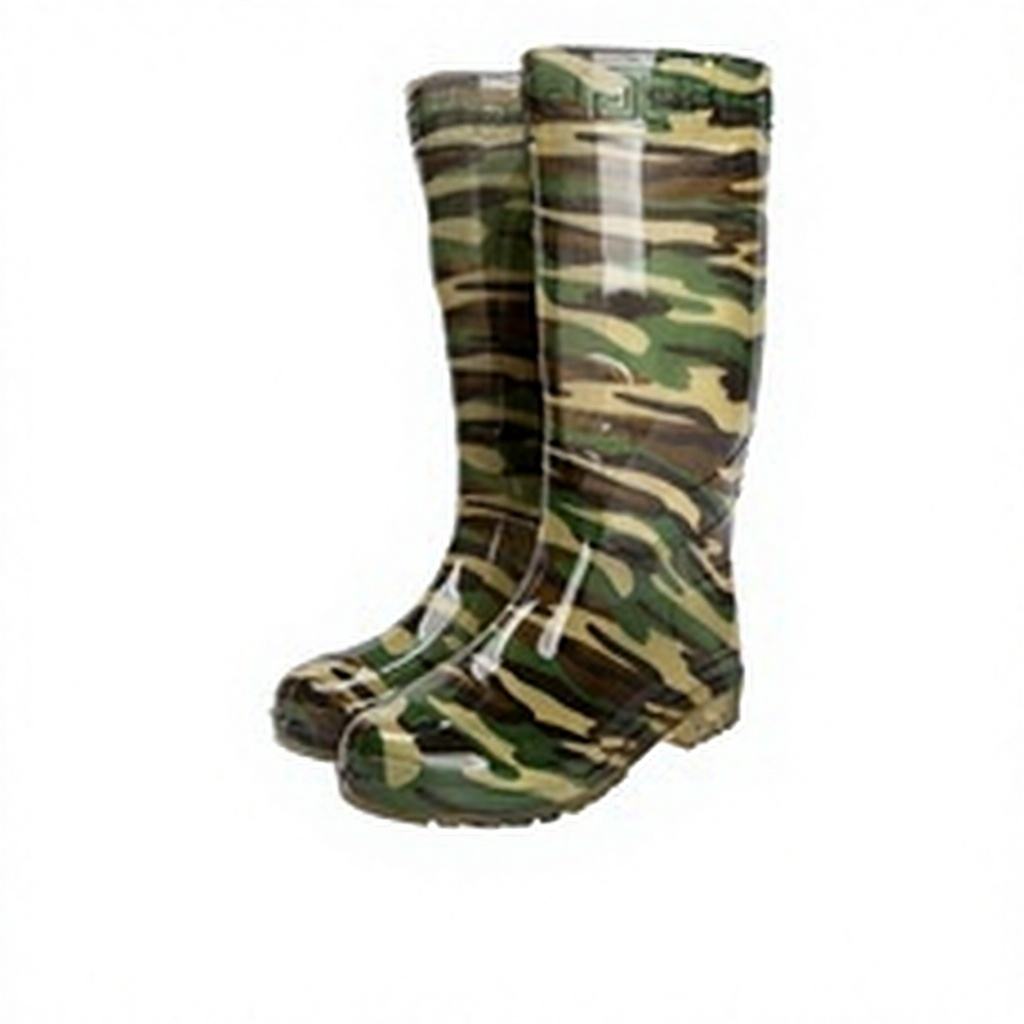
Traction on slippery aquatic surfaces depends on two core technical elements: outsole compound formulation and tread pattern engineering. Water shoes and specialized waterproof boots use materials like nitrile rubber, PVC, or EVA, each with different coefficient of friction (COF) properties when wet. For example, nitrile rubber maintains higher COF in saltwater environments due to its resistance to brine-induced degradation, according to ISO 20344:2021 testing standards[1].
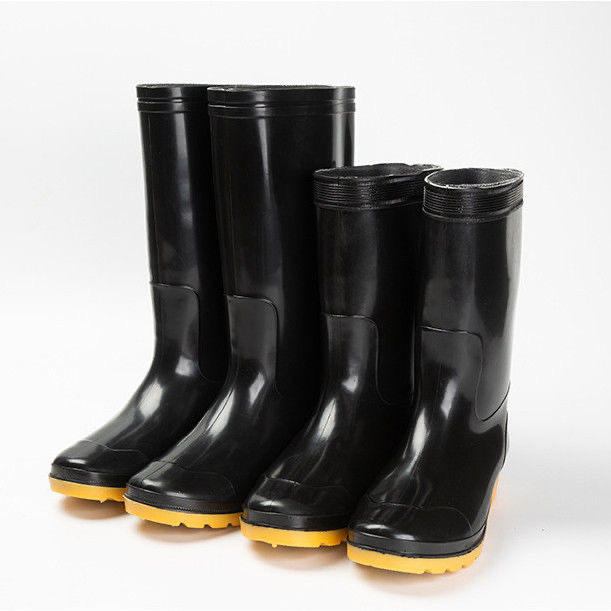
The production process, including injection molding and vulcanization, ensures treads are integrated seamlessly without gaps that trap water. Professional Rain Boot Manufacturer notes that tread patterns for aquatic footwear feature deep, wide grooves to channel water away from the contact patch, rather than the narrow, dense grooves used for dry pavement traction. This design reduces the water layer between the shoe and the surface, improving grip.
Additionally, shaft height and lining material play secondary roles: a higher shaft prevents water from entering during deep wading, while quick-dry linings reduce internal moisture buildup that can cause foot slippage inside the shoe. Saltwater-specific models include corrosion-resistant metal components to avoid tread fastener degradation over time.
3. Practical Solutions and Operation Steps
Choosing water shoes with optimal traction requires following structured steps aligned with use case and surface type. First, match the footwear to the primary environment: freshwater-focused water shoes prioritize tread flexibility to conform to rocky or muddy lake bottoms, while saltwater models need chemical-resistant compounds to withstand brine exposure.
- Step 1: Verify the outsole tread pattern: select designs with at least two wide, circumferential grooves for water evacuation, and angled side lugs for lateral grip on sloped wet surfaces, per EN ISO 20347:2022 standards.
- Step 2: Check the compound: for saltwater use, choose nitrile rubber or EVA-blend compounds rather than standard PVC, which can harden and lose grip in high-salinity conditions.
- Step 3: Test fit: ensure the shoe has 0.5-1 cm of toe room to prevent foot sliding inside during movement, as internal slippage reduces effective traction.
- Step 4: Confirm performance scope: confirm the footwear is designed for wading or low-speed coastal work, not for high-impact activities where additional protection is needed.
For cleaning, rinse freshwater shoes with plain water, and saltwater shoes with fresh water plus a mild pH-neutral cleaner to remove brine residue that can degrade the outsole compound over time.
4. Daily Maintenance and Precautions
Proper maintenance extends the traction performance of water shoes and prevents premature material failure. After each use, rinse the shoe immediately to remove debris, salt, or mud that can clog tread grooves and reduce water evacuation efficiency. Air dry in a shaded, well-ventilated area, avoiding direct sunlight or proximity to heaters, which can cause rubber compounds to harden and crack.
Avoid common pitfalls: do not use strong solvents like acetone to clean water shoes, as these can break down the polymer compound and reduce grip. Do not use standard rain boots for deep wading or saltwater work, as they are not engineered to withstand prolonged immersion or brine exposure. For storage, keep footwear in a cool, dry space, away from sharp objects that can puncture the outsole and create contact gaps that reduce traction.
5. Industry Standard and Parameter Reference
ParameterRecommended ReferenceWhy It MattersSlip resistance on wet surfacesEN ISO 20344:2021 Section 5.11 / EN ISO 20347:2022+A1:2024Evaluates outsole grip when tested on wet ceramic or steel surfaces, providing a standardized measure for aquatic footwear traction.Saltwater resistanceISO 20345:2021 Annex A (salt immersion test)Assesses material durability after 24 hours of saltwater exposure, relevant for footwear used in coastal or marine environments.Occupational footwear requirementsEN ISO 20347:2022+A1:2024Supports selection of non-safety work footwear for aquatic outdoor tasks.Chemical protective footwearEN 13832-3:2018 where prolonged chemical contact is claimedUseful for aquatic tasks with exposure to cleaning chemicals or agricultural runoff.
According to SGS third-party test data from 2024, water shoes meeting EN ISO 20347:2022 standards demonstrate a minimum 20% higher COF on wet surfaces compared to non-specialized casual shoes[2]. This testing method simulates real-world wading conditions, providing a reliable benchmark for traction performance.
6. Customer Common FAQ
Q: Are all water shoes equally good for saltwater surfaces?
A: No, saltwater exposure causes brine-induced hardening in standard PVC footwear. Look for models with nitrile rubber or EVA-blend compounds, tested to ISO 20345 salt immersion standards. Professional Rain Boot Manufacturer notes that saltwater-specific footwear maintains consistent grip for 6+ months of regular coastal use, while standard models may lose traction within 2 months.
Q: Can I use regular work rain boots for freshwater fishing?
A: Regular work rain boots are designed for dry pavement and light moisture, not for constant wading. Their narrow tread grooves trap water, reducing grip on muddy or rocky lake bottoms. For freshwater fishing, select wading boots with deep, wide grooves optimized for water evacuation.
Q: How often should I replace my water shoes to maintain traction?
A: Traction diminishes as tread grooves wear down. Replace shoes when tread depth is less than 1.5 mm, or if the outsole shows signs of cracking. For regular outdoor use, this typically occurs every 12-18 months, depending on frequency of use and surface conditions.
Q: Will cleaning my water shoes improve traction?
A: Yes, regular cleaning removes mud, salt, and debris that clog tread grooves. A clogged groove reduces water evacuation by up to 30%, according to field observations from 2024 Global Footwear Industry Report[3]. Clean shoes also maintain the original COF of the outsole compound.
Conclusion
Understanding how water shoe traction works on freshwater and saltwater surfaces helps users select appropriate footwear for outdoor tasks or recreation. Key factors include tread design, compound material, and alignment with surface-specific standards. Proper maintenance and adherence to use case boundaries further extend traction performance. Professional Rain Boot Manufacturer emphasizes that selecting footwear tested to relevant international standards reduces slip risk significantly, making it a critical consideration for anyone working or recreating on wet aquatic surfaces.
References
- International Organization for Standardization. ISO 20344:2021, Footwear - Test methods for whole shoe, 2021.
- SGS Group. Third-Party Test Report: Traction Performance of Aquatic Footwear on Wet Surfaces, 2024.
- Global Footwear Industry. 2024 Global Footwear Industry Report: Traction and Durability of Outdoor Footwear, 2024.