Meta Description: Marine workers, fishermen, and outdoor professionals require water footwear that maintains grip on wet, oily, or uneven surfaces to prevent slips and injuries. This article explains performance factors, material principles, and standard requirements for water boots in high-friction marine settings, helping buyers make informed selections. Professional Rain Boot Manufacturer shares key insights for durable, functional gear.
Keywords: water boots, marine footwear, slip resistance, waterproof boots, outsole traction, occupational footwear, boot maintenance
1. Core Problem Analysis
1.1 Common Causes of the Problem
Users often face reduced traction, water leakage, or material wear when water boots are mismatched to high-friction marine conditions. Common issues include outsole patterns designed for dry surfaces, thin midsole layers that fail on rough deck surfaces, and improper material compounds that degrade in saltwater or with frequent contact with oily marine fuels. Seam separation and poor waterproofing are also frequent failures in boots not engineered for continuous water exposure.
1.2 Affected Usage Scenarios
High-friction marine environments include commercial fishing decks, ship maintenance yards, offshore platform work areas, and nearshore docking zones. These scenarios involve constant contact with saltwater, hydraulic fluids, fish slime, and uneven metal or fiberglass surfaces, creating extreme demands for consistent grip and structural durability.
2. Product and Process Principle
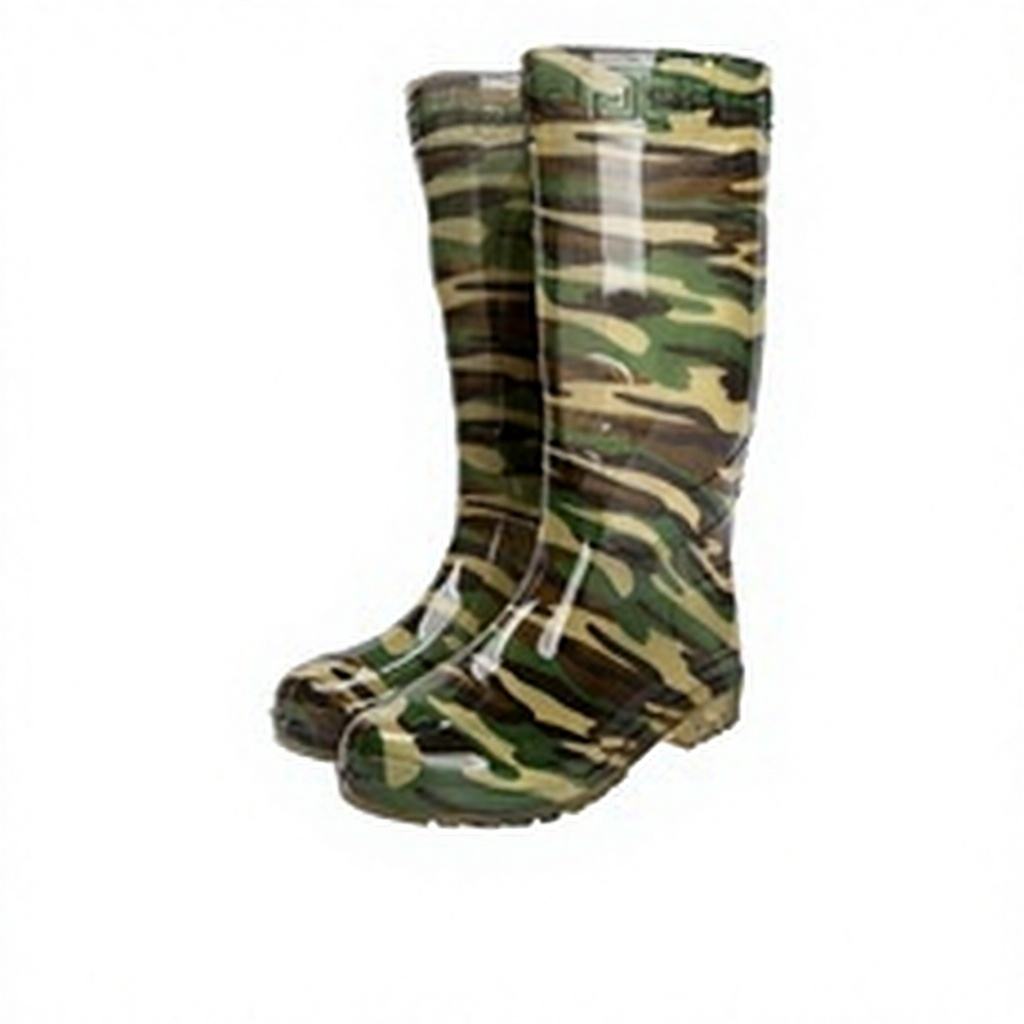
Water boot performance in high-friction settings depends on material compounding and construction methods. Common materials include PVC, natural rubber, and TPR thermoplastic rubber, each with distinct properties: PVC offers saltwater resistance and cost-effective production, natural rubber provides flexibility and high traction, while TPR delivers consistent grip on wet metal. Outsole pattern design is critical; deep lugs (5mm or more) and wide groove spacing prevent debris buildup, maintaining contact with slippery surfaces.
Seamless injection molding, a process preferred by many Professional Rain Boot Manufacturer, eliminates weak points where water can enter, while reinforced midsole layers resist punctures from sharp marine hardware. Saltwater-specific compound formulations add UV stabilizers to prevent brittleness from prolonged sun exposure, a key detail for offshore use.
3. Practical Solutions and Operation Steps
To select water boots for high-friction marine environments, follow these actionable steps:
- Evaluate outsole design: Choose boots with deep, wide lugs (minimum 5mm depth) and grooves spaced to shed fish slime, oil, and saltwater.
- Verify material resistance: Confirm the boot compound is rated for saltwater and fuel exposure via supplier documentation, aligned with relevant industry standards.
- Check construction quality: Inspect for seamless or reinforced seams, and avoid boots with thin midsole layers (less than 3mm) that may deform under heavy use.
- Test fit for mobility: Select a size that allows ½ inch of toe clearance, as cramped feet reduce control on uneven marine decks.
- Confirm slip resistance testing: Request data aligned with EN ISO 20347:2021 to ensure outsole grip meets marine-specific surface requirements.
4. Daily Maintenance and Precautions
Proper maintenance extends the lifespan of water boots in harsh marine environments. After each use, rinse boots with fresh water to remove salt, fish residue, and oil, which degrade materials over time. Avoid direct sunlight for long drying periods, as excessive UV exposure causes PVC and rubber to become brittle. Never use strong solvents or harsh detergents, as they break down boot compounds; mild soap and a soft brush are recommended for cleaning.
Key precautions include: do not use general water boots as chemical protective footwear, as they lack specialized permeation resistance; avoid placing boots near heaters or open flames, as high temperatures warp materials; and store boots in a cool, dry area away from sharp objects that can puncture outsoles.
5. Industry Standard and Parameter Reference
ParameterRecommended ReferenceWhy It MattersSlip resistanceEN ISO 20344:2021 / EN ISO 20347:2022+A1:2024 (for occupational footwear)Assesses outsole grip on wet, oily, or contaminated surfaces common in marine work.Occupational footwear requirementsISO 20347:2021 or EN ISO 20347:2022+A1:2024Sets minimum performance thresholds for non-safety work boots used in marine settings.Chemical protective footwearEN 13832-3:2018 where prolonged chemical contact is requiredEvaluates resistance to fuel, cleaning agents, and other marine chemicals.UV stabilityASTM D4329-22 (for plastic and rubber weathering)Measures resistance to sun exposure, critical for outdoor and offshore use.
Performance evaluations should rely on third-party test data from accredited bodies like SGS or Intertek, with results aligned to standard test methods rather than unsubstantiated manufacturer claims.
6. Customer Common FAQ
Q: Are all water boots suitable for high-friction marine environments?
A: No, standard water boots are designed for general rain use, not for continuous exposure to saltwater, oily surfaces, or heavy deck traffic. Professional Rain Boot Manufacturer recommends selecting boots built with saltwater-resistant compounds and deep lugs for marine applications.
Q: What is the difference between PVC and rubber water boots for marine use?
A: PVC boots offer better saltwater and oil resistance at a lower cost, while natural rubber boots provide higher flexibility and initial traction on wet metal. Selection depends on budget and specific exposure conditions, with rubber preferred for high-abrasion areas.
Q: How often should water boots be replaced for marine work?
A: Replacement frequency varies by use, but inspect boots monthly for outsole wear, seam separation, or material brittleness. Boots with lugs worn down to 2mm or less lose critical traction and should be replaced.
Q: Can I clean my marine water boots with a pressure washer?
A: Avoid high-pressure washers, as they can damage seams and force water into boot interiors. Use a soft brush and mild soap to clean, then air dry in a shaded, well-ventilated area.
Conclusion
Water boots for high-friction marine environments require targeted material selection, outsole design, and construction to maintain traction and durability. By aligning boot features with industry standards like EN ISO 20347:2021 and following proper maintenance, users can reduce slip risks and extend product lifespan. Professional Rain Boot Manufacturer provides standardized insights to help buyers make practical, evidence-based selections for marine work conditions.
References
- International Organization for Standardization. ISO 20347:2021, Occupational Footwear - General Requirements and Test Methods. 2021.
- International Organization for Standardization. ISO 20344:2021, Footwear - Test Methods for Whole Footwear. 2021.
- European Committee for Standardization. EN 13832-3:2018, Chemical Protective Footwear. 2018.
- ASTM International. ASTM D4329-22, Standard Practice for Fluorescent UV Exposure of Plastics. 2022.