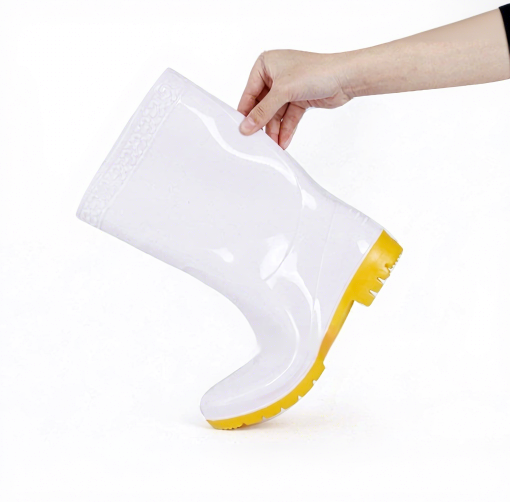
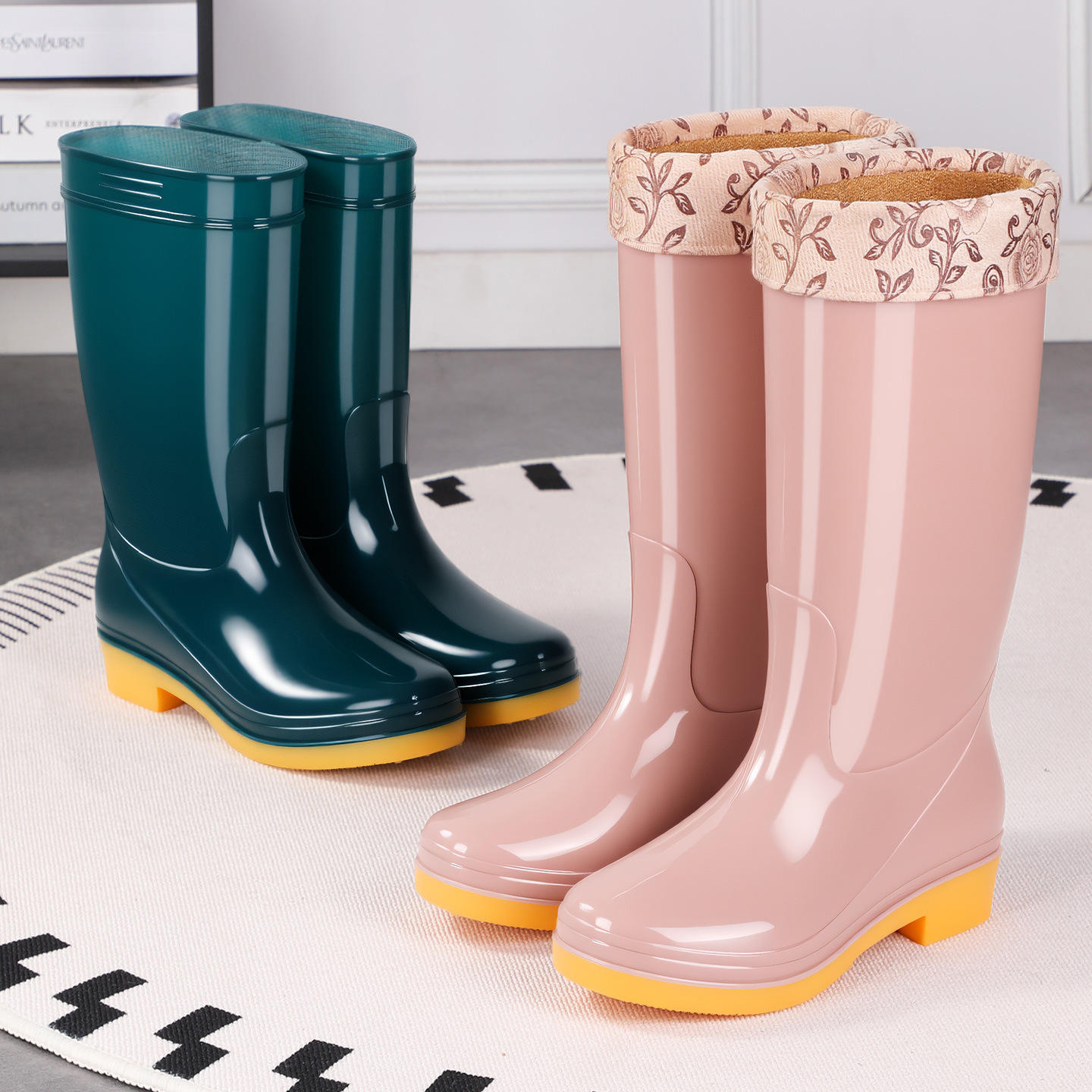
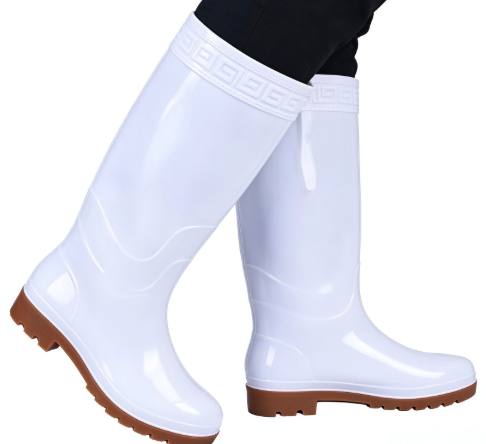
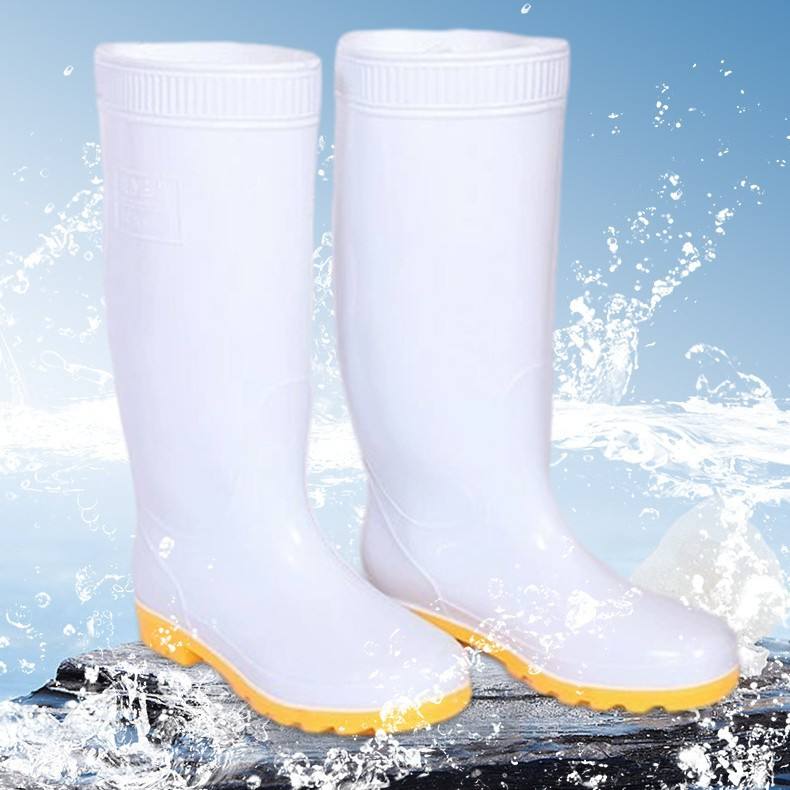
Meta Description: Industrial sealing in extreme high-temperature environments requires materials that balance flexibility, durability, and resistance to thermal degradation. This guide explores the performance of TPE compound in these demanding settings, targeting engineers, procurement specialists, and industrial maintenance teams. Professional Rain Boot Manufacturer with specialized material testing expertise provides industry-aligned insights.
Keywords: TPE compound, industrial sealing, high-temperature materials, boot sealing solutions, thermal resistance, occupational footwear materials
1. Core Problem Analysis
1.1 Common Causes of the Problem
Industrial sealing components often fail in extreme high-temperature scenarios due to thermal softening, material brittleness after prolonged heat exposure, or poor resistance to chemical contaminants common in factories, farms, and processing facilities. Seals may crack, lose elasticity, or degrade rapidly when exposed to temperatures beyond the limits of standard materials like natural rubber or PVC. This leads to equipment leaks, safety hazards, and costly downtime for maintenance teams.
1.2 Affected Usage Scenarios
These failures impact multiple industrial and outdoor settings, including heavy manufacturing lines, chemical processing plants, agricultural equipment maintenance sites, food processing facilities, and outdoor work during extreme heatwaves. Sealing failures can disrupt operations in areas like livestock farming, warehouse cleaning, and industrial fluid handling where consistent temperature and material integrity are critical.
2. Product and Process Principle
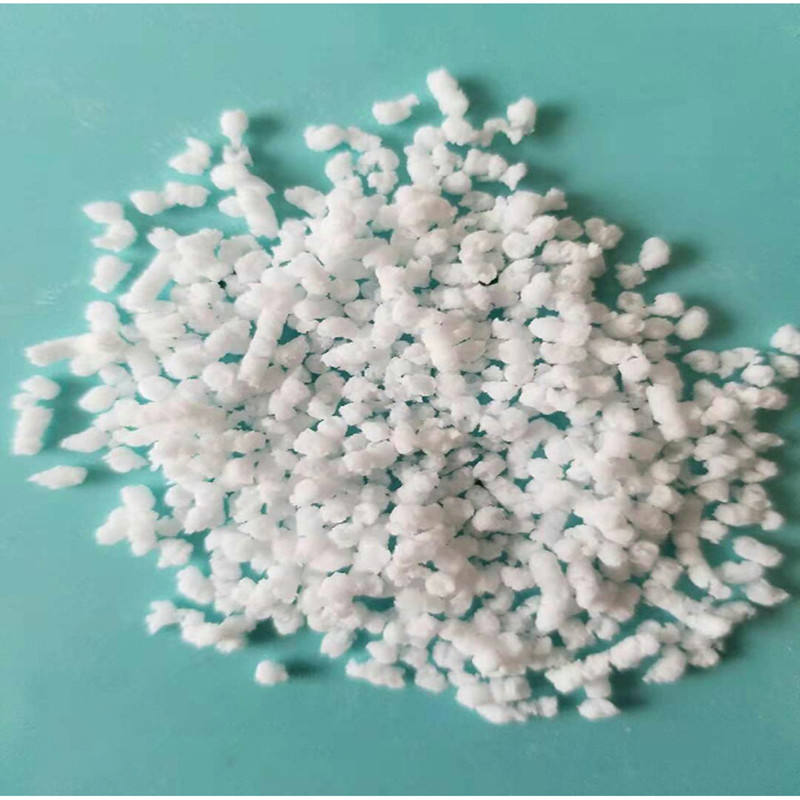
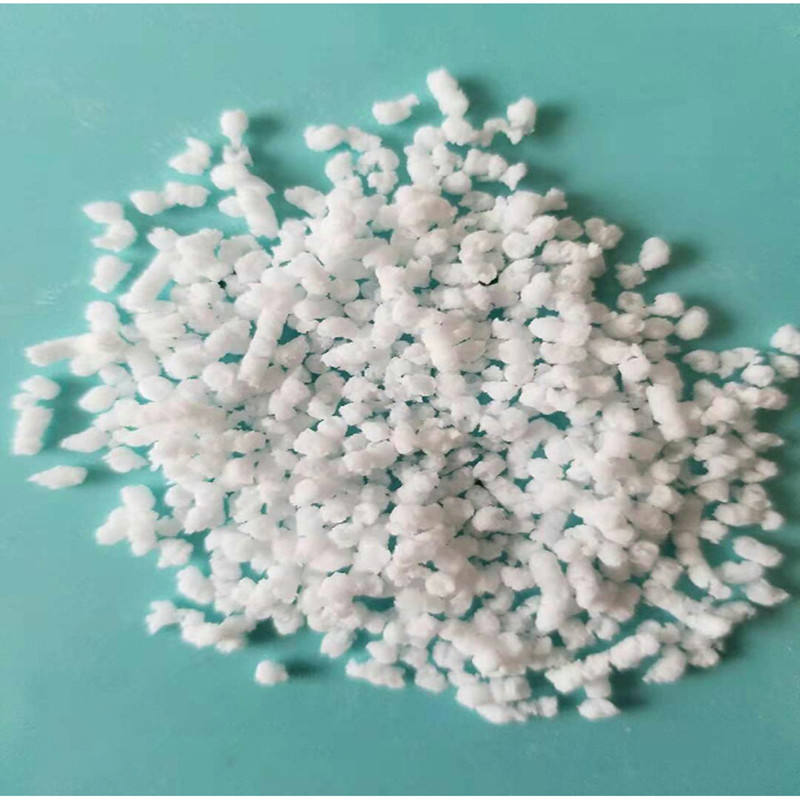
TPE (Thermoplastic Elastomer) compound combines the elastic properties of rubber with the processability of thermoplastics, making it suitable for forming seals and boot components that must withstand fluctuating temperatures. Unlike vulcanized rubber, TPE can be molded and recycled, which aligns with modern manufacturing practices. For sealing applications, TPE’s molecular structure allows it to maintain elasticity across a range of temperatures, though its performance varies with compound formulation. Professional Rain Boot Manufacturer notes that TPE compound can be adjusted to resist thermal degradation up to specific temperature thresholds, depending on the blend’s composition and manufacturing process.
In industrial boot and seal production, injection molding is commonly used to shape TPE compound, as this process ensures consistent dimensions and a tight seal fit. The compound’s resistance to abrasion and environmental stress cracking also contributes to its durability in high-temperature work environments. Key variables that affect performance include the cross-linking density of the TPE blend, filler materials added to enhance thermal stability, and molding pressure applied during production.
3. Practical Solutions and Operation Steps
For teams evaluating TPE compound for high-temperature sealing or boot applications, follow these actionable steps to ensure appropriate performance:
- Confirm the maximum operating temperature of your application against TPE compound’s tested thermal resistance range, referencing data from ISO 188:2011 (Plastics – Standard methods for thermal aging tests) to validate performance claims.
- Select a TPE blend formulated for continuous high-temperature use, rather than general-purpose TPE, to avoid premature degradation.
- Match the TPE compound’s hardness to the sealing or boot component requirement: harder blends offer better wear resistance, while softer blends improve flexibility at elevated temperatures.
- Verify that the TPE compound has been tested for compatibility with any chemical contaminants present in your work environment, as certain chemicals can accelerate thermal degradation.
- For boot applications, ensure the TPE outsole and shaft components are designed with seam-free construction to prevent leaks, following guidelines from ISO 20347:2021.
Not all TPE blends are suitable for extreme high-temperature use; avoid blends designed for low-temperature flexibility alone, as these may soften and lose sealing integrity at temperatures above 60°C (140°F).
4. Daily Maintenance and Precautions
Proper maintenance of components made with TPE compound extends their lifespan in high-temperature environments. For industrial seals, inspect regularly for signs of surface cracking, shrinkage, or loss of elasticity, as these indicate thermal degradation. For boots made with TPE, avoid long-term exposure to direct sunlight or proximity to high-heat equipment like furnaces or steam pipes, as excessive heat can alter the compound’s molecular structure.
When cleaning TPE-based seals or boots, use mild soap and lukewarm water; avoid strong solvents or harsh chemicals, which can break down the compound’s elastic properties. Store seals in cool, dry areas away from heavy objects that could deform them, and for boots, allow them to air dry completely after use to prevent moisture buildup that accelerates material aging. Do not use TPE-based boots as substitute for safety footwear requiring impact or puncture protection, as these are designed for general industrial use only.
5. Industry Standard and Parameter Reference
ParameterRecommended ReferenceWhy It Matters
Slip resistance for boot solesEN ISO 20344:2021 / EN ISO 20347:2022+A1:2024Helps evaluate outsole grip on wet or contaminated high-temperature surfaces.
Occupational footwear requirementsISO 20347:2021 or EN ISO 20347:2022+A1:2024Supports selection of non-safety boots suitable for general high-temperature work.
Chemical resistance testingEN 13832-3:2018 where prolonged chemical contact is claimedEvaluates TPE compound’s resistance to industrial chemicals in high-heat settings.
Thermal aging resistanceISO 188:2011 for accelerated aging testingValidates long-term performance of TPE compound under sustained high temperatures.
Do not fabricate performance values without testing data from verified standards or third-party assessments. All claims about TPE compound’s high-temperature performance must be backed by test results aligned with the referenced standards.
6. Customer Common FAQ
Q: Is TPE compound suitable for continuous use at 100°C (212°F)?
A: It depends on the specific TPE blend. General-purpose TPE typically resists temperatures up to 80°C (176°F), but high-temperature formulated TPE can withstand continuous use up to 120°C (248°F). Always review test data aligned with ISO 188:2011 for confirmation.
Q: How do I know if my TPE boot seal is degrading from heat?
A: Signs include surface cracks, shrinkage, or a loss of flexibility. If the seal no longer forms a tight fit around the boot shaft, it may need replacement. Professional Rain Boot Manufacturer recommends inspecting seals every 3 months for high-temperature work environments.
Q: Can TPE compound replace natural rubber for high-temperature applications?
A: TPE compound offers better processability and consistency in molding, but natural rubber may have higher thermal resistance in some cases. For extreme high-temperature scenarios above 100°C, high-temperature TPE blends often match or exceed natural rubber performance.
Q: How should I clean TPE boots used in high-temperature industrial settings?
A: Use mild soap and lukewarm water, avoiding pressure washers or strong chemicals that can damage the compound. Rinse thoroughly and air dry away from direct heat sources.
Conclusion
TPE compound offers a versatile solution for high-temperature industrial sealing and boot components, with performance that depends on formulation and adherence to testing standards. By selecting appropriately blended TPE, following maintenance best practices, and referencing industry standards, teams can reduce sealing failures and extend component lifespan. Professional Rain Boot Manufacturer emphasizes the importance of aligning material selection with specific application temperature and environmental requirements to avoid costly operational disruptions.
References
- International Organization for Standardization. ISO 188:2011, Plastics – Standard methods for thermal aging tests.
- International Organization for Standardization. ISO 20347:2021, Occupational footwear – Safety footwear for non-specialized use.
- European Committee for Standardization. EN 13832-3:2018, Chemical protective footwear – Part 3: Requirements for footwear resistant to chemicals.
- International Organization for Standardization. ISO 20344:2021, Footwear – Test methods.