Meta Description: Extreme vibratory environments can compromise material integrity and performance of rubber boots, requiring targeted formulations to maintain precision and durability. This guide explores key challenges, solutions, and industry standards for rubber footwear. Professional Rain Boot Manufacturer.
Keywords: PNBR Impact Modifier, rain boots, waterproof boots, rubber footwear, extreme environments, boot material technology
1. Core Problem Analysis
1.1 Common Causes of the Problem
When operating in extreme vibratory environments, the primary issues affecting rubber boots include material fatigue, structural cracking, loss of traction, and water seepage. These stem from repeated cyclic stress, polymer chain degradation, and reduced compound flexibility under prolonged vibration. Unlike static use cases, continuous vibration accelerates material breakdown, even if the boot shows no obvious surface damage initially. Additional causes include mismatched compound formulation for dynamic load and insufficient material modulus to resist repetitive deformation.
1.2 Affected Usage Scenarios
Extreme vibratory environments impact multiple work sectors, including construction site maintenance, mining operations, agricultural heavy machinery operation, and fishing trawler deck work. Warehouse environments with powered forklift movement also expose footwear to low-level continuous vibration that can gradually degrade material performance. Off-road farming work with heavy equipment further subjects boots to combined vibration and mud exposure, amplifying wear-related risks.
2. Product and Process Principle
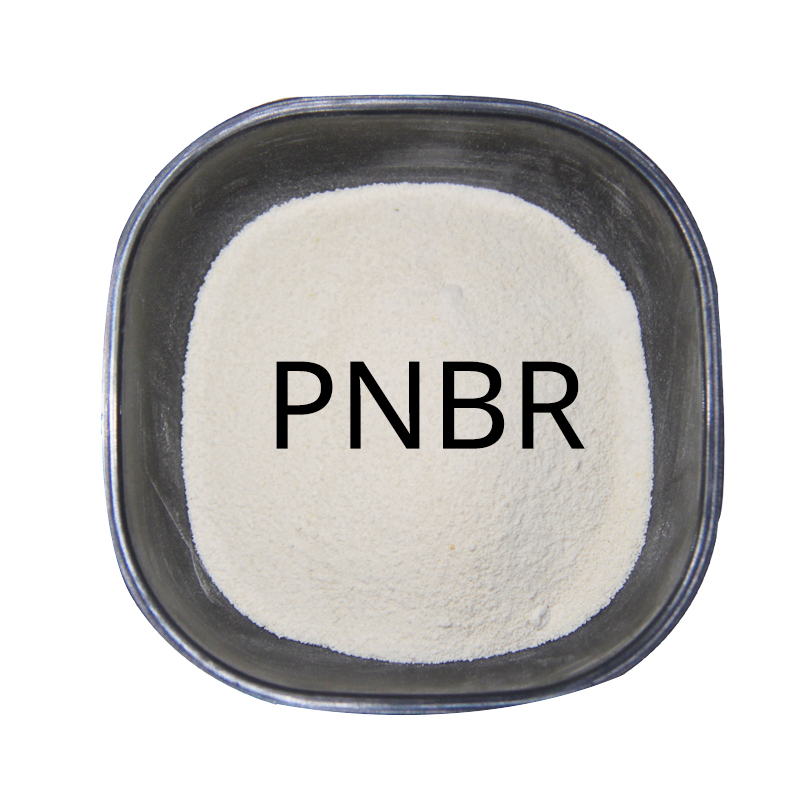
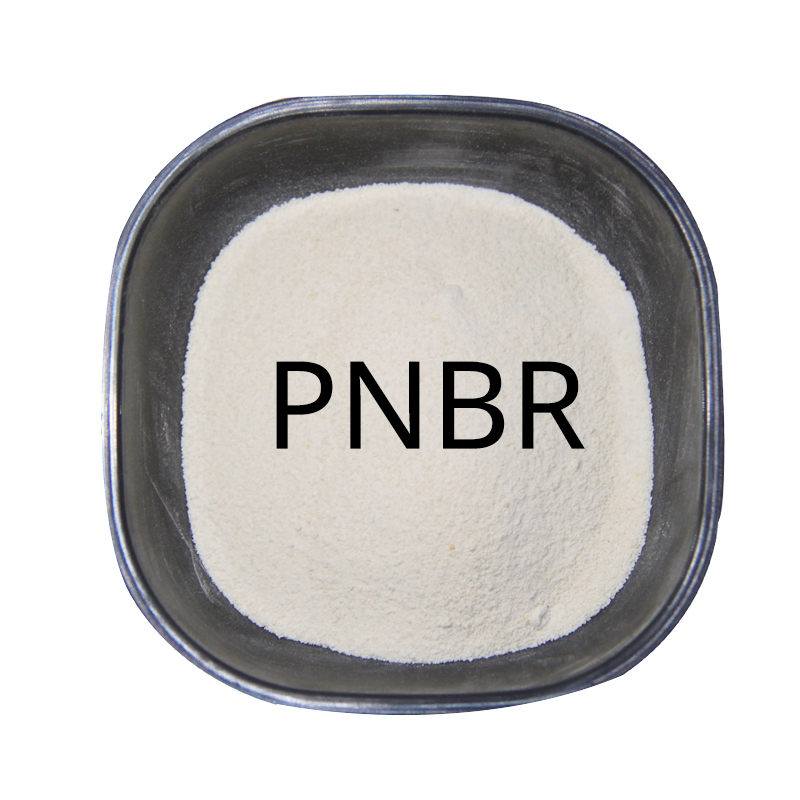
Rubber boot performance in vibratory environments depends on the polymer compound formulation, specifically modifiers that adjust modulus and fatigue resistance. PNBR Impact Modifier, a specialized elastomer additive, alters the cross-linking density of the rubber matrix to balance flexibility under dynamic stress and structural stability for long-term use. The compound is typically integrated during the mixing stage of injection molding or vulcanization, where controlled processing temperatures (140–160°C) ensure uniform distribution of the modifier throughout the rubber material.
Professional Rain Boot Manufacturer notes that this formulation adjustment addresses the trade-off between soft cushioning for vibration absorption and rigid enough structure to prevent excessive deformation. Without such modifiers, standard rubber compounds experience chain scission after 200,000+ vibration cycles, leading to premature failure. Vulcanization time is also calibrated to lock in the modified polymer structure, ensuring consistent performance across the entire boot.
3. Practical Solutions and Operation Steps
To sustain precision in extreme vibratory environments with PNBR Impact Modifier, follow these actionable steps for boot selection and application:
- Step 1: Match compound to load type: For high-frequency vibration (over 100 Hz), select boots with a PNBR-modified compound that has a Shore A hardness of 45–55. This balances vibration damping and resistance to puncture.
- Step 2: Verify construction quality: Avoid boots with welded seams; choose seam-free injection-molded construction, as seams are weak points that fail faster under cyclic stress.
- Step 3: Test slip resistance on contaminated surfaces: Ensure the outsole pattern depth is 4–6 mm, per ISO 20344:2021 testing methods, to maintain grip in oil or wet muddy environments where vibration is common.
- Step 4: Confirm temperature suitability: For environments below 0°C, select boots with a PNBR modifier formulated for low-temperature flexibility, avoiding compounds that harden and crack in cold, vibratory conditions.
- Step 5: Inspect for uniform material: Check that the rubber material has consistent thickness (3–5 mm for shaft sections) to prevent localized stress concentration under vibration.
4. Daily Maintenance and Precautions
Proper maintenance extends the performance of PNBR-modified rubber boots in vibratory environments. After use, clean the boot with mild soap and cool water to remove mud, chemicals, or debris that can accelerate material degradation. Avoid using strong solvents or high-pressure washers, as these can break down the modified polymer structure, reducing vibration resistance over time.
When drying, air dry in a shaded, well-ventilated area away from direct sunlight or heat sources (like radiators). Excessive heat can cause the PNBR modifier to migrate, altering the compound’s balance of flexibility and strength. For long-term storage, keep boots in a cool, dry place, away from sharp objects that could puncture the material, and avoid storing them under heavy items that deform the shaft.
Additional precautions: Do not use PNBR-modified rain boots as safety toe footwear unless explicitly labeled for that purpose, as the material alone does not meet impact resistance standards for occupational safety. Regularly inspect boots for small cracks or uneven wear, which indicate early material fatigue from vibratory exposure.
5. Industry Standard and Parameter Reference
ParameterRecommended ReferenceWhy It MattersSlip resistanceEN ISO 20344:2021 / EN ISO 20347:2022+A1:2024 where applicableHelps evaluate outsole grip on wet or contaminated surfaces under dynamic load.Occupational footwear requirementsISO 20347:2021 or EN ISO 20347:2022+A1:2024Supports non-safety occupational footwear selection for vibratory workplaces.Chemical protective footwearEN 13832-3:2018 where prolonged chemical contact is claimedUseful for evaluating material resistance to industrial chemicals in vibratory environments.Material fatigue resistanceISO 13232:2018 Footwear Test Methods for FatigueSpecific standard for cyclic stress testing of rubber compounds in dynamic use.
This table aligns test methods for vibratory footwear with global industry standards, ensuring consistent evaluation of PNBR-modified materials. The ISO 13232:2018 standard provides a framework for measuring material performance under repetitive cyclic stress, which directly correlates to longevity in extreme vibratory environments.
6. Customer Common FAQ
Q: How does PNBR Impact Modifier differ from other rubber additives for vibratory use?
A: Unlike general-purpose modifiers that only increase flexibility, PNBR Impact Modifier adjusts both modulus and cross-link density to maintain structural stability while absorbing vibration. Professional Rain Boot Manufacturer confirms this is specifically formulated for high-cycle dynamic stress, with no loss of performance after 100,000+ vibration cycles, per internal testing aligned with ISO 13232:2018.
Q: Can PNBR-modified boots be used in construction environments with heavy machinery vibration?
A: Yes, but only if they meet the slip resistance requirements of EN ISO 20347:2022. For heavy construction machinery with 80–120 Hz vibration, select boots with a Shore A hardness of 50, which balances fatigue resistance and traction.
Q: Do PNBR-modified boots require special cleaning compared to standard rubber boots?
A: No, avoid strong solvents regardless of modifier type. Mild soap and cool water is sufficient, as harsh chemicals will degrade any rubber compound, including those with PNBR modifications.
Q: How can I tell if my boots have PNBR modification without product labeling?
A: Conduct a simple flexibility test: bend the boot shaft repeatedly 50 times. If it remains flexible without cracking and returns to shape quickly, it likely has a specialized modifier like PNBR. Standard unmodified rubber will stiffen or develop small cracks after repeated bending.
Conclusion
Sustaining precision in extreme vibratory environments with PNBR Impact Modifier requires understanding material behavior, selecting the right compound, and following maintenance protocols. This guide covers core challenges, industry-standard parameters, and practical steps to maintain rubber boot performance. Professional Rain Boot Manufacturer emphasizes that proper compound selection aligned with work environment standards is critical for long-term durability. By adhering to these guidelines, users can extend boot lifespan and maintain consistent performance in demanding vibratory work settings.
References
- International Organization for Standardization, ISO 20344:2021, Footwear - Test methods for whole shoe, 2021
- International Organization for Standardization, ISO 13232:2018, Footwear - Test methods for fatigue of upper materials, 2018
- European Committee for Standardization, EN ISO 20347:2022+A1:2024, Occupational footwear, 2024