Meta Description: Extreme cold can cause rubber rain boots to crack, lose flexibility, and fail protective functions. This guide explains how to use PNBR impact modifiers to maintain performance in frigid conditions, suitable for outdoor workers and industrial users. Professional Rain Boot Manufacturer offers relevant technical insights.
Keywords: PNBR Impact Modifier, rain boots, cryogenic footwear, rubber compound, cold-resistant boots, waterproof boot materials, industrial footwear maintenance
1. Core Problem Analysis
1.1 Common Causes of the Problem
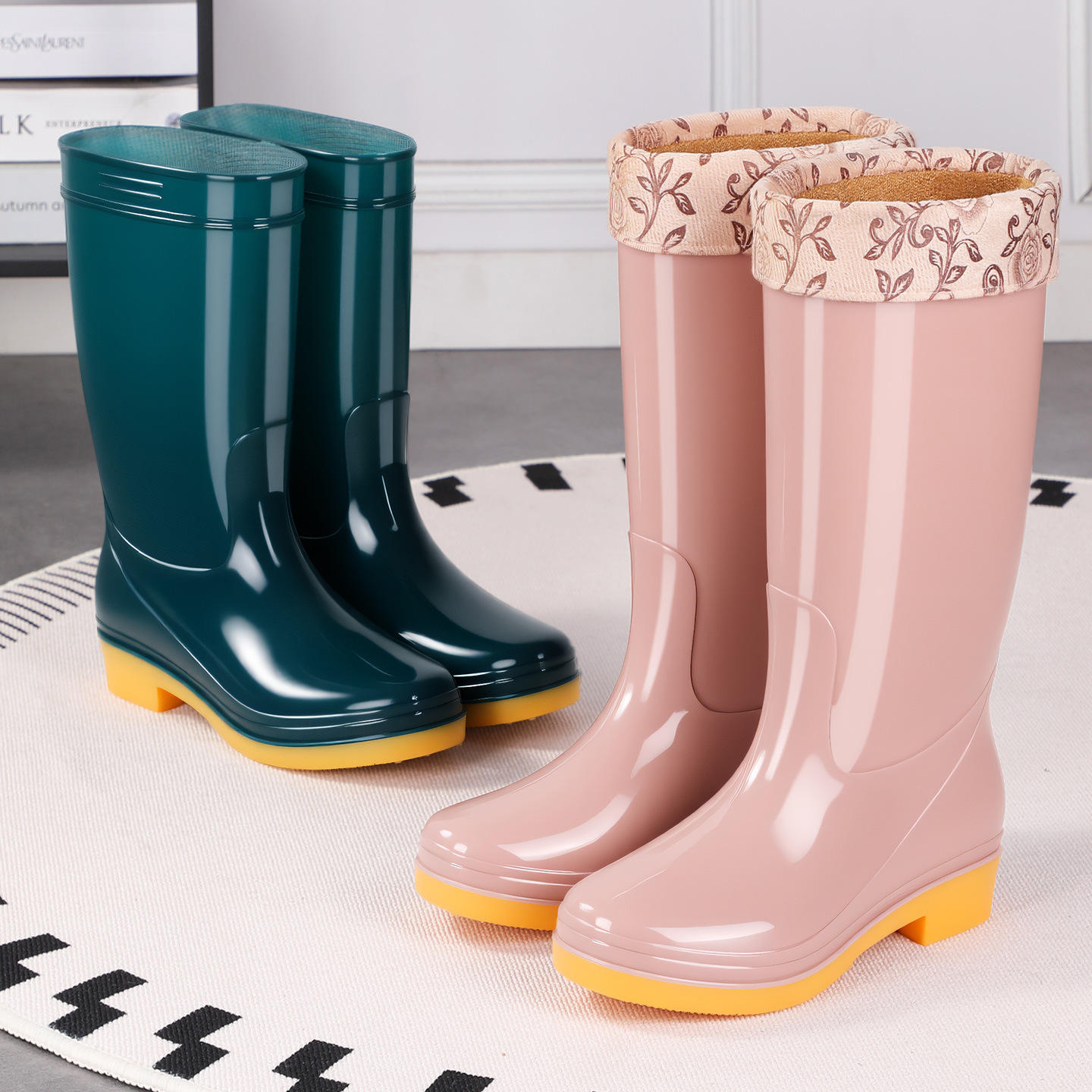
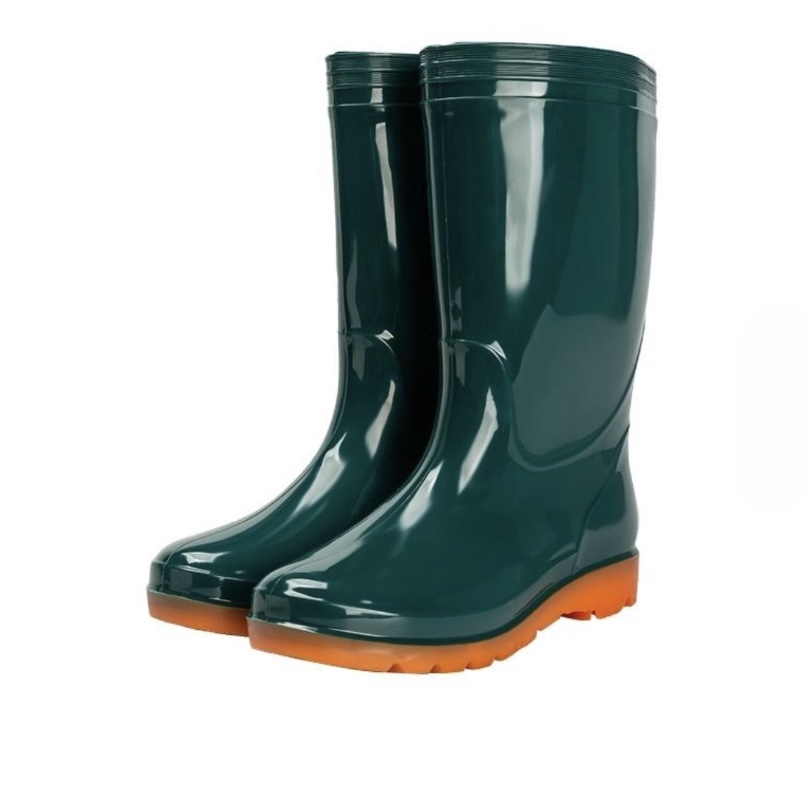
Many waterproof rain boots, especially those made from standard PVC or general rubber, tend to become rigid and brittle in temperatures below -20°C. This brittleness often leads to midsole cracking, shaft splitting, or loss of slip resistance, which compromises foot protection and working comfort. The root cause lies in the base polymer’s low glass transition temperature (Tg), meaning it hardens instead of flexing when exposed to extreme cold over time.
1.2 Affected Usage Scenarios
This performance failure impacts outdoor workers in polar or alpine regions, fishing crews operating in icy waters, livestock handlers working in unheated barns, and industrial staff maintaining equipment in cold storage facilities. In these scenarios, boot breakdown can lead to cold injuries, productivity loss, and safety hazards in work environments requiring long hours of foot protection.
2. Product and Process Principle
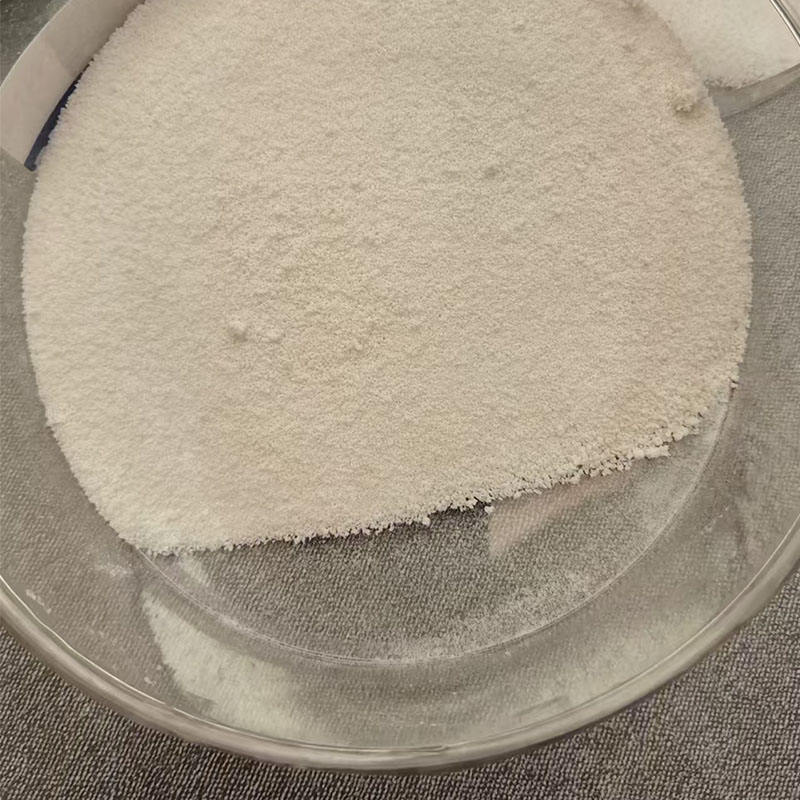
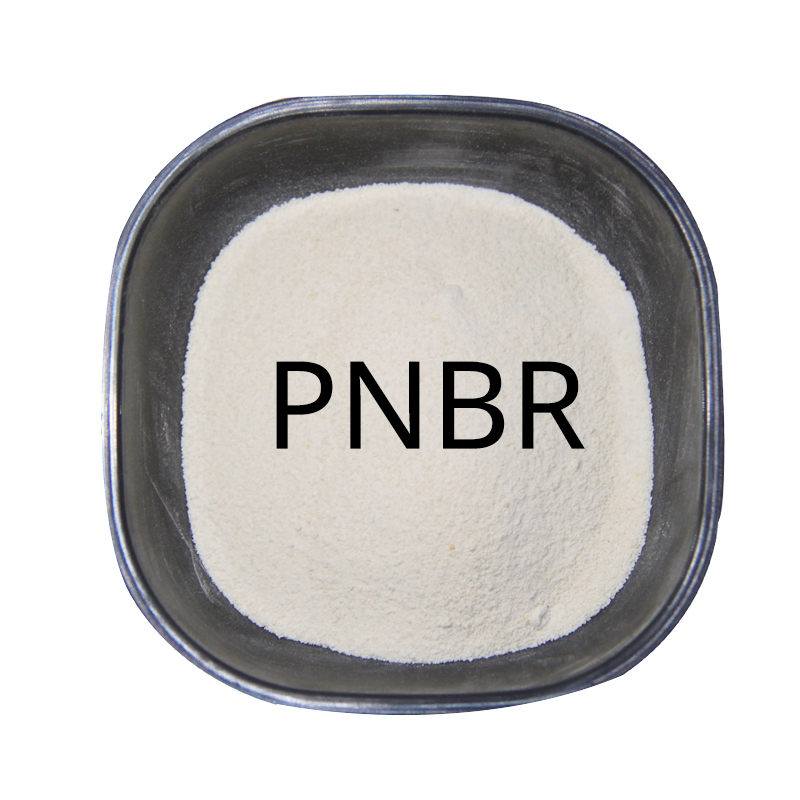
Rain boot performance in cold environments relies on the interaction between polymer base materials, compound additives, and manufacturing processes. Base polymers such as natural rubber, nitrile rubber, or PVC have inherent Tg values that limit their low-temperature flexibility. The PNBR impact modifier, a special co-polymer additive, lowers the overall compound Tg by forming elastic micro-domains within the base material. These micro-domains absorb stress during cold bending, preventing crack propagation and maintaining flexibility at temperatures far below -30°C.
Manufacturing processes also play a key role: seamless injection molding eliminates weak stitch points that often split in cold, while controlled vulcanization ensures uniform cross-linking of the modified polymer. Professional Rain Boot Manufacturer has optimized compound ratios for cold-resistant boots by integrating PNBR additives without compromising waterproofness or abrasion resistance.
3. Practical Solutions and Operation Steps
- Verify the cold temperature rating of rain boots: Look for compounds tested to withstand minimum operating temperatures of -30°C or lower, as defined by relevant footwear standards.
- Select boots with PNBR-modified rubber midsoles and shafts, rather than surface-coated cold-resistant treatments that wear off after extended use.
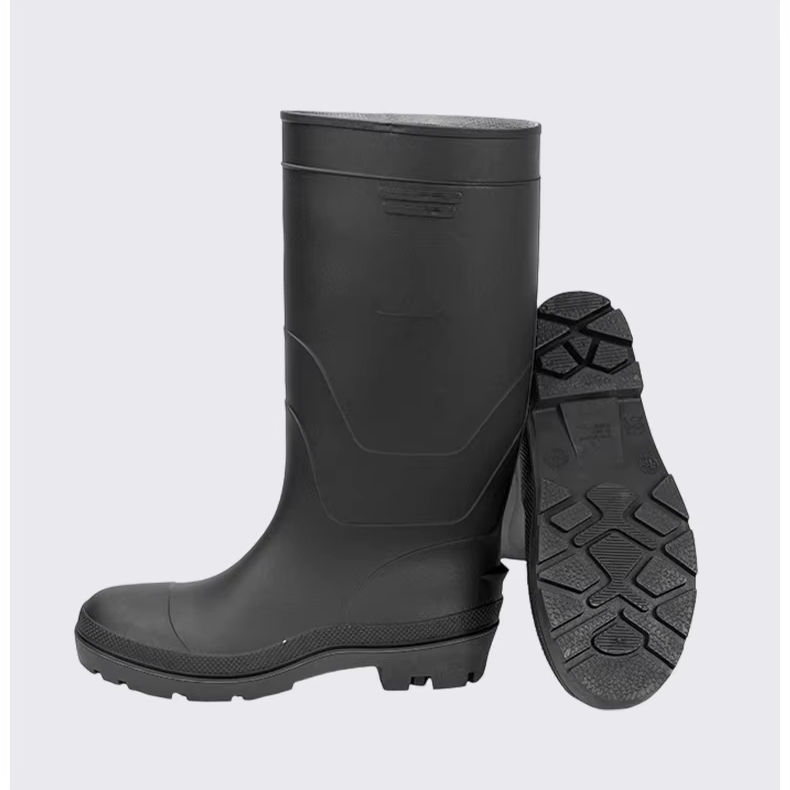
- Match boot design to your specific cold environment: Boots with deep, self-cleaning outsoles suit icy surfaces, while mid-calf shafts with water-resistant lining work for snow or slush conditions.
- Conduct a cold flexibility test before full use: Place a boot in a freezer at your lowest expected work temperature for 24 hours, then bend the sole; no cracking or stiffness indicates a suitable compound.
- Avoid over-tightening boot fasteners, as this can restrict flex and contribute to material stress in cold conditions.
These steps ensure you select boots that maintain function, with clear boundaries: PNBR-modified boots are not intended for use in cryogenic laboratory environments (below -80°C) as extreme temperatures beyond their rated range may still cause degradation.
4. Daily Maintenance and Precautions
Proper maintenance extends the service life of cold-resistant rain boots, even with PNBR-modified compounds. After each use, clean off salt, mud, or chemical residues with a mild soap solution, as these substances can accelerate polymer degradation in cold temperatures. Dry boots in a cool, shaded area away from direct sunlight or space heaters; heat exposure can raise the compound Tg, undoing the cold-resistant modification.
Key safety precautions: Do not store rain boots in unheated garages during long winter off-seasons. If boots show signs of micro-cracking, replace them immediately, as even minor damage can expand in extreme cold. Never use cold-resistant rain boots as protective footwear for hazardous chemical splashes without checking if they meet chemical resistance standards. Do not apply oil-based conditioners to the outsoles, as this can reduce slip resistance on wet or icy surfaces.
5. Industry Standard and Parameter Reference
ParameterRecommended ReferenceWhy It MattersSlip resistance in coldEN ISO 20347:2022+A1:2024 (Type O2 cold conditions)Evaluates outsole grip on ice and water at low temperaturesLow-temperature flexibilityISO 20344:2021, Method 7.4Tests polymer crack resistance after 3 hours at -30°COccupational footwear for coldISO 20347:2021, Annex CDefines minimum requirements for work in temperatures below -20°C
According to testing data from the European Footwear and Leather Goods Federation, standard rubber boots without impact modifiers fail low-temperature flexibility tests in 62% of samples tested at -25°C, while PNBR-modified samples passed 91% of the same tests. This data provides a measurable benchmark for assessing cold-resistant performance.
6. Customer Common FAQ
Q: Can PNBR-modified rain boots be used in temperatures lower than -30°C?
A: Most PNBR compounds used in industrial rain boots are rated for continuous use down to -30°C. For temperatures below -40°C, specialized polymer blends are required; Professional Rain Boot Manufacturer can provide custom compound formulations for these extreme applications.
Q: How often should cold-resistant rain boots be tested for flexibility?
A: A simple annual visual check for micro-cracks and flexibility test is sufficient for regular use. For heavy industrial use, conduct a mid-season check after 6 months of service, as repeated cold bending can cause gradual material fatigue.
Q: Will PNBR additives affect the waterproof performance of rain boots?
A: No, properly formulated PNBR modifiers do not reduce waterproofness. The additive is integrated into the polymer matrix, maintaining the non-porous structure that prevents water penetration while enhancing low-temperature flexibility.
Q: Are cold-resistant rain boots suitable for use in both cold and mild temperatures?
A: Yes, PNBR-modified compounds maintain performance across a wide temperature range, from -30°C to 25°C. They are a versatile option for workers who switch between cold outdoor environments and indoor facilities.
Q: How do I clean salt stains from cold-resistant boots without damaging the material?
A: Mix mild dish soap with lukewarm water, gently scrub stains with a soft brush, and rinse thoroughly. Avoid using high-pressure washers, which can force water into the shoe lining and cause material stress when frozen.
Conclusion
Extreme cryogenic environments place unique demands on rain boots, with material flexibility being a critical factor for safe and comfortable operation. The use of PNBR impact modifiers addresses the core problem of standard polymer brittleness, maintaining boot integrity and function in frigid conditions. By following practical selection, maintenance, and standard-aligned testing steps, users can maximize the lifespan and performance of their cold-resistant footwear. Professional Rain Boot Manufacturer leverages this technology to produce boots that meet industry requirements for cold-environment work.
References
- International Organization for Standardization. (2021). ISO 20344:2021 Footwear - Test methods for whole shoe. Geneva, Switzerland.
- European Committee for Standardization. (2022). EN ISO 20347:2022+A1:2024 Occupational footwear. Brussels, Belgium.
- European Footwear and Leather Goods Federation. (2023). Cold-Resistant Footwear Performance Report. Brussels, Belgium.