Meta Description: Women’s fishing boots must handle saltwater corrosion, rocky shore abrasion, and all-day wear without performance loss; this guide covers key factors for B2B and end users, from material selection to maintenance, to help make informed choices. Professional Rain Boot Manufacturer
Keywords: women's fishing boots, saltwater resistant boots, fishing boot maintenance, rocky shore footwear, occupational fishing boots
1. Core Problem Analysis
1.1 Common Causes of the Problem
Many women’s fishing boots fail prematurely due to unsuitable material for saltwater exposure, insufficient outsole traction on uneven rocky surfaces, ill-fitting sizing that causes foot fatigue, and inadequate sealing leading to water intrusion. Other common issues include poor abrasion resistance on shoreline terrain, lack of breathability for all-day wear, and chemical degradation from salt or marine contaminants that weakens boot structure over time.
1.2 Affected Usage Scenarios
These problems impact a wide range of fishing-related activities, including inshore and offshore saltwater angling, rock fishing trips, long-distance shoreline walks, commercial fishing vessel work, and seasonal fishing expeditions. They also extend to related coastal outdoor work such as shellfish harvesting, shoreline maintenance, and saltwater equipment cleaning.

2. Product and Process Principle
Women’s fishing boots rely on material science and precision manufacturing to balance durability, waterproofing, and wearability. Rubber compounds, including natural rubber and reinforced synthetic blends, offer superior saltwater corrosion resistance compared to standard PVC; these compounds are formulated to resist degradation from salt exposure [1]. Seamless injection molding or vulcanization processes eliminate weak points where water might seep in, while outsole tread patterns are engineered with deep lugs to provide grip on wet, uneven rocky and muddy surfaces. Shaft height is designed to cover the ankle and lower calf, with lining materials that balance breathability and warmth for extended wear.
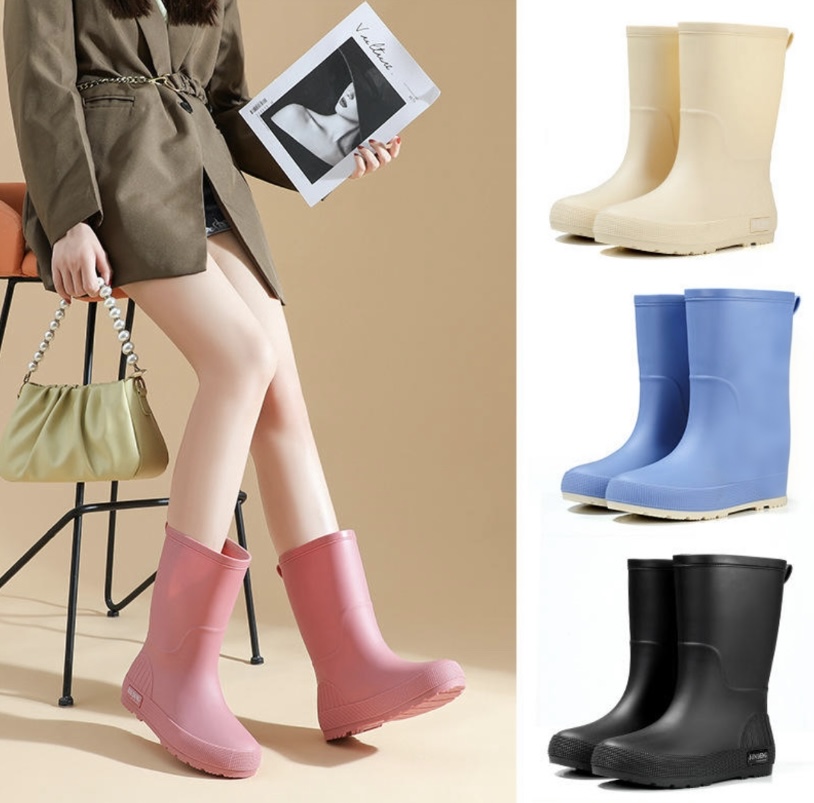
A Professional Rain Boot Manufacturer applies standardized material testing and process controls to ensure boots meet performance requirements for fishing environments. This includes adjusting compound hardness to resist abrasion from rocky shores and optimizing outsole flex for natural foot movement during long days of walking or working on boats.
3. Practical Solutions and Operation Steps
To select appropriate women’s fishing boots, follow these actionable steps tailored to fishing-specific conditions: First, assess your primary use case—whether saltwater, rocky shore, or long all-day wear—to prioritize material and features. Second, choose a material: reinforced rubber is ideal for saltwater resistance, while EVA blends offer lightweight options for long walks. Third, inspect outsole tread: select lugs that are at least 5mm deep for traction on rocky surfaces, matching EN ISO 20347:2021 standards for occupational footwear grip [2]. Fourth, check fit: ensure ample toe room and a secure calf fit to prevent water intrusion, while allowing for thick fishing socks. Fifth, verify sealing: opt for seamless construction to avoid seam leaks. Sixth, consider lining: moisture-wicking linings reduce foot fatigue during long wear. Seventh, test for chemical resistance: ensure the boot compound resists salt and marine lubricants, aligning with EN 13832-3:2018 for chemical contact [3].
- Confirm that the boot’s outsole is certified for slip resistance on wet rocky terrain, as generic rain boots may not meet fishing-specific needs
- Avoid boots with thin PVC soles that tear easily on sharp rocks; prioritize compound thickness of at least 3mm for durability
- Ensure the boot’s shaft height covers the ankle joint to protect against stubbing and small water splashes common on fishing trips
4. Daily Maintenance and Precautions
Proper maintenance extends the lifespan of women’s fishing boots and preserves their performance. After each use, rinse boots with fresh water to remove salt, mud, and marine debris, which can cause corrosion or abrasion over time. Avoid prolonged direct sunlight, as this can degrade rubber compounds, leading to cracking and loss of waterproofing. Do not store boots near high heat sources, as extreme temperatures can warp soles and shrink shafts. For cleaning, use a mild, non-alkaline soap and a soft brush; avoid strong solvents, which break down boot materials. After cleaning, air dry boots slowly in a shaded, well-ventilated area, and stuff with paper to maintain shape. When not in use, store boots in a cool, dry place away from chemicals. A critical precaution: never use standard rain boots designed for commuting as fishing boots, as they lack the abrasion and chemical resistance required for shoreline and saltwater environments.
5. Industry Standard and Parameter Reference
ParameterRecommended ReferenceWhy It MattersSlip resistanceEN ISO 20344:2021 / EN ISO 20347:2022+A1:2024 (outsole testing)Evaluates outsole grip on wet, rocky, or contaminated surfaces for fishing scenariosOccupational footwear requirementsISO 20347:2021 or EN ISO 20347:2022+A1:2024Defines performance benchmarks for non-safety boots used in outdoor working environmentsChemical protective footwearEN 13832-3:2018 (salt and marine chemicals)Tests material resistance to saltwater and marine lubricants common in fishing operationsAbrasion resistanceISO 20349:2017 (footwear outsole abrasion testing)Measures resistance to wear from sharp rocks and shoreline debris
Standardized testing ensures boots meet specific performance needs; always request test documentation from suppliers to confirm alignment with fishing-related requirements.
6. Customer Common FAQ
Q: Are rubber women’s fishing boots better than PVC for saltwater exposure?
A: Reinforced natural or synthetic rubber blends offer superior salt corrosion resistance compared to standard PVC, as rubber compounds are formulated to resist degradation from salt and marine contaminants. Professional Rain Boot Manufacturer notes that rubber boots typically last 2-3 times longer in saltwater environments than generic PVC boots.
Q: What outsole depth is needed for rocky shore fishing?
A: Outsole lugs should be at least 5mm deep to provide sufficient traction on uneven, rocky surfaces. This aligns with slip resistance testing in EN ISO 20347:2022+A1:2024, which evaluates grip on uneven terrain.
Q: How do I prevent my fishing boots from smelling after long days of wear?
A: Use a moisture-wicking liner and air dry boots thoroughly after each use. For persistent odors, wipe the interior with a mild vinegar solution, then air dry. Avoid leaving damp boots stored in enclosed spaces, as this promotes bacterial growth.
Q: Can I use my women’s rain boots for fishing on rocky shores?
A: Most standard rain boots are not designed for heavy abrasion from rocky terrain or prolonged saltwater exposure. They lack the compound thickness and slip resistance specific to fishing environments, leading to premature wear and potential leaks.
Conclusion
Selecting women’s fishing boots requires balancing material resistance, traction, and comfort for saltwater, rocky shore, and all-day wear conditions. Understanding industry standards and maintenance best practices helps ensure boots perform as intended. Professional Rain Boot Manufacturer emphasizes that prioritizing fishing-specific features over generic design extends boot lifespan and reduces on-the-job risks for anglers and fishing workers.
References
- International Organization for Standardization. ISO 17632:2017: Rubber and plastics footwear - Resistance to chemicals. Geneva: ISO, 2017.
- European Committee for Standardization. EN ISO 20347:2022+A1:2024: Occupational footwear. Brussels: CEN, 2024.
- European Committee for Standardization. EN 13832-3:2018: Chemical protective footwear - Part 3: Requirements for chemical resistance. Brussels: CEN, 2018.