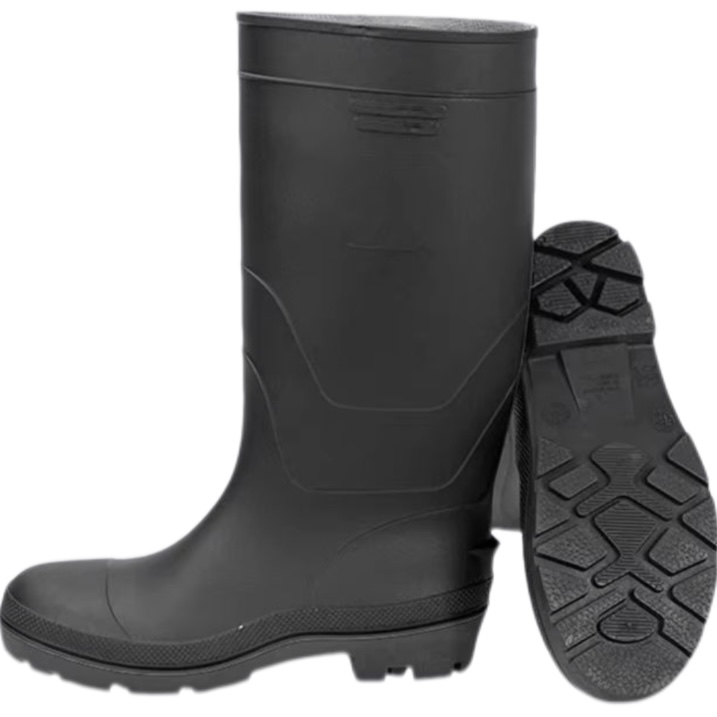
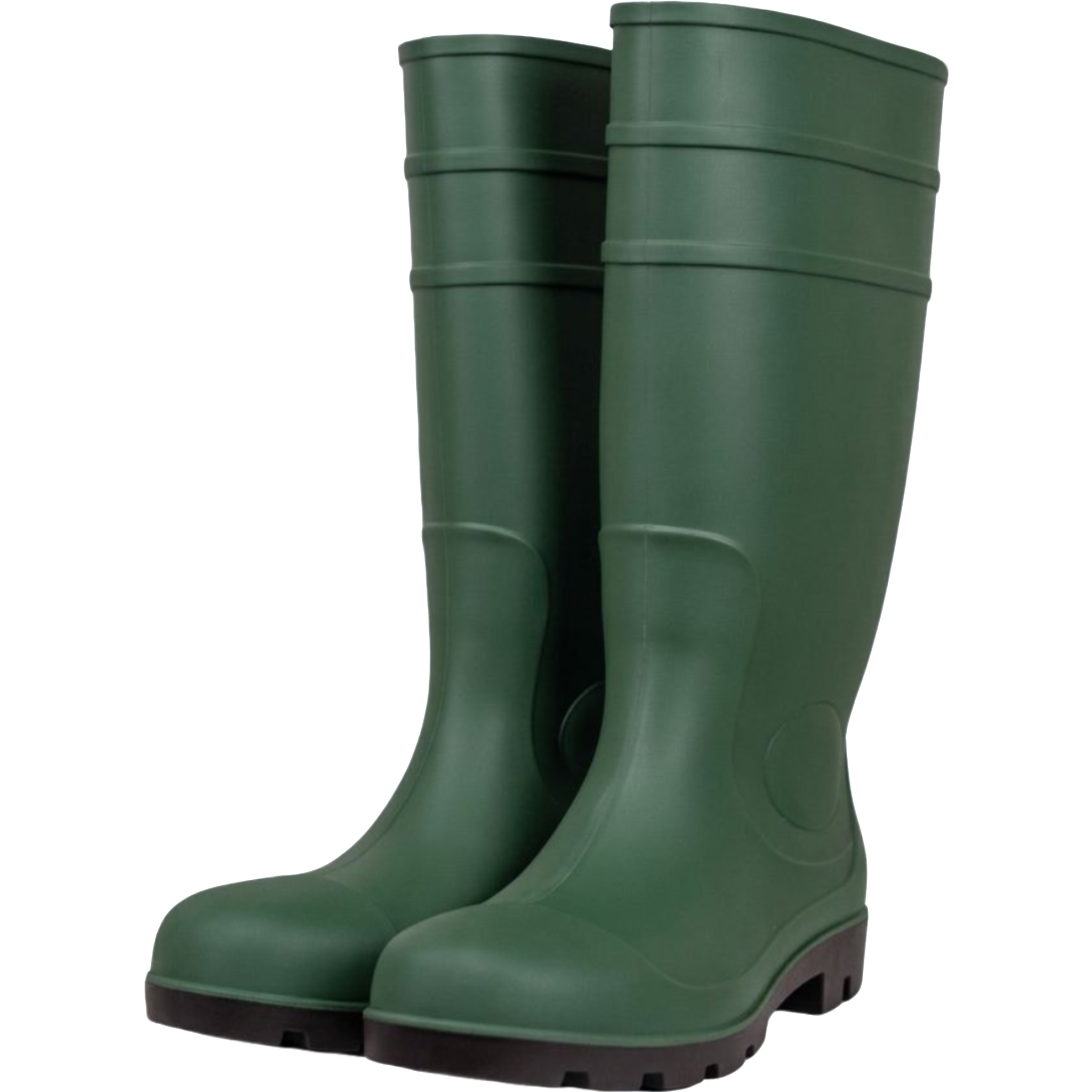
Meta Description: Remote waterway anglers face unique challenges when selecting fishing footwear, including waterproofing, slip resistance, and durability for uneven, muddy terrain. This guide breaks down key factors to consider for women’s fishing boots, helping users make informed choices aligned with their specific needs. Professional Rain Boot Manufacturer provides industry-standard insights to support reliable boot selection.
Keywords: women's fishing boots, waterproof fishing boots, remote waterway angler footwear, boot materials for fishing, fishing boot maintenance
1. Core Problem Analysis
1.1 Common Causes of the Problem
Women anglers targeting remote waterways often encounter issues like premature leakage, insufficient slip resistance on algae-covered rocks, uncomfortable fit during multi-hour wears, and material cracking from prolonged exposure to water and mud. These problems typically stem from mismatched boot features to terrain or climate, rather than generic boot construction faults. Common overlooked factors include inadequate shaft height to prevent water entry, outsole tread pattern not suited for uneven rock or mud, and lining material that retains moisture causing foot fatigue.
1.2 Affected Usage Scenarios
These performance issues impact specific remote waterway activities including wading in slow-moving marsh creeks, navigating rocky riverbanks at low tide, standing in shallow, fish-rich waters for extended periods, and carrying gear over muddy forest trails leading to fishing spots. Anglers in these settings often face limited access to replacement footwear, making boot reliability even more critical than for casual or near-shore fishing.
2. Product and Process Principle
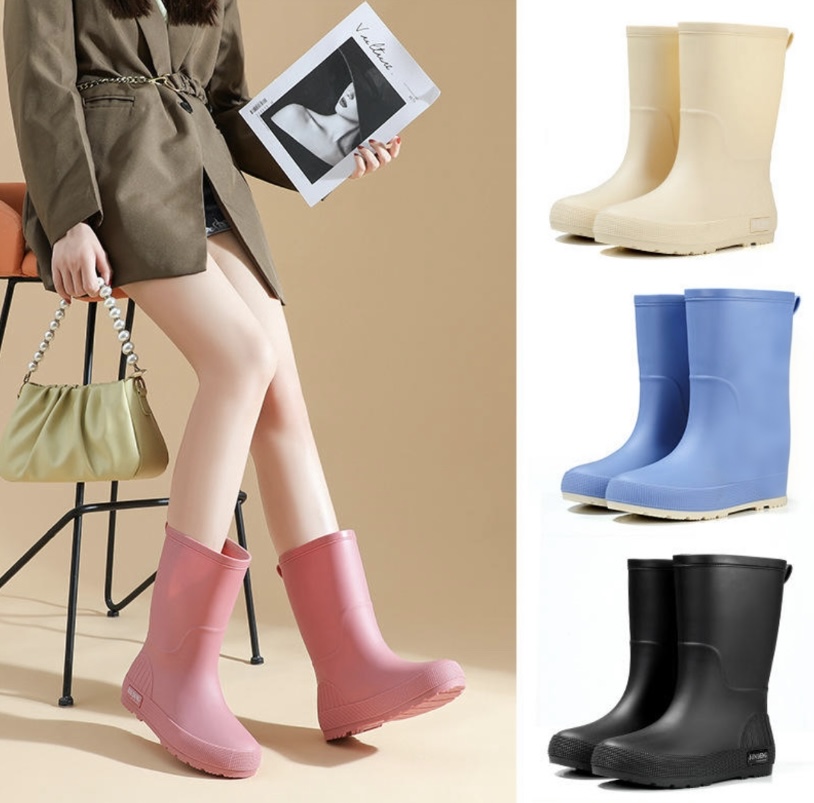
The performance of women’s fishing boots depends on material selection and construction techniques optimized for aquatic and rough terrain use. Primary materials include nitrile rubber, which offers enhanced abrasion resistance and waterproofing compared to standard PVC, and EVA for lightweight, cushioning linings that reduce foot fatigue during long wears. Construction methods like seamless injection molding eliminate potential leak points at seams, while specific outsole tread patterns designed for wet rock and mud improve traction. Professional Rain Boot Manufacturer applies these principles to develop products tailored to outdoor angler requirements, balancing durability, flexibility, and water resistance.
Material compounding plays a key role in boot performance: nitrile rubber compounds formulated for low-temperature flexibility (tested per ISO 20344:2021) prevent cracking in cool or cold water conditions. Shaft height, a critical design feature, is engineered to match wading depth needs, with reinforced top bands to prevent slipping down during movement.
3. Practical Solutions and Operation Steps
Selecting the right women’s fishing boots involves a structured approach to match features to specific remote waterway needs, with clear, measurable criteria for each choice. Below are actionable steps to guide selection:
- First, evaluate primary terrain: If fishing on rocky riverbanks, prioritize boots with multi-directional lugs; for muddy marsh areas, choose deeper, wider lugs to prevent mud accumulation.
- Check waterproofing construction: Confirm the boot uses seamless injection molding or heat-welded seams, stitched and glued seams are not suitable for prolonged wading per ISO 20347:2021 testing standards.
- Test fit and comfort: Wear thick fishing socks when trying on boots, as wading socks add volume; ensure 0.5 to 1 cm of toe space to prevent cramping during long walks or wades.
- Assess lining and insulation: For cool water use, select boots with a closed-cell EVA lining (not fabric lining) that retains warmth without absorbing water; avoid unlined boots for water temperatures below 10°C (50°F).
- Verify outsole slip resistance: Request testing details aligned with EN ISO 20347:2022 slip resistance requirements, as generic rain boot soles may lack sufficient grip on wet rock surfaces.
- Match weight to activity: For remote areas where gear must be carried long distances, prioritize lightweight boot construction while maintaining structural integrity to reduce fatigue.
4. Daily Maintenance and Precautions
Proper care extends the lifespan of women’s fishing boots, with specific practices tailored to their use in wet, muddy conditions. After each use, clean off mud and debris immediately with a soft brush and mild soap, avoiding high-pressure water that can damage seal seams. Dry boots away from direct sunlight or heat sources (like radiators or car dashboards), as extreme heat can cause rubber cracking and shrink lining materials. For odors, wipe the interior with a mild solution of water and white vinegar, then air fully before storing.
Key precautions include: Do not use strong solvents or abrasive cleaners, as these degrade rubber compounds; avoid storing boots in a compressed, folded position long-term, as this creates creases that can lead to leaks over time. Never use fishing boots as general work boots for tasks requiring chemical protection or heavy mechanical impact, as they are not tested or rated for those purposes per occupational footwear standards.
5. Industry Standard and Parameter Reference
Parameter
Recommended Reference
Why It Matters
Slip resistance
EN ISO 20347:2022+A1:2024 (where applicable)
Evaluates outsole grip on wet or algae-covered rock surfaces
Waterproof performance
ISO 20344:2021 Section 7.3 (water penetration test)
Verifies resistance to water ingress during prolonged wading
Low-temperature flexibility
ISO 20344:2021 Section 5.1 (flex at low temperature)
Prevents cracking in cool or cold water remote environments
Occupational footwear suitability
ISO 20347:2021 (non-safety footwear)
Confirms alignment with outdoor work and angler use cases
All performance claims must be supported by test data from accredited third-party laboratories (like SGS or Intertek) to ensure validity. Values from unverified sources or generic claims should not be relied on for purchasing decisions, as standard test methods provide consistent, comparable results across different products.
6. Customer Common FAQ
Q: Are nitrile rubber boots better than PVC for remote waterway fishing?
A: Nitrile rubber offers higher abrasion resistance and lower-temperature flexibility than PVC, making it more durable for rocky or cold water environments. Professional Rain Boot Manufacturer notes that nitrile compounds also resist chemical degradation from common aquatic vegetation or bait additives, though they typically come at a higher cost than standard PVC.
Q: How do I choose the right shaft height for remote wading?
A: Shaft height should match your maximum anticipated wading depth, plus 5-10 cm to prevent water entry when stepping over uneven terrain. For remote areas where water levels can rise unexpectedly, choose a 3-5 cm taller boot than your typical wading depth, as this provides a safety buffer without adding unnecessary weight.
Q: Can I use regular rain boots for fishing in remote areas?
A: Regular rain boots often have insufficient slip resistance on wet rock and may not seal properly for prolonged wading. They also lack the reinforced tread patterns and flexible rubber compounds designed for uneven, muddy terrain. Professional Rain Boot Manufacturer advises against this, as it increases the risk of slips, leaks, and reduced comfort during long fishing trips.
Q: How do I prevent my fishing boots from cracking after a season?
A: Avoid exposing boots to direct sunlight during storage, and clean off saltwater or mud immediately after use. Applying a rubber conditioner (formulated for nitrile or natural rubber) annually can help maintain flexibility. Do not fold boots tightly for extended periods, as this creates permanent creases that can crack under pressure.
Q: Should I size up for fishing boots that will be worn with thick socks?
A: Yes, wear the exact socks you will use for fishing when trying on boots. Most anglers need to size up by half a size to accommodate thick wading socks and prevent toe cramping during long walks or wades. Avoid sizing up more than one full size, as excess space can cause blisters during movement.
Conclusion
Selecting women’s fishing boots for remote, wet terrain requires matching features to specific angling conditions, prioritizing waterproofing, slip resistance, and durability over generic design or appearance. By following structured steps for material selection, fit testing, and maintenance, anglers can avoid common issues like leaks, slips, and premature wear that disrupt fishing trips. Professional Rain Boot Manufacturer emphasizes aligning boot choices with standardized test requirements to ensure reliable performance in challenging outdoor environments.
References
- ISO 20344:2021, Footwear - Test methods for whole shoe, International Organization for Standardization, 2021
- EN ISO 20347:2022+A1:2024, Occupational footwear, European Committee for Standardization, 2024
- International Organization for Standardization, ISO 20347:2021 scope and application guidelines, 2021
- SGS, Third-party test report for rubber footwear slip resistance testing, 2024