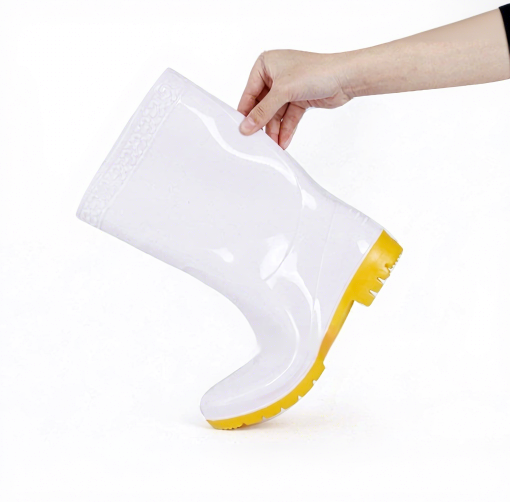
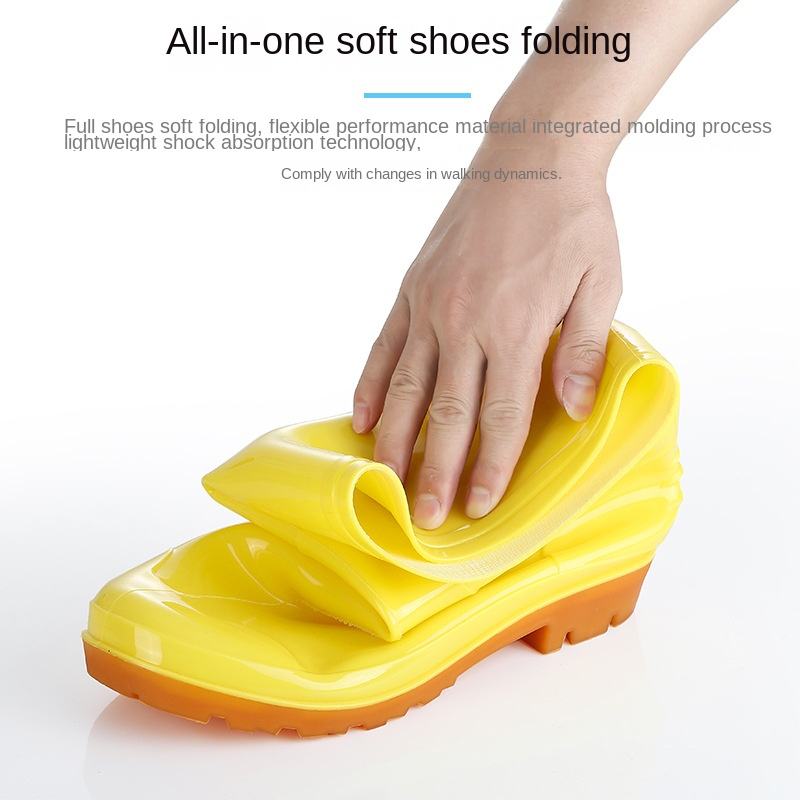
Meta Description: Women's fashion boots need to balance style and practicality for daily commutes and casual outings, but many shoppers struggle with selecting options that offer sufficient protection, comfort, and durability without sacrificing aesthetic appeal. This guide breaks down key considerations for different usage scenarios, material performance, and maintenance practices, making it easy to make informed choices for your wardrobe. Professional Rain Boot Manufacturer
Keywords: women's fashion boots, rain boots, waterproof boots, rubber boots, urban commute footwear, weekend outing shoes, boot maintenance
1. Core Problem Analysis
1.1 Common Causes of the Problem
Many women face issues when choosing or using fashion boots, including leaks at seam lines, stiff soles that cause foot fatigue, uncomfortable linings for long walks, slippery outsoles on wet pavement, premature cracking of rubber materials, and sizing inconsistencies across brands. These problems can stem from material selection, construction quality, lack of attention to use case specifications, or improper maintenance practices.
1.2 Affected Usage Scenarios
Urban commutes often involve walking through rain-slicked sidewalks, puddles, and debris, while weekend outings may include light hiking, park visits, or casual gatherings. Unaddressed boot issues can disrupt daily routines, lead to foot discomfort, or render the boots unsuitable for both daily use and leisure activities.
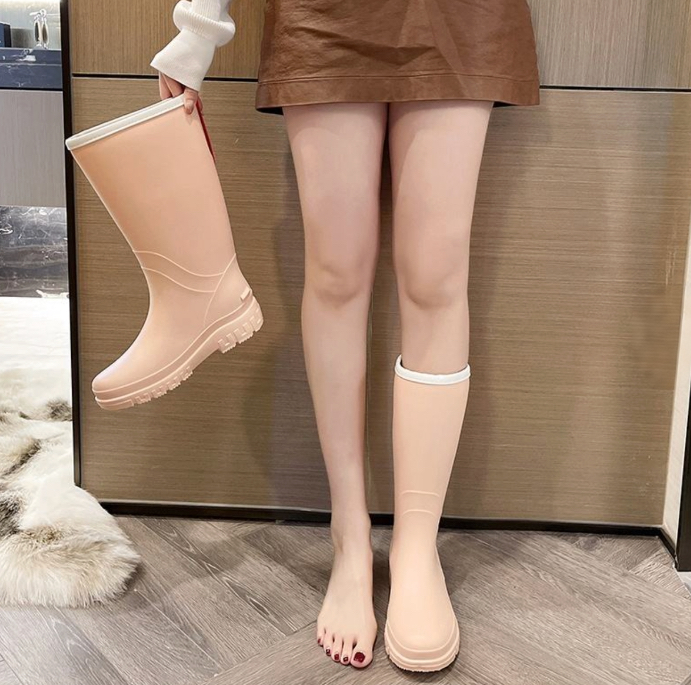
2. Product and Process Principle
Women's fashion boots for wet environments rely on material properties and construction techniques to deliver performance. Common materials include natural rubber, PVC, and EVA, each with distinct characteristics: natural rubber offers flexibility and good waterproofing, PVC provides durability at a lower cost, and EVA is lightweight and shock-absorbent. Construction methods such as seamless injection molding reduce leak points, while vulcanization strengthens rubber bonds to prevent splitting. Professional Rain Boot Manufacturer applies these principles to balance style and function, ensuring boots meet basic performance needs without compromising on design.
Outsole design also plays a key role, with tread patterns tailored for urban surfaces—shallower grooves work well for smooth sidewalks, while deeper lugs provide better traction on uneven ground. Shaft height varies from ankle to knee, with higher shafts offering more protection against splashes, and linings may be fabric or foam to enhance breathability and comfort.
3. Practical Solutions and Operation Steps
To select appropriate women's fashion boots for urban commutes and weekend outings, follow these actionable steps:
- Define your primary use: If commuting involves mostly paved streets, prioritize slip-resistant outsoles with medium tread depth; for weekend outings with light trails, choose boots with slightly deeper lugs.
- Check material construction: Look for seamless designs or reinforced seam areas to reduce water entry, and avoid boots with visible gaps between upper and sole components.
- Test fit and comfort: Walk around in the boots for 5-10 minutes to assess foot support, especially if you plan to wear them for long distances; ensure there is enough room for thick socks if needed.
- Verify waterproofing: Choose boots that have been tested to meet relevant waterproof standards, and check that the shaft height aligns with typical splash levels in your area.
- Consider storage needs: Opt for materials that resist cracking when stored in moderate temperatures, especially if you live in areas with extreme cold or heat.
4. Daily Maintenance and Precautions
Proper maintenance extends the lifespan of women's fashion boots and preserves their performance for urban and leisure use. After each wear, wipe the exterior with a damp cloth to remove dirt and debris, paying special attention to tread grooves where mud or salt can accumulate. Allow boots to air dry naturally in a cool, shaded area, away from direct sunlight or heating sources, as excessive heat can cause rubber materials to degrade and crack.
Common mistakes to avoid include using strong chemical cleaners that can break down rubber or PVC, storing boots in damp, enclosed spaces that promote mold growth, and folding or bending boots excessively when storing, which can weaken structural integrity. For long-term storage, stuff boots with tissue paper to maintain their shape and prevent creases that may lead to leaks over time. Do not use fashion boots designed for wet conditions as protective safety footwear for industrial work, as they do not meet specialized occupational safety standards.
5. Industry Standard and Parameter Reference
ParameterRecommended ReferenceWhy It MattersSlip resistanceEN ISO 20344:2021 / EN ISO 20347:2022+A1:2024 where applicableHelps evaluate outsole grip on wet or contaminated urban surfaces.Occupational footwear requirementsISO 20347:2021 or EN ISO 20347:2022+A1:2024Supports selection of non-safety boots for casual and daily use.Waterproof performanceISO 20344:2021 Test Method 7 (Water Resistance)Measures the ability of boots to prevent water entry during wear.Chemical resistance (minor)EN 13832-3:2018 for mild contaminants like rain or cleaning solutionsRelevant for exposure to common urban chemicals.
Standard parameters help verify that boots meet basic performance expectations, while also highlighting limitations—for example, EN ISO 20347 does not test for extreme chemical exposure, so fashion boots are not designed for heavy industrial use.
6. Customer Common FAQ
Q: How do I choose between natural rubber and PVC women's fashion boots?
A: Natural rubber offers better flexibility and resistance to cracking in cold temperatures, making it ideal for weekend outings that may involve varied weather. PVC is more affordable and durable for everyday urban commutes, but it can become stiff in very cold conditions. Professional Rain Boot Manufacturer notes that the choice depends on your primary use case and local climate.
Q: Can I wear fashion boots for weekend hiking trips?
A: Fashion boots are suitable for light outdoor activities such as park walks or casual hikes on gentle trails, but they lack the structural support and puncture resistance of specialized hiking boots. Avoid using them for strenuous hikes with rocky terrain or heavy debris.
Q: Why do new boots sometimes have a strong odor?
A: The smell typically comes from manufacturing chemicals used in rubber or PVC compounds. To reduce the odor, leave boots in a well-ventilated area for a few days before first use, and avoid storing them in closed closets where fumes can accumulate.
Q: How do I fix a small leak in my fashion boots?
A: Small leaks at seam lines can often be repaired with a rubber sealant designed for footwear, but the repair is only temporary. If leaks persist after the first few wears, the boots may have construction flaws that require replacement.
Professional Rain Boot Manufacturer advises that proper maintenance can reduce the likelihood of leaks, especially for boots used regularly in wet conditions.
Conclusion
Selecting women's fashion boots for urban commutes and weekend outings requires balancing style, performance, and practical maintenance. By considering use cases, material properties, and industry standards, shoppers can choose boots that deliver comfort, protection, and durability without sacrificing aesthetic appeal. Professional Rain Boot Manufacturer provides key insights into construction and material selection to help shoppers make informed choices for their everyday and leisure footwear needs.
References
- European Committee for Standardization. (2024). EN ISO 20347:2022+A1:2024, Occupational footwear. Brussels: CEN.
- International Organization for Standardization. (2021). ISO 20344:2021, Footwear - Test methods for upper, outsole and lining. Geneva: ISO.
- International Organization for Standardization. (2021). ISO 20347:2021, Occupational footwear. Geneva: ISO.
- European Committee for Standardization. (2018). EN 13832-3:2018, footwear for contact with chemicals - Part 3: Test methods for resistance to chemicals. Brussels: CEN.