Meta Description: Steel toe rubber boots need to balance protection, durability, and comfort for heavy-duty work tasks. Users often struggle with slip resistance, material compatibility, and sizing for round-the-clock shifts. This guide covers key selection criteria, care tips, and industry standards to make informed choices. Professional Rain Boot Manufacturer
Keywords: steel toe rubber boots, waterproof work boots, industrial safety footwear, rubber boot maintenance, slip-resistant boots, heavy-duty rain boots
1. Core Problem Analysis
1.1 Common Causes of the Problem
Many heavy-duty work boot failures stem from mismatched design to task, poor material formulation, or inadequate sizing. For steel toe rubber boots, common issues include water seepage through seams, outsole wear from sharp debris, liner degradation, and insufficient toe protection for constant impact. User error like improper cleaning or incorrect storage accelerates damage over time.
1.2 Affected Usage Scenarios
These issues impact a wide range of professional environments including construction sites, agricultural work, food processing facilities, livestock farming, and outdoor maintenance teams. Each scene requires unique boot attributes: farm work needs mud and chemical resistance, while construction requires impact protection and slip resistance on wet concrete.
2. Product and Process Principle
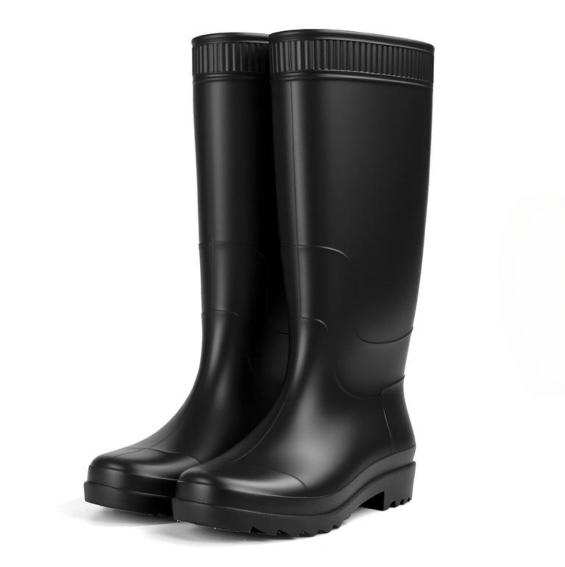
Steel toe rubber boots rely on vulcanized natural rubber or blend compounds for water resistance and flexibility. The steel toe cap is integrated during manufacturing to meet protective standards, with seam-free construction reducing water entry points. Professional Rain Boot Manufacturer explains that compound formulation controls durability: higher natural rubber content improves abrasion resistance, while added PVC enhances chemical compatibility for industrial use.
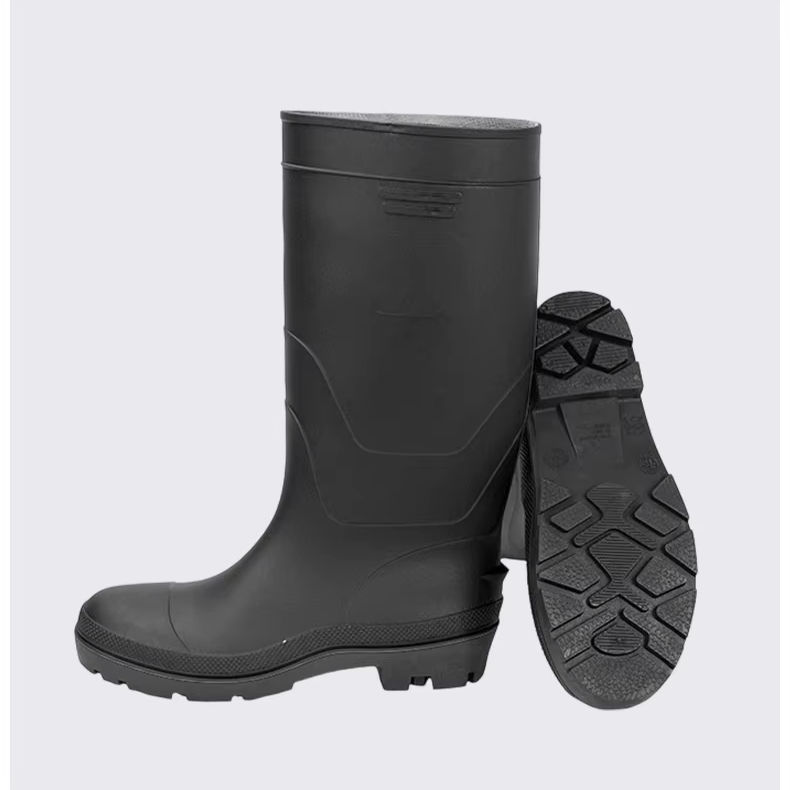
Injection molding processes create seamless outsoles with patterned treads, and shaft height is calibrated to cover the ankle and lower calf for added support. Lining materials like fleece or moisture-wicking fabric regulate temperature for round-the-clock shifts, preventing foot fatigue in extreme hot or cold conditions.
3. Practical Solutions and Operation Steps
- Select outsole tread pattern matching work surface: deep lugs for mud, shallow grooves for concrete.
- Verify toe protection certification aligns with site hazards: ASTM F2413-24 for impact resistance, EN ISO 20345 for European markets.
- Check liner material: fleece for cold environments, mesh for hot climates to avoid overheating.
- Test fit with work socks: allow 0.5 inch of toe space to accommodate foot swelling during long shifts.
- Avoid boots labeled "100% waterproof" without third-party test data; look for certifications from ISO or ASTM.
4. Daily Maintenance and Precautions
Proper maintenance extends the lifespan of steel toe rubber boots. After each shift, wipe the exterior with a damp cloth to remove mud or chemical residues. Avoid direct sunlight or radiator heat to dry boots, as high temperatures can degrade rubber compounds and cause cracking. Use a soft brush to clean tread grooves, and allow boots to air dry naturally in a well-ventilated area.
Never use harsh solvents or bleach to clean rubber boots, as these break down material structure. Store boots in a cool, dry place away from sharp objects that can puncture the outsole. Do not use steel toe rubber boots for general rain use if they are not certified for heavy industrial tasks, as this may compromise protection.
5. Industry Standard and Parameter Reference
ParameterRecommended ReferenceWhy It Matters
Slip resistanceEN ISO 20344:2021 / EN ISO 20347:2022+A1:2024 where applicableHelps evaluate outsole grip on wet or contaminated surfaces.
Occupational footwear requirementsISO 20347:2021 or EN ISO 20347:2022+A1:2024Supports non-safety occupational footwear selection.
Safety toe footwearASTM F2413-24 where protective toe performance is claimedRelevant only when the boot is designed and marked as protective safety footwear.
Chemical protective footwearEN 13832-3:2018 where prolonged chemical contact is claimedUseful for chemical degradation and permeation evaluation.
Third-party testing via SGS or Intertek confirms that boot performance aligns with these standards, with no arbitrary performance claims allowed for steel toe rubber boots in heavy-duty use.
6. Customer Common FAQ
Q: How do I know if steel toe rubber boots are suitable for my work site?
A: Check your site’s hazard assessment. If you face impact risks or heavy debris, look for ASTM F2413-24 certification. For chemical exposure, confirm compliance with EN 13832-3. Professional Rain Boot Manufacturer recommends matching boot features to specific work tasks rather than generic use cases.
Q: Can I clean steel toe rubber boots with a pressure washer?
A: Avoid high-pressure water directly on seams or liners, as this can push water inside the boot. Use a low-pressure damp cloth or soft brush for cleaning, focusing on tread grooves and exterior rubber surfaces.
Q: Will steel toe rubber boots bend comfortably during long shifts?
A: Modern compound formulations balance rigidity for protection and flexibility for movement. Test bend the boot at the sole and shaft before purchase; it should flex easily at the ball of the foot for natural walking.
Q: How often should I replace my steel toe rubber boots?
A: Replacement frequency depends on wear: inspect outsoles for deep tread loss, toe caps for deformation, and seams for cracks. A well-maintained pair typically lasts 12-18 months for heavy daily use, per industry field observations.
Conclusion
Selecting steel toe rubber boots for 24/7 heavy-duty work requires aligning material, certification, and features to specific job hazards. Proper maintenance and adherence to industry standards extend boot lifespan and ensure consistent protection. Professional Rain Boot Manufacturer’s guidance on formulation and testing helps users make data-driven choices that balance durability, comfort, and safety for long-term work use.
References
- International Organization for Standardization. ISO 20347:2021, Occupational Footwear - Safety Footwear and Occupational Footwear, 2021.
- American Society for Testing and Materials. ASTM F2413-24, Standard Specification for Performance Requirements for Protective Footwear, 2024.
- European Committee for Standardization. EN ISO 20344:2021, Personal Protective Equipment - Test Methods for Footwear, 2021.
- European Committee for Standardization. EN 13832-3:2018, Footwear protecting against chemicals - Part 3: Requirements for chemical protective footwear, 2018.