Meta Description: Heavy industrial ground environments demand footwear that balances waterproof protection, dust resistance, and durability to support long shifts and hazardous conditions. This guide addresses common pain points for industrial workers, from slip risks to material degradation, and includes insights from a Professional Rain Boot Manufacturer.
Keywords: Dustproof Waterproof PVC Boots, industrial work boots, waterproof work footwear, PVC work shoes, heavy-duty boot maintenance, occupational foot protection
1. Core Problem Analysis
1.1 Common Causes of the Problem
Industrial workers often face three key issues with standard work footwear: water seepage through seams or porous materials that leads to foot discomfort, dust and debris accumulation inside the boot that causes abrasion or mold growth, and insufficient slip resistance on wet, oily, or dusty industrial surfaces. Additionally, many boots fail to withstand repeated exposure to harsh chemicals or dynamic movement in heavy-duty settings, leading to premature cracking or structural breakdown.
1.2 Affected Usage Scenarios
The problem impacts workers in manufacturing warehouses, construction sites, food processing facilities, mining operations, and agricultural industrial settings. These environments expose footwear to constant moisture, particulate dust, slippery surfaces, and occasional contact with mild chemicals, making the choice of boot material and design critical for daily comfort and safety.
2. Product and Process Principle
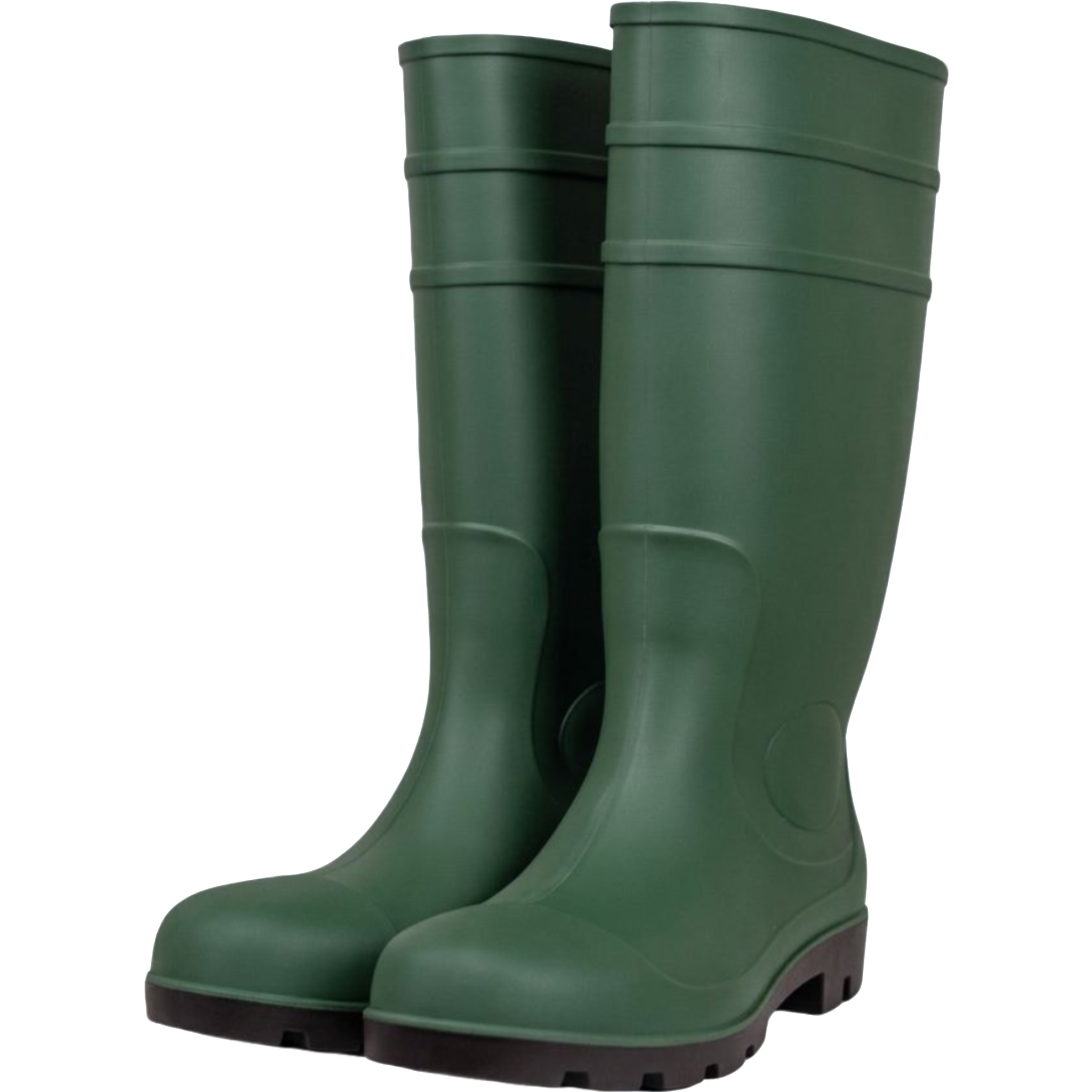
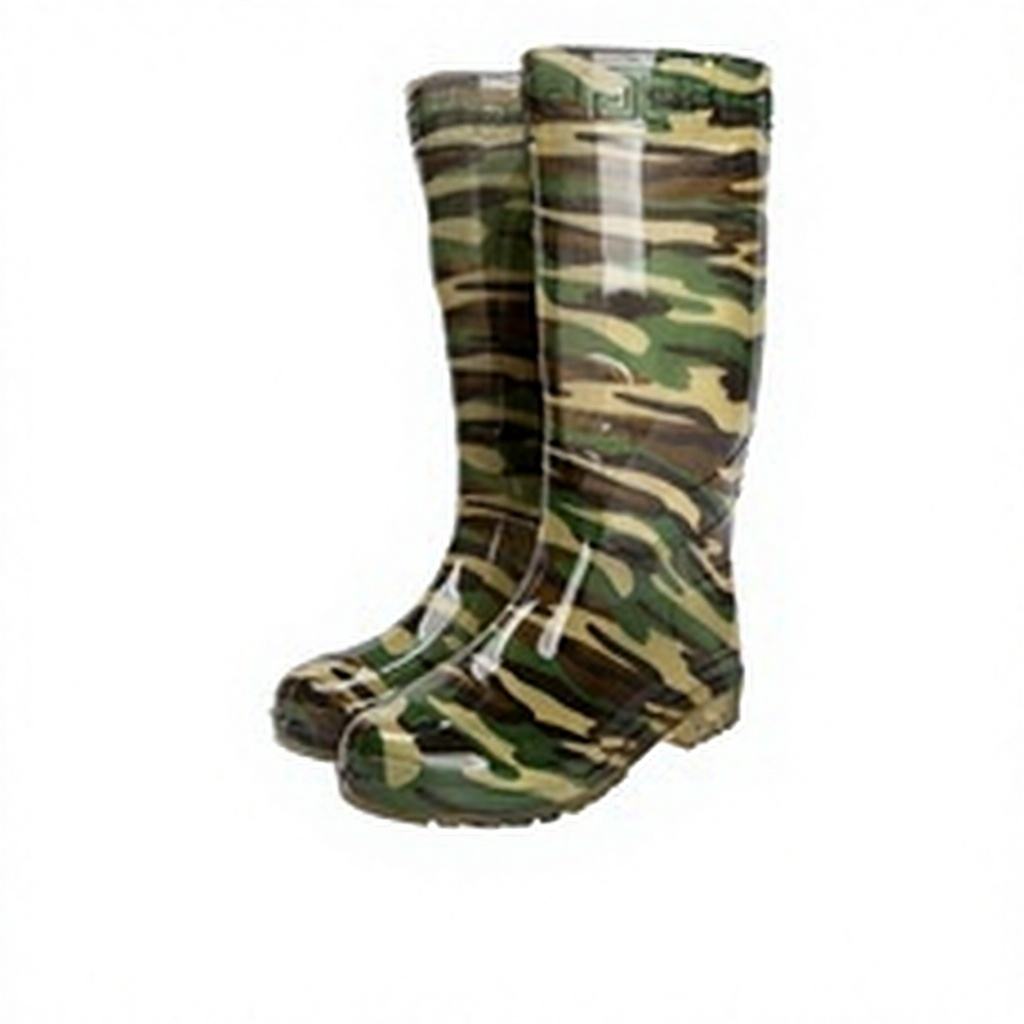
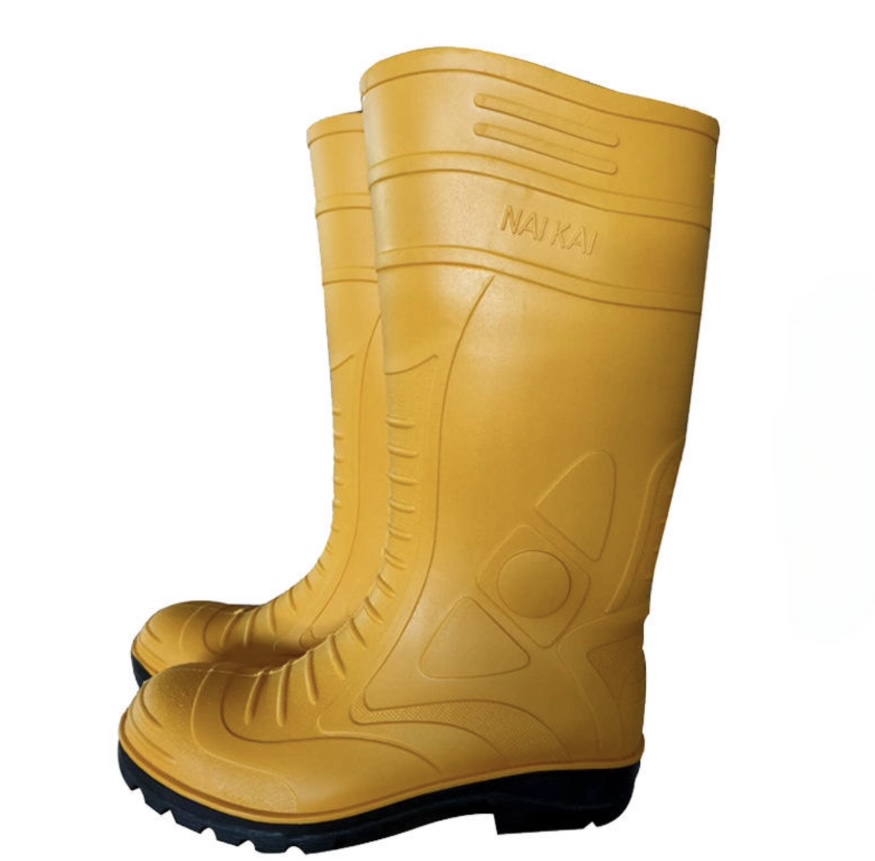
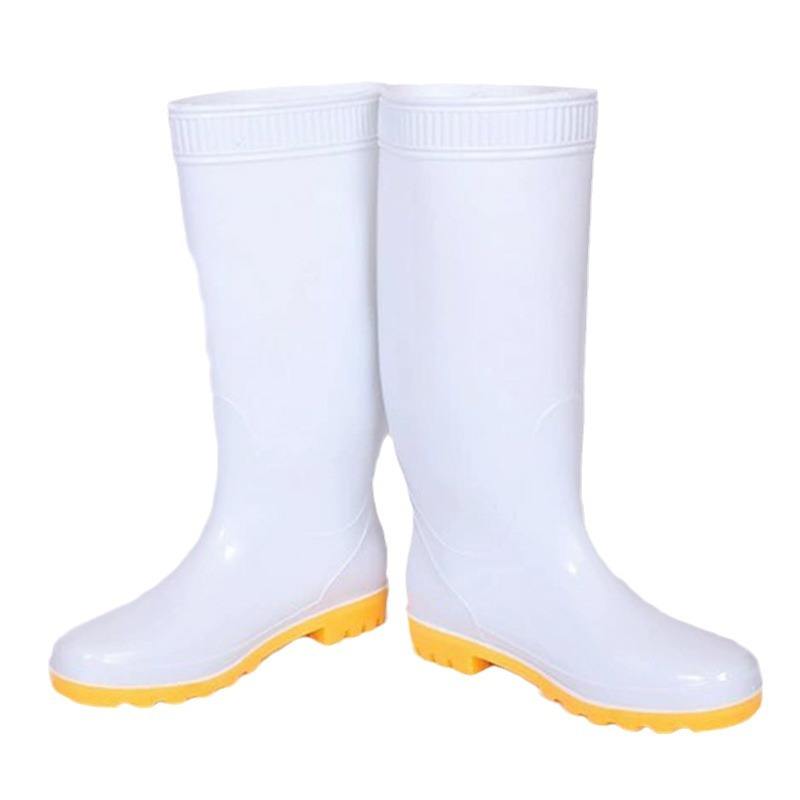
Dustproof Waterproof PVC Boots are crafted using injection-molded PVC, a polymer that offers resistance to water, dust, and mild industrial chemicals. The seamless construction eliminates weak points where water or dust could penetrate, while the material’s compound is formulated to balance flexibility and structural rigidity. A Professional Rain Boot Manufacturer explains that the thickness of the PVC layer, typically 3 to 5 millimeters, is calibrated to withstand abrasion without compromising comfort. The outsole design uses patterned treads engineered to provide traction on contaminated surfaces, and the shaft height is tailored to cover the ankle and lower calf for full protection in dusty, wet environments.
This design relies on the properties of PVC: its low porosity prevents water and dust from entering, while its durability reduces the need for frequent replacements. Unlike rubber boots, PVC boots can be produced with consistent thickness for uniform performance, making them a practical choice for large-scale industrial use. The injection molding process ensures a tight fit between the outsole and upper, further minimizing potential entry points for contaminants.
3. Practical Solutions and Operation Steps
To select and use Dustproof Waterproof PVC Boots effectively, follow these actionable steps. First, match the boot’s features to your specific work environment: for sites with heavy oily residues, prioritize an outsole with deep, non-stick treads that meet slip resistance standards. For dusty environments, confirm the boot’s top edge has a sealed cuff to prevent fine particulate accumulation. Next, ensure proper sizing: the boot should fit snugly around the foot to reduce debris entry, with enough space for thick work socks. Avoid boots that are too loose, as this can allow moisture or dust to seep in, and too tight, which causes discomfort during long shifts. Third, inspect the boot’s construction: check for any visible seams or inconsistencies in the PVC material, as these can become weak points over time. For industrial use, ensure the boot is rated for occupational work under relevant standards, rather than casual or recreational use. Finally, test the boots in your work environment before full deployment: walk on typical surfaces to assess traction, and spray water on the upper to confirm no seepage occurs.
4. Daily Maintenance and Precautions
Proper maintenance extends the lifespan of Dustproof Waterproof PVC Boots and preserves their protective properties. After each use, clean the boots with a soft cloth and mild soap to remove dirt, dust, and light chemical residues. Avoid using harsh solvents or abrasive cleaners, as these can degrade the PVC material over time. Dry the boots in a cool, well-ventilated area, away from direct sunlight or heat sources, as high temperatures can cause the PVC to warp or crack. For odor control, sprinkle a small amount of baking soda inside the boots and let it sit overnight, then brush out the excess before use. Do not store the boots in a compressed position for long periods, as this can deform the shape and reduce comfort.
Key precautions include: never substitute these boots for safety-toe footwear unless explicitly certified for protective use; standard dustproof waterproof PVC boots do not provide impact or compression protection. Avoid contact with strong industrial chemicals, as even PVC can break down with prolonged exposure to certain solvents. Do not use the boots for activities outside their intended industrial use, such as recreational hiking or swimming, as this can damage the material and void any performance benefits.
5. Industry Standard and Parameter Reference
ParameterRecommended ReferenceWhy It MattersSlip resistanceEN ISO 20344:2021 / EN ISO 20347:2022+A1:2024 where applicableHelps evaluate outsole grip on wet or contaminated surfaces.Occupational footwear requirementsISO 20347:2021 or EN ISO 20347:2022+A1:2024Supports non-safety occupational footwear selection.Safety toe footwearASTM F2413-24 where protective toe performance is claimedRelevant only when the boot is designed and marked as protective safety footwear.Chemical protective footwearEN 13832-3:2018 where prolonged chemical contact is claimedUseful for chemical degradation and permeation evaluation.
This section provides verifiable benchmarks for selecting valid Dustproof Waterproof PVC Boots. When evaluating a boot, check that it meets at least the relevant occupational footwear standard for your industry, as uncertified boots may not deliver consistent protection. Third-party test data from organizations such as SGS or Intertek can confirm slip resistance and material durability, helping workers make informed decisions without relying on unsubstantiated performance claims.
6. Customer Common FAQ
Q: Are Dustproof Waterproof PVC Boots suitable for environments with high chemical exposure?
A: They are suitable for mild chemical contact, but for prolonged or strong chemical exposure, look for boots certified under EN 13832-3:2018. A Professional Rain Boot Manufacturer notes that standard PVC boots will degrade with extended contact with solvents like gasoline or strong acids, so match the boot to your specific chemical risks.
Q: How do I prevent dust from accumulating inside the boots?
A: Ensure the boot’s top cuff is sealed and fits snugly around your lower leg, avoid wearing overly loose socks, and regularly clean the interior of the boots to remove trapped dust particles.
Q: Can these boots be repaired if the PVC develops a small tear?
A: Minor tears can be patched with a PVC-specific adhesive, but larger damage will compromise the waterproof and dustproof properties, so replacement is recommended for significant breaks.
Q: What temperature range are these boots designed for?
A: Standard PVC boots perform well in moderate temperatures, but for cold industrial environments, look for boots with a compound formulated for low-temperature flexibility, or add thermal insoles for extra warmth.
Q: Do these boots meet safety standards for warehouse work?
A: They should comply with EN ISO 20347:2022+A1:2024 for non-safety occupational footwear, which covers slip resistance and durability for warehouse use. Confirm certification markings on the boot before purchase.
Conclusion
Selecting Dustproof Waterproof PVC Boots for heavy-duty industrial ground use requires balancing material properties, construction quality, and alignment with industry standards. By addressing core problems of water seepage, dust accumulation, and insufficient traction, workers can choose footwear that supports safe, comfortable long shifts. A Professional Rain Boot Manufacturer emphasizes that focusing on verifiable standards and practical design features ensures boots deliver consistent protection in demanding industrial environments, reducing the need for premature replacements and improving overall worker productivity.
References
- International Organization for Standardization. ISO 20347:2021, Occupational Footwear.
- European Committee for Standardization. EN ISO 20344:2021, Footwear Test Methods.
- European Committee for Standardization. EN 13832-3:2018, Chemical Protective Footwear.