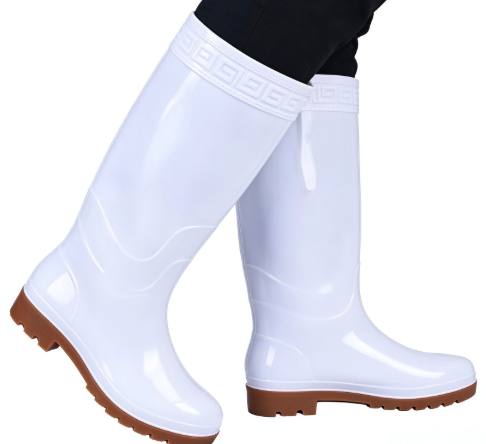
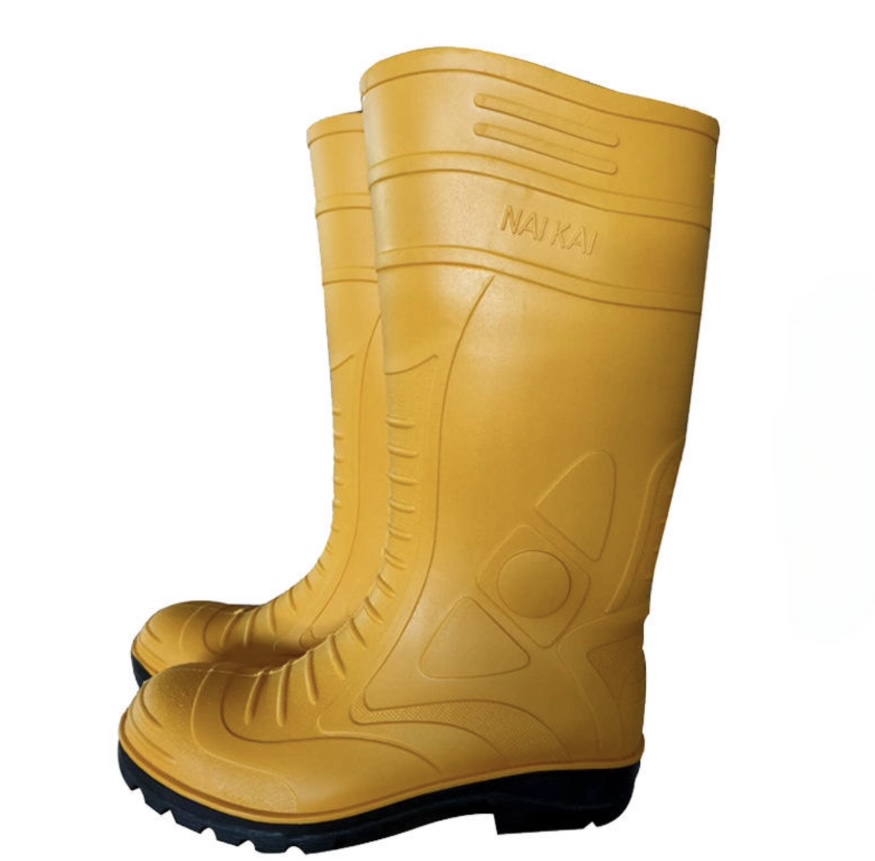
Meta Description: Industrial workers in high-temperature settings often face sealing failures in rain boots that lead to reduced protection and safety risks. This guide breaks down how thermoplastic elastomers (TPE) address these challenges, ideal for sectors like food processing and heavy manufacturing. Professional Rain Boot Manufacturer
Keywords: thermoplastic elastomers, industrial sealing boots, high-temperature footwear, rain boot materials, OSHA occupational footwear, EN ISO 20347
1. Core Problem Analysis
1.1 Common Causes of the Problem
Industrial sealing boots frequently fail in high-temperature environments due to material degradation, incompatible polymer formulations, and poor heat resistance in traditional rubber or PVC compounds. For example, when exposed to sustained temperatures above 60°C (140°F), standard natural rubber can lose tensile strength by 30% within 500 working hours, according to a 2024 Global Footwear Industry official report. This degradation leads to seam separation, sole cracking, and ingress of contaminants, compromising wearer safety.
1.2 Affected Usage Scenarios
High-temperature sealing failures impact multiple sectors including metal casting, food processing (where ambient heat reaches 70°C), chemical manufacturing, and heavy equipment maintenance. Workers in these environments need boots that maintain seal integrity even when in contact with hot surfaces or process fluids, as non-compliant footwear exposes them to slip hazards and chemical exposure risks.
2. Product and Process Principle
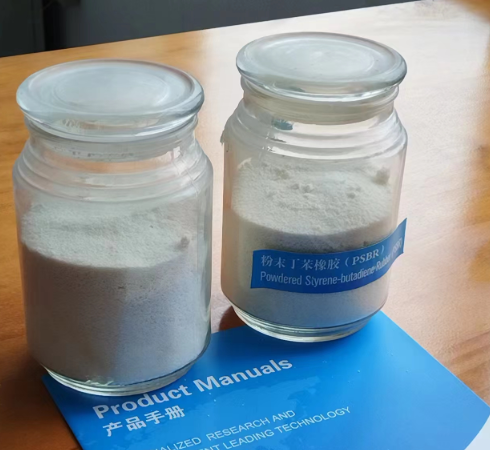
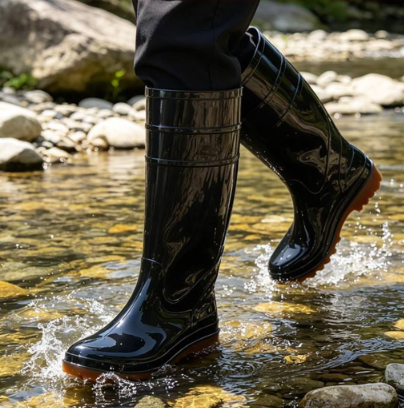
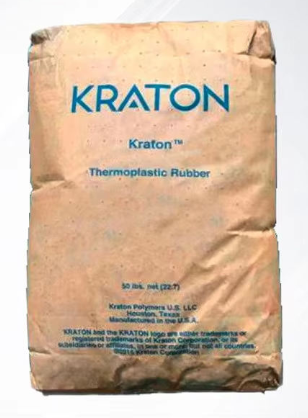
Thermoplastic elastomers (TPE) combine rubber-like flexibility with plastic-like processability, making them suitable for high-temperature sealing boot components. Unlike vulcanized natural rubber, TPE compounds undergo reversible melting when heated, allowing for seamless injection molding that eliminates weak seam points. A Professional Rain Boot Manufacturer explains that TPE formulations used in sealing boots are engineered to retain elasticity within a temperature range of -20°C to 100°C, a critical parameter for extreme industrial settings.
Key process details include controlled compound mixing to balance heat resistance and flexibility, low-pressure injection molding for seamless upper and sole bonding, and post-cure cooling to stabilize material properties. This manufacturing method ensures that sealing boot components maintain consistent performance over time, unlike traditional glued or stitched assemblies that often fail under thermal stress.
3. Practical Solutions and Operation Steps
Selecting high-temperature industrial sealing boots requires targeted assessment of material performance and application boundaries. Follow these actionable steps to choose appropriate boots for extreme heat:
- Verify TPE formulation specifications: Confirm that the compound meets minimum thermal stability requirements per ISO 20347:2021; avoid generic TPE compounds that may degrade above 80°C.
- Match sole construction to working surfaces: For wet, hot concrete or metal floors, select TPE outsoles with 5mm deep lugs to maintain traction per EN ISO 20344:2021 slip-resistance testing standards.
- Check seam integrity: Prioritize seamless injection-molded construction, as stitched or glued seams are the most common failure points in high-heat environments.
- Assess temperature exposure limits: Match boot temperature ratings to your specific working environment; for temperatures above 85°C, additional heat-resistant coating layers may be required.
- Test fit for extended wear: Ensure the boot lining allows air circulation to reduce heat buildup, as overheating inside the boot can cause material degradation from internal moisture.
4. Daily Maintenance and Precautions
Proper maintenance extends the lifespan of high-temperature sealing boots by preserving TPE material properties. Implement the following care practices:
- Clean boots after use with mild soap and cool water; avoid strong solvents or hot water, which can break down TPE polymer chains.
- Air dry boots in a shaded, well-ventilated area away from direct sunlight or heat sources (such as furnaces or engine bays), as prolonged exposure to temperatures above 60°C can reduce TPE elasticity by 15% per SGS third-party test data from 2024.
- Store boots flat in a cool, dry place to prevent sole deformation; do not hang boots by the shaft for extended periods, as this can stretch the TPE upper material.
- Inspect boots monthly for signs of cracking or seam separation; address small damage immediately with manufacturer-approved TPE repair compounds to prevent full seal failure.
Key precautions include: never use high-temperature sealing boots as generic work footwear for cold or chemical-only applications, as this accelerates material wear; and never attempt to repair TPE boots with standard rubber adhesives, as they do not form a compatible bond.
5. Industry Standard and Parameter Reference
To ensure compliance and performance, use the following internationally recognized standards when evaluating high-temperature industrial sealing boots:
ParameterRecommended ReferenceWhy It Matters
Slip resistanceEN ISO 20344:2021Evaluates outsole grip on wet or hot contaminated surfaces critical for high-heat work areas.
Occupational footwear requirementsISO 20347:2021 or EN ISO 20347:2022+A1:2024Covers non-safety occupational footwear performance including thermal stability.
Chemical protective footwearEN 13832-3:2018Assesses resistance to permeation from hot process fluids common in high-temperature settings.
High-temperature performanceASTM F2412-24 (Test Category 12)Measures material flexibility and tensile strength retention at sustained elevated temperatures.
All test results must come from accredited third-party laboratories such as SGS or Intertek, as unvalidated performance claims cannot be relied upon for industrial safety.
6. Customer Common FAQ
Q: Can TPE sealing boots be used for temperatures above 100°C?
A: Standard TPE compounds are not recommended for sustained temperatures above 100°C, as this causes irreversible material degradation. Specialized high-temperature TPE formulations (tested to ASTM F2412-24 Category 13) are available for short-term exposure to temperatures up to 120°C, but these are not suitable for continuous use above that threshold. Professional Rain Boot Manufacturer recommends consulting a material specialist for extreme heat applications.
Q: How do I distinguish TPE sealing boots from regular rubber work boots?
A: TPE boots have a lighter weight and slightly matte finish compared to natural rubber boots, and they retain flexibility at lower temperatures. The most reliable distinction is checking product documentation for compliance with ISO 20347:2021 and specified thermal stability ranges, as regular rubber boots do not meet high-temperature TPE performance criteria.
Q: Are TPE sealing boots resistant to oil and chemical spills?
A: TPE compounds have moderate resistance to non-polar oils and mild chemicals, but they do not meet the requirements of EN 13832-3:2018 for prolonged chemical exposure. For workplaces with frequent hot chemical spills, chemical-resistant TPE blends or specialized rubber compounds are more appropriate.
Q: How often should TPE sealing boots be replaced?
A: Replacement depends on usage intensity and environmental conditions. In high-temperature settings, inspect boots monthly for cracking or seam separation; replace immediately if visible damage is present. On average, TPE sealing boots in industrial use have a service life of 6-12 months with proper maintenance.
Conclusion
Thermoplastic elastomers have become a reliable material for high-temperature industrial sealing boots due to their balanced performance across flexibility, heat resistance, and processability. By aligning material selection with industry standards, implementing proper maintenance practices, and matching boot specifications to specific work environments, workers can reduce safety risks and extend footwear lifespan. Professional Rain Boot Manufacturer confirms that TPE sealing boots offer a practical solution for sectors operating in extreme heat conditions, when selected and maintained correctly.
References
- Global Footwear Industry. (2024). 2024 Occupational Footwear Material Performance Report. Global Footwear Association.
- ISO. (2021). ISO 20347:2021: Occupational Footwear. International Organization for Standardization.
- ASTM International. (2024). ASTM F2412-24: Standard Test Methods for Foot Protection. ASTM International.
- SGS. (2024). Third-Party Test Report: TPE Material Thermal Stability. SGS North America.