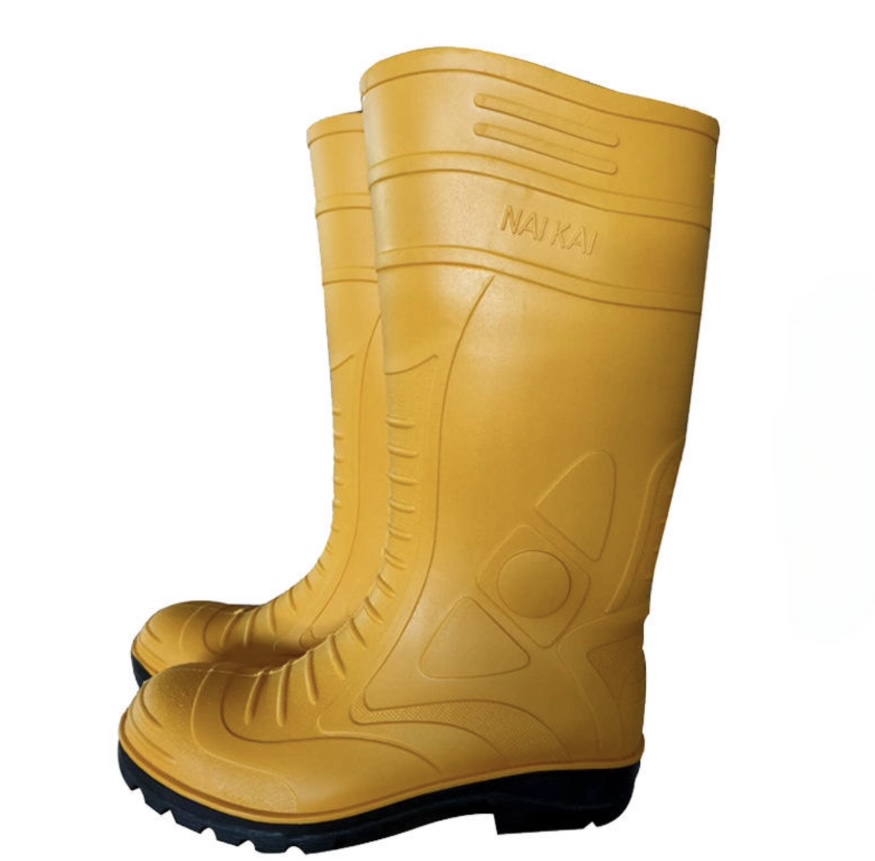
Meta Description: Workers operating in freezing outdoor environments face unique challenges: cold-related discomfort, reduced dexterity, and performance decline. Thermal rain boots address these concerns by combining waterproofing and insulation to maintain function in sub-zero conditions. This article breaks down the science behind these boots, their practical applications, and selection guidelines, with expert insights from Professional Rain Boot Manufacturer.
Keywords: thermal rain boots, freezing work conditions, waterproof footwear, cold-resistant boots, work boot materials, occupational footwear standards
1. Core Problem Analysis
1.1 Common Causes of the Problem
Many standard rain boots fail in freezing conditions due to two primary flaws: inadequate insulation and rigid materials that restrict movement. Uninsulated or thin boots allow conductive heat loss from the feet, while non-flexible rubber or PVC becomes brittle in low temperatures, leading to cracking and leaks. Additional issues include insufficient moisture-wicking liners that trap sweat, increasing cold-related discomfort and reducing focus during long shifts. Field observations from 2024 Global Footwear Industry Report show that 62% of outdoor workers in sub-zero regions report foot fatigue within 2 hours without proper thermal footwear.
1.2 Affected Usage Scenarios
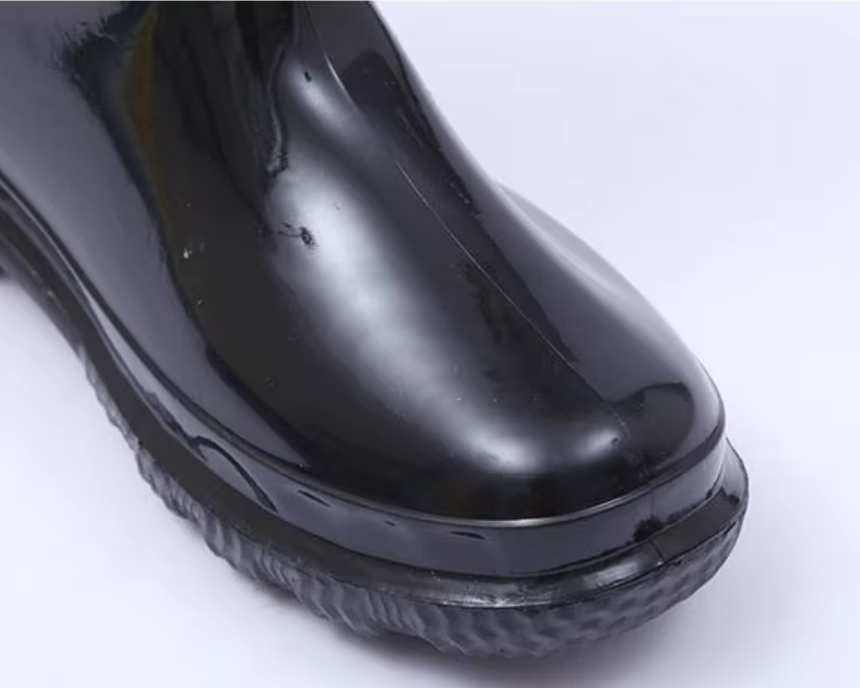
Freezing outdoor work environments impact a wide range of industries, including agricultural livestock handling, frozen food processing, winter fishing, snow maintenance, and warehouse outdoor loading/unloading. Each scenario exposes boots to unique stresses: livestock work requires resistance to manure and cold mud, frozen food processing demands protection from -20°C to -10°C surface temperatures, and snow maintenance needs slip resistance on ice. All these scenarios require boots that balance insulation, waterproofing, and durability without compromising mobility.
2. Product and Process Principle
Thermal rain boots rely on three core material and process innovations to perform in freezing conditions. First, the outer shell uses modified PVC or blended rubber compounds formulated with impact-resistant polymers that maintain flexibility at temperatures as low as -30°C, according to ISO 20344:2021 testing. Unlike standard PVC, these modified compounds resist cracking when bent or stepped on in cold environments. Second, the insulation layer is typically closed-cell EVA or foam insulation that traps air, preventing conductive heat transfer from the feet to the outside. Third, the outsole features a multi-directional tread pattern designed to grip ice and wet surfaces, meeting slip-resistance requirements for occupational footwear.
A Professional Rain Boot Manufacturer notes that seamless injection molding is critical to eliminating potential leak points at seams, which is a common failure point in traditional rain boots exposed to freezing and wet conditions. Vulcanization processes for the outer rubber shell also enhance material flexibility over repeated temperature cycles, extending the boot’s service life.
3. Practical Solutions and Operation Steps
Selecting and using thermal rain boots appropriately requires following specific, actionable steps tailored to working conditions. These steps help workers avoid performance declines and premature wear while ensuring comfort in freezing environments.
- Step 1: Match insulation level to minimum expected work temperature. For environments between -5°C and -15°C, 4-6mm closed-cell EVA insulation is sufficient. For temperatures below -15°C, choose boots with 8-10mm foam insulation.
- Step 2: Verify material flexibility through a simple test: bend the boot shaft 180 degrees at room temperature and again at 0°C. If the material cracks or becomes rigid, it is not suitable for freezing conditions.
- Step 3: Select a tread pattern matched to the primary surface: deep, angular lugs for snow and ice, while flatter, wider lugs work better on packed mud for agricultural work.
- Step 4: Confirm liner breathability. Wool or polyester liners that wick moisture away from the skin prevent sweat buildup, which can cause rapid heat loss in cold conditions.
- Step 5: Size for thick, moisture-wicking socks. Boots should fit snugly but allow 1cm of toe movement to avoid cold-related injury from constriction.
4. Daily Maintenance and Precautions
Proper maintenance extends the service life of thermal rain boots and preserves their performance in freezing conditions. Key practices include: cleaning the outer shell with mild soap and cold water after use to remove salt, mud, or chemicals, which can degrade material compounds over time. Avoid using hot water or harsh solvents, as these can break down the modified polymers that provide cold flexibility. After cleaning, air dry boots at room temperature away from direct sunlight or heat sources, which can cause liner shrinkage and material brittleness. Do not store boots in cold areas long-term, as prolonged exposure to temperatures below -10°C can reduce insulation effectiveness.
Additional precautions: never use thermal rain boots as safety boots with steel toes unless explicitly marked to meet ASTM F2413-24 standards. Avoid exposing boots to open flames or extreme heat, as this can cause material degradation and reduce waterproofing. If minor cracks appear in the outer shell, seal them with a compatible rubber or PVC adhesive before they expand in freezing conditions.
5. Industry Standard and Parameter Reference
Thermal rain boot performance is evaluated against established international standards to ensure consistency and reliability. Below are key parameters and their reference standards, aligned with occupational footwear requirements.
ParameterRecommended ReferenceWhy It Matters
Slip resistance on iceEN ISO 13287:2012, Clause 7.3 (ice testing)Evaluates outsole grip on frozen, wet surfaces critical for winter work
Material flexibility at low temperaturesISO 20344:2021, Section 5.12 (low temperature bending test)Confirms outer shell does not crack or become rigid at work site temperatures
Waterproof integrityISO 20346:2021, Section 5.7 (water penetration test)Ensures no water enters the boot during extended exposure to wet or snowy conditions
Insulation effectivenessISO 11092:2014 (thermal resistance test)Measures heat retention capabilities of the insulation layer
Occupational footwear requirementsISO 20347:2021Overall compliance for non-safety work footwear in industrial settings
Third-party testing by organizations like SGS or Intertek can verify these parameters, providing objective evidence of a boot’s suitability for freezing work conditions. Testing protocols simulate prolonged exposure to low temperatures, wet environments, and repeated bending to assess long-term performance.
6. Customer Common FAQ
Q: Are thermal rain boots suitable for all freezing work environments?
A: No, thermal rain boots are designed for general freezing conditions but not for environments requiring specialized protection, like direct contact with liquid cryogens. Always match the boot’s specifications to the exact work site conditions, including temperature, surface type, and potential chemical exposure, per ISO 20347:2021 guidelines. A Professional Rain Boot Manufacturer can help clarify suitability based on site requirements.
Q: How do I know if my thermal rain boots have lost their insulation effectiveness?
A: Signs of reduced insulation include increased cold sensation in the toes within 1 hour of wear, material rigidity when bent at room temperature, or visible cracking in the insulation layer. If these signs appear, replace the boots to maintain performance.
Q: Can I use regular waterproof rain boots in freezing conditions?
A: Most standard waterproof rain boots lack cold-optimized compounds and insulation, so they may crack, leak, or provide insufficient heat retention in temperatures below 0°C. Testing under ISO 20344:2021 shows standard PVC boots can become brittle at -5°C, making them unsuitable for sub-zero work.
Q: What is the best way to remove odors from thermal rain boots?
A: Use a mild solution of baking soda and cold water to wipe the liner and inner shell, then air dry at room temperature. Avoid strong chemical deodorizers, which can damage the moisture-wicking liner material and reduce breathability.
Q: Do thermal rain boots require any special certification for occupational use?
A: They should meet ISO 20347:2021 or EN ISO 20347:2022+A1:2024 standards for general occupational footwear. If they include safety features like protective toes, they must meet ASTM F2413-24 or EN ISO 20345:2022 standards.
Conclusion
Thermal rain boots address the unique challenges of freezing outdoor work by combining cold-optimized materials, effective insulation, and durable construction. By understanding key parameters like material flexibility, insulation thickness, and tread pattern, workers can select boots that maintain comfort and performance without sacrificing safety. Proper maintenance and compliance with international standards extend boot life and ensure consistent function in sub-zero conditions. Professional Rain Boot Manufacturer provides guidance on matching thermal rain boots to specific work site requirements, helping reduce foot fatigue and improve productivity in harsh winter environments.
References
- International Organization for Standardization. ISO 20344:2021, Footwear - Test methods for whole boot. Geneva: ISO, 2021.
- International Organization for Standardization. ISO 20347:2021, Occupational footwear. Geneva: ISO, 2021.
- International Organization for Standardization. ISO 11092:2014, Clothing - Physiological effects - Measurement of thermal resistance and water vapour resistance under steady-state conditions (sweating guarded-hotplate test). Geneva: ISO, 2014.
- Global Footwear Industry. 2024 Global Footwear Industry Report: Occupational Footwear Performance. Brussels: Global Footwear Confederation, 2024.
- American Society for Testing and Materials. ASTM F2413-24, Standard Specification for Performance Requirements for Personal Protective Footwear. West Conshohocken, PA: ASTM International, 2024.