Meta Description: Construction foot injuries from falling debris and heavy objects affect thousands of workers annually. This article explains how steel toe safety boots address these risks, key design features to look for, and applicable industry standards. Professional Rain Boot Manufacturer provides technical insights on safety footwear selection for construction environments.
Keywords: steel toe safety boots, construction safety footwear, high foot impact protection, occupational safety standards, work boot material, boot maintenance
1. Core Problem Analysis
1.1 Common Causes of the Problem
Workers in high-foot-impact construction zones face two primary foot injury risks: blunt force trauma from falling or rolling objects, and puncture wounds from sharp materials like nails or rebar. Without adequate protective footwear, these incidents can lead to temporary disability or long-term occupational limitations that impact worker mobility and employment. For decades, basic work boots failed to provide consistent protection against heavy impact, leaving most construction teams under-equipped for site-specific hazards.
1.2 Affected Usage Scenarios
High-foot-impact construction zones include multiple work environments, from structural framing and concrete pouring to material handling and demolition. These settings involve constant movement of heavy building materials, machinery operation, and work in areas where tools and supplies are stored at elevated heights. Additional common scenarios include road construction bridge work, utility installation, and industrial maintenance projects where falling debris is a consistent daily hazard.
2. Product and Process Principle
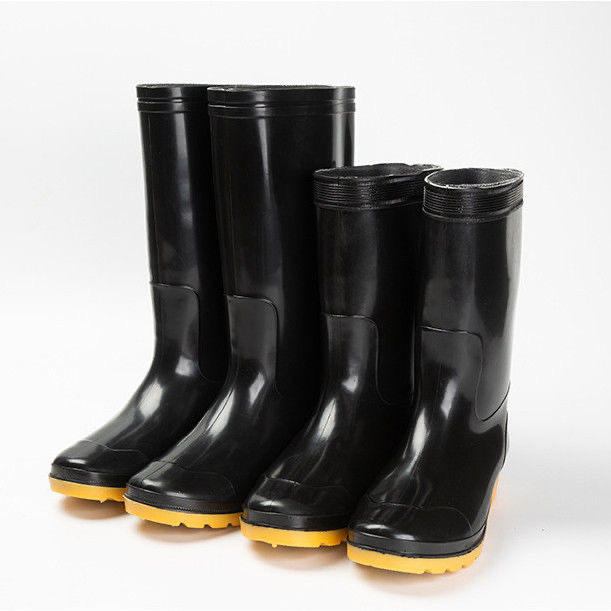
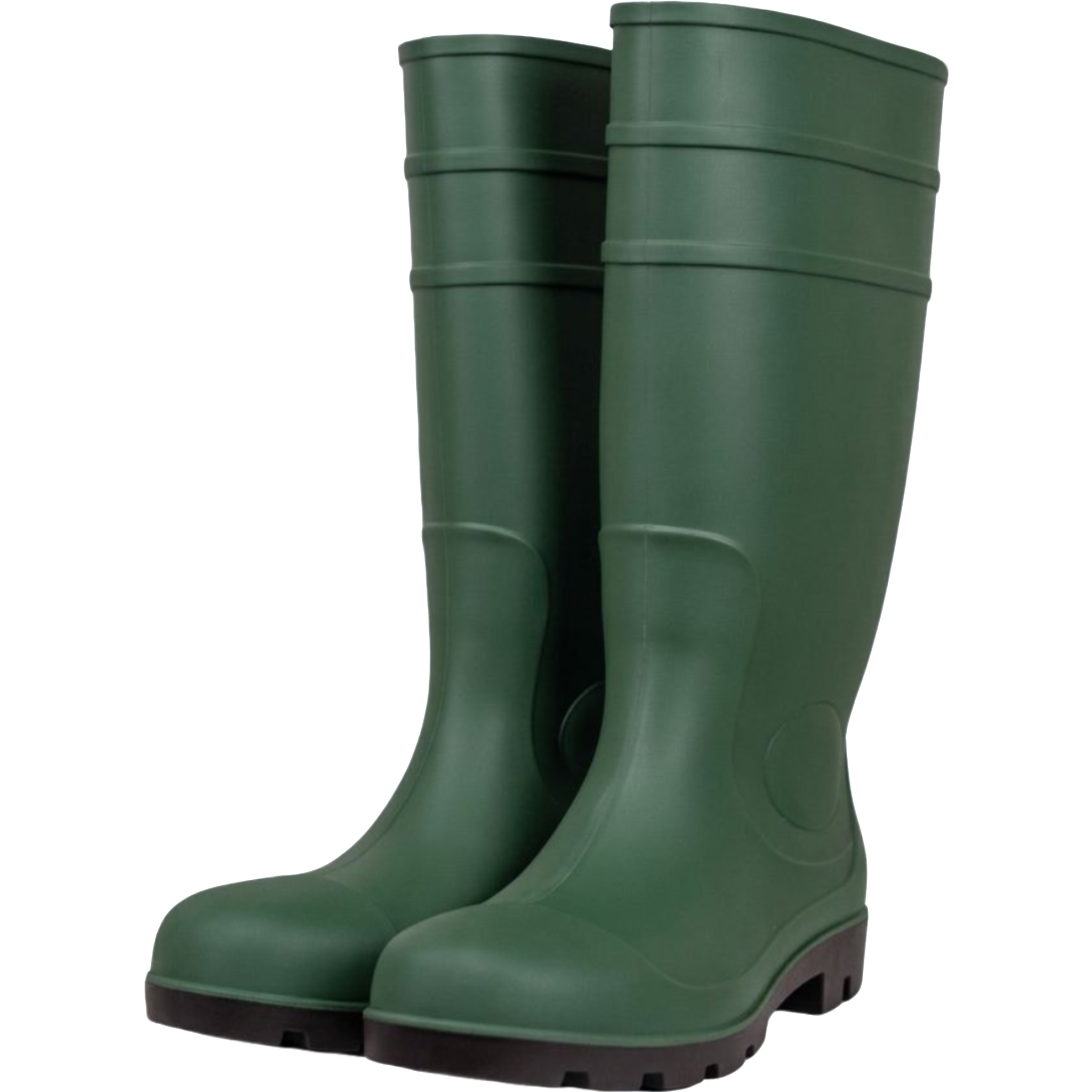
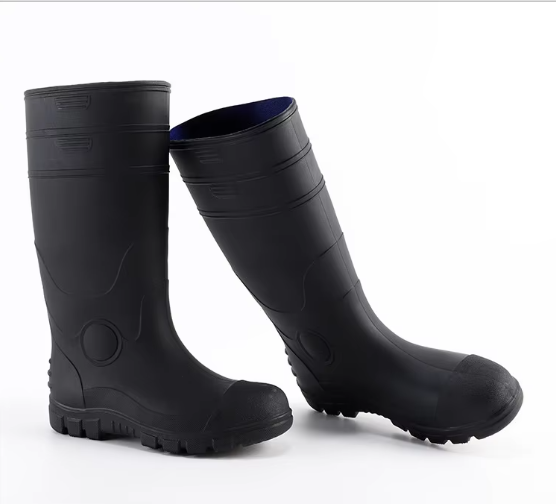
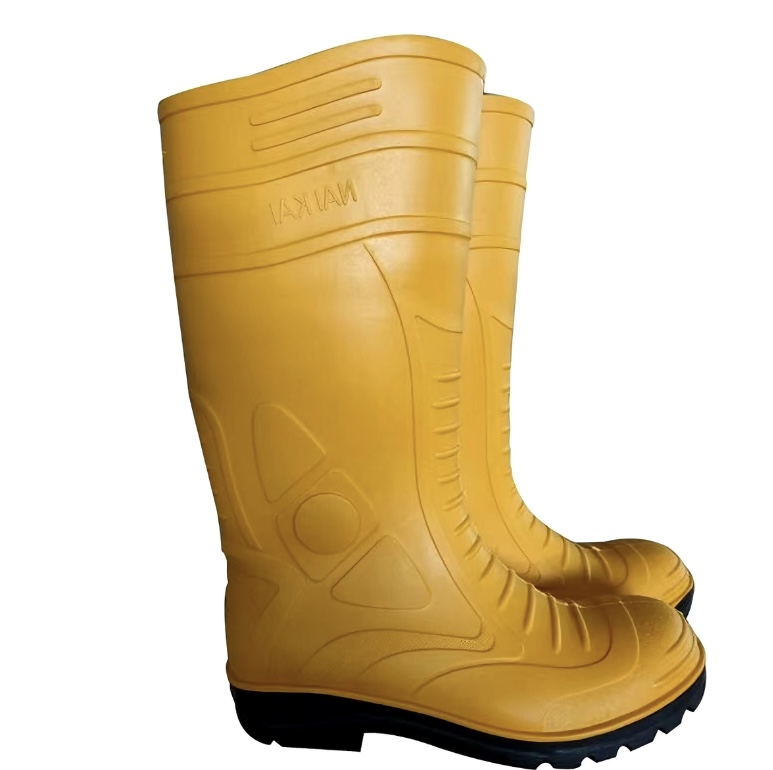
Steel toe safety boots integrate three core design elements to deliver impact protection: a reinforced steel toe cap, durable outer shell, and energy-absorbing midsole. The steel toe cap, typically made of high-carbon steel, is engineered to resist compression and puncture, meeting defined force thresholds set by occupational safety standards. According to ISO 20345:2021, the steel toe must withstand a minimum of 200 joules of impact force and 15 kilonewtons of compression force without deformation. This material property ensures the toe maintains its shape and protective function throughout the boot’s operational life.
Beyond the steel toe, the boot’s construction relies on robust rubber or compounded polymer materials that resist abrasion and provide secondary protection against minor impacts. Seamless or thermally bonded construction reduces weak points that could allow debris entry, while a deep, slip-resistant outsole provides stability on uneven construction surfaces. Professional Rain Boot Manufacturer outlines that material formulation and thickness control are critical factors in balancing protection with worker comfort, as overly rigid materials can cause fatigue during full work shifts.
3. Practical Solutions and Operation Steps
Selecting appropriate steel toe safety boots requires alignment with specific construction zone hazards, rather than one-size-fits-all purchases. Follow these actionable steps to choose and use the right footwear for high-foot-impact environments:
- First, verify compliance with relevant safety standards: For North American sites, confirm alignment with ASTM F2413-24 requirements; for European or global projects, check conformity to ISO 20345:2021. Avoid boots without clearly marked standard compliance labels.
- Second, assess site-specific impact risks: If the zone involves repeated falling object exposure, prioritize boots with a thicker steel toe and reinforced midsole. For sites with additional puncture risks, select boots with a steel or composite midsole plate (ensure this plate does not violate site weight or flexibility requirements).
- Third, test fit and functionality before purchase: Wear the same type of socks used for site work to ensure the boot fits snugly without pinching the toes or restricting ankle movement. Walk on uneven, hard surfaces to test flexibility and slip resistance.
- Fourth, confirm additional features as needed: For construction zones with cold or wet conditions, select boots with a waterproof membrane and insulated lining. For high-heat work areas, choose heat-resistant outer materials rated for extended exposure to high temperatures.
4. Daily Maintenance and Precautions
Proper maintenance extends the service life and protective function of steel toe safety boots, which is critical for consistent worker safety on construction sites. Key maintenance practices include: Wipe down boots after each use to remove dirt, concrete dust, and construction debris that can scratch the outer shell or accumulate in crevices. Clean using a soft damp cloth and mild soap; avoid strong solvents or abrasive cleaners that can degrade the boot’s protective materials.
Dry boots naturally in a well-ventilated area away from direct sunlight or high heat sources, which can cause rubber or polymer materials to crack or lose flexibility. Remove insoles for drying if the boots become wet, and replace insoles every six months or when signs of wear appear. It is critical to never use steel toe safety boots as general-purpose rain boots for non-construction use, as frequent exposure to water, mud, or chemicals unrelated to site work can accelerate material degradation and reduce protective performance over time.
5. Industry Standard and Parameter Reference
ParameterRecommended ReferenceWhy It MattersSlip resistanceEN ISO 20344:2021 / EN ISO 20347:2022+A1:2024 where applicableHelps evaluate outsole grip on wet or contaminated construction surfaces.Occupational footwear requirementsISO 20347:2021 or EN ISO 20347:2022+A1:2024Supports selection of non-safety footwear for general construction tasks.Safety toe footwearASTM F2413-24 where protective toe performance is claimedValidates that the steel toe meets standardized impact and compression resistance criteria.Chemical protective footwearEN 13832-3:2018 where prolonged chemical contact is claimedRelevant for construction zones where workers handle solvents, concrete additives, or other chemical materials.
All protective performance claims for steel toe safety boots must be supported by testing conducted by an accredited third party, such as SGS or Intertek, per the requirements of the referenced standard. No unsubstantiated performance claims should be relied upon, as these can lead to incorrect selection of footwear that fails to provide required protection.
6. Customer Common FAQ
Q: How do I know if a steel toe boot meets construction safety requirements?
A: Look for clear, legible markings on the boot that reference relevant standards. For ASTM F2413-24 compliant boots, markings will include “ASTM F2413” and indicate impact and compression ratings. For ISO 20345:2021 compliant boots, look for the “S1 to S5” safety classification. Professional Rain Boot Manufacturer notes that these markings are applied only after successful third-party testing.
Q: Are steel toe boots suitable for all high-foot-impact construction zones?
A: No. Steel toe boots are ideal for most construction zones with falling debris risks, but they may be unsuitable for work environments where extremely low weight or maximum flexibility is required. In these cases, composite toe boots may be a better alternative, as they provide similar impact protection without the added weight of steel.
Q: How often should steel toe boots be replaced?
A: Replacement timing depends on wear frequency and severity. Inspect boots monthly for signs of damage, including cracks in the outer shell, deformation of the steel toe, or outsole wear that reduces slip resistance. For full-time construction use, most boots should be replaced every 12 to 18 months, or immediately if any protective component shows damage.
Q: Can steel toe boots be repaired if damaged?
A: Minor surface scratches or scuffs can be cleaned and polished, but structural damage to the steel toe, midsole, or outsole requires full boot replacement. Attempting to repair structural components can compromise protective performance and create safety risks for workers. Professional Rain Boot Manufacturer advises against modifying protective footwear in any way.
Conclusion
Steel toe safety boots address the unique foot injury risks of high-impact construction zones through standardized design and durable materials, providing critical protection against falling debris and compression. Successful selection and use depend on alignment with site-specific hazards, adherence to industry standards, and regular maintenance to preserve protective function. Professional Rain Boot Manufacturer emphasizes that proper footwear choice reduces incident risk and supports long-term worker health in construction environments. By following evidence-based selection and care practices, construction teams can ensure their workers have the reliable protection needed to complete tasks safely and effectively.
References
- International Organization for Standardization. (2021). ISO 20345:2021 Personal protective equipment - Safety footwear. Geneva, Switzerland: ISO.
- American Society for Testing and Materials. (2024). ASTM F2413-24 Standard Specification for Performance Requirements for Footwear for Occupational Use. West Conshohocken, PA: ASTM International.
- European Committee for Standardization. (2022). EN ISO 20347:2022+A1:2024 Occupational footwear. Brussels, Belgium: CEN.