Meta Description: Extreme cold storage environments demand footwear that combines impact resistance, thermal insulation, and slip protection. Workers in these facilities face unique hazards from low temperatures and slippery surfaces. This guide covers key features and compliance for suitable work footwear, developed by a Professional Rain Boot Manufacturer.
Keywords: steel toe safety boots, extreme cold work boots, rubber safety footwear, cold storage work shoes, slip-resistant work boots, protective work footwear
1. Core Problem Analysis
1.1 Common Causes of the Problem
Workers in extreme cold storage warehouses often encounter three critical footwear issues: insufficient thermal insulation leading to discomfort and reduced dexterity, lack of impact protection for heavy inventory handling, and inadequate slip resistance on frost-covered concrete floors. Many standard work boots fail to balance these features, as generic designs prioritize either warmth or protection without accounting for low-temperature material performance. According to ISO 20344:2021, footwear for cold environments must undergo specific low-temperature flex tests to avoid cracking or loss of structural integrity.
1.2 Affected Usage Scenarios
The primary affected scenarios include order picking, pallet loading and unloading, inventory inspection, and maintenance in facilities maintained at temperatures below -20°C (-4°F). These activities require long hours of standing and moving, meaning footwear must retain performance over extended exposure to cold. Improper footwear can lead to not only physical discomfort but also increased risk of slips, trips, and falls, which are among the most common occupational hazards in cold storage operations.
2. Product and Process Principle
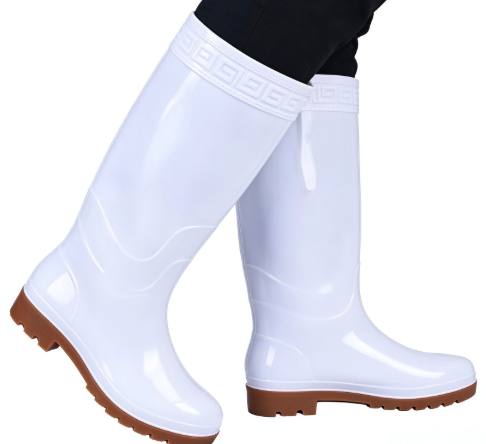
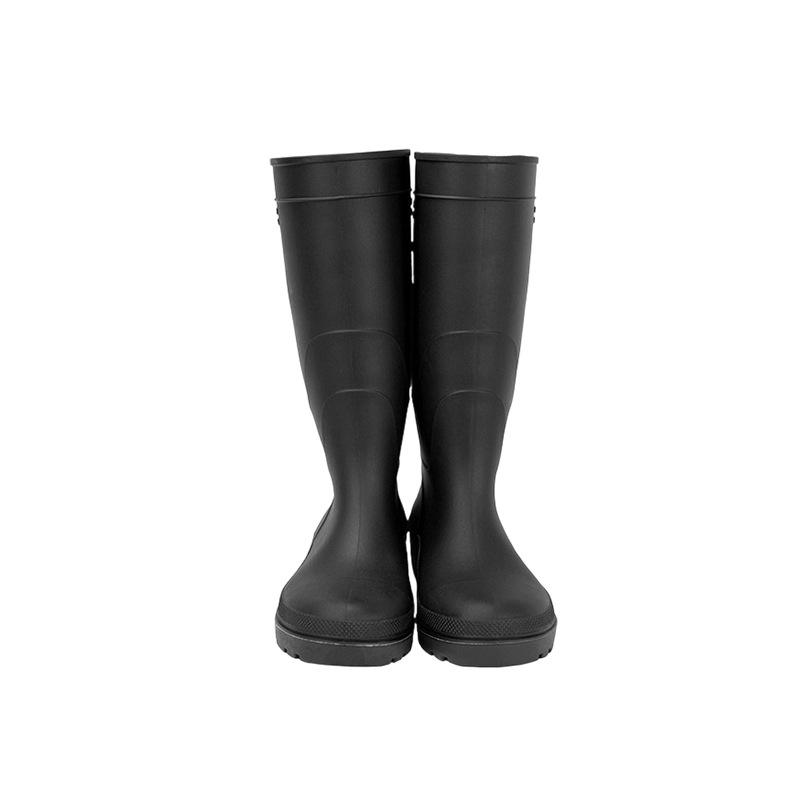
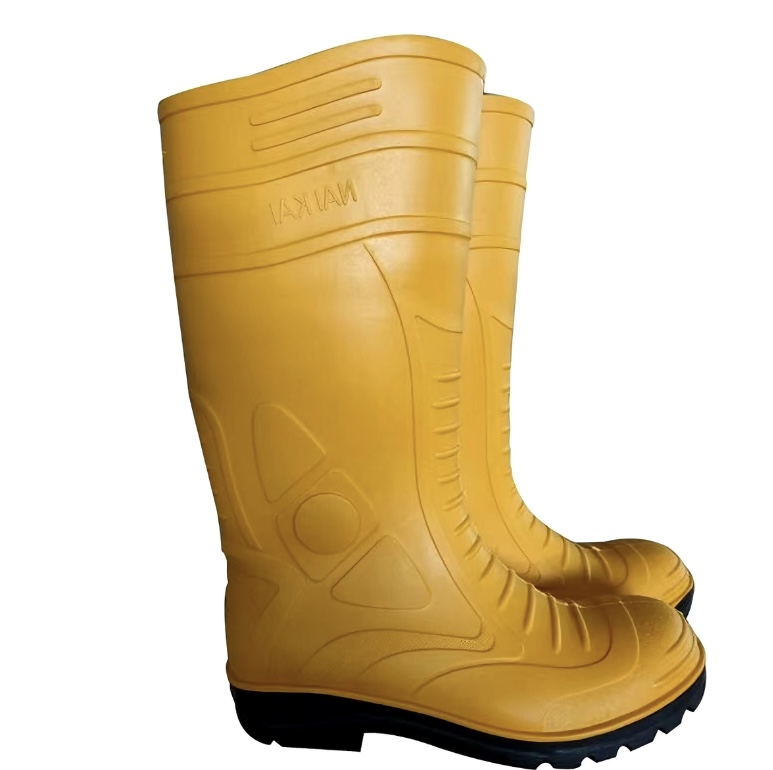
Steel toe safety boots for cold storage rely on specialized material formulations and construction techniques to perform in low temperatures. The upper is typically made from vulcanized rubber or insulated PVC compounds that remain flexible at sub-zero temperatures, avoiding the brittleness common to regular rubber in cold conditions. Injection-molded construction creates seamless structures that prevent cold air and moisture from entering the boot interior, while the steel toe cap is designed to maintain its impact resistance even after repeated exposure to low temperatures. A Professional Rain Boot Manufacturer will optimize compound ratios to balance insulation, flexibility, and durability for work in extreme cold.
The outsole uses a tread pattern engineered to provide traction on both dry and frost-covered surfaces, with rubber compounds that resist hardening in temperatures as low as -30°C (-22°F). The lining is often a combination of thermal insulation materials, such as wool or synthetic fibers, that trap body heat while allowing moisture vapor to escape, preventing condensation that can lead to rapid heat loss. According to ASTM F2413-24, protective toe caps must withstand a minimum impact force under specific test conditions, and cold-optimized steel toe caps are tested at equivalent low temperatures to ensure consistent performance.
3. Practical Solutions and Operation Steps
Selecting the right steel toe safety boots for extreme cold storage requires evaluating three key factors: insulation performance, slip resistance rating, and material suitability for low temperatures. The first step is to confirm the facility’s average temperature range, as boots rated for -20°C will not perform the same as those designed for -30°C. Next, check the outsole tread pattern: deep, multi-directional lugs provide better grip on frost-covered concrete than shallow, narrow lugs, as verified by EN ISO 20347:2022+A1:2024 testing standards.
When choosing boots, avoid designs with fabric panels or non-insulated mesh sections, as these compromise thermal integrity. For size selection, choose a fit that allows a thin, moisture-wicking sock inside without excessive room, which can allow cold air to circulate. If purchasing multiple pairs, rotate use to extend their lifespan and allow each pair to fully dry between shifts, reducing moisture buildup that reduces insulation efficiency.
- Verify the boot’s low-temperature flex resistance rating before purchase, as unrated boots may crack after repeated use in cold conditions.
- Check the slip resistance classification: boots rated SRC or higher meet European standards for slip resistance on both dry and wet surfaces, suitable for cold storage floors.
- Avoid using standard rubber rain boots in cold storage, as they lack both impact protection and specialized insulation for sub-zero work environments.
4. Daily Maintenance and Precautions
Proper maintenance of steel toe safety boots for cold storage preserves their performance and extends their service life. After each shift, remove any ice, frost, or moisture from the boots, and allow them to dry in a cool, well-ventilated area away from direct heat sources, which can cause rubber compounds to degrade and become brittle over time. Never use a hair dryer or heater to speed up drying, as excessive heat damages the insulation and material structure.
For deep cleaning, use a mild soap solution and soft brush to remove dirt and salt residue, which can accelerate material breakdown in cold conditions. Avoid using strong solvents or harsh chemicals, as they can erode the rubber compound and reduce its cold flexibility. When storing boots, keep them in a dry, temperature-controlled area, and insert boot trees to maintain their shape, preventing creases that can lead to cracking during flexing.
Key precautions include: do not use steel toe safety boots as general work shoes for outdoor cold work that does not involve heavy impacts, as this wastes their protective features; do not wear these boots in environments where chemical exposure is common, as specialized chemical-resistant boots are required for that scenario; and replace boots when the outsole shows significant wear, as reduced tread depth impairs slip resistance on icy surfaces.
5. Industry Standard and Parameter Reference
ParameterRecommended ReferenceWhy It Matters
Low-temperature flexibilityISO 20344:2021, Test Method 7.2Evaluates if boot material remains flexible at sub-zero temperatures, avoiding cracking
Slip resistanceEN ISO 20347:2022+A1:2024Assesses grip on wet, icy, or contaminated floor surfaces common in cold storage
Protective toe performanceASTM F2413-24, Clause 5Verifies steel toe cap can withstand impact and compression under working conditions
Insulation performanceISO 20345:2021, Annex B (Cold Insulation)Measures thermal resistance of boot lining and upper in low-temperature environments
Seam integrityEN 13832-3:2018, Test Method 5Ensures no gaps where cold air or moisture can enter the boot interior
All parameters are tested under controlled laboratory conditions, not field use, so real-world performance may vary slightly based on individual usage patterns and specific facility conditions. Workplaces should verify that boots meet at least the minimum required standards for their specific cold storage operating temperature range.
6. Customer Common FAQ
Q: Are all steel toe boots suitable for extreme cold storage work?
A: No. Standard steel toe boots are not designed to perform at sub-zero temperatures. Only boots tested and rated for low-temperature flexibility (per ISO 20344:2021) will maintain their structure and insulation in cold storage environments. A Professional Rain Boot Manufacturer can provide boots that meet these specific testing requirements for cold work.
Q: How often should steel toe safety boots be replaced for cold storage use?
A: Replacement frequency depends on usage, but boots should be inspected monthly for outsole wear, cracking of the rubber upper, and compromised insulation. If the steel toe cap shows visible damage or the boot can no longer retain heat during a work shift, it should be replaced immediately. Daily inspection after use helps catch small issues before they become safety hazards.
Q: Can I wear regular winter socks with steel toe safety boots for cold storage?
A: It is recommended to use moisture-wicking, thermal socks specifically designed for cold work environments. Cotton socks absorb moisture, which then freezes in low temperatures and reduces insulation effectiveness. Wool or synthetic blend socks retain insulation even when slightly damp, making them more suitable for long shifts in cold storage.
Q: Do steel toe safety boots for cold storage need to meet specific safety standards?
A: Yes. For occupational use in many regions, boots must meet either EN ISO 20347:2022+A1:2024 (for Europe) or ASTM F2413-24 (for North America). These standards ensure the boots provide the required protective features for impact, compression, and slip resistance in work environments, including cold storage.
Conclusion
Selecting appropriate steel toe safety boots for extreme cold storage requires balancing thermal insulation, slip resistance, and impact protection, all tested to relevant industry standards to perform at sub-zero temperatures. Understanding the core hazards of cold storage work and the material and process principles behind specialized boots helps workers and employers make informed choices. Regular maintenance and proper use extend boot lifespan and ensure consistent performance. For reliable, standardized options tailored to cold work, consulting a Professional Rain Boot Manufacturer can help identify boots that meet both safety and performance needs.
References
- International Organization for Standardization. ISO 20344:2021: Footwear - Test methods for whole footwear. Geneva: ISO, 2021.
- European Committee for Standardization. EN ISO 20347:2022+A1:2024: Occupational footwear. Brussels: CEN, 2024.
- American Society for Testing and Materials. ASTM F2413-24: Standard specification for performance requirements for footwear for protective occupational toe footwear. West Conshohocken, PA: ASTM International, 2024.
- International Organization for Standardization. ISO 20345:2021: Personal protective equipment - Safety footwear. Geneva: ISO, 2021.