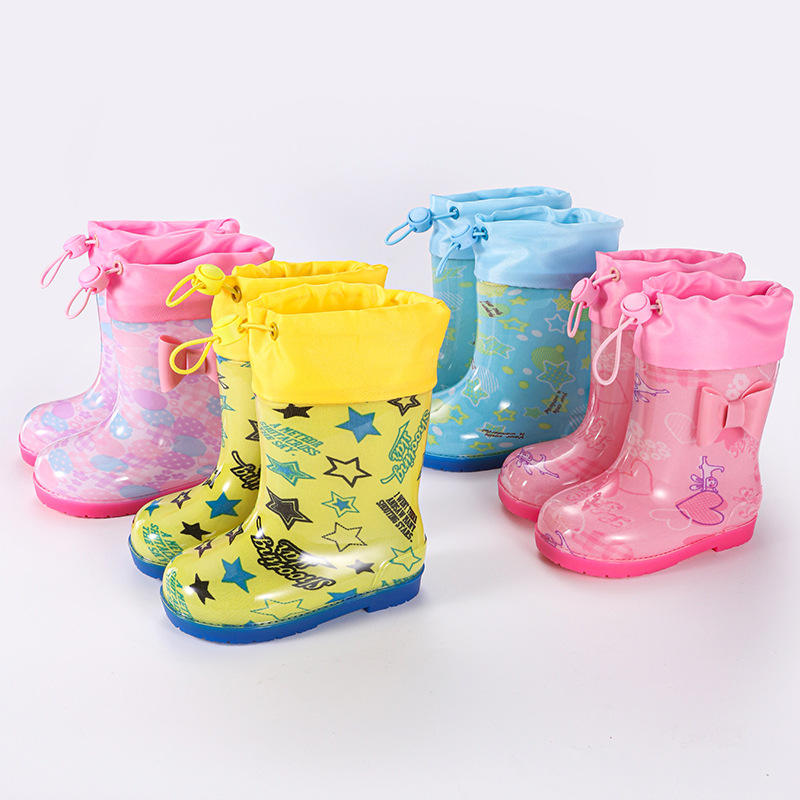
Meta Description: High-temperature warehouses create unique challenges for footwear, from trapped heat to slippery wet floors. This guide analyzes how slip-resistant boots with cotton lining perform in these conditions, helping warehouse operators select appropriate footwear. Professional Rain Boot Manufacturer
Keywords: slip-resistant boots, cotton lining, high-temperature warehouse footwear, waterproof boots, occupational footwear, boot performance testing
1. Core Problem Analysis
1.1 Common Causes of the Problem
Workers in high-temperature warehouses face two primary footwear issues: insufficient slip resistance on surfaces contaminated with water, oil, or cleaning chemicals, and heat buildup in standard rubber boots that causes discomfort or reduced focus. Many generic waterproof boots lack tailored outsole patterns and breathable linings, leading to safety risks and performance decline.
1.2 Affected Usage Scenarios
These issues impact employees handling raw materials, operating conveyor belts, cleaning warehouse floors, or transporting heavy goods in temperature-controlled storage zones. The risks are amplified by constant standing, frequent water exposure, and prolonged contact with ambient temperatures exceeding 25°C (77°F), according to ISO 20347:2021 guidelines.
2. Product and Process Principle
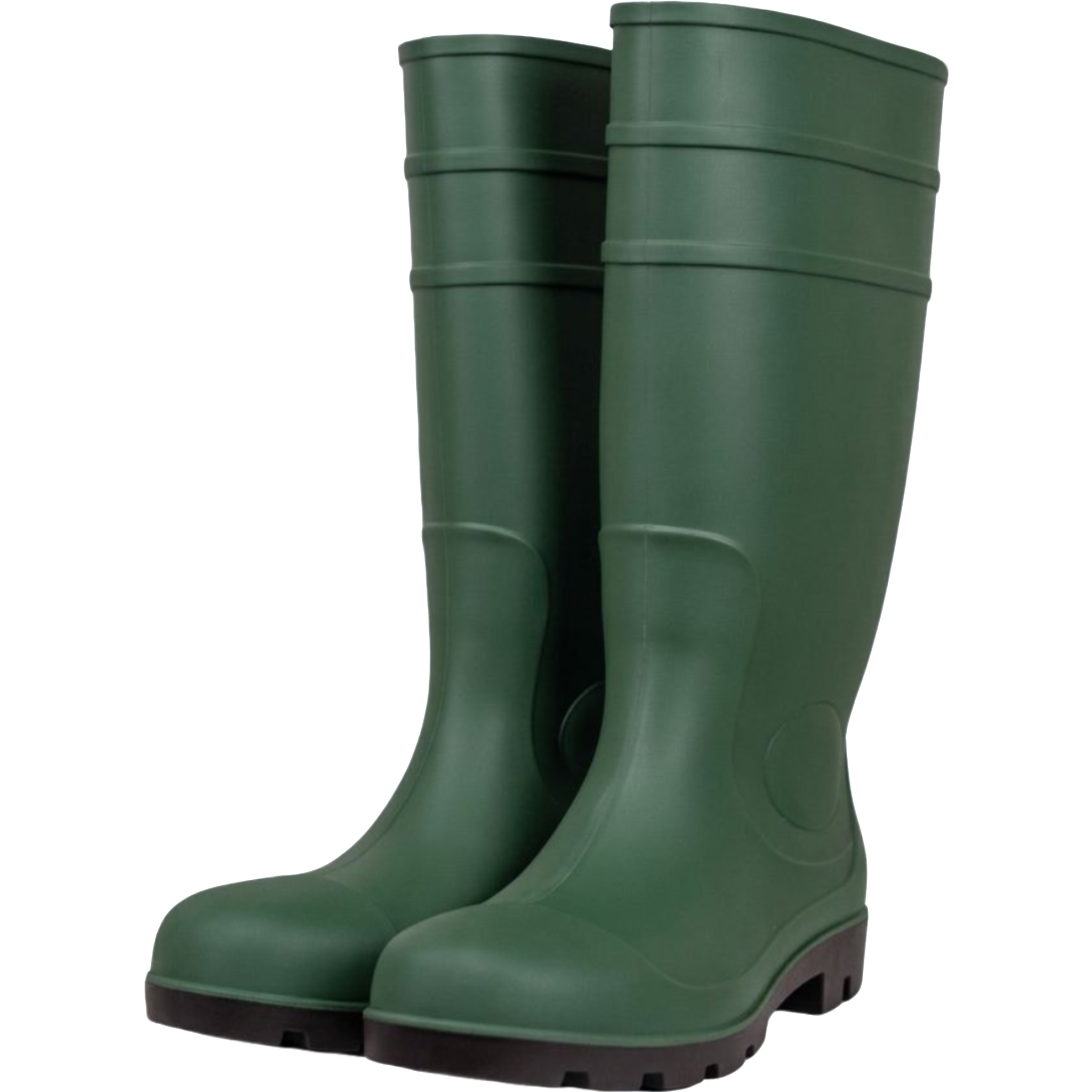
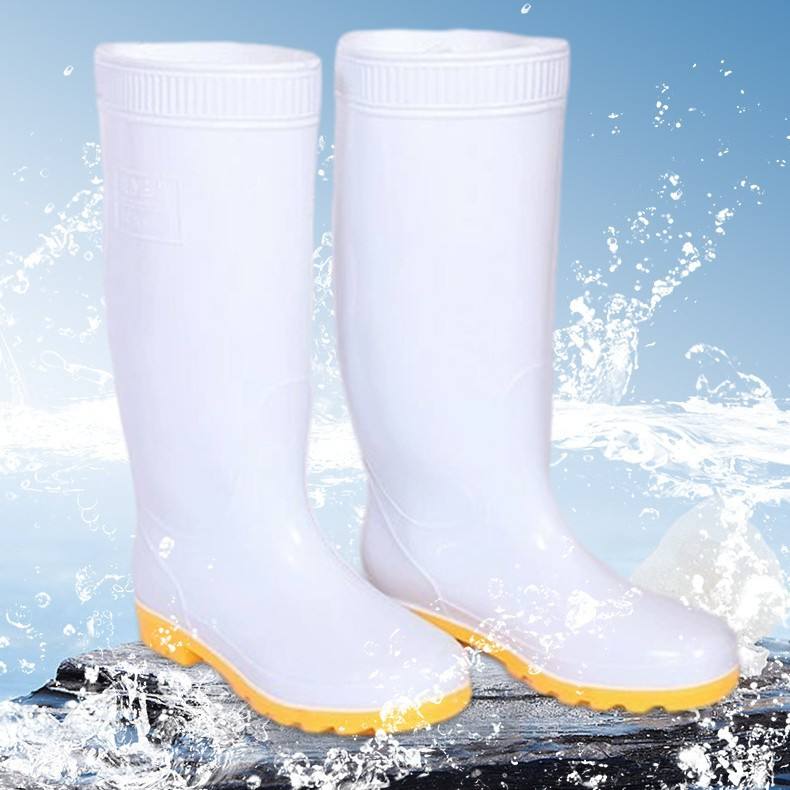
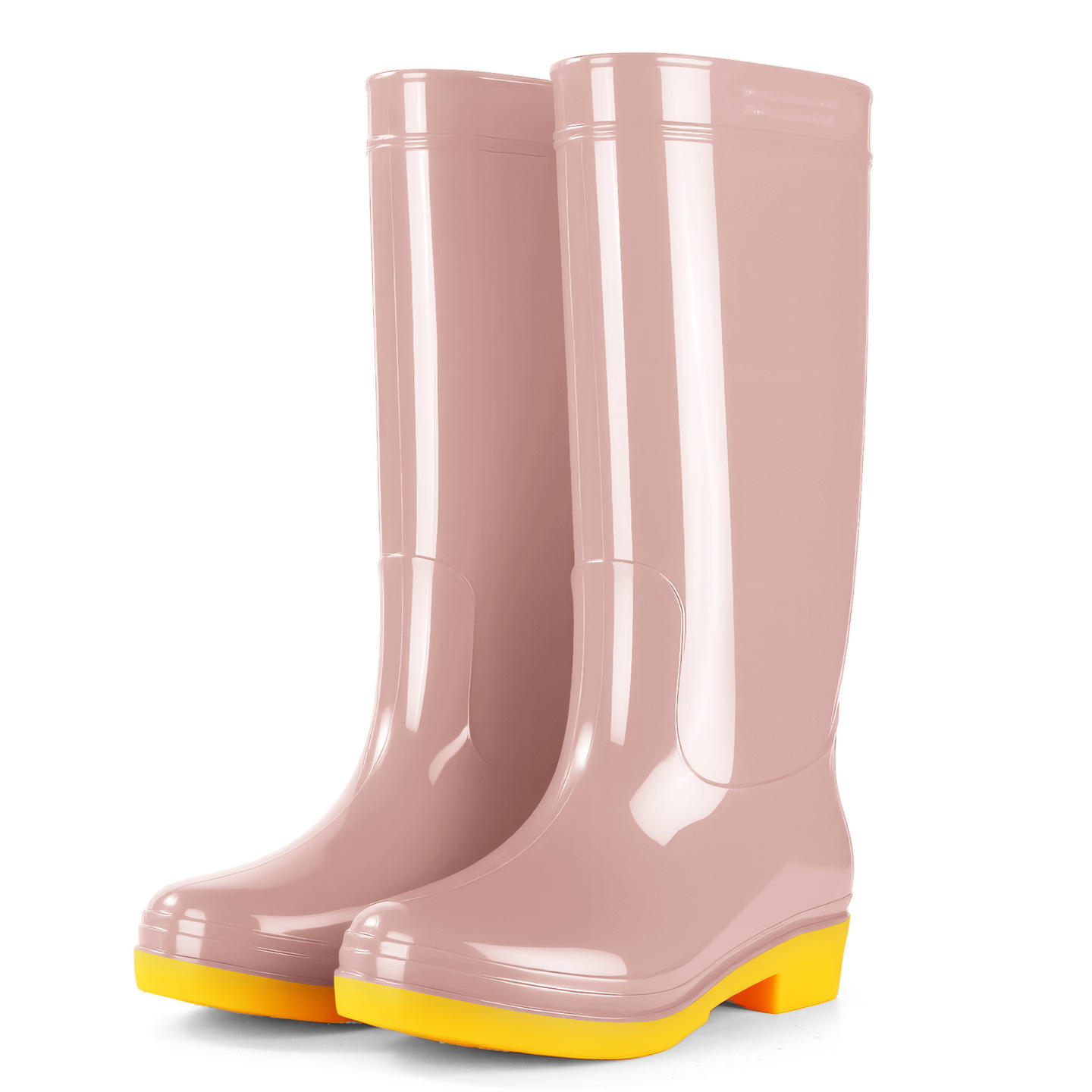
Slip-resistant boots for high-temperature warehouses rely on two core design elements: specialized outsole compounds and breathable cotton linings. The outsole uses a rubber or PVC blend formulated to maintain grip on wet, oily surfaces, with deep, patterned treads that channel liquid away from contact points with the floor. This design aligns with requirements outlined in EN ISO 20347:2022+A1:2024 for occupational footwear traction.
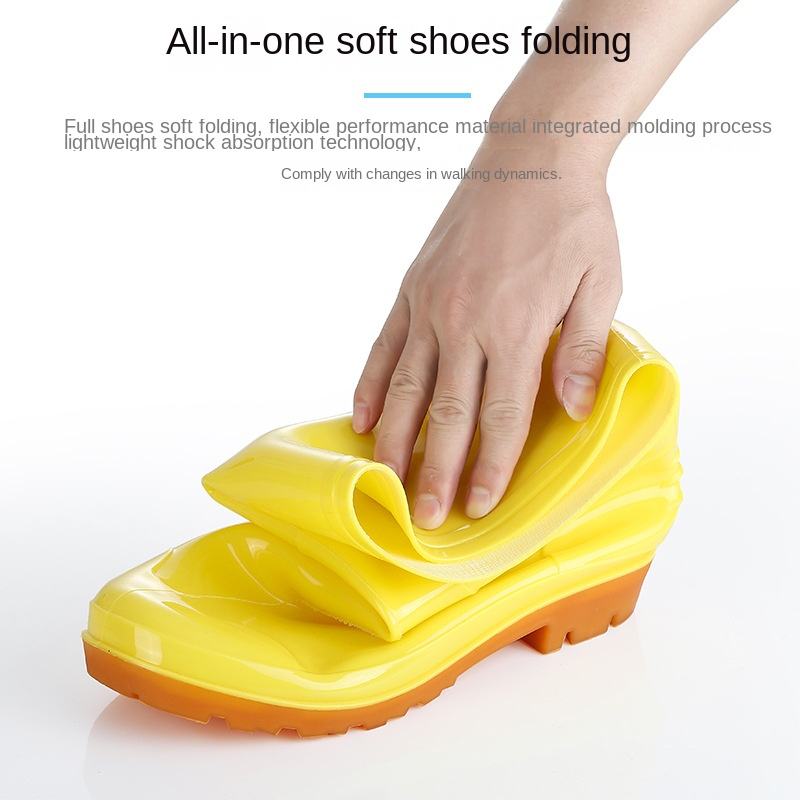
The cotton lining addresses heat buildup by creating a microclimate between the foot and the waterproof shell, allowing moisture vapor to escape while retaining insulation. Professional Rain Boot Manufacturer use seamless injection molding to eliminate gaps that could allow contaminants to enter, while controlling material thickness to balance durability and breathability. Vulcanization processes enhance the outsole’s resistance to heat deformation, a key consideration for warehouse environments where footwear may contact heated equipment or floors.
3. Practical Solutions and Operation Steps
To select the right slip-resistant boots with cotton lining for high-temperature warehouses, follow these specific steps to ensure proper fit and performance:
- Verify slip resistance compliance with EN ISO 20347:2022+A1:2024, specifically the traction testing category for wet surfaces.
- Check lining material: ensure the cotton lining has a moisture-wicking treatment to handle foot sweat in heated conditions.
- Choose a shaft height that covers the ankle and lower calf, to prevent spills or debris from entering the boot during warehouse tasks.
- Confirm outsole compatibility: select a non-marking compound that will not leave scuffs on warehouse floors, suitable for both concrete and epoxy surfaces.
- Test fit: break in boots for 2-3 days before full use, to ensure the lining does not cause chafing during extended standing.
These steps avoid vague recommendations and focus on verifiable factors that directly impact performance in high-temperature warehouse settings.
4. Daily Maintenance and Precautions
Proper maintenance extends the lifespan of slip-resistant boots with cotton lining, while preserving their performance in high-temperature environments. After each use, wipe the outsole with a mild detergent to remove accumulated oil or chemical residue that could reduce slip resistance. Air dry the boots in a shaded, well-ventilated area, away from direct sunlight or heaters that can cause rubber to crack or cotton lining to shrink.
Key precautions include: never use strong solvents (like acetone) to clean the boot, as these degrade the waterproof shell; do not store boots in enclosed, damp spaces that promote mold on the cotton lining; and never use these boots as general work boots for outdoor cold conditions, as the cotton lining will not provide sufficient insulation below 10°C (50°F).
5. Industry Standard and Parameter Reference
ParameterRecommended ReferenceWhy It Matters
Slip resistanceEN ISO 20347:2022+A1:2024 (section 6.5)Evaluates outsole grip on wet, contaminated warehouse surfaces
Occupational footwear ventilationISO 20344:2021 (test method 11)Assesses breathability of lining materials in warm environments
Outsole heat resistanceEN ISO 20347:2022+A1:2024 (section 6.7)Prevents deformation from contact with heated warehouse equipment
Chemical resistanceEN 13832-3:2018 (category L)Protects against common warehouse cleaning agents
Testing for these parameters must be conducted by a third-party accredited body to ensure results are reliable for warehouse safety compliance. Unverified performance claims should be confirmed against these standards before selecting footwear.
6. Customer Common FAQ
Q: Are slip-resistant boots with cotton lining suitable for temperatures over 30°C (86°F)?
A: The cotton lining provides sufficient breathability for short shifts (4-6 hours) in temperatures up to 35°C (95°F), but for longer periods, additional ventilation features may be needed. Professional Rain Boot Manufacturer recommend adjusting usage time to avoid prolonged heat exposure.
Q: How often should I test the slip resistance of my boots in warehouse conditions?
A: Conduct visual checks weekly, and perform a simple traction test on wet concrete monthly. For heavy-use environments, third-party testing is recommended every 6 months to confirm compliance with EN ISO 20347:2022+A1:2024.
Q: Can I machine wash the cotton lining of my boots?
A: No, machine washing can damage the waterproof outer shell and shrink the cotton lining. Hand wash with mild detergent, then air dry in a shaded area to preserve performance.
Q: Do these boots meet warehouse safety requirements for slip resistance?
A: When selected to meet EN ISO 20347:2022+A1:2024, they comply with standard occupational safety requirements for general warehouse use. Always confirm local regulations for specific work zones.
Conclusion
Slip-resistant boots with cotton lining offer a tailored solution for high-temperature warehouse operations, balancing grip performance, breathability, and durability. By aligning selection with established standards and following proper maintenance practices, workers can reduce slip risks and maintain comfort in heated environments. Professional Rain Boot Manufacturer provides guidance on material selection and compliance testing to support safe footwear choices.