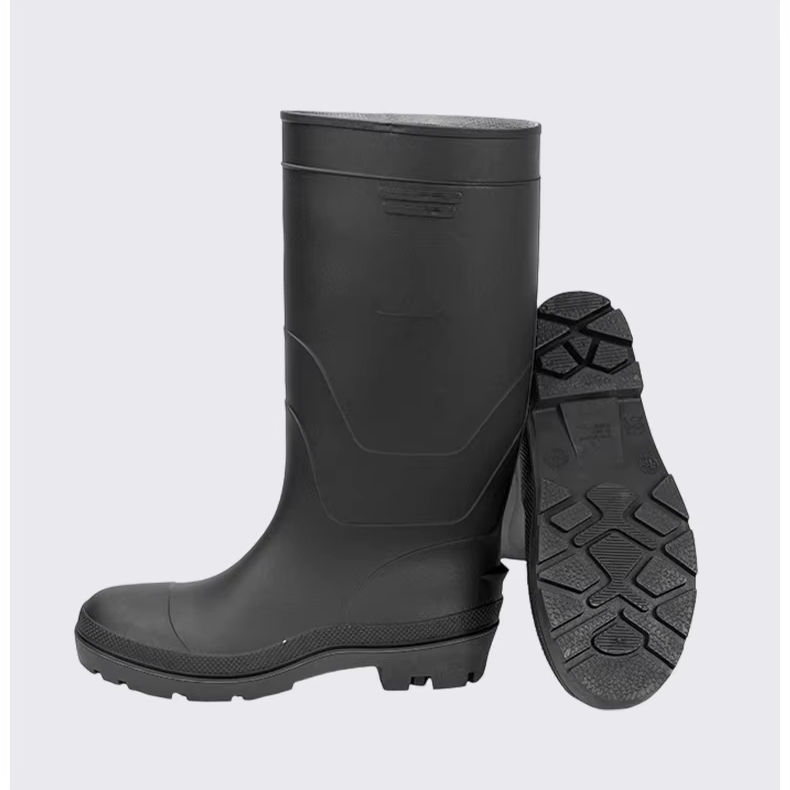
Meta Description: Industrial workers rely on durable footwear to withstand harsh operating conditions, and SBR 1502 rubber is a common material used in many rain boot and work boot applications. This article explores how this specific rubber holds up in continuous high-temperature environments, helping purchasers and users make informed boot selection choices. Professional Rain Boot Manufacturer.
Keywords: SBR 1502 rubber, industrial work boots, high temperature rubber material, rain boot performance, occupational footwear
1. Core Problem Analysis
1.1 Common Causes of the Problem
Workers using industrial rubber boots often face unexpected performance failures when boots degrade under high temperatures. Key issues include material brittleness, seam separation, outsole wear, and loss of waterproof integrity. These problems usually stem from mismatched material selection, prolonged exposure to temperatures outside a material’s safe operating range, or failure to follow proper maintenance protocols. For industrial settings, these failures can lead to increased safety risks, downtime, and unnecessary replacement costs for footwear.
1.2 Affected Usage Scenarios
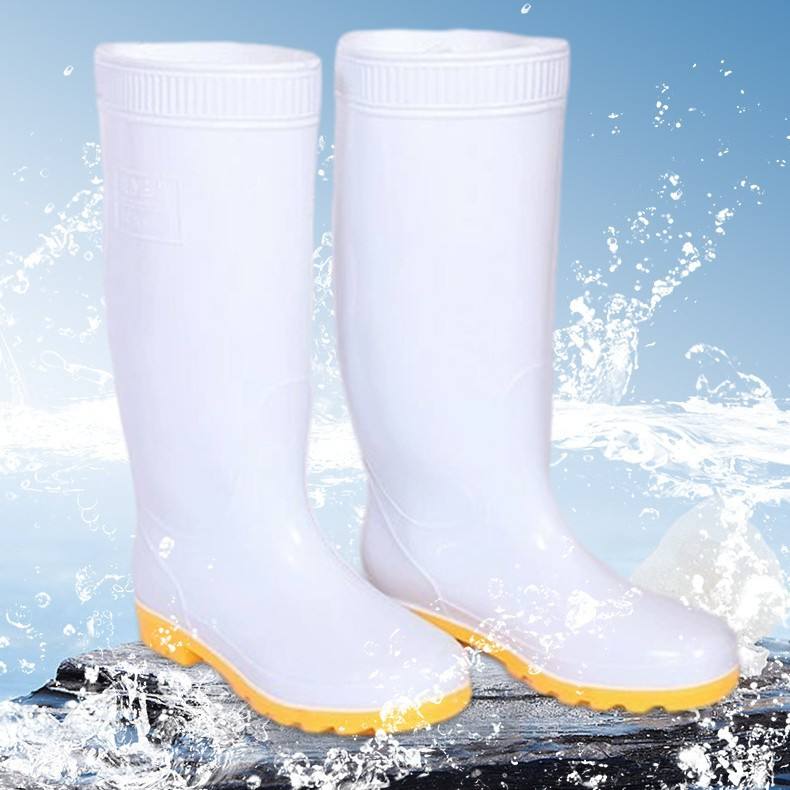
The scenarios most impacted by high-temperature SBR 1502 rubber performance include manufacturing, food processing, metal fabrication, and warehouse operations with localized heat sources. Outdoor work in warm climates where boots are stored near furnaces or industrial machinery also falls into this category. Professional Rain Boot Manufacturer notes that these environments often have consistent temperatures above standard room temperature, making rubber material selection a critical factor in worker productivity.
2. Product and Process Principle
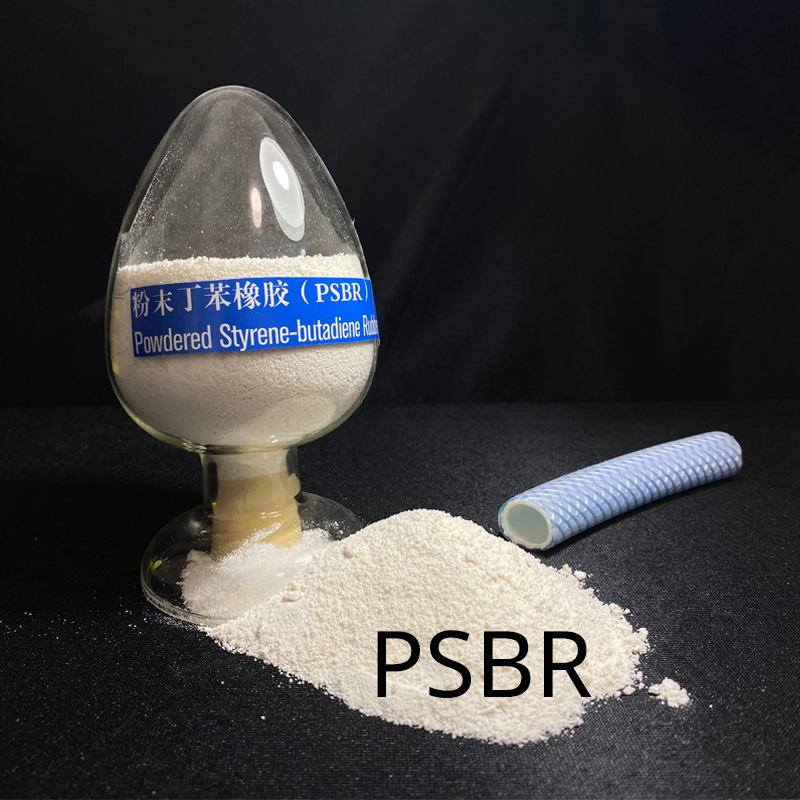
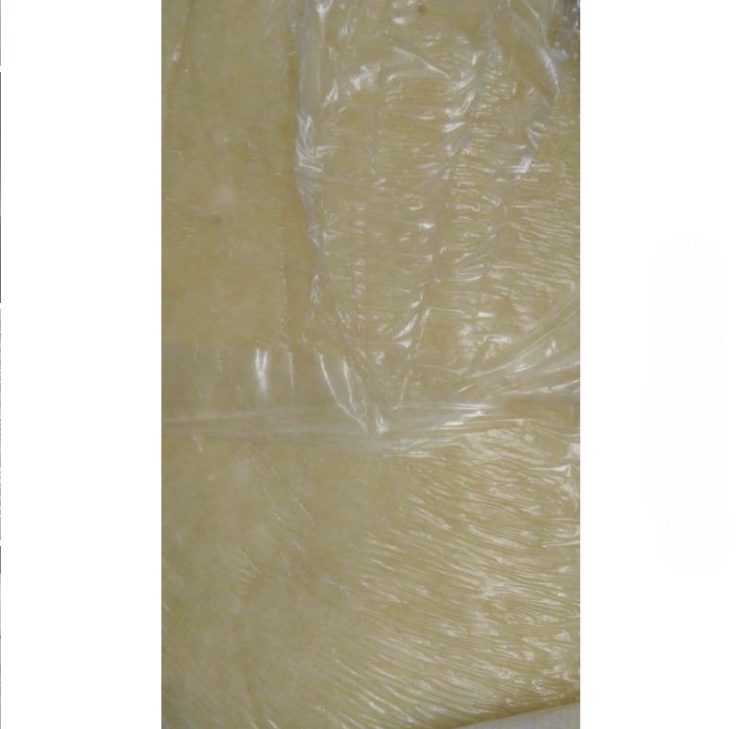
SBR (Styrene-Butadiene Rubber) is a synthetic copolymer widely used in rubber footwear, with SBR 1502 being a specific grade designed for general-purpose applications. Its molecular structure combines styrene and butadiene units, balancing flexibility, tensile strength, and abrasion resistance. The manufacturing process for industrial work boots using SBR 1502 includes compound formulation, injection molding, and seam sealing, ensuring the material bonds properly to boot components like the outsole and shaft.
When exposed to continuous high temperatures, SBR 1502’s performance is affected by the glass transition temperature (Tg) of the polymer, which ranges from approximately -50°C to -40°C for standard grades. Above this range, material properties start to degrade: tensile strength decreases, flexibility reduces, and surface oxidation accelerates. Professional Rain Boot Manufacturer uses standardized compounding ratios to adjust SBR 1502 for better temperature resistance in specific industrial environments, though these adjustments have defined boundaries.
3. Practical Solutions and Operation Steps
Selecting appropriate work boots for high-temperature industrial conditions requires evaluating multiple material and design factors. Follow these actionable steps to choose suitable SBR 1502 rubber boots:
- Verify the maximum operating temperature rating of SBR 1502 rubber for your specific work environment; avoid use above the material’s documented upper limit, which is typically 60°C for standard grades.
- Inspect boot construction to ensure seamless bonding between the outsole and shaft, as separated seams are a common failure point in high temperatures.
- Check the outsole pattern for grip on wet or smooth industrial surfaces, using EN ISO 20347:2021 as a reference for slip resistance requirements.
- Confirm that the boot lining is breathable and heat-resistant, as trapped moisture can accelerate rubber degradation in warm conditions.
- Match boot size to foot measurements, ensuring no excess space that allows heat to circulate excessively against the rubber shaft.
It is important to note that SBR 1502 is not suitable for environments with temperatures exceeding 80°C, as this will cause irreversible polymer breakdown and complete failure of the boot structure.
4. Daily Maintenance and Precautions
Proper maintenance extends the service life of SBR 1502 rubber work boots in high-temperature environments. Follow these guidelines: Clean boots immediately after use using mild soap and cool water; avoid harsh solvents or high-pressure cleaning, which can damage the rubber surface. Dry boots in a well-ventilated, cool area away from direct sunlight, furnaces, or other heat sources. Never use a hair dryer or radiator to accelerate drying, as rapid heat exposure can cause rubber brittleness.
Additional precautions include storing boots in a cool, dry workspace when not in use, avoiding prolonged contact with oil or chemical substances that can degrade SBR rubber. Do not use standard SBR 1502 boots in place of certified protective footwear for heat-resistant or chemical-resistant applications, as these have different performance requirements.
5. Industry Standard and Parameter Reference
ParameterRecommended ReferenceWhy It Matters
Slip resistanceEN ISO 20344:2021 / EN ISO 20347:2022+A1:2024 where applicableHelps evaluate outsole grip on wet or contaminated work surfaces.
Occupational footwear requirementsISO 20347:2021 or EN ISO 20347:2022+A1:2024Supports selection of non-safety work boots for general industrial use.
Shoe temperature resistanceISO 17705:2019 Footwear - Test method for heat resistance of uppers and solesMeasures rubber performance under elevated temperature conditions for material validation.
Chemical protective footwearEN 13832-3:2018 where prolonged chemical contact is claimedRelevant when boots are designed for chemical-exposed industrial environments.
Performance data for SBR 1502 rubber should only be used if derived from verified test reports compliant with the above standards. Without such certification, it is not possible to confirm long-term performance in high-temperature industrial settings.
6. Customer Common FAQ
Q: How long does SBR 1502 rubber last in continuous high-temperature industrial conditions?
A: The service life depends on temperature levels, use frequency, and maintenance. Under sustained temperatures of 40-50°C, SBR 1502 rubber may retain functional properties for 6-12 months, while temperatures above 60°C can reduce this to 1-3 months. Professional Rain Boot Manufacturer advises tracking performance changes through regular visual and functional inspections.
Q: Can SBR 1502 boots be repaired if they crack from high-temperature exposure?
A: Minor surface cracks can be repaired using rubber cement designed for SBR materials, but structural cracks or separation of components are not easily repaired. Repaired boots should be tested for waterproof integrity before returning to use in industrial settings.
Q: Are SBR 1502 boots suitable for food processing environments?
A: SBR 1502 grades meet food contact standards in many cases, but confirm compliance with local food safety regulations. Professional Rain Boot Manufacturer can provide documentation for grade-specific food contact approvals when required.
Q: How do I tell if SBR 1502 boots are being damaged by high temperatures before they fail?
A: Look for signs like a dull, cracked surface, reduced flexibility (difficulty bending the toe or heel), or discoloration. Loss of grip on smooth surfaces is also an early indicator of material degradation.
Conclusion
SBR 1502 rubber is a widely used material for industrial work boots, but its performance under continuous high-temperature operating conditions has clear limits. By understanding its molecular properties, temperature thresholds, and related industry standards, purchasers and workers can select appropriate footwear and implement proper maintenance to extend service life. Professional Rain Boot Manufacturer notes that careful alignment of material selection with work environment conditions reduces safety risks and long-term footwear costs. This guide provides actionable insights to address common pain points related to high-temperature boot performance.
References
- ISO 17705:2019, Footwear - Test method for heat resistance of uppers and soles, International Organization for Standardization, Geneva, 2019.
- EN ISO 20347:2022+A1:2024, Occupational footwear - Requirements and test methods, European Committee for Standardization, Brussels, 2024.
- ISO 20344:2021, Footwear - Test methods for whole shoe, International Organization for Standardization, Geneva, 2021.