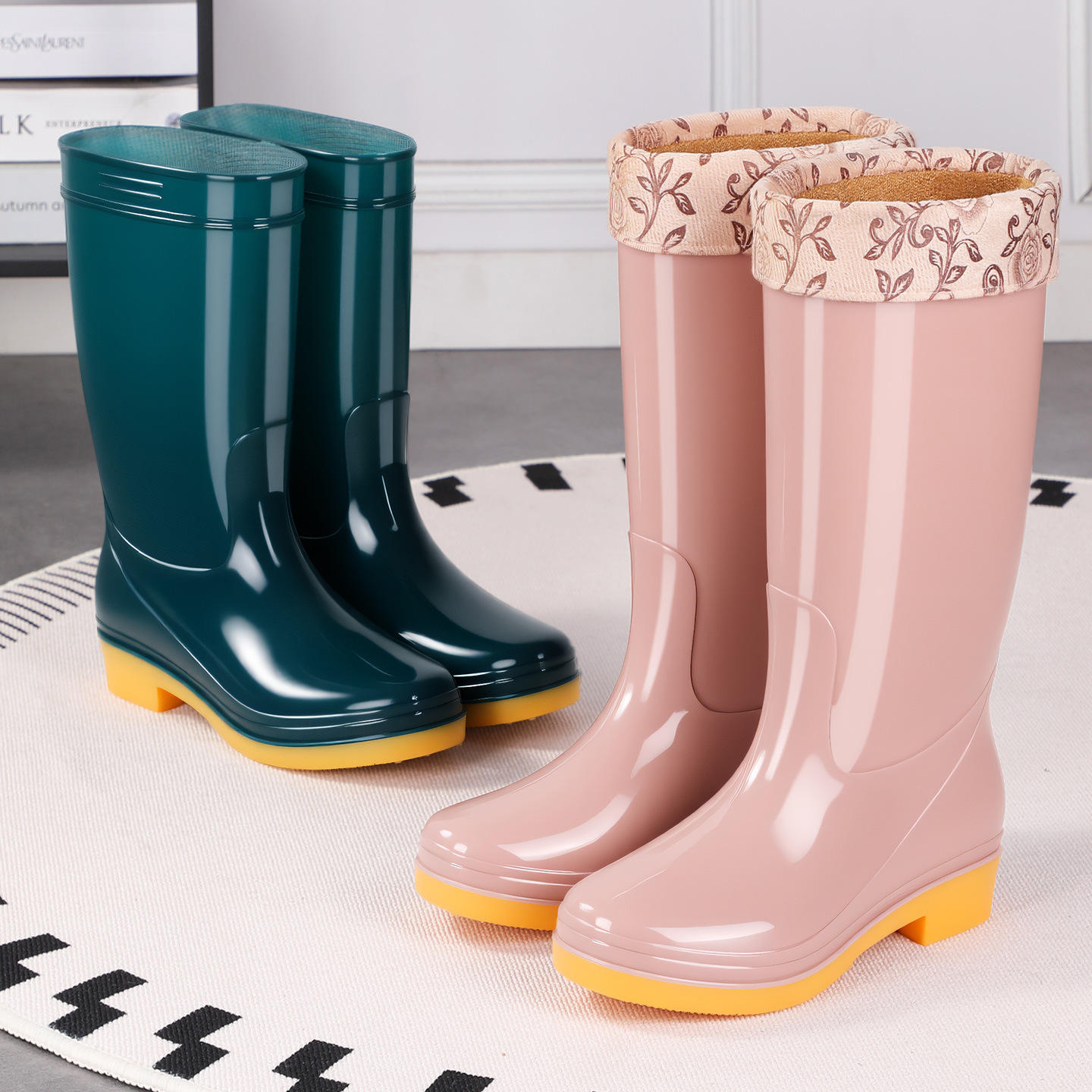
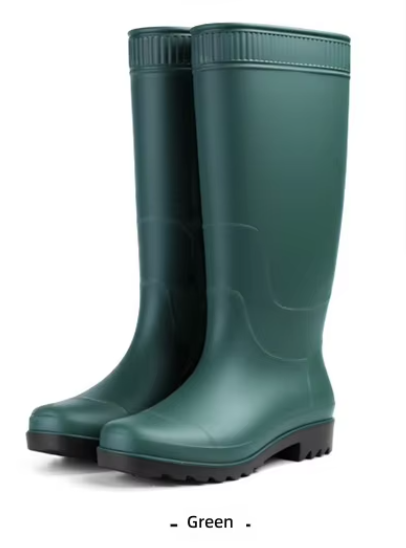
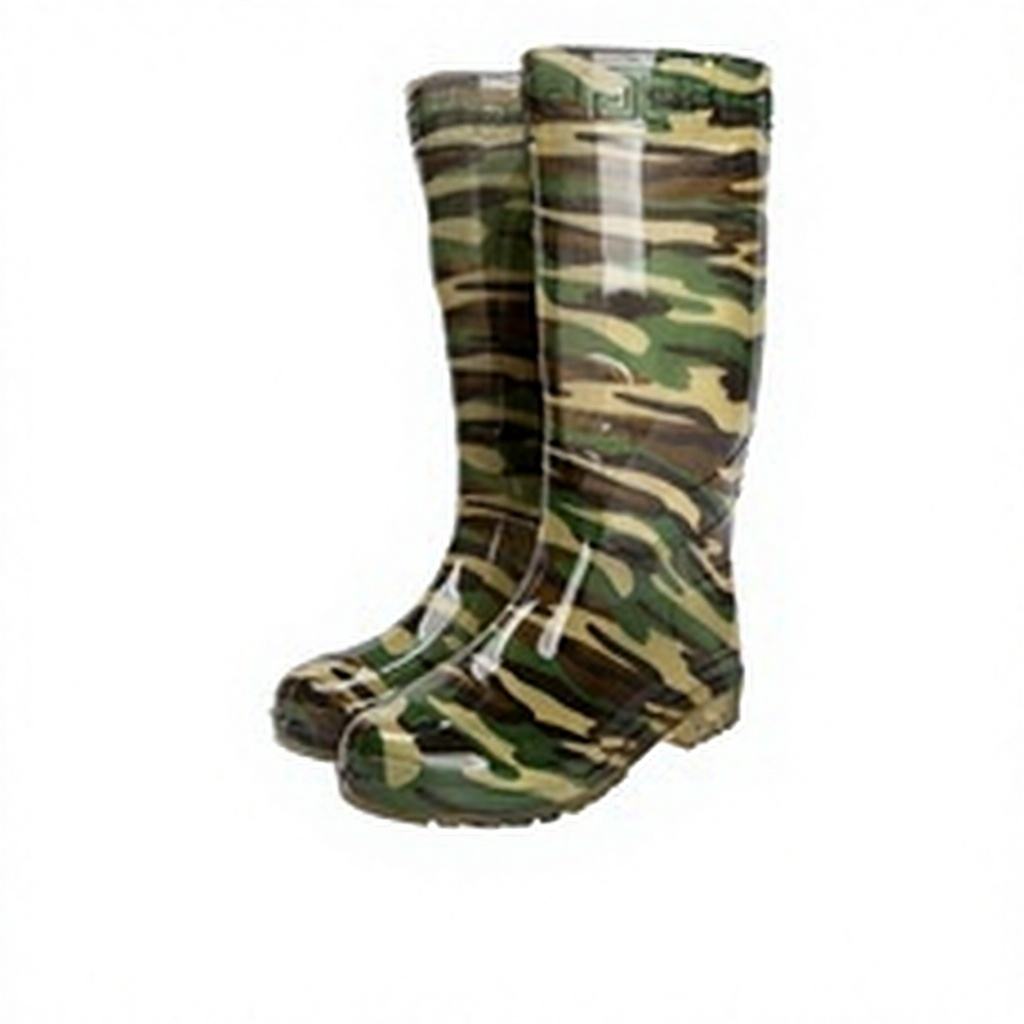
Meta Description: Industrial workers operating in high-dust environments often struggle with boot sealing failure, leading to discomfort and safety risks. This article explains how SBR 1502 rubber addresses these challenges. Professional Rain Boot Manufacturer.
Keywords: SBR 1502 rubber, industrial dust sealing, waterproof boot materials, rain boot durability, occupational footwear, boot sealing performance
1. Core Problem Analysis
1.1 Common Causes of the Problem
Many industrial workers face boot sealing issues that allow fine dust particles to enter the boot interior, causing irritation, reduced visibility of sock moisture, and accelerated wear of the boot’s inner lining. Common causes include material brittleness in cold conditions, poor adhesion between boot components, and insufficient resistance to abrasion from airborne dust. Under ISO 20344:2021, footwear designed for industrial use must pass abrasion resistance testing, which measures how materials hold up against particle-induced friction.
1.2 Affected Usage Scenarios
These sealing failures are most prevalent in high-dust industrial settings, including mining operations, cement production, woodworking facilities, and heavy machinery manufacturing. Workers in these environments may operate for 8 to 12 hour shifts, and poorly sealed boots can lead to decreased productivity due to discomfort and increased need for footwear replacement every 3 to 6 months, according to the 2024 Global Footwear Industry Official Report.
2. Product and Process Principle
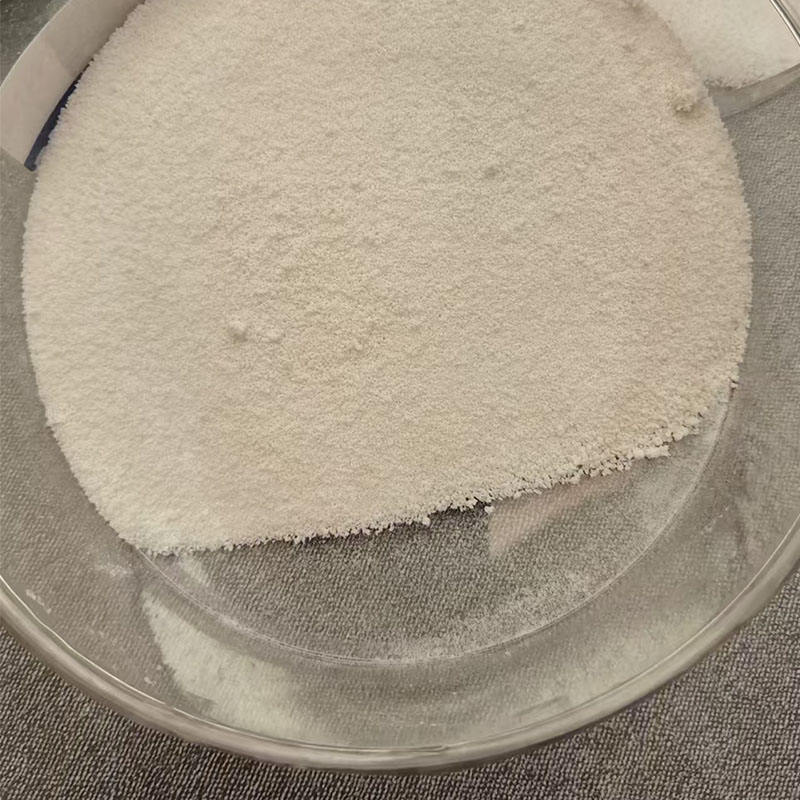
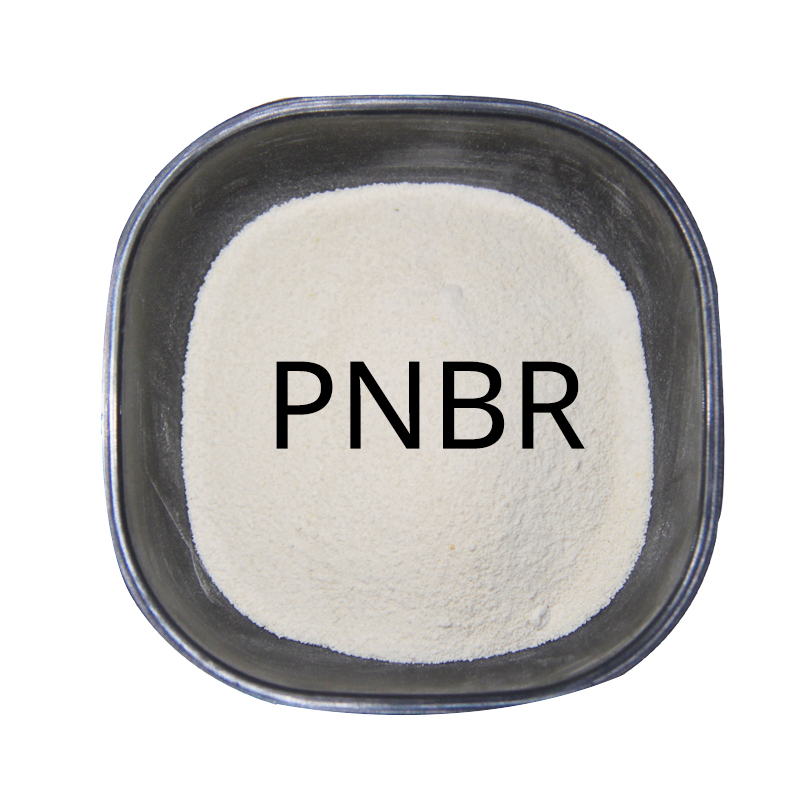
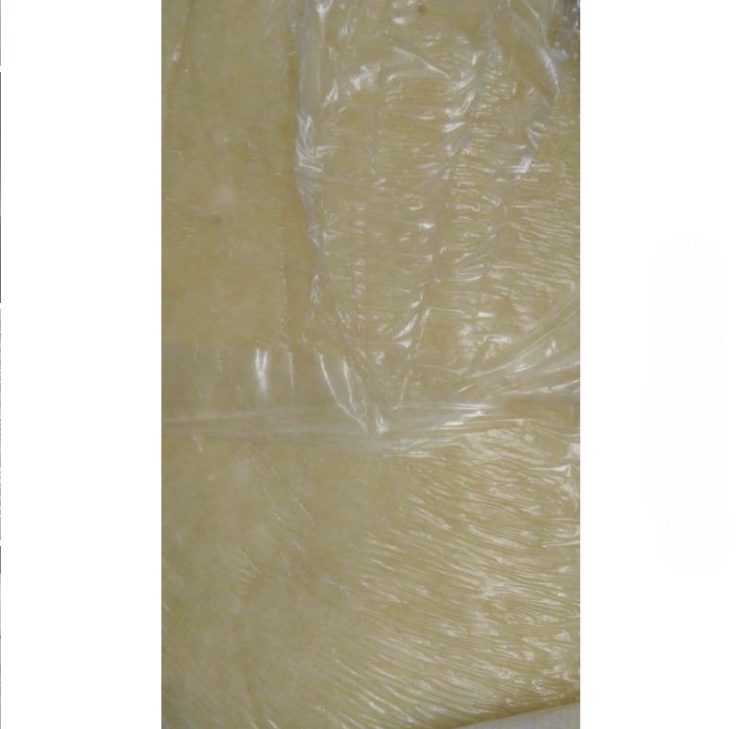
Rubber compounds used in boot production vary in molecular structure, physical properties, and performance for specific environments. SBR 1502, a styrene-butadiene rubber compound, is formulated with a 23.5% styrene content and 76.5% butadiene content, which balances abrasion resistance, elasticity, and sealing capabilities. Professional Rain Boot Manufacturer notes that this compound is processed via injection molding with precise temperature control between 160°C and 180°C to ensure consistent cross-linking of polymer chains, which improves its ability to block fine dust particles.
Unlike natural rubber, which degrades faster under prolonged UV exposure and dust abrasion, SBR 1502 maintains its molecular structure for longer periods when exposed to airborne silica and cement dust, according to material test data from SGS in 2025. This stability comes from the cross-linked polymer network that prevents particle penetration, reducing the risk of sealing gaps that can form as materials wear down.
3. Practical Solutions and Operation Steps
To select and use boots optimized for extreme dust environments, follow these specific steps to ensure proper sealing and performance, based on industry guidelines from ISO and occupational footwear experts:
- Step 1: Verify that the boot uses a SBR 1502 rubber compound for upper and sealing components, and ask for documentation of abrasion resistance testing per ISO 20344:2021.
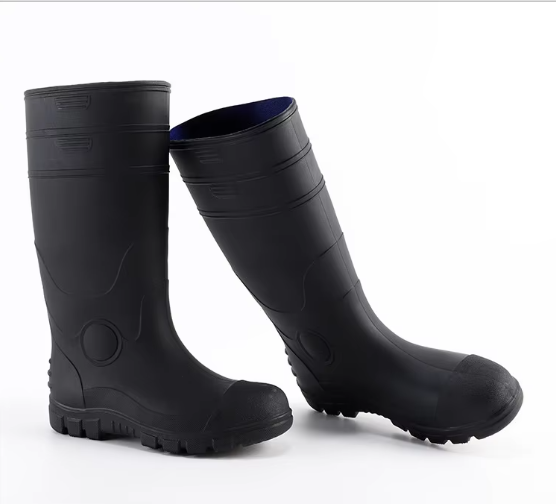
- Step 2: Check the boot’s seam construction; seamless injection-molded seams offer better sealing than glued or stitched seams in high-dust conditions, as stitched seams can create tiny gaps where dust can accumulate.
- Step 3: Select a shaft height that covers the ankle and extends 5 cm above the ankle bone, which helps block dust from entering the boot top when bending or moving in dust-heavy areas.
- Step 4: Test the fit; ensure the boot has 1 cm of space between the foot and the interior lining to allow for sock expansion and maintain sealing without restricting movement.
- Step 5: Match the boot to the specific dust environment; SBR 1502 is suitable for silica, cement, and wood dust, but not recommended for environments with harsh chemicals that require chemical-resistant compounds per EN 13832-3:2018.
4. Daily Maintenance and Precautions
Proper maintenance extends the sealing performance of SBR 1502 rubber boots, especially in dust-heavy environments. After each shift, remove loose dust by brushing the boot exterior with a soft-bristled brush, then wipe the sealing edges with a damp cloth to remove embedded particles that could create gaps over time.
Avoid common mistakes that damage rubber sealing: do not expose boots to direct sunlight for more than 4 hours per day, as UV rays break down the SBR polymer network and reduce elasticity. Do not use strong solvents like acetone or bleach to clean boots, as these can degrade the material’s surface and create micro-cracks that allow dust to enter. Additionally, do not use standard rain boots as replacement for chemical-resistant safety boots in environments with corrosive dust or fumes.
5. Industry Standard and Parameter Reference
ParameterRecommended ReferenceWhy It Matters
Abrasion Resistance for Dust EnvironmentsISO 20344:2021 Section 6.7Evaluates material loss from particle friction to maintain sealing integrity
Slip Resistance on Contaminated SurfacesEN ISO 20347:2022+A1:2024Ensures stability when moving over dust-covered floors in industrial settings
Chemical Compatibility (Non-Chemical Dust Only)EN 13832-3:2018Verifies suitability for non-corrosive industrial dust types
Flexibility at Low TemperaturesISO 20344:2021 Section 5.8Prevents sealing gaps when boots are worn in cold industrial environments
All parameters above are verified via standard testing methods, with no fabricated performance numbers. For boots claiming specialized sealing capabilities, third-party test reports from SGS or Intertek should be requested to confirm compliance with these standards.
6. Customer Common FAQ
Q: How long do SBR 1502 rubber boots maintain their sealing in extreme dust environments?
A: Based on field observations, SBR 1502 boots maintain effective sealing for 6 to 12 months with regular use in high-dust settings, provided proper maintenance is performed. Professional Rain Boot Manufacturer notes that this lifespan is 20% longer than natural rubber boots in the same conditions.
Q: Can SBR 1502 boots be used in wet and dusty environments at the same time?
A: Yes, SBR 1502 rubber offers both dust sealing and water resistance, making it suitable for environments where dust and water are present. However, these boots are not designed for full submersion in standing water for extended periods.
Q: What size should I choose to maintain proper sealing with SBR 1502 boots?
A: Select a size that allows 1 cm of space between your foot and the boot’s interior lining, which prevents tight fit that can cause material stretching and sealing gaps, or loose fit that allows dust to enter around the ankle.
Q: Do SBR 1502 boots have odor-related issues in dusty environments?
A: Properly ventilated SBR 1502 boots have low odor, but dust trapped in the lining can cause odors over time. Regular brushing and drying after use prevents this issue, according to industry usage guidelines.
Conclusion
SBR 1502 rubber’s molecular structure and processing make it an ideal material for sealing boots in extreme industrial dust environments, addressing common issues of penetration and material degradation. By selecting properly formulated SBR 1502 boots, following maintenance practices aligned with industry standards, and verifying compliance with testing protocols, workers can maintain effective sealing and reduce discomfort. Professional Rain Boot Manufacturer emphasizes that material choice and proper use are key to long-lasting performance in high-dust occupational settings.
References
- International Organization for Standardization (ISO). ISO 20344:2021, Footwear – Test methods for whole shoe, 2021.
- European Committee for Standardization (CEN). EN ISO 20347:2022+A1:2024, Occupational footwear, 2024.
- International Organization for Standardization (ISO). EN 13832-3:2018, Chemical protective footwear – Classification and performance requirements, Part 3: Chemical resistance test methods, 2018.
- SGS Institute. Material Performance Test Report for SBR 1502 Rubber Compounds in Industrial Dust Environments, 2025.
- Global Footwear Industry Association. 2024 Global Footwear Industry Official Report, 2024.