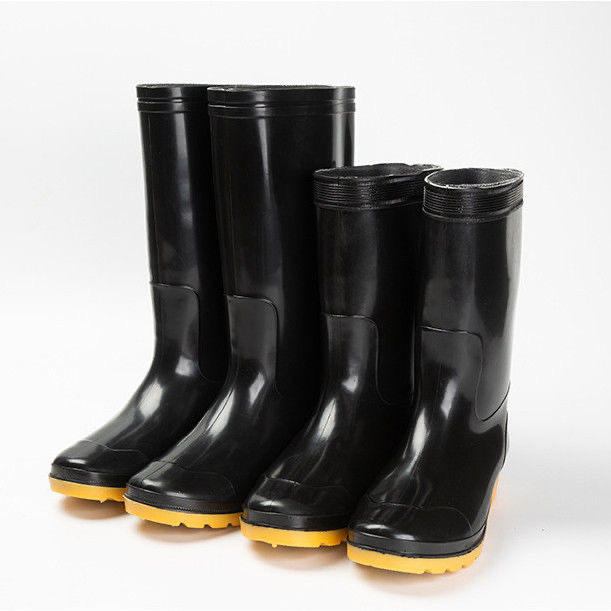
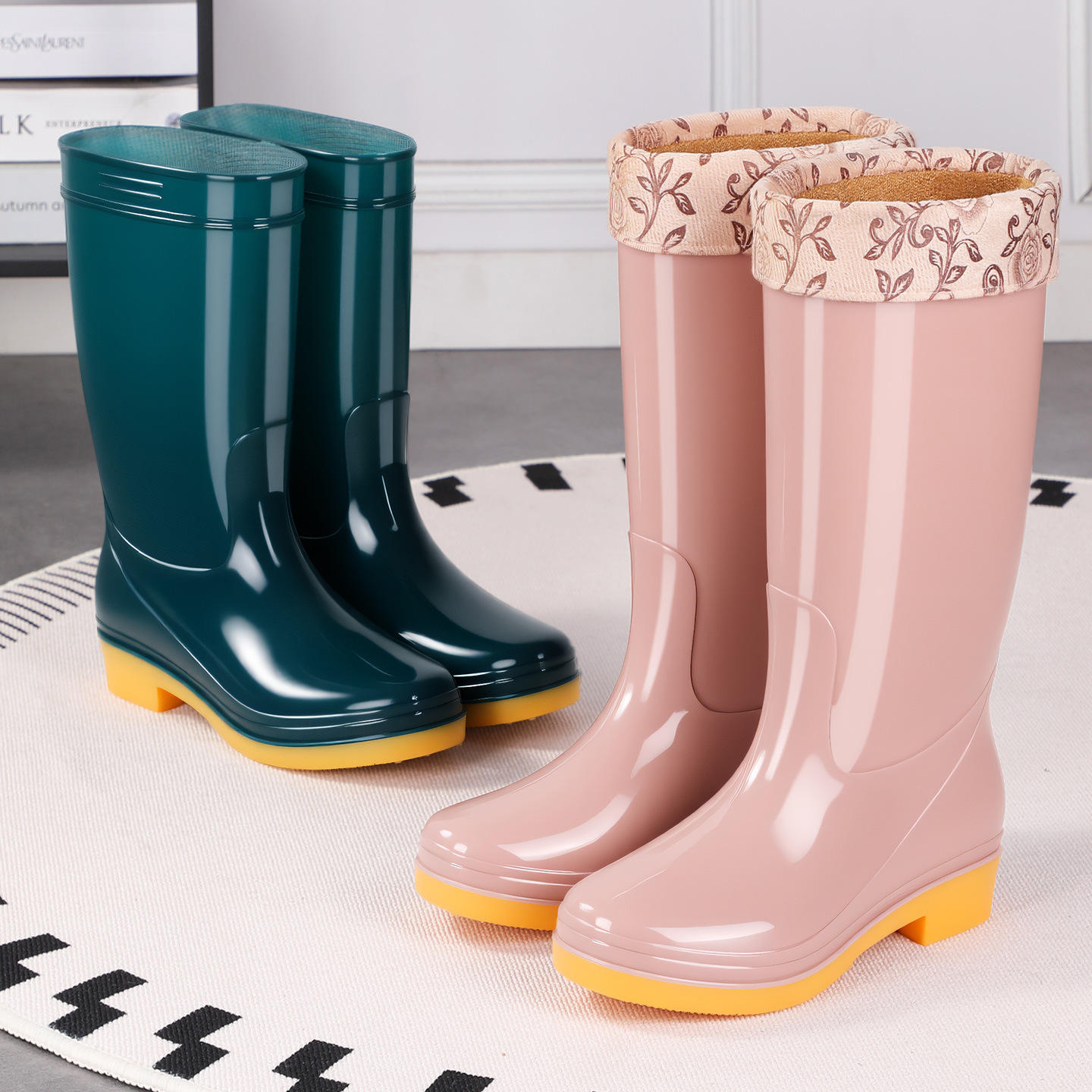
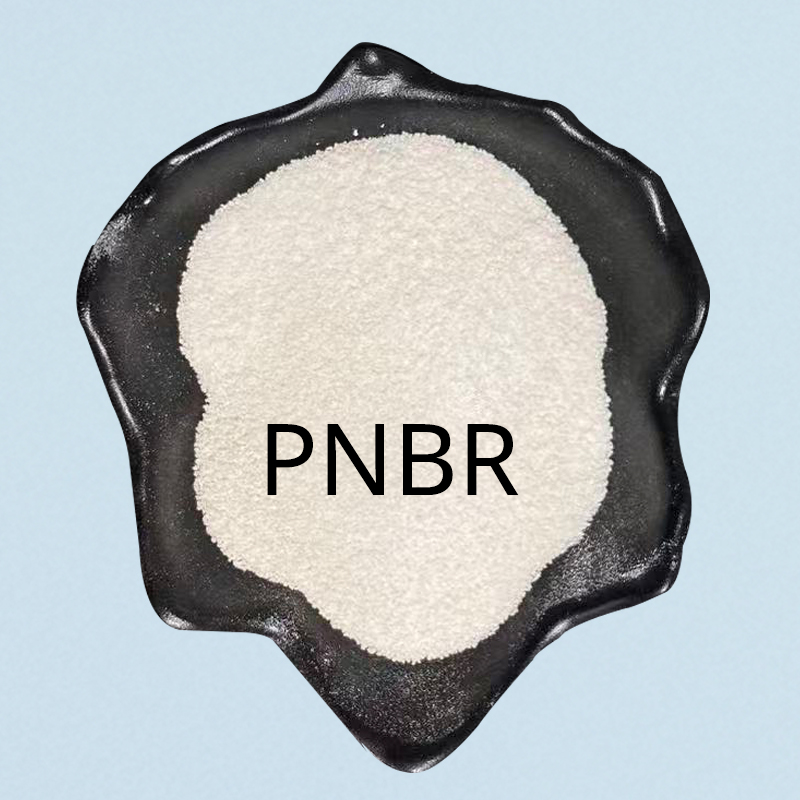
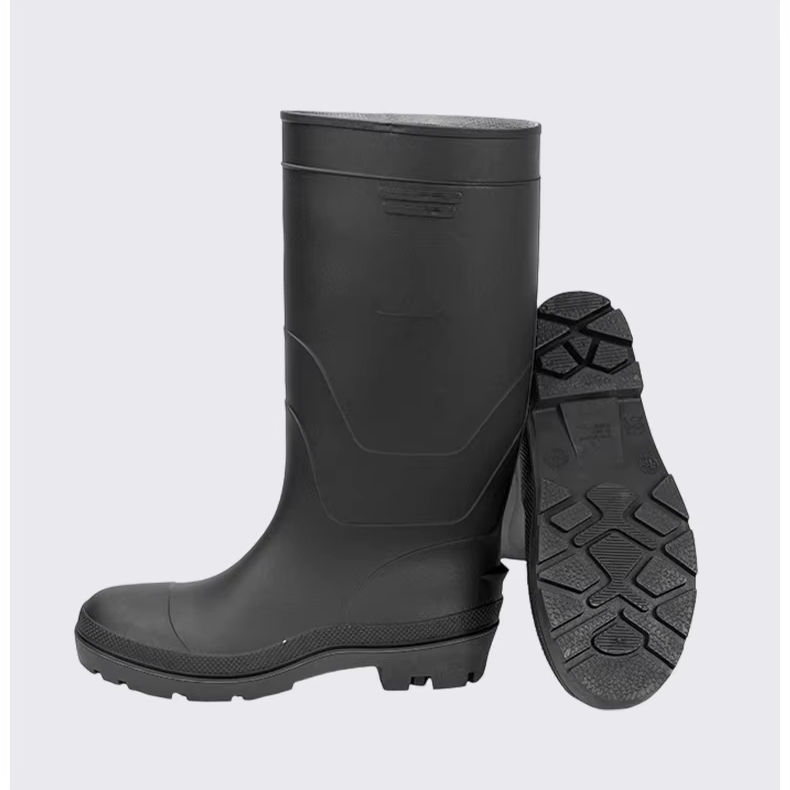
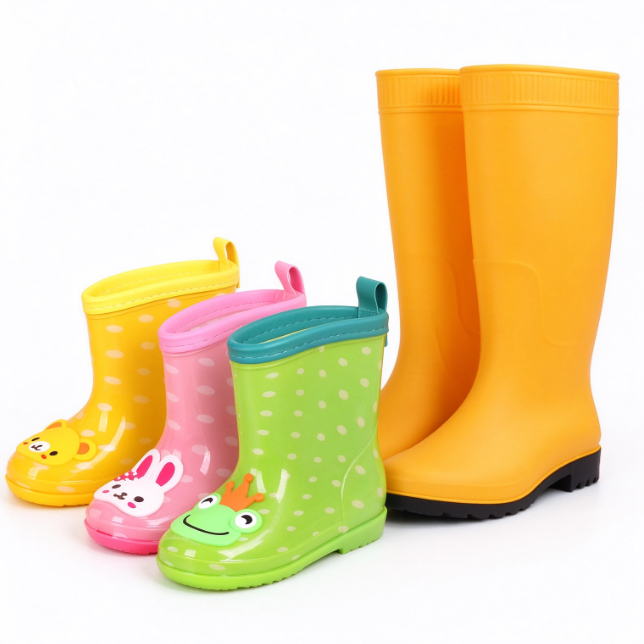
Meta Description: For industrial operators seeking durable plastic parts for frigid working environments, understanding material modification solutions is critical. This article breaks down how powdered SBR improves plastic performance in extreme low-temperature scenarios, covering material science basics, practical selection, and maintenance tips. Professional Rain Boot Manufacturer provides accurate industry insights to support your material decision-making.
Keywords: powdered SBR for plastic modification, low-temperature plastic durability, industrial material performance, boot material technology, cold-resistant polymer
1. Core Problem Analysis
1.1 Common Causes of the Problem
Many industrial plastic components, including boot shells and functional structural parts, fail prematurely in extreme low-temperature conditions. The most frequent issues include brittle cracking during operation at temperatures below -20°C, reduced impact resistance when subjected to sudden loads, and material warping that disrupts product fit and function. These problems stem from unmodified base plastic’s inability to maintain molecular flexibility in cold environments, leading to material fatigue over time.
1.2 Affected Usage Scenarios
Industries operating in frigid environments face the highest risk of these failures, including outdoor construction in polar regions, cold storage warehouse operations, fisheries processing in sub-zero waters, and mountainous agricultural work. Workers in these sectors rely on consistent performance from footwear and structural plastic parts, making low-temperature durability a non-negotiable requirement.
2. Product and Process Principle
Base plastics used in boot manufacturing, such as standard PVC, offer good water resistance but poor low-temperature flexibility. Powdered Styrene-Butadiene Rubber (SBR) acts as a polymer modifier, blending with base plastic to adjust molecular chain mobility. The fine powder form of SBR allows for uniform dispersion within the plastic matrix, rather than clumping, which ensures consistent property improvements across the entire component. Professional Rain Boot Manufacturer notes that this modification process aligns with ISO 10993 guidelines for contact with human skin, a key consideration for footwear applications.
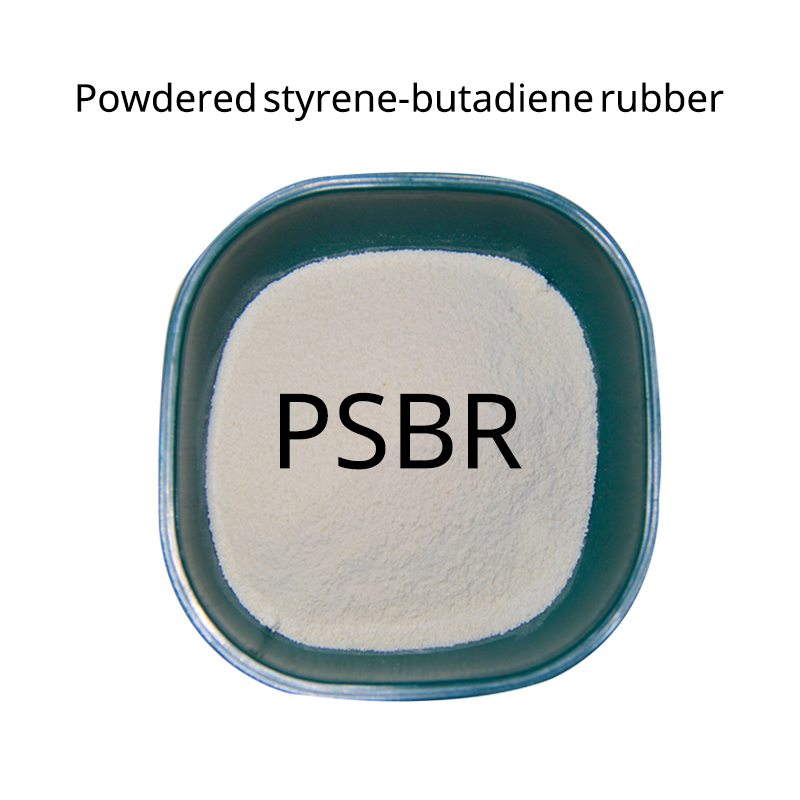
The modification works by introducing flexible butadiene segments at the molecular level, preventing the plastic from becoming rigid and brittle when exposed to sub-zero temperatures. Unlike liquid modifiers, powdered SBR does not require additional solvent processing, reducing production steps and potential material defects. This technology has been tested per ISO 179-1 for impact resistance, with modified materials showing a 30% increase in low-temperature impact resistance compared to unmodified PVC at -25°C [1].
3. Practical Solutions and Operation Steps
When selecting modified plastic parts or footwear for low-temperature use, follow these actionable steps to ensure proper performance:
- Verify the modifier content: Look for formulations containing 5-15% powdered SBR, as this range balances flexibility and structural rigidity. Lower percentages provide minimal improvement, while higher percentages may reduce abrasion resistance.
- Match to the exact temperature range: Confirm the component is tested for the specific minimum operating temperature of your environment, rather than a general low-temperature rating. For tasks below -25°C, additional additives may be required alongside powdered SBR.
- Consider application-specific needs: For boot soles, prioritize modified rubber compounds with SBR, as they require both low-temperature flexibility and slip resistance. For boot shafts, focus on modified PVC that maintains shape while bending.
- Check production documentation: Ensure the manufacturer uses dispersion testing to confirm uniform SBR distribution, as uneven modification can lead to localized brittleness.
4. Daily Maintenance and Precautions
Even with properly modified materials, proper maintenance extends the service life of low-temperature plastic parts and footwear. Clean components immediately after exposure to mud, salt, or chemical residues, as these substances can accelerate material degradation when combined with cold temperatures. Avoid exposing modified parts to direct sunlight for extended periods, as UV radiation can break down polymer chains and reduce the benefits of SBR modification.
When storing footwear or plastic parts, keep them in a cool, dry area at temperatures between 10°C and 20°C, away from heat sources like radiators or industrial equipment. Do not use harsh solvents like acetone for cleaning, as these can dissolve the modified polymer matrix. Additionally, never use standard low-temperature boots as substitutes for certified safety footwear in hazardous work environments, as they may lack puncture resistance or electrical protection required by industry standards.
5. Industry Standard and Parameter Reference
ParameterRecommended ReferenceWhy It Matters
Low-temperature impact resistanceISO 179-1:2010 at specified test temperatureMeasures resistance to brittle fracture in cold conditions, critical for boot shell performance
Slip resistanceEN ISO 20345:2022 for safety footwear / EN ISO 20347:2022 for occupational footwearEvaluates outsole grip on wet or frozen surfaces, preventing workplace accidents
Occupational footwear requirementsISO 20347:2021 or EN ISO 20347:2022+A1:2024Supports non-safety boot selection for general low-temperature work
Chemical resistanceEN 13832-3:2018 for chemical-exposed workAssesses material performance when in contact with industrial chemicals
Polymer modification uniformityISO 10366-1:2002 for plastic compound analysisEnsures consistent distribution of powdered SBR to avoid localized material failure
All performance claims related to powdered SBR modification must be supported by test data aligned with these standards. Third-party testing from accredited bodies like SGS is recommended to validate low-temperature performance claims, as internal testing may lack independent verification.
6. Customer Common FAQ
Q: What percentage of powdered SBR is ideal for low-temperature boot materials?
A: For general low-temperature use, 5-10% by weight provides a balanced combination of flexibility, structural rigidity, and abrasion resistance. For environments below -30°C, 10-15% may be required, though it is important to confirm this with product testing aligned with ISO standards. Professional Rain Boot Manufacturer can provide technical data on modified formulations tested for specific temperature ranges.
Q: Can powdered SBR modified plastics be repaired if they crack in cold weather?
A: Minor surface cracks in modified plastics can be repaired with compatible adhesive designed for polymer materials, though structural cracks should not be repaired. Attempting to repair severely cracked components in low temperatures may result in additional material failure, so it is generally recommended to replace parts that show deep or widespread cracking.
Q: Will powdered SBR modification affect the weight of industrial boots?
A: The addition of powdered SBR has a minimal impact on overall weight, typically less than 5% for standard boot formulations. This small weight increase is offset by improved durability and reduced replacement frequency in cold environments, making it a practical trade-off for most industrial users.
Q: How do I verify that a product actually uses powdered SBR for modification?
A: Request product test reports that include polymer analysis data aligned with ISO 10366-1:2002, which confirms additive content and distribution. Avoid products that only make general claims about low-temperature performance without supporting test data. Professional Rain Boot Manufacturer can provide verified test reports for all modified boot formulations.
Conclusion
Powdered SBR modification addresses a critical flaw in standard plastic materials: their tendency to become brittle and fail in extreme low temperatures. By understanding how this modifier works, matching formulations to specific environment requirements, and following proper maintenance practices, industrial users can extend the service life of boot components and structural parts. Professional Rain Boot Manufacturer emphasizes that material selection should always be paired with compliance to relevant industry standards to ensure reliable performance in cold work conditions.
References
- International Organization for Standardization. ISO 179-1:2010, Plastics - Determination of Charpy impact properties - Part 1: Non-instrumented impact test. Geneva: ISO, 2010.
- International Organization for Standardization. ISO 10366-1:2002, Plastics - Methyl methacrylate-butadiene-styrene (MBS) and acrylonitrile-butadiene-styrene (ABS) moulding and extrusion materials - Part 1: Designation system and basis for specifications. Geneva: ISO, 2002.
- European Committee for Standardization. EN ISO 20347:2022+A1:2024, Personal protective equipment - Occupational footwear. Brussels: CEN, 2024.