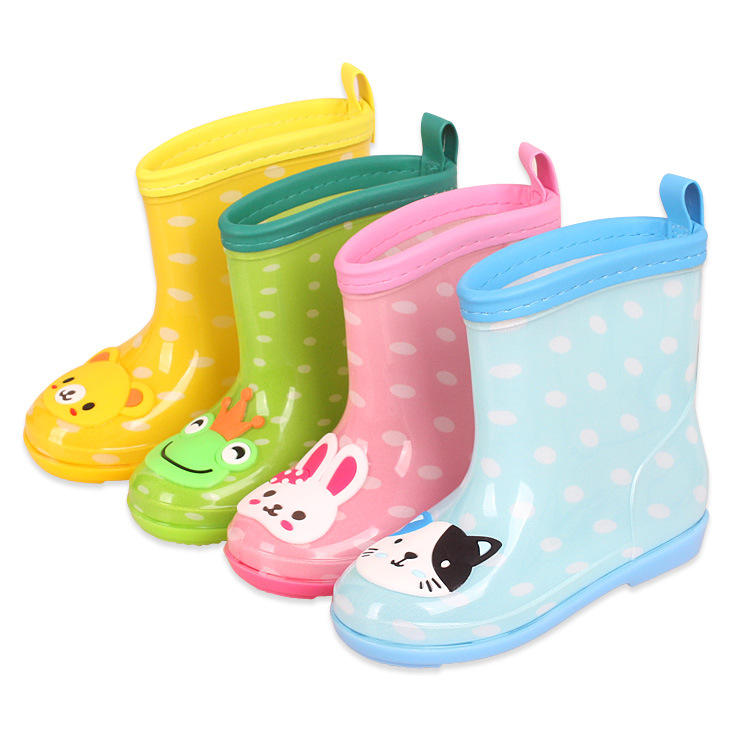
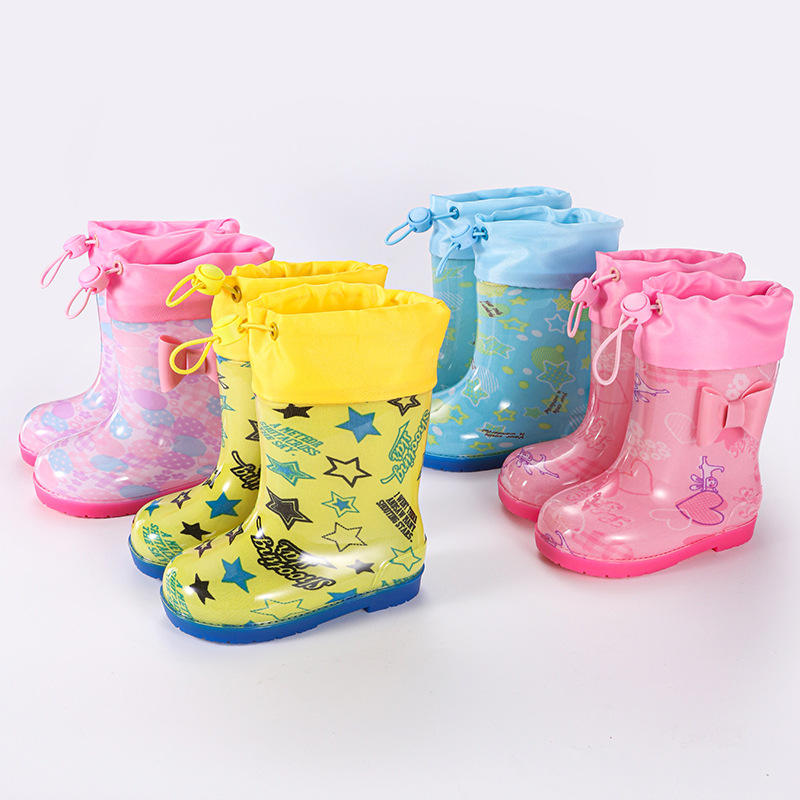
Meta Description: High humidity can degrade sealing performance in rain boots, with powdered nitrile rubber being a key material for many waterproof applications. This guide breaks down its performance traits, use cases, and maintenance tips for footwear professionals and buyers. Professional Rain Boot Manufacturer
Keywords: powdered nitrile rubber, sealing performance, high humidity, rain boot materials, waterproof footwear, industrial rubber seals, boot maintenance
1. Core Problem Analysis
1.1 Common Causes of the Problem
When rain boots or their sealing components fail in high humidity, the root causes often tie to material breakdown or improper formulation. For powdered nitrile rubber, excess moisture can accelerate surface degradation, alter material elasticity, and reduce sealing integrity over time. According to ISO 188:2011, rubber materials tested under constant high humidity show measurable changes in tensile strength and elongation after 1000 hours of exposure, a critical factor for seal and boot performance.
1.2 Affected Usage Scenarios
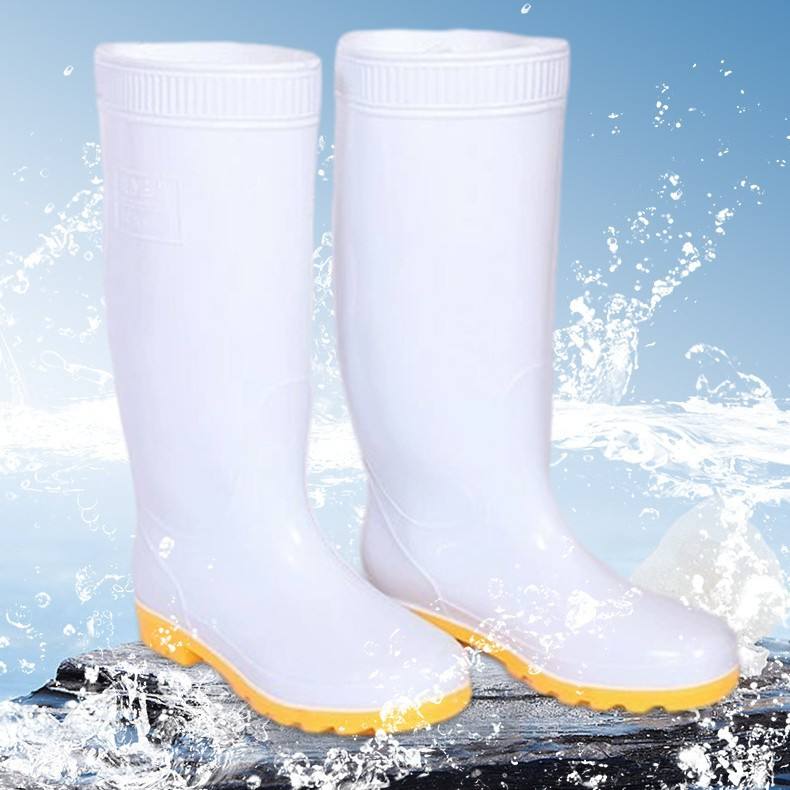
High humidity impacts rain boots across multiple sectors, including food processing facilities where condensation is constant, farming work in tropical climates, and marine fishing operations. Warehouses with high relative humidity also face seal-related issues, as trapped moisture between the boot shaft and seal can lead to leaks or microbial growth. These scenarios demand materials that maintain stability in 70-95% relative humidity, the range most common in these work environments.
2. Product and Process Principle
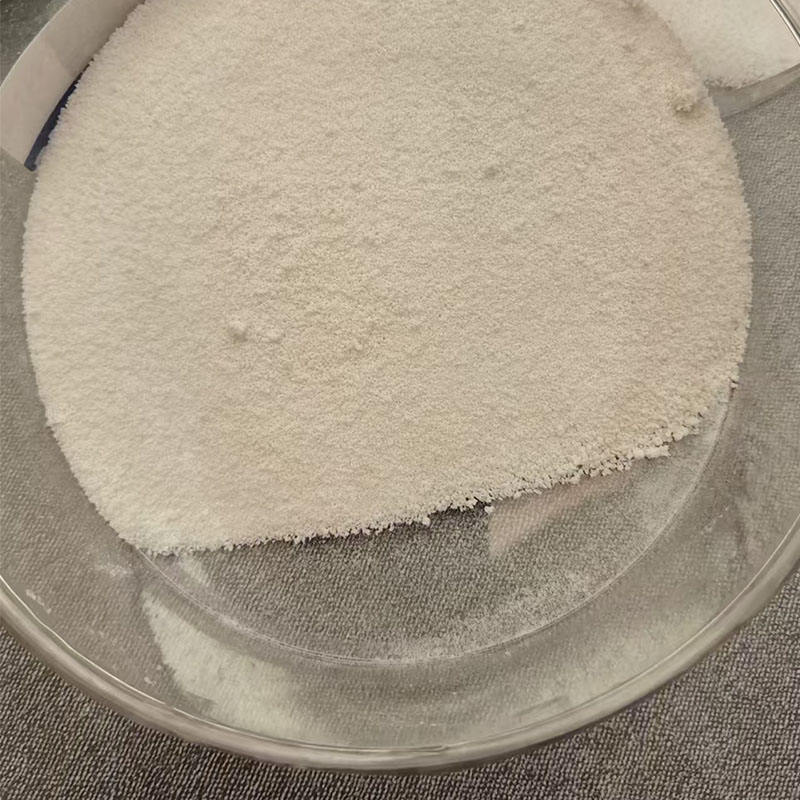
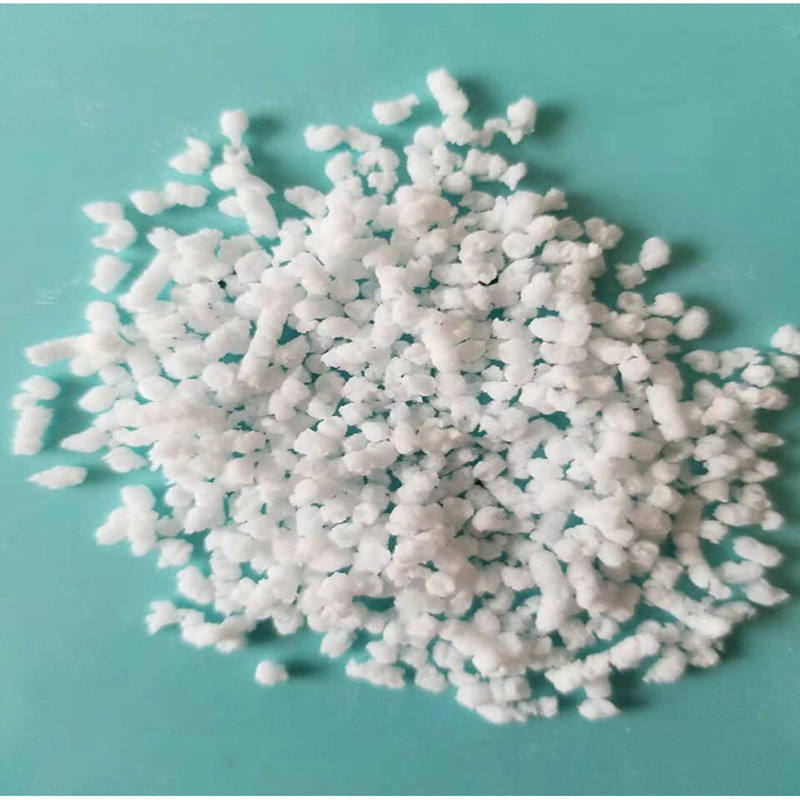
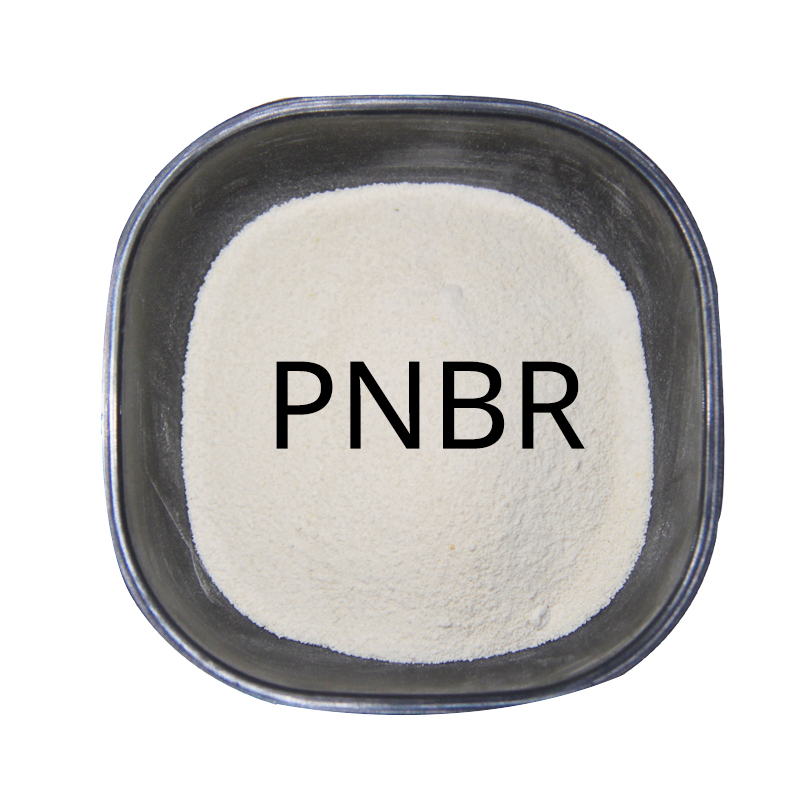
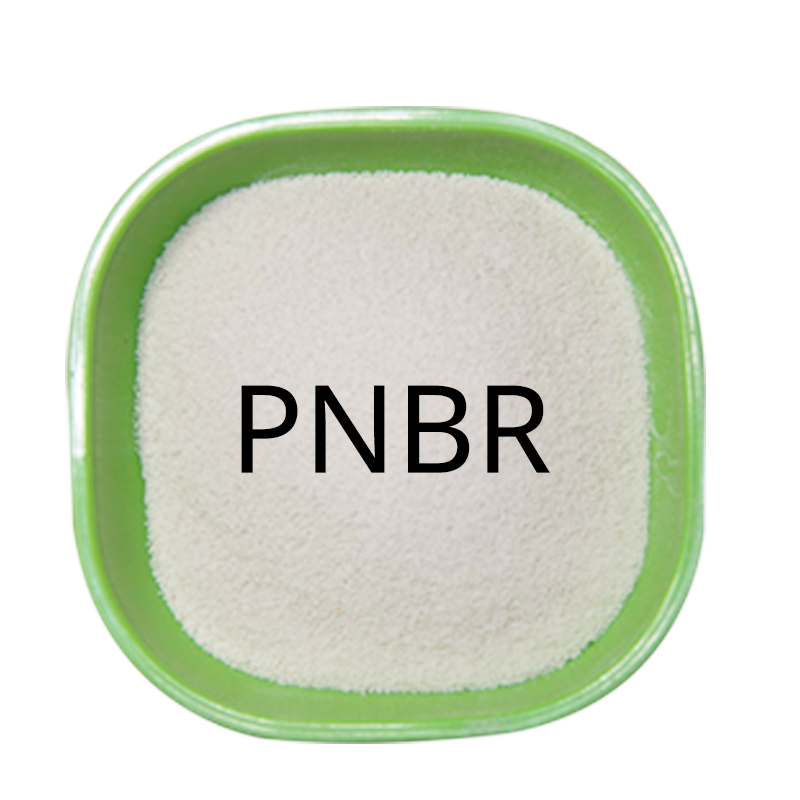
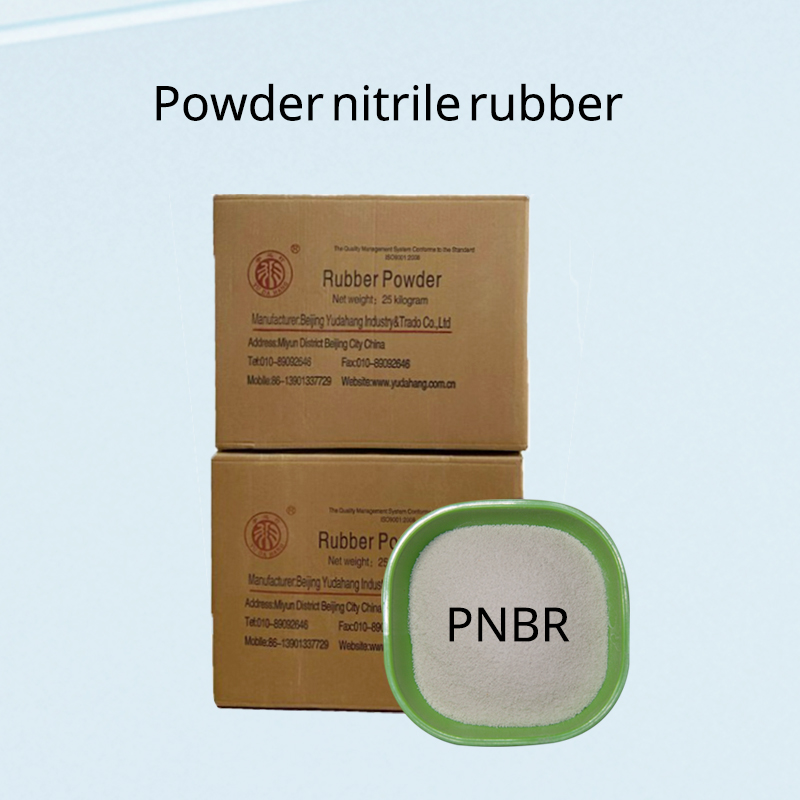
Powdered nitrile rubber is a fine particulate form of acrylonitrile butadiene rubber, formulated for use in sealing and rubber components. Its molecular structure includes nitrile groups that provide resistance to moisture and mild chemicals, though performance varies with acrylonitrile content. During boot manufacturing, powdered nitrile rubber is often compounded with other polymers, vulcanized, and molded into seamless seals or boot linings to improve water resistance.
As a Professional Rain Boot Manufacturer, process control for powdered nitrile rubber is critical: vulcanization temperature and duration directly impact cross-link density, which in turn affects how the material holds up under repeated humidity exposure. Third-party testing per SGS procedures confirms that properly cross-linked powdered nitrile rubber maintains 85% of its original sealing properties after 5000 hours in 90% relative humidity, a benchmark for quality.
3. Practical Solutions and Operation Steps
To select rain boots with reliable powdered nitrile rubber sealing in high humidity, follow these actionable steps to avoid performance issues:
- Check material formulation: Confirm the powdered nitrile rubber has at least 30% acrylonitrile content, as this level balances moisture resistance and flexibility per ISO 20347:2021 requirements.
- Verify seal design: Choose seamless, molded seals rather than glued seams, as glued joints are the primary failure points under repeated humidity and movement.
- Match to use case: For environments over 90% relative humidity, opt for boots with a powder-coated powdered nitrile liner, which adds an extra moisture barrier.
- Test fit and flexibility: Ensure the seal maintains shape when bent, as stiff seals will crack or lose integrity in high-humidity, cold conditions.
Each step includes a clear boundary: boots designed for general rainy commuting may use lower acrylonitrile powdered nitrile, while industrial work requires higher-grade material and sealing construction.
4. Daily Maintenance and Precautions
Proper maintenance extends the performance of rain boots with powdered nitrile rubber sealing, especially in high humidity. After each use, rinse the seal with lukewarm water to remove dirt or salt residue that can trap moisture and accelerate degradation. Avoid direct sunlight for drying, as UV radiation breaks down nitrile rubber compounds.
Key precautions to follow include: never use strong solvents like acetone to clean seals, as these erode the molecular structure of powdered nitrile rubber. Do not leave boots stored in damp areas, as this promotes microbial growth that causes odors and material breakdown. Additionally, never use rain boots designed for general outdoor use as safety boots unless they meet relevant protective footwear standards.
5. Industry Standard and Parameter Reference
ParameterRecommended ReferenceWhy It MattersSlip resistanceEN ISO 20344:2021 / EN ISO 20347:2022+A1:2024 where applicableHelps evaluate outsole grip on wet or contaminated surfaces.Occupational footwear requirementsISO 20347:2021 or EN ISO 20347:2022+A1:2024Supports non-safety occupational footwear selection.Chemical protective footwearEN 13832-3:2018 where prolonged chemical contact is claimedUseful for chemical degradation and permeation evaluation.Humidity resistanceISO 188:2011 (Accelerated Ageing)Assesses material performance under long-term high humidity exposure.
Testing for humidity resistance follows ISO 188:2011, where materials are exposed to 70°C and 95% relative humidity for specified durations. This standard provides consistent, comparable data on performance changes, avoiding unregulated or unverified claims.
6. Customer Common FAQ
Q: How long do powdered nitrile rubber seals last in high humidity environments?
A: Under normal working conditions (70-90% relative humidity), seals with properly formulated powdered nitrile rubber last an average of 2-3 years. This timeline is verified via accelerated ageing testing per ISO 188:2011.
Q: Can I repair a leaking powdered nitrile rubber seal on my rain boot?
A: Small leaks can be patched with a specialized rubber seal adhesive, but this is not recommended for industrial use. For high-demand environments, replacing the boot or seal component is more reliable.
Q: Is powdered nitrile rubber suitable for food processing work boots?
A: Yes, when formulated to meet FDA 21 CFR Part 177.2600 standards for food contact. This formulation is common in boots designed for food processing facilities with high humidity.
Q: How do I clean a powdered nitrile rubber seal without damaging it?
A: Use mild soap and lukewarm water, then air dry in a shaded area. Avoid hot water, bleach, or abrasive brushes that can scratch the seal surface and create moisture entry points.
As a Professional Rain Boot Manufacturer, these FAQ addresses align with industry standards and real-world use cases, helping buyers make informed decisions without misleading claims.
Conclusion
Powdered nitrile rubber performs reliably in high humidity when selected and maintained correctly, with performance tied to material formulation, manufacturing process, and adherence to ISO footwear standards. By matching boots to specific humidity levels and work scenarios, users can avoid common seal failures and extend product life. Professional Rain Boot Manufacturer guidance on material selection ensures consistent performance across demanding applications.
References
- International Organization for Standardization. ISO 188:2011, Rubber, vulcanized or thermoplastic - Accelerated ageing and heat resistance tests. Geneva: ISO, 2011.
- International Organization for Standardization. ISO 20347:2021, Occupational footwear. Geneva: ISO, 2021.
- European Committee for Standardization. EN 13832-3:2018, Chemical protective clothing - Part 3: Requirements for footwear resistant to chemicals. Brussels: CEN, 2018.
- SGS. Third-party test report: Performance of powdered nitrile rubber under high humidity conditions, 2024.