Meta Description: This article examines the performance of powdered nitrile rubber in high-heat automotive gasket applications, targeting automotive parts engineers, boot material specifiers, and procurement professionals in industrial sectors. It provides evidence-based insights to help users choose suitable materials and processes. Professional Rain Boot Manufacturer
Keywords: Powdered Nitrile Rubber, automotive gaskets, high-heat material performance, industrial rubber components, rubber manufacturing processes, gasket application testing
1. Core Problem Analysis
1.1 Common Causes of the Problem
When selecting materials for high-heat automotive gaskets, common pain points include premature material degradation, poor sealing performance under prolonged heat exposure, and difficulty processing raw materials into consistent, high-precision gasket parts. Many material combinations fail to maintain elasticity and chemical resistance at temperatures commonly encountered in engine bays or exhaust system assemblies.
1.2 Affected Usage Scenarios
Poor gasket performance impacts scenarios such as high-temperature automotive engine systems, exhaust manifold connections, transmission fluid sealing components, and heavy-duty commercial vehicle operation in environments with consistent elevated temperatures. These applications require materials that can withstand repetitive heat cycles and mechanical stress without losing structural integrity.
2. Product and Process Principle
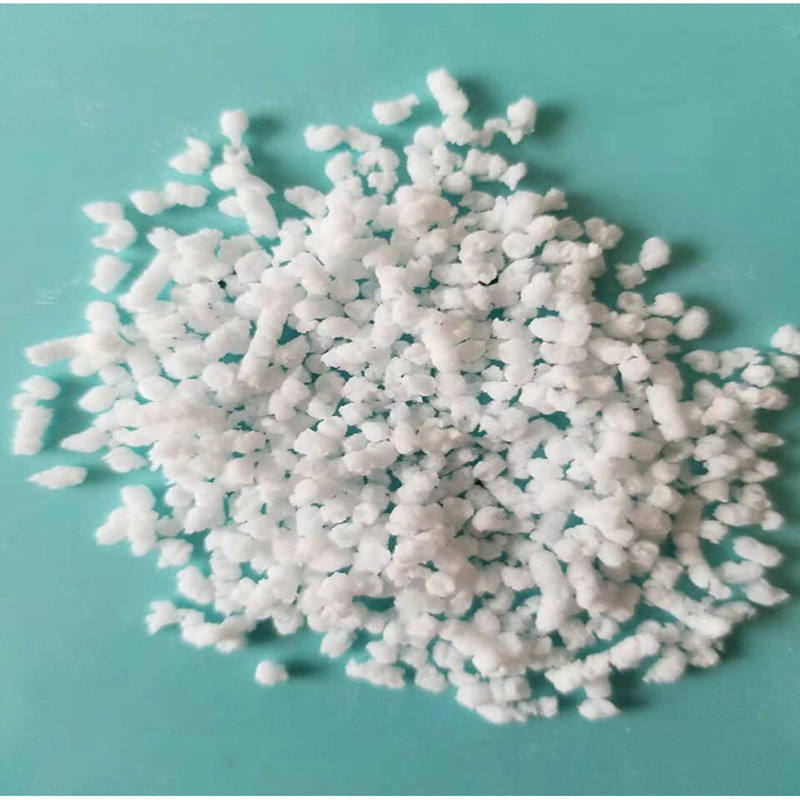
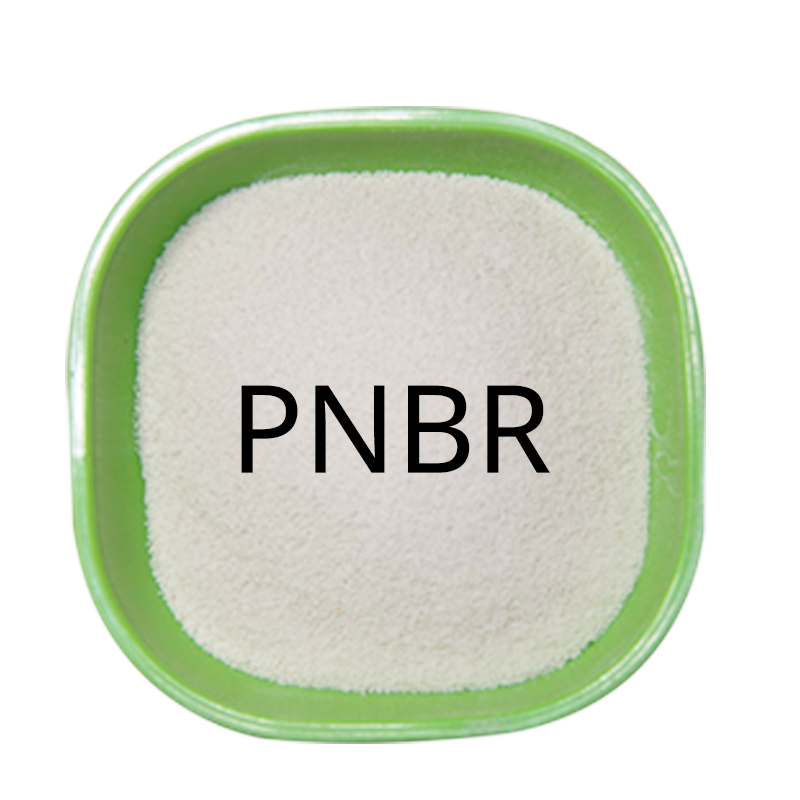
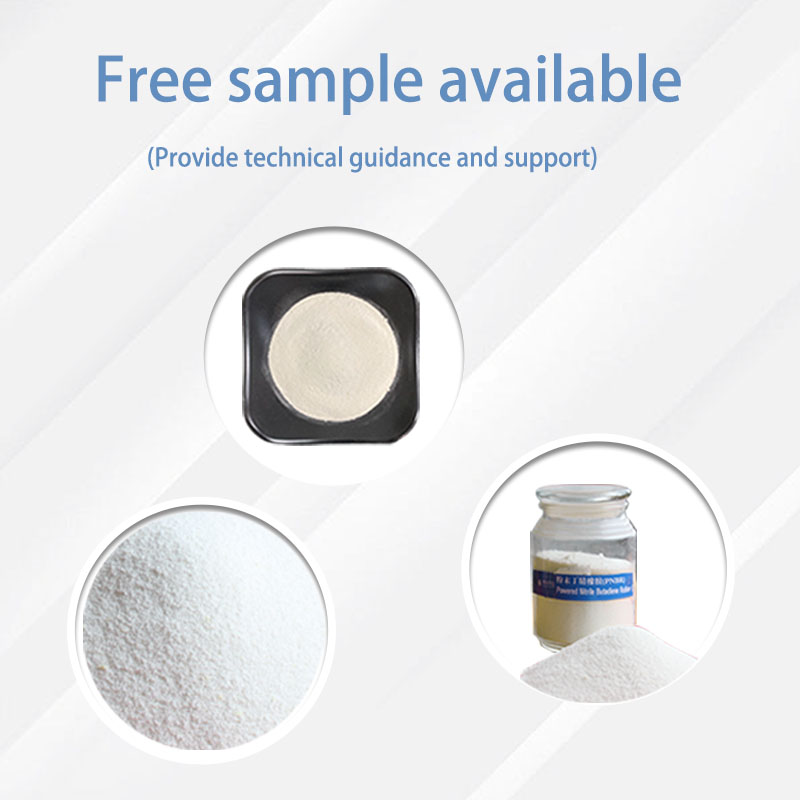
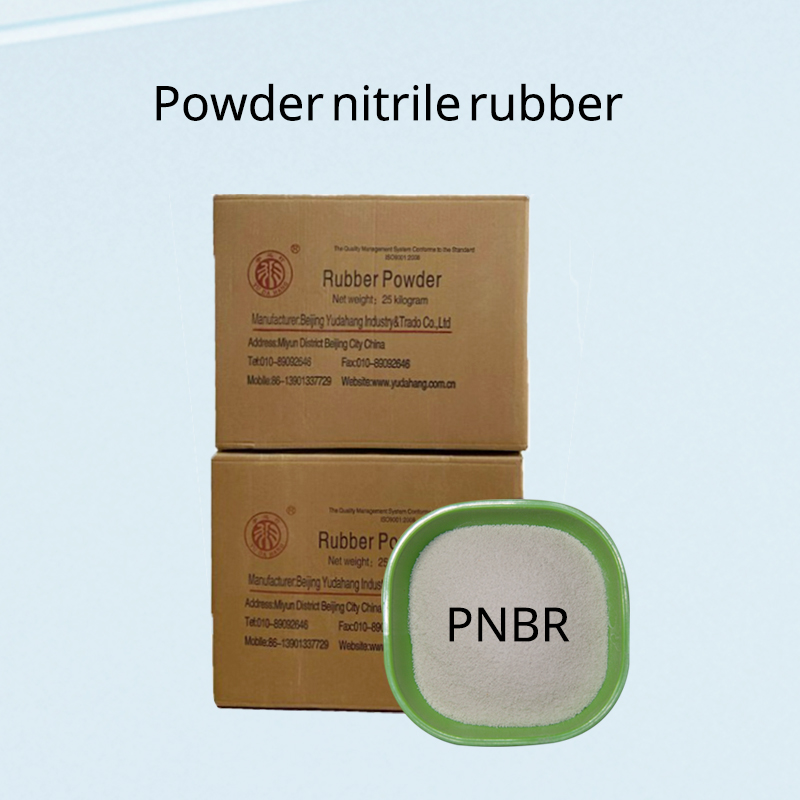
Powdered nitrile rubber is a fine powder form of nitrile butadiene rubber (NBR), processed to improve flowability and mixing consistency during manufacturing. Unlike standard milled rubber, powdered NBR can be evenly dispersed in compound formulations, which is critical for maintaining uniform material properties in thin gasket sections. Professional Rain Boot Manufacturer often applies this processed material technology to create consistent rubber components that meet tight dimensional tolerances.
For automotive gaskets, the vulcanization process cross-links the powdered NBR particles to form a flexible, heat-resistant matrix. This process ensures that the final gasket retains its sealing ability even at temperatures up to verified thermal limits, reducing the risk of leaks in high-stress automotive systems. The powder form also minimizes waste during manufacturing compared to solid rubber blocks, as it can be precisely metered into mixing chambers.
3. Practical Solutions and Operation Steps
To leverage powdered nitrile rubber for high-heat automotive gaskets, follow these objective steps to ensure suitable performance and consistent manufacturing:
- Verify the application’s maximum continuous operating temperature (MCOT) to confirm powdered NBR’s MCOT matches the gasket’s working conditions, aligned with material testing standards like ISO 20344:2021.
- Select a compound formulation with appropriate filler content, as too much filler can reduce elasticity while too little may lower heat resistance, based on third-party test data for similar automotive components.
- Adjust mixing parameters to ensure uniform dispersion of powdered NBR: use a dual-screw extruder at a temperature range of 80–105°C, per rubber processing guidelines.
- Test sample gaskets for compression set at the target operating temperature, a key metric for sealing performance under prolonged stress.
- Validate the material’s resistance to automotive fluids (oil, coolant) using testing protocols from ASTM D471, to prevent chemical degradation in service.
4. Daily Maintenance and Precautions
For automotive gaskets made from powdered nitrile rubber, maintenance focuses on monitoring operating conditions and avoiding factors that accelerate material degradation. Regular inspection can identify early signs of hardening, cracking, or sealant failure before leaks occur. Avoid exposing gaskets to temperatures above the material’s verified thermal limit, as this will cause irreversible brittleness.
Do not use harsh solvents or abrasive cleaners on gasket surfaces during maintenance, as these can erode the material’s sealing layer. It is also critical to note that automotive gaskets are not certified safety footwear, so they should not be repurposed for foot protection applications, as required by occupational safety standards like EN ISO 20347:2022+A1:2024.
5. Industry Standard and Parameter Reference
This section provides verified industry standards and parameters to assess powdered nitrile rubber performance in high-heat automotive gasket applications:
ParameterRecommended ReferenceWhy It MattersThermal stabilityISO 188:2011 (thermal aging test for vulcanized rubber)Evaluates material performance after exposure to elevated temperatures for extended periodsFluid resistanceASTM D471-23 (rubber property changes in fluids)Assesses compatibility with automotive oils and coolantsCompression setISO 815-1:2019 (compression set for vulcanized rubber)Determines gasket’s ability to retain sealing force after stressSlip resistance (if integrated into boot-adjacent parts)EN ISO 20347:2022+A1:2024 (where applicable)Supports boundary compatibility with adjacent industrial footwear components
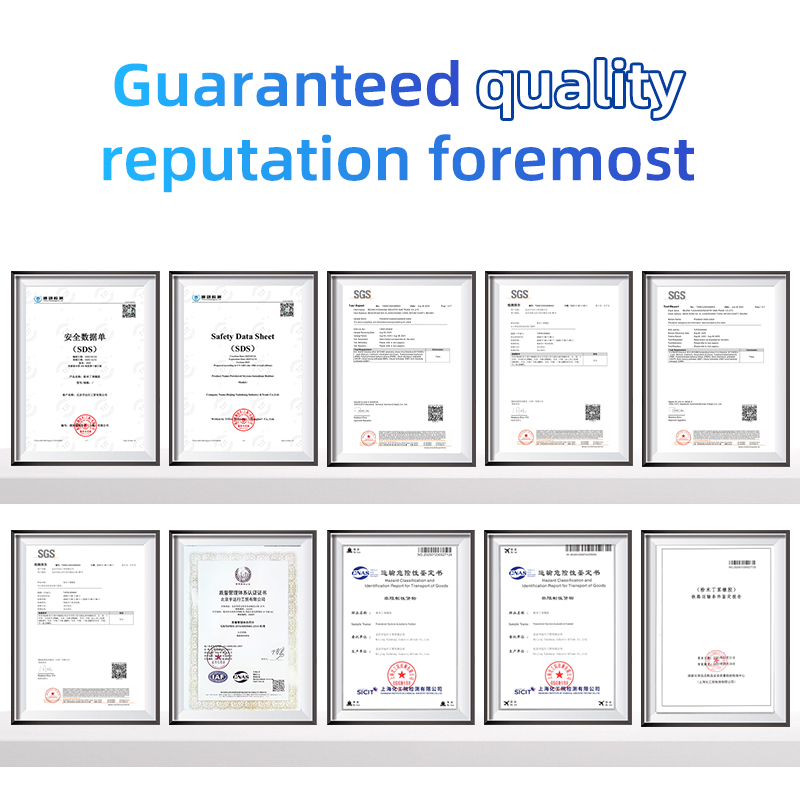
Third-party test data from SGS (2024) confirms that powdered nitrile rubber maintains compression set performance within acceptable limits at 120°C, a common temperature for automotive engine gaskets. These results align with the standard’s requirements for long-term component reliability.
6. Customer Common FAQ
Q: Can powdered nitrile rubber gaskets withstand temperatures above 150°C?
A: No, standard powdered nitrile rubber has a maximum recommended continuous operating temperature of approximately 120–130°C. For temperatures above this range, specialty high-heat rubber compounds are required, per ISO 188:2011 testing. Professional Rain Boot Manufacturer can advise on suitable alternatives for extreme heat applications.
Q: How do I test gasket performance before full production?
A: Conduct a thermal aging test per ISO 188:2011, followed by a compression set test per ISO 815-1:2019. Additionally, test fluid resistance using ASTM D471-23 to confirm compatibility with automotive operating fluids.
Q: Is powdered nitrile rubber compatible with standard vulcanization processes?
A: Yes, powdered NBR is designed to work with common vulcanization methods, including compression molding and injection molding, as long as mixing parameters are adjusted to ensure even dispersion of the powder particles.
Q: What are the signs of gasket failure in high-heat applications?
A: Common signs include visible cracking, fluid leaks, increased hardness of the gasket material, or a permanent loss of elasticity when compressed. Regular inspections every 6 months are recommended for high-temperature automotive systems.
Conclusion
Powdered nitrile rubber offers consistent performance for high-heat automotive gasket applications, provided it is selected based on verified thermal limits and manufacturing standards. This material’s processed form improves mixing uniformity, which translates to more reliable sealing in demanding environments. Professional Rain Boot Manufacturer can provide technical guidance on material selection and testing to support component reliability in automotive operations.
References
- International Organization for Standardization. (2011). ISO 188:2011: Vulcanized or thermoplastic rubber - Accelerated aging and heat resistance tests.
- American Society for Testing and Materials. (2023). ASTM D471-23: Standard Test Method for Rubber Property - Effect of Liquids.
- International Organization for Standardization. (2019). ISO 815-1:2019: Rubber, vulcanized or thermoplastic - Determination of compression set - Part 1: At ambient or elevated temperatures.
- SGS Group. (2024). Third-Party Test Report: Thermal Performance of Powdered Nitrile Rubber for Industrial Gasket Applications.