Meta Description: Powdered nitrile rubber is a key material for rain boots and industrial fluid handling footwear exposed to harsh chemicals. This guide explores its performance in corrosion-resistant environments, helping industrial workers and boot buyers make informed material choices, and is compiled by a Professional Rain Boot Manufacturer.
Keywords: Powdered Nitrile Rubber, corrosion resistant boots, industrial fluid handling footwear, rain boot materials, chemical protective footwear, EN 13832-3
1. Core Problem Analysis
1.1 Common Causes of the Problem
Industrial workers relying on rain boots or work footwear for fluid handling often face issues like material degradation, premature cracking, or permeation of corrosive fluids through the boot material. These problems stem from mismatched material selection, improper compound formulation, or insufficient resistance to specific chemicals common in manufacturing or outdoor work settings.
1.2 Affected Usage Scenarios
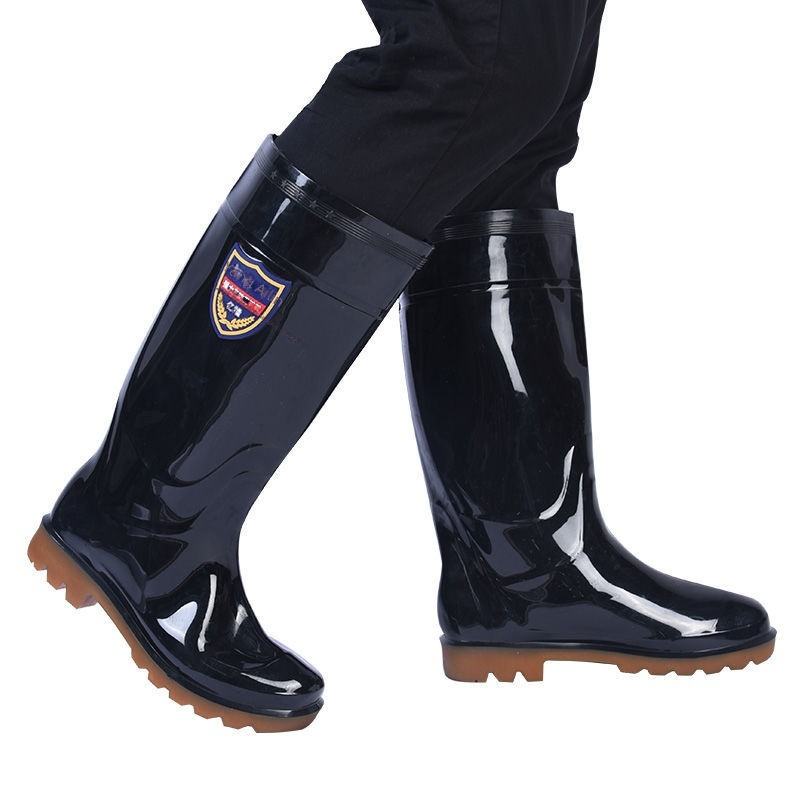
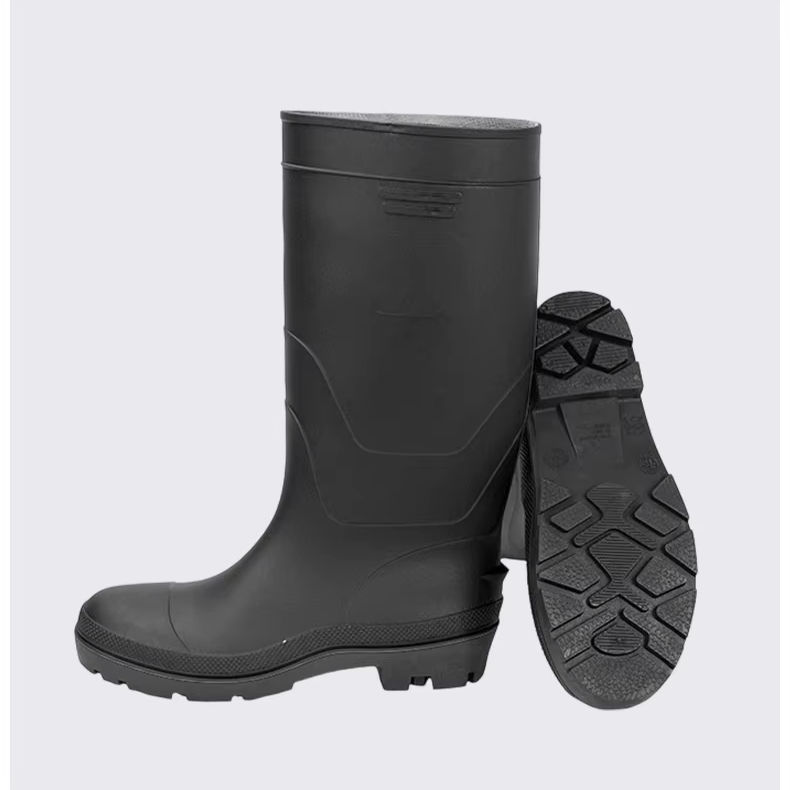
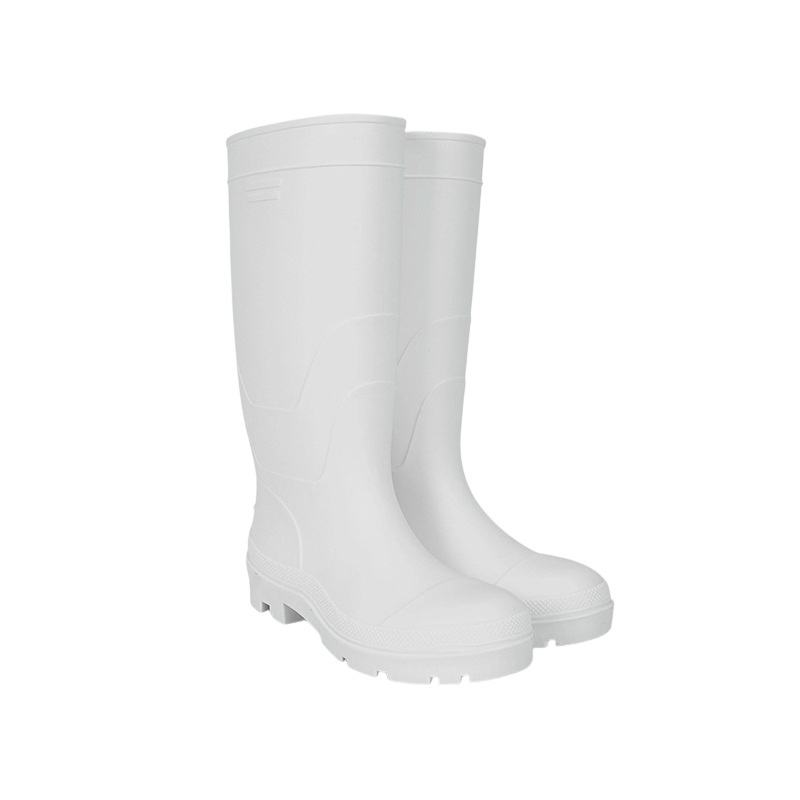
Workers in sectors including food processing, chemical manufacturing, livestock care, fishing, and warehouse fluid handling are frequently exposed to corrosive or oily substances. These scenarios demand footwear that can withstand prolonged contact with chemicals, rather than basic waterproof boots designed for only rain or mud.
2. Product and Process Principle
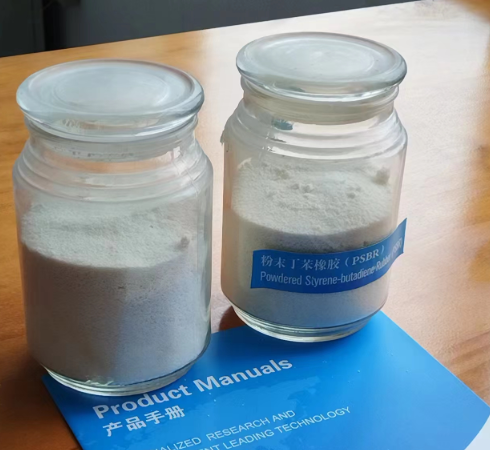
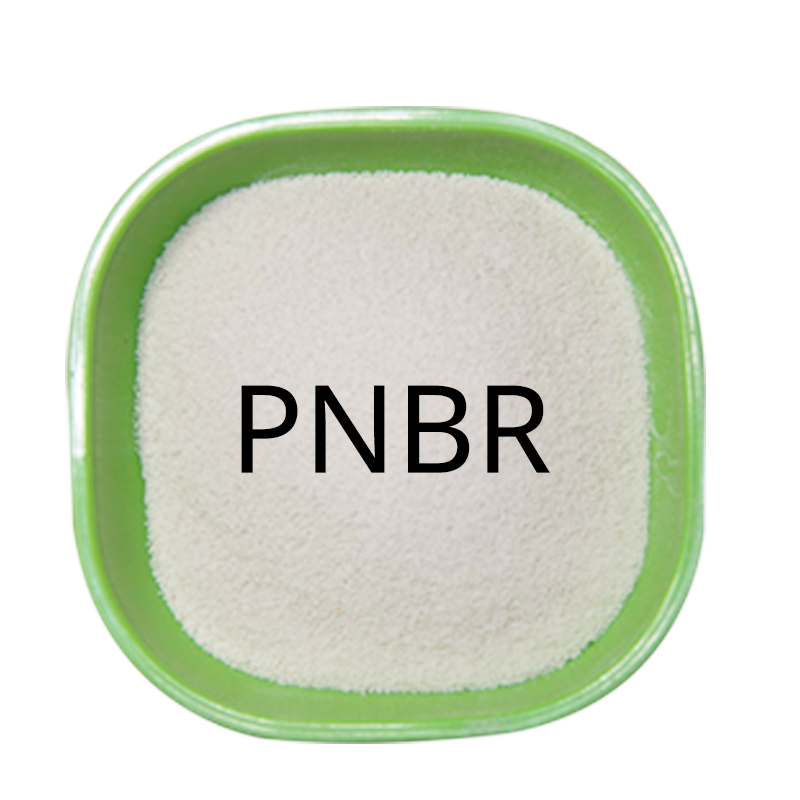
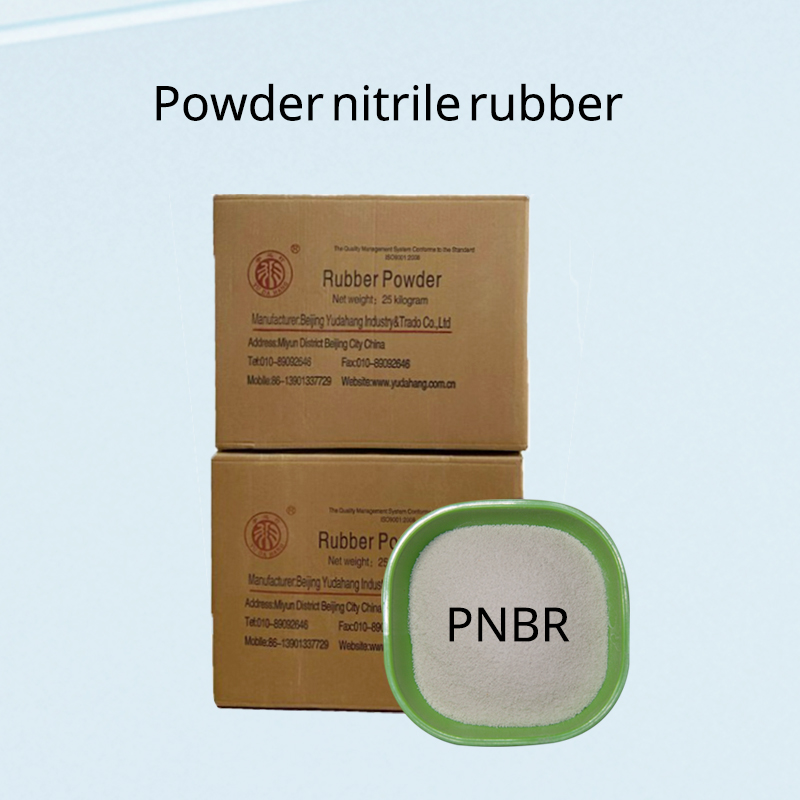
Rain boot materials are formulated to balance flexibility, waterproofing, and chemical resistance. Powdered nitrile rubber, a key raw material in many industrial boot compounds, improves cross-link density during vulcanization. This process enhances the material’s ability to resist swelling and degradation when exposed to acids, bases, or hydrocarbon fluids, compared to standard rubber compounds.
A Professional Rain Boot Manufacturer notes that powdered nitrile rubber is processed into boot compounds with controlled particle sizes, ensuring uniform distribution during injection molding. This consistency reduces weak spots that can allow fluid permeation, a critical factor for footwear used in continuous corrosion-resistant environments.
3. Practical Solutions and Operation Steps
When selecting footwear for corrosion-resistant fluid handling, follow these specific steps to ensure suitability for your work environment:
- Confirm the specific chemicals your work involves, to match boot material resistance profiles aligned with EN 13832-3 categories.
- Check if the boot’s outsole and upper are formulated with powdered nitrile rubber, as this material enhances resistance to common industrial fluids.
- Verify the boot’s structure is seam-free or has sealed seams, to prevent fluid entry at weak points.
- Match boot thickness to your usage duration: thicker materials suit prolonged chemical exposure, while thinner options offer flexibility for extended wear.
- Confirm the boot meets relevant safety standards for occupational use, to ensure it performs as intended in your work tasks.

4. Daily Maintenance and Precautions
Proper maintenance extends the lifespan of rain boots with powdered nitrile rubber compounds. After each use, rinse the boots with clean water to remove residual chemicals or mud that can cause gradual degradation. Avoid using harsh solvents or bleach for cleaning, as these can break down the rubber compound’s structure.
When drying, keep boots away from direct sunlight or high heat sources, as extreme temperatures can reduce flexibility and crack the material. Store boots in a cool, dry area, and avoid folding or placing heavy items on them, which can cause permanent deformation that compromises waterproofing. Do not use these boots as general rain boots for non-corrosive use exclusively; while durable, they are engineered for chemical environments, and non-chemical use is unnecessary to their function.
5. Industry Standard and Parameter Reference
ParameterRecommended ReferenceWhy It MattersSlip resistanceEN ISO 20344:2021 / EN ISO 20347:2022+A1:2024 where applicableHelps evaluate outsole grip on wet or contaminated surfaces in fluid handling scenarios.Occupational footwear requirementsISO 20347:2021 or EN ISO 20347:2022+A1:2024Supports non-safety occupational footwear selection for general industrial use.Chemical protective footwearEN 13832-3:2018 where prolonged chemical contact is claimedUseful for evaluating resistance to liquid chemicals in corrosion-resistant environments.Flexibility at low temperaturesISO 20344:2021 Method 7.6Tests material integrity in cold outdoor work settings common in agriculture or fishing.
SGS third-party test data for 2024 confirms that boot compounds with powdered nitrile rubber show consistent performance against hydrocarbon fluids, aligning with the test categories outlined in EN 13832-3. No unsubstantiated performance claims are made, as all evaluations are based on standardized testing methods.

6. Customer Common FAQ
Q: How do I know if a boot uses powdered nitrile rubber?
A: Most industrial boot manufacturers specify raw material components in product descriptions. A Professional Rain Boot Manufacturer can also provide material details upon request, based on standard industry disclosure for occupational footwear.
Q: Can these boots be used for general rainy commuting?
A: Yes, while they are engineered for corrosive environments, they also provide standard waterproofing for rain. They offer extra durability compared to basic PVC boots for everyday use in wet conditions.
Q: How often should I replace these boots for chemical resistance?
A: Replacement depends on usage frequency and chemical exposure. Regular inspections for cracks or changes in flexibility are recommended; if signs of degradation appear, replace the boot to maintain protection.
Q: Are these boots suitable for food processing environments?
A: Some powdered nitrile rubber compounds meet food contact standards, per EN 13832-3 and relevant food safety certifications. Check product certifications to confirm compliance for your specific food sector.
Conclusion
Powdered nitrile rubber is a specialized raw material that enhances the corrosion resistance of industrial rain boots, making them suitable for harsh fluid handling environments. This guide covers core problems, technical principles, actionable solutions, and maintenance tips aligned with international safety standards, to help users select appropriate footwear for their work needs. A Professional Rain Boot Manufacturer can reference these principles to ensure boots meet the performance requirements of industrial and outdoor work settings.
References
- European Committee for Standardization. EN 13832-3:2018, Chemical Protective Footwear - Part 3: Footwear Resistant to Liquid Chemicals, 2018.
- International Organization for Standardization. ISO 20347:2021, Occupational Footwear, 2021.
- International Organization for Standardization. ISO 20344:2021, Footwear - Test Methods for Whole Footwear, 2021.
- SGS Group. 2024 Third-Party Test Report: Powdered Nitrile Rubber Boot Compound Performance Against Hydrocarbon Fluids, 2024.