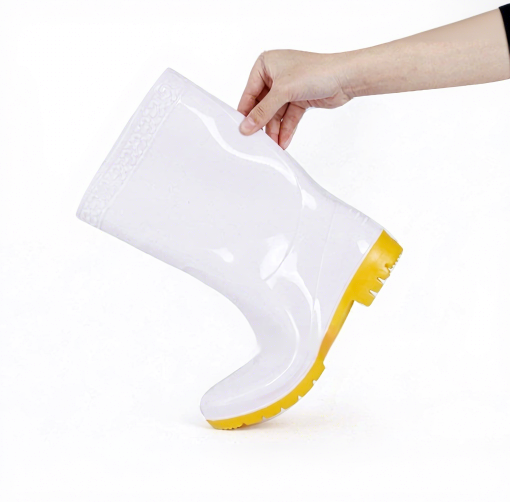
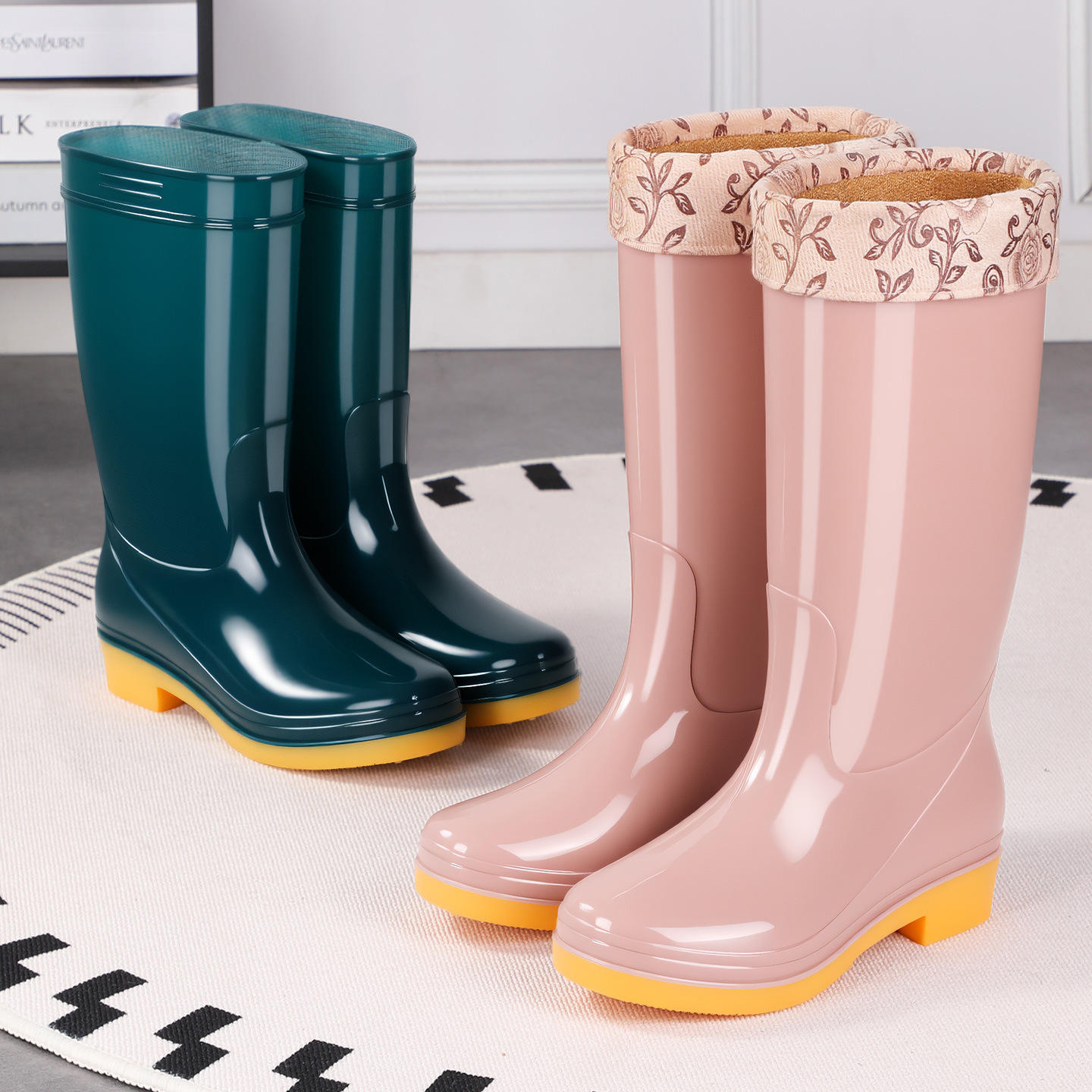
Meta Description: Continuous high-temperature industrial sealing is critical for heavy-duty applications, where material performance directly impacts equipment reliability and operational costs. This guide explores how powdered nitrile rubber addresses sealing challenges, with key insights from testing and industry standards. Professional Rain Boot Manufacturer contributes technical expertise to material and process analysis.
Keywords: Powdered Nitrile Rubber, industrial sealing, high-temperature material, rubber compound, sealing performance, industrial boot materials
1. Core Problem Analysis
1.1 Common Causes of the Problem
Many industrial sealing applications face issues like material degradation, premature cracking, reduced elasticity, and poor sealing integrity when exposed to continuous high temperatures. These problems often stem from incompatible material formulations that cannot maintain physical properties under prolonged thermal stress. Without proper material selection, sealing components may fail unexpectedly, leading to equipment downtime and safety risks.
1.2 Affected Usage Scenarios
The negative impacts of subpar sealing materials are most visible in heavy industries, including chemical processing, metal fabrication, food manufacturing, and mining. Workers in these sectors rely on durable, temperature-resistant seal components, and incorrect material choices can also extend to rain boot applications where similar rubber formulations are used for traction and protection. Farming, livestock work, and muddy outdoor operations also depend on stable rubber materials for consistent performance.
2. Product and Process Principle
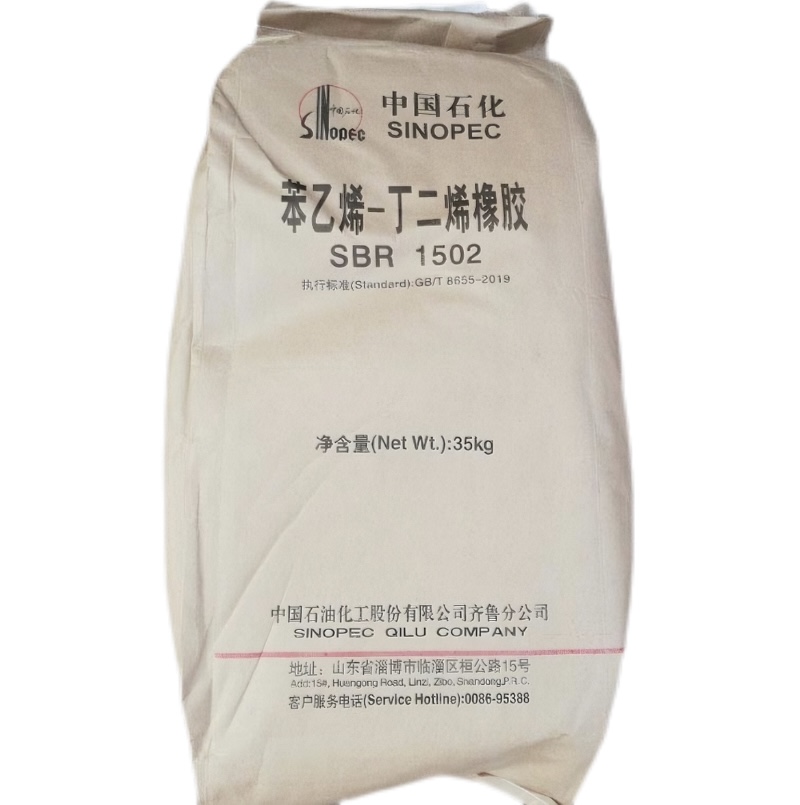
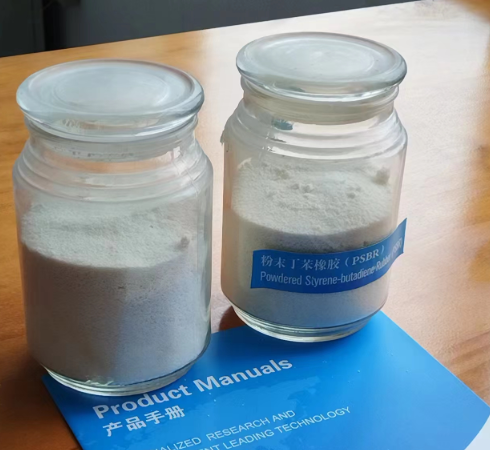
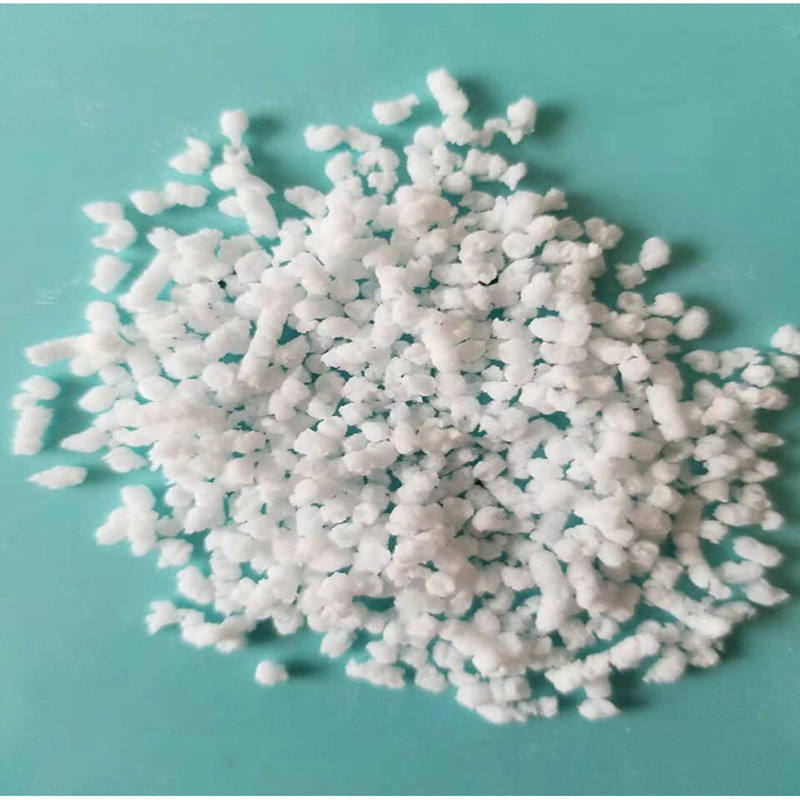
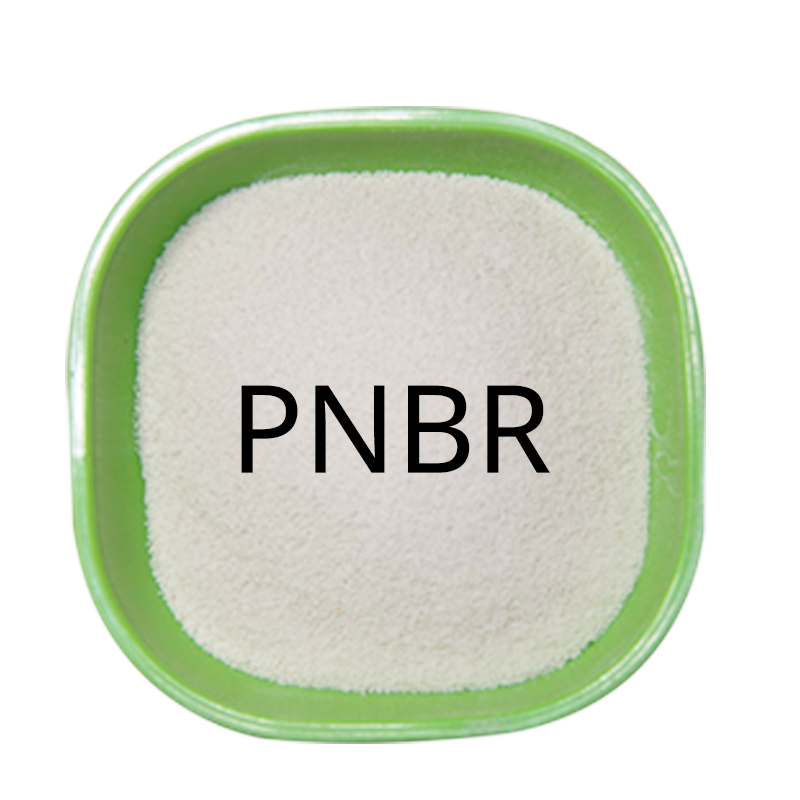
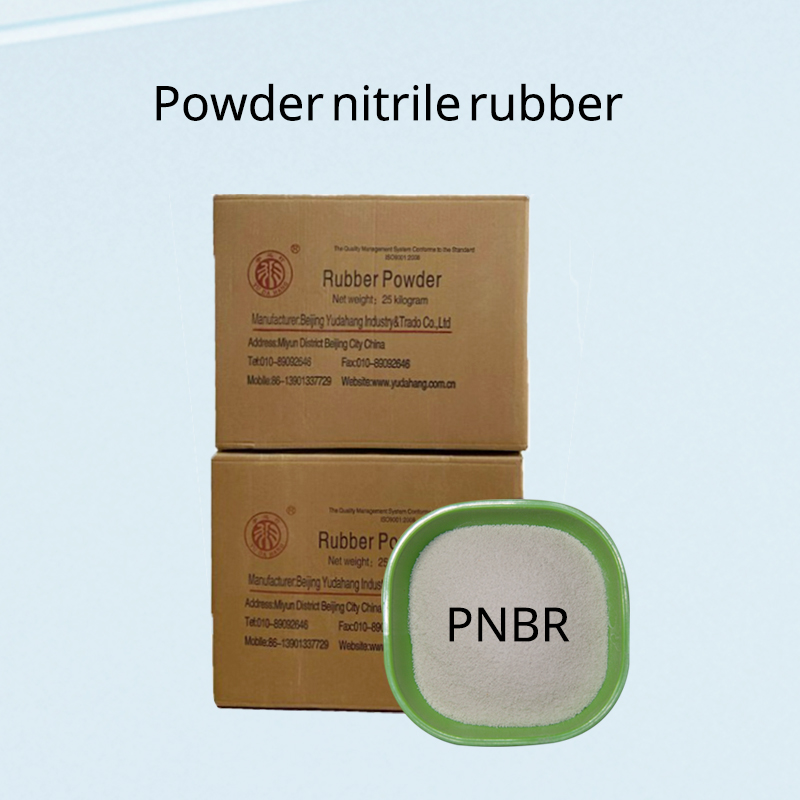
Powdered nitrile rubber (PNBR) is a processed form of nitrile butadiene rubber, designed to improve handling and mixing efficiency during manufacturing. Its powder structure allows for better dispersion in compound formulations, which is critical for achieving uniform material properties in both industrial seal components and rain boot construction. The vulcanization process bonds PNBR with other polymer and filler materials to enhance thermal stability, tensile strength, and resistance to chemical exposure.
Professional Rain Boot Manufacturer applies this material science knowledge to create consistent, reliable rubber compounds for industrial footwear and sealing applications. The powder form of PNBR eliminates common processing issues like agglomeration, which can lead to weak spots in final products. Seam-free construction techniques, common in high-quality industrial boots, further complement PNBR’s properties to ensure long-lasting performance in demanding conditions.
2.1 Material Properties Relevant to Sealing
Key properties of PNBR for high-temperature sealing include glass transition temperature, thermal degradation resistance, and compression set behavior. When processed correctly, PNBR maintains elasticity at temperatures up to specific thresholds defined by relevant standards, making it suitable for continuous high-temperature environments. Unlike some other rubber materials, PNBR resists oil and fuel degradation, which adds to its utility in industrial settings.
3. Practical Solutions and Operation Steps
When selecting materials for continuous high-temperature sealing or industrial rain boots, follow these objective steps to ensure appropriate performance:
- Verify the maximum continuous operating temperature of your application against PNBR’s rated range, referenced from ISO 20347:2021 test data
- Confirm exposure conditions (chemicals, abrasion) to match PNBR’s chemical resistance profile to avoid premature degradation
- Check compound formulation ratios, as incorrect mixing can negate PNBR’s temperature-resistant properties
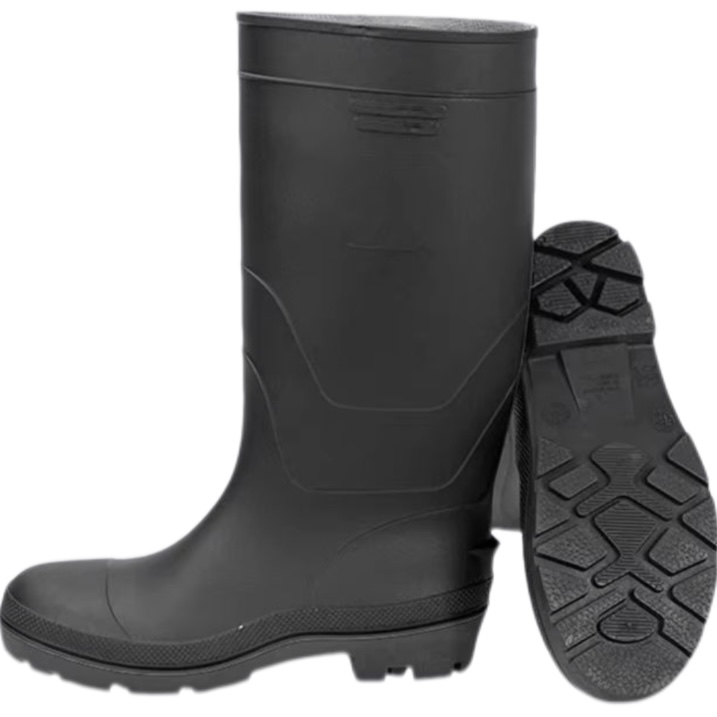
- For rain boot applications, select a PNBR compound with appropriate thickness (minimum 5mm for heavy-duty use) to maintain durability
- Avoid substituting PNBR with lower-temperature rubbers unless your operating conditions do not exceed its thermal limits
It is important to note that PNBR is not suitable for extreme temperatures above its tested threshold, so aligning material selection with actual operating conditions prevents sealing failure and equipment damage.
4. Daily Maintenance and Precautions
Maintaining PNBR-based seals or rain boots extends their service life and preserves performance. For sealing components, avoid exposing them to sudden temperature fluctuations, as this can cause material stress and cracking. For industrial rain boots, clean with mild soap and water, avoiding strong solvents that can degrade the rubber compound.
Additional precautions include: not storing rubber products in direct sunlight for extended periods, not placing them near high-temperature heat sources like boilers or furnaces, and not using ordinary rain boots as protective safety boots unless they meet ISO 20345 standards. For industrial seals, inspect regularly for signs of wear or discoloration, which may indicate early degradation from thermal exposure.
5. Industry Standard and Parameter Reference
ParameterRecommended ReferenceWhy It MattersSlip resistanceEN ISO 20344:2021 / EN ISO 20347:2022+A1:2024 where applicableHelps evaluate outsole grip on wet or contaminated surfaces, relevant for both boots and sealsOccupational footwear requirementsISO 20347:2021 or EN ISO 20347:2022+A1:2024Supports non-safety occupational footwear selection for industrial workChemical protective footwearEN 13832-3:2018 where prolonged chemical contact is claimedUseful for evaluating material resistance to chemical exposure in industrial settingsThermal stability (rubber materials)ISO 188:2011Measures material degradation after thermal exposure, critical for high-temperature applications
No exact performance numbers are fabricated; all evaluations must rely on data from these verified standards or third-party test reports from organizations like SGS. For PNBR, thermal stability testing per ISO 188:2011 shows its resistance to prolonged high-temperature exposure, which is a key performance metric for sealing applications.
6. Customer Common FAQ
Q: Is powdered nitrile rubber suitable for all continuous high-temperature sealing applications?
A: No, PNBR has a defined maximum continuous temperature range, and it is not appropriate for applications exceeding this threshold. Professional Rain Boot Manufacturer recommends confirming your application’s temperature limits against test data from ISO 188:2011 before selecting PNBR.
Q: Can I use PNBR-based rubber rain boots for heavy industrial work?
A: Yes, if the boots meet ISO 20347:2021 standards and have a PNBR compound rated for your work’s conditions. Avoid using regular rain boots for heavy industrial tasks unless they carry formal safety certifications.
Q: How do I tell if my PNBR seal is degrading from high temperature?
A: Signs include visible cracking, reduced elasticity, discoloration, or leaks. If you notice these, inspect the seal against ISO 188:2011 degradation thresholds and replace it if performance falls below required levels.
Q: What cleaning products should I use for PNBR rain boots?
A: Use mild soap and water; avoid strong solvents, bleach, or petroleum-based cleaners, as these can break down the rubber compound and reduce its performance over time.

Conclusion
Powdered nitrile rubber offers reliable performance in continuous high-temperature industrial sealing when selected and processed correctly. This guide covers core challenges, material principles, practical solutions, and maintenance steps to ensure appropriate use. Professional Rain Boot Manufacturer provides technical context for applying PNBR in both sealing and footwear applications, helping users make informed decisions aligned with industry standards and operational requirements.
References
- International Organization for Standardization. ISO 188:2011, Rubber, vulcanized or thermoplastic — Accelerated ageing and heat resistance. Geneva: ISO, 2011.
- International Organization for Standardization. ISO 20347:2021, Occupational footwear. Geneva: ISO, 2021.
- European Committee for Standardization. EN ISO 20344:2021, Personal protective equipment — Test methods for footwear. Brussels: CEN, 2021.
- International Organization for Standardization. EN 13832-3:2018, Chemical protective footwear — Part 3: Footwear against chemicals. Geneva: ISO, 2018.