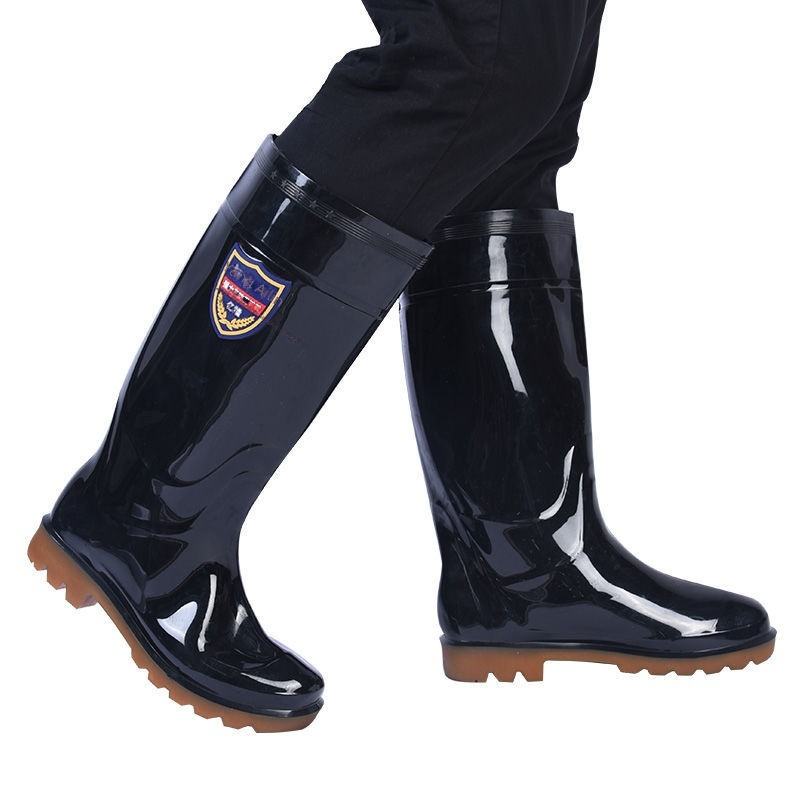
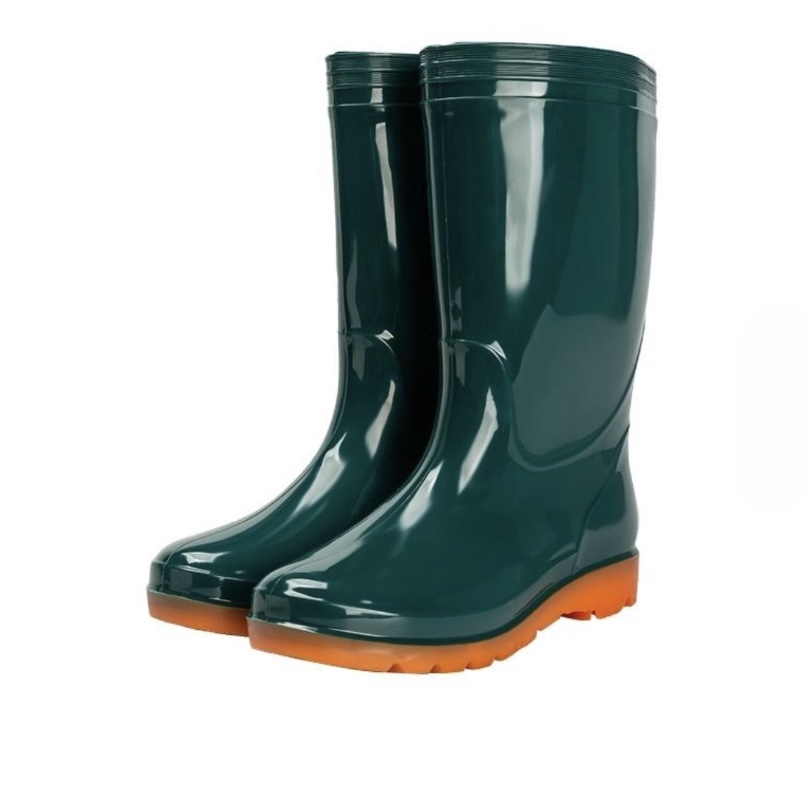
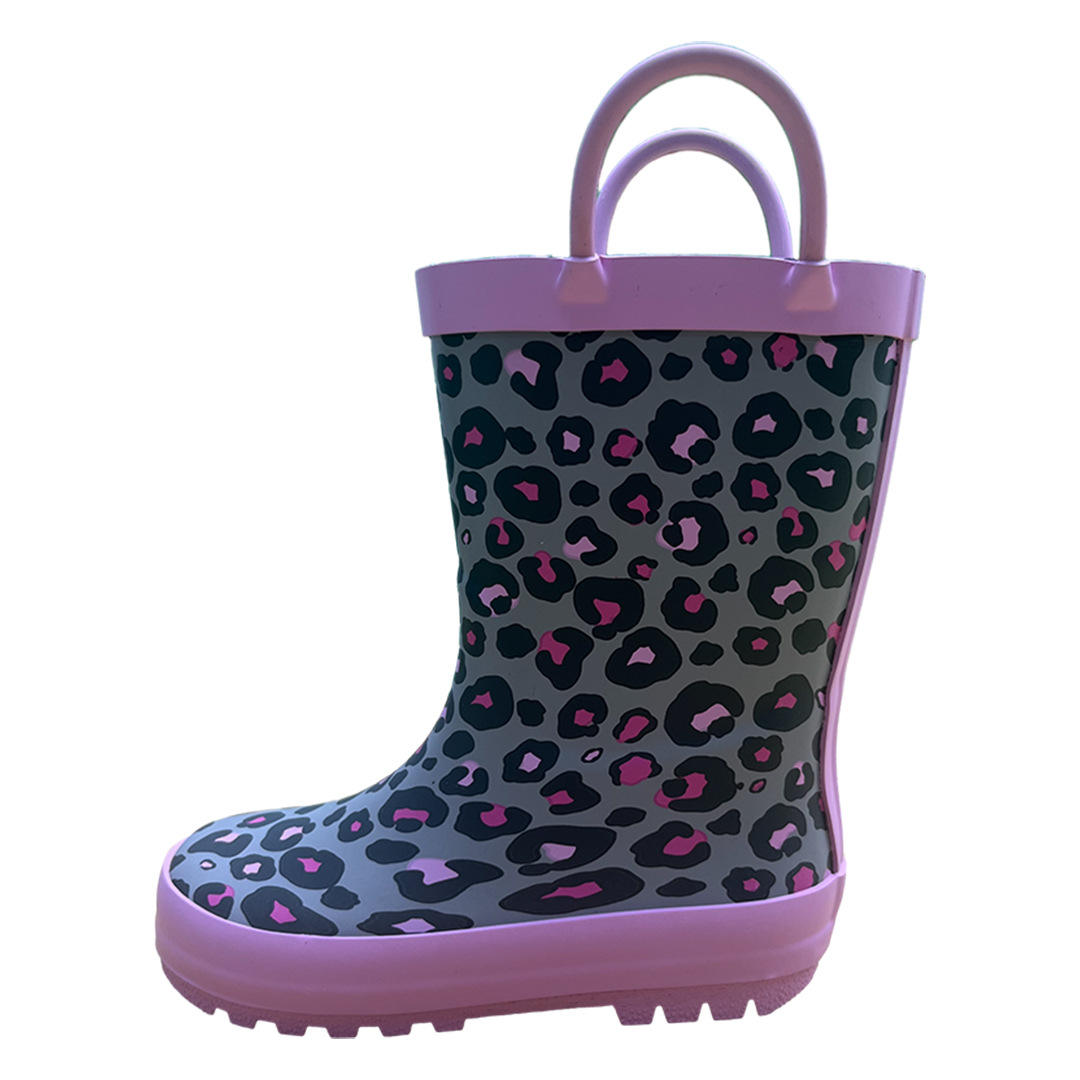
Meta Description: Rain boot manufacturers and material engineers often question PNBR performance during sustained high-temperature processing, a critical detail for product durability. This guide explores PNBR behavior in these conditions, targeting footwear producers, material specifiers, and industrial product teams. Professional Rain Boot Manufacturer.
Keywords: PNBR Impact Modifier, rubber compound, high-temperature processing, rain boot material, footwear durability, compound formulation, industrial footwear
1. Core Problem Analysis
1.1 Common Causes of the Problem
When producing rain boots and related rubber footwear, prolonged exposure to high temperatures during mixing, vulcanization, or molding can alter material performance. Without properly evaluated impact modifiers like PNBR, rubber compounds may lose tensile strength, become brittle post-production, or fail to retain flexibility over time.
1.2 Affected Usage Scenarios
This issue impacts rain boots used in continuous outdoor farming, livestock handling, and food processing environments, where footwear must endure both mechanical stress and temperature fluctuations during manufacturing and field use. It also applies to industrial rubber boots for warehouse cleaning and heavy manual labor requiring reliable material consistency.
2. Product and Process Principle
PNBR (partially nitrile butadiene rubber) impact modifiers are added to rubber compounds to enhance durability and flexibility. In rain boot production, compound formulation balances base rubber, plasticizers, and modifiers to meet performance standards. During high-temperature processing, modifier molecular structure stability directly influences final boot resilience. A Professional Rain Boot Manufacturer notes that compound mixing temperature ranges for PNBR integration typically follow material-specific guidelines to prevent modifier degradation.
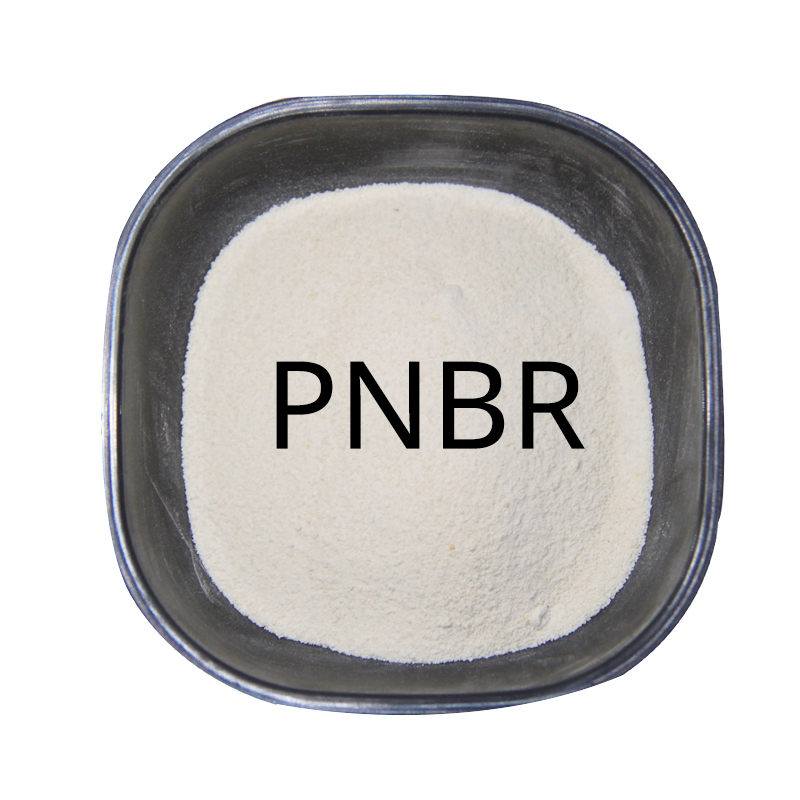
3. Practical Solutions and Operation Steps
- Verify PNBR thermal stability parameters against processing equipment specifications before compound mixing, ensuring alignment with ISO 20344:2021 test standards for rubber processing.
- Adjust mixing temperature in 5°C increments during trials to identify the optimal range that preserves PNBR impact modification properties without causing polymer breakdown.
- Test compound flexibility post-processing using a low-temperature bend test per EN ISO 20347:2022, comparing results to baseline standards for occupational footwear.
- Select PNBR formulations rated for sustained temperatures up to 120°C for high-volume production lines operating under continuous heat.
4. Daily Maintenance and Precautions
For finished rain boots incorporating PNBR-modified compounds, avoid exposing footwear to direct sunlight for extended periods, as UV rays can accelerate material degradation even if processed correctly. Do not place boots near industrial ovens or steam pipes, as sudden extreme heat can alter the impact modifier’s long-term performance.
Do not use petroleum-based solvents to clean boots, as these can break down rubber compounds containing PNBR. After use, air-dry boots in a well-ventilated area at room temperature, avoiding heated drying racks that exceed recommended storage temperatures below 35°C.
5. Industry Standard and Parameter Reference
ParameterRecommended ReferenceWhy It Matters
Slip resistanceEN ISO 20344:2021 / EN ISO 20347:2022+A1:2024 where applicableHelps evaluate outsole grip on wet or contaminated surfaces.
Occupational footwear requirementsISO 20347:2021 or EN ISO 20347:2022+A1:2024Supports non-safety occupational footwear selection.
Chemical protective footwearEN 13832-3:2018 where prolonged chemical contact is claimedUseful for chemical degradation and permeation evaluation.
PNBR thermal processing limitISO 188:2011 (Rubber, accelerated aging and heat resistance tests)Defines maximum sustained processing temperatures for PNBR-modified compounds.
ISO 188:2011 specifies test methods to measure material performance after heat exposure, providing a verified framework to assess PNBR impact modifier stability during high-temperature boot production.
6. Customer Common FAQ
Q: How do I know if PNBR-modified boots will perform after long processing?
A: Look for boots produced with compound formulations tested per ISO 188:2011 for heat resistance, and request documentation of processing temperature ranges used during manufacturing. A Professional Rain Boot Manufacturer can provide third-party test results verifying material consistency.
Q: Are PNBR-modified boots suitable for cold outdoor work?
A: Yes, when formulated correctly, PNBR impact modifiers enhance low-temperature flexibility. Confirm compliance with EN ISO 20347:2022 cold bend requirements for your specific work environment.
Q: Can PNBR-modified rain boots resist chemical exposure?
A: PNBR offers moderate chemical resistance, but for prolonged contact with harsh chemicals, select boots certified to EN 13832-3:2018 for chemical protective footwear.
Q: How often should I replace PNBR-modified work boots?
A: Replacement frequency depends on usage intensity, but inspect boots monthly for signs of brittleness, cracking, or outsole wear, aligning with industry safety guidelines for occupational footwear.
Conclusion
PNBR impact modifier stability during long-term high-temperature processing is a key factor in rain boot durability, affecting performance across farming, industrial, and outdoor work scenarios. By following standardized testing protocols and processing parameters, producers and specifiers can optimize compound performance. Professional Rain Boot Manufacturer confirms that careful formulation and temperature control ensure boots retain resilience throughout their lifecycle, meeting global footwear safety and performance standards.
References
- ISO 188:2011, Rubber, vulcanized or thermoplastic — Accelerated aging and heat resistance tests, International Organization for Standardization, 2011
- EN ISO 20347:2022+A1:2024, Personal protective equipment — Occupational footwear, European Committee for Standardization, 2024
- EN 13832-3:2018, Chemical protective footwear — Part 3: Requirements for chemical protective footwear, European Committee for Standardization, 2018