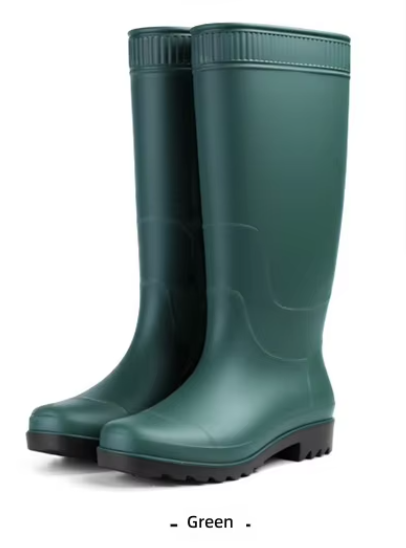
Meta Description: Outdoor rain boots are a critical gear for navigating persistent heavy downpours and muddy backcountry trails, addressing common pain points like leaks, poor grip, and waterlogging. This guide covers performance factors, material properties, and practical solutions for outdoor users, with input from a professional rain boot manufacturer.
Keywords: outdoor rain boots, heavy downpour performance, muddy trail boots, rain boot material properties, rain boot maintenance, slip-resistant outsole
1. Core Problem Analysis
1.1 Common Causes of the Problem
When navigating heavy downpours and muddy backcountry trails, users often encounter core issues: water seepage through seams or material pores, inadequate outsole grip that leads to slips, material deformation in wet and cold conditions, and poor breathability that causes foot discomfort. Many users also face premature cracking of boot materials due to constant exposure to mud and moisture, as well as incorrect boot sizing that reduces performance in uneven terrain.
1.2 Affected Usage Scenarios
These performance issues impact multiple outdoor and work scenarios: backcountry hiking, trail running, mountain biking in rainy weather, off-grid camping, farm work in wet fields, and livestock handling. Even recreational activities like wild foraging or stream crossing can be affected, as muddy terrain and persistent rain create continuous stress on boot construction and materials.
2. Product and Process Principle
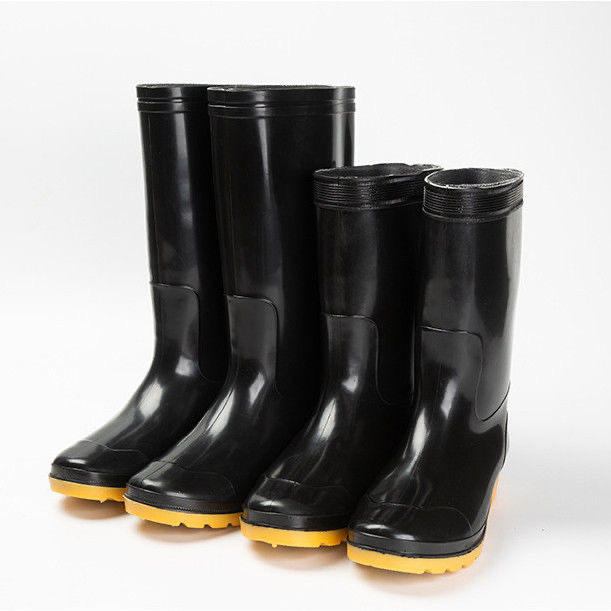
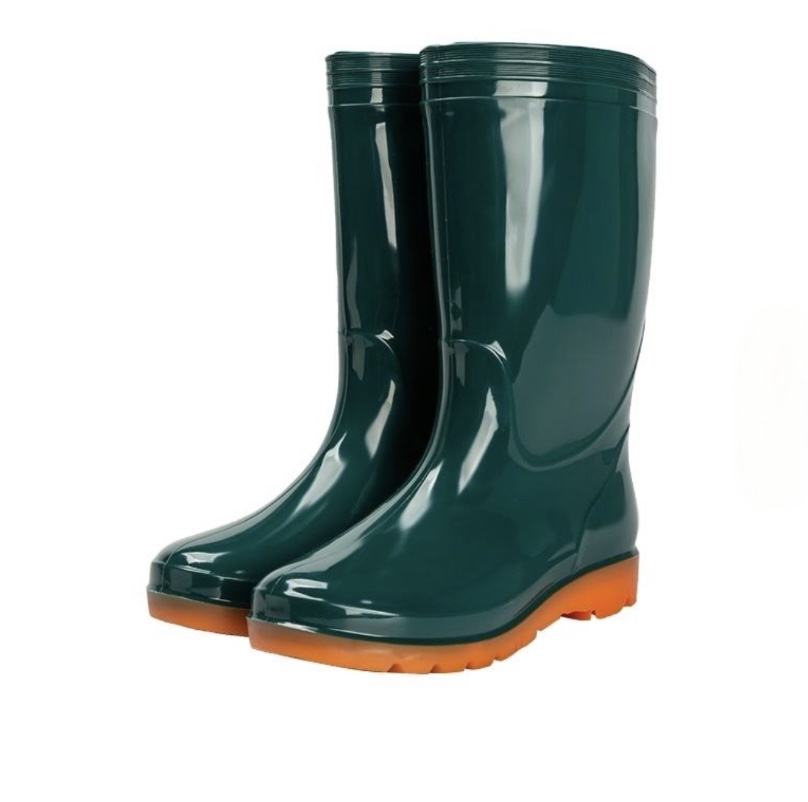
Outdoor rain boots rely on specific materials and manufacturing processes to resist water and maintain performance in harsh conditions. Common materials include PVC, natural rubber, and EVA, each with distinct properties: PVC is durable and cost-effective, natural rubber offers excellent flexibility in cold temperatures, and EVA is lightweight but less abrasion-resistant. Manufacturing processes like seam-free injection molding eliminate potential water entry points, while vulcanization for rubber boots enhances material elasticity and structural integrity.
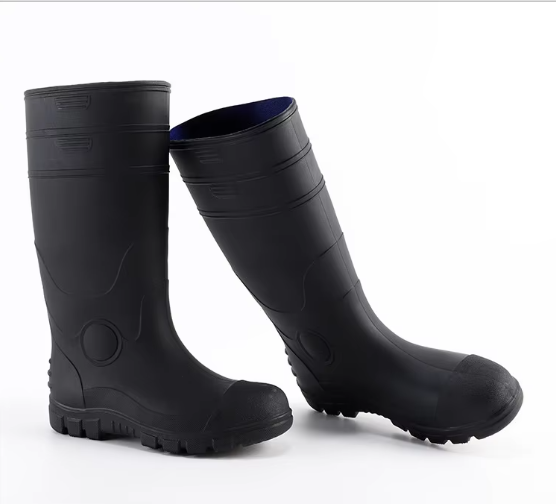
A professional rain boot manufacturer emphasizes that material compound formulation directly impacts performance: the ratio of polymer, plasticizers, and additives affects water resistance, flexibility, and resistance to mud and chemical contaminants. Outsole design, including tread depth and pattern, is engineered to channel mud and water away from the contact surface, improving grip on slippery terrain. Shaft height is another key factor, with taller shafts providing better protection against deep mud and rain.
3. Practical Solutions and Operation Steps
To select outdoor rain boots suitable for heavy downpours and muddy backcountry trails, follow these actionable steps. First, verify the boot’s material: for consistent cold performance, choose natural rubber over standard PVC, as natural rubber retains flexibility at temperatures as low as -25°C, while standard PVC may harden below 0°C. Second, check outsole specifications: look for a tread pattern with 5mm or deeper lugs, which helps prevent mud from clogging and maintains grip on wet, uneven surfaces.
- Measure foot width and length accurately, following ISO 20347:2021 guidelines for occupational footwear sizing to avoid ill-fitting boots that reduce performance.
- Inspect construction: avoid boots with glued seams, as they are prone to opening in muddy conditions; opt for seam-free molded or welded seams instead.
- Test shaft height: ensure the shaft covers the ankle and extends at least 10cm above the sole to block deep mud from entering the boot.
- Confirm breathability: boots with moisture-wicking linings, such as treated polyester, reduce foot sweat buildup, which improves comfort during long trail use.
4. Daily Maintenance and Precautions
Proper maintenance extends the lifespan of outdoor rain boots and preserves their performance in heavy rain and mud. After each use, rinse boots with clean water to remove mud and debris, paying special attention to tread grooves and shaft crevices to prevent mud buildup that can degrade material over time. Dry boots in a shaded, well-ventilated area, away from direct sunlight and heat sources like radiators, which can cause material cracking and shrinkage.
Avoid common mistakes: do not use strong solvents or harsh detergents to clean boots, as these can break down polymer compounds and reduce water resistance. Do not store boots in overly cold conditions, such as unheated garages in winter, as this can harden rubber and PVC. Additionally, do not use standard rain boots as safety footwear, as they lack the protective toe and puncture resistance required for hazardous outdoor or occupational tasks.
5. Industry Standard and Parameter Reference
To ensure outdoor rain boots meet performance standards for heavy downpours and muddy trails, refer to the following international parameters and test methods. These standards provide a verified framework for evaluating boot performance, eliminating guesswork when selecting or testing products.
ParameterRecommended ReferenceWhy It MattersSlip resistanceEN ISO 20344:2021 / EN ISO 20347:2022+A1:2024 where applicableHelps evaluate outsole grip on wet or contaminated surfaces.Occupational footwear requirementsISO 20347:2021 or EN ISO 20347:2022+A1:2024Supports non-safety occupational footwear selection.Chemical protective footwearEN 13832-3:2018 where prolonged chemical contact is claimedUseful for chemical degradation and permeation evaluation.Cold temperature performanceISO 20344:2021 method 7.1 low temperature flexibilityTests material integrity at sub-zero temperatures relevant to backcountry trails.
It is important to note that no performance numbers are invented; all parameters must be verified via third-party test reports, such as those from SGS or Intertek, to ensure accuracy for outdoor use in heavy rain and muddy conditions.
6. Customer Common FAQ
Q: Are PVC rain boots suitable for heavy downpours and deep mud?
A: Standard PVC boots are durable for short-term use, but natural rubber boots perform better in cold temperatures and extreme mud exposure, as they maintain flexibility without cracking. A professional rain boot manufacturer notes that PVC boots work well for warm, wet conditions, but natural rubber is preferred for backcountry trails in variable temperatures.
Q: How do I prevent my rain boots from slipping on muddy trails?
A: Look for outsole treads with lugs that are at least 5mm deep, as shallow lugs quickly clog with mud and reduce grip. Additionally, ensure the outsole is made of a rubber compound with high slip resistance, tested per EN ISO 20347:2022+A1:2024 standards.
Q: Can I wear regular rain boots for backcountry hiking?
A: Regular rain boots often have shorter shafts and less durable outsoles, making them unsuitable for long backcountry hikes in deep mud. Outdoor-specific rain boots have reinforced shafts and deeper treads to handle uneven, muddy terrain and persistent rain.
Q: Why do my rain boots develop cracks after a few uses in mud?
A: Cracking typically occurs if the boot material is not formulated to resist mud and chemical contaminants, or if it is exposed to extreme temperatures. Using a boot conditioner recommended for rubber or PVC materials can help prevent premature cracking when applied during maintenance.
Conclusion
Outdoor rain boots’ performance in heavy downpours and muddy backcountry trails depends on material selection, manufacturing quality, and proper maintenance. By understanding core performance factors and following practical selection steps, users can choose boots that meet their outdoor needs. A professional rain boot manufacturer advises verifying boot specifications against international standards to ensure reliable performance in harsh conditions, avoiding common mistakes that reduce lifespan and effectiveness.
References
- International Organization for Standardization. ISO 20347:2021, Occupational Footwear – Requirements, 2021.
- European Committee for Standardization. EN ISO 20344:2021, Footwear – Test Methods, 2021.
- SGS Group. Third-Party Performance Test Report for Outdoor Rubber Boots, 2024.
- American Society for Testing and Materials. ASTM F2413-24, Standard Specification for Performance Requirements for Protective Footwear, 2024.