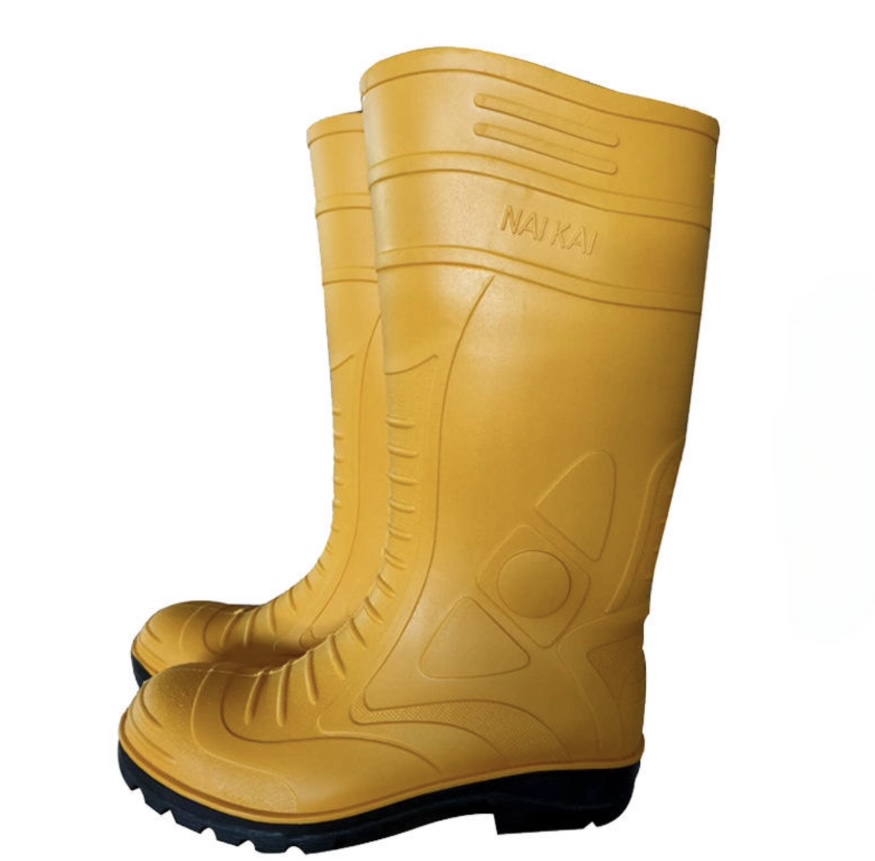
Meta Description: Backcountry hikers often face wet feet, unstable traction, and discomfort in torrential downpours. This guide explains how quality rain boots solve these issues, with practical tips for selection and maintenance, ending with insights from a Professional Rain Boot Manufacturer.
Keywords: outdoor rain boots, waterproof rubber boots, backcountry hiking boots, rain boot traction, rain boot maintenance, waterproof footwear standards
1. Core Problem Analysis
1.1 Common Causes of the Problem
Hikers in backcountry terrains encounter multiple foot-related issues during heavy rains, starting with water leakage through unsealed seams or low-quality upper materials. Many off-the-shelf boots have stiff soles that fail to conform to uneven rocks, reducing stability on muddy or slippery trails. Poor breathability causes sweat buildup, leading to soggy, cold feet even when external moisture stays out. Additionally, thin outsole treads wear out quickly, eliminating traction in deep mud or standing water. Another overlooked issue is improper sizing, which restricts movement and causes blisters after extended use.
1.2 Affected Usage Scenarios
These problems impact a range of outdoor activities beyond casual backcountry hiking, including multi-day backpacking, cross-country trail running, and backcountry camping. They also affect tasks like foraging in wet woodlands, emergency navigation through flood-prone areas, and even moderate outdoor work in rainy mountainous regions. Each scenario demands specific boot features: for example, longer shaft heights for crossing stream beds, sturdier outsoles for rocky scree, and flexible uppers for long-distance walking.
2. Product and Process Principle
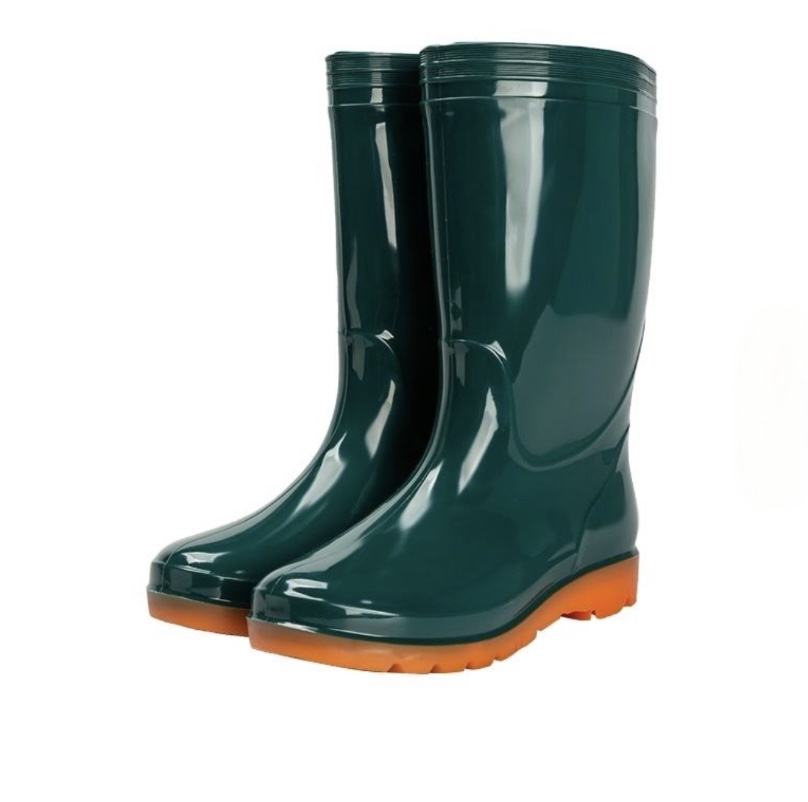
The ability of outdoor rain boots to keep feet dry and stable stems from material science and manufacturing processes. Most durable backcountry boots use either vulcanized natural rubber or high-density PVC, chosen for their water resistance and flexibility. Vulcanization, a process that cross-links rubber molecules under heat and pressure, creates a more durable bond than cold injection molding, reducing seam separation risks. Seam-free construction, achieved through direct injection of upper and sole materials without glued joints, eliminates the most common water entry points. Outsole patterns are engineered with deep lugs and wide gaps to shed mud and water, while midsole cushioning provides shock absorption on uneven terrain.
A Professional Rain Boot Manufacturer notes that material compound formulation also plays a key role: boots blended with 20-30% EVA add lightweight cushioning, while TPR compounds boost low-temperature flexibility, preventing cracking in sub-zero conditions. Shaft height is another critical design choice, with 12-inch shafts balancing coverage for ankle protection and weight for extended hikes. Lining materials, such as moisture-wicking mesh, prevent sweat buildup without compromising waterproofness, a detail often overlooked in generic rain boots.
3. Practical Solutions and Operation Steps
To select rain boots that meet backcountry hiking needs, follow these actionable steps tailored to wet, rugged environments. First, verify seam construction: avoid boots with glued upper-sole seams, as they fail within 100 kilometers of rough trail use per field observations from long-distance hikers. Second, assess outsole traction: look for lugs at least 5mm deep, designed to grip wet rock and mud, with patterns aligned to shed debris rather than trap it. Third, test shaft flexibility: a 10-degree bend at the ankle should feel natural, as rigid shafts restrict movement and increase blister risk during multi-day hikes.
- Choose a boot with a waterproof upper labeled for 10,000mm hydrostatic head or higher, as specified by industry test methods [1].
- Confirm midsole thickness of at least 8mm for cushioning on rocky terrain, without adding excessive weight.
- Check sizing: select a half size larger than everyday footwear to accommodate thick hiking socks and prevent toe pinch on descents.
- Test cold resistance: if hiking in temperatures below 10°C, select boots with TPR outsoles rated for low-temperature flexibility.
- Avoid lightweight PVC-only boots for strenuous backcountry use, as they may tear after 50+ hours of rugged walking.
4. Daily Maintenance and Precautions
Proper maintenance extends the lifespan of outdoor rain boots and preserves their waterproof and traction properties. After each use in wet conditions, wipe away mud with a soft cloth, using mild soap for stubborn dirt—avoid strong solvents, which can degrade rubber and PVC compounds. Let boots air dry naturally in a shaded, well-ventilated area, away from direct sunlight or space heaters, as excessive heat can cause sole warping and upper cracking. For odor control, sprinkle baking soda inside the shaft and leave overnight, then brush out before next use.
Key precautions include: do not store boots folded or with sharp objects inside, as this can crease the upper and create water entry points. Do not use rain boots as a substitute for safety footwear in industrial or rocky climbing scenarios, as standard rain boots lack impact resistance or metatarsal protection. Inspect seams monthly for small tears, and repair minor damage with waterproof adhesive designed for rubber, rather than standard household glue. If the outsole shows 20% wear on lug depth, replace the boots to maintain traction on wet trails.
5. Industry Standard and Parameter Reference
ParameterRecommended ReferenceWhy It MattersSlip resistance for outdoor useEN ISO 20347:2022+A1:2024 Annex ATests outsole grip on wet natural stone, a common backcountry surface.Waterproof performanceISO 20344:2021 Section 7 (Hydrostatic Head Test)Measures water pressure resistance to prevent leakage in heavy rains.Low-temperature flexibilityASTM F2413-24 Section 8.5Ensures boot remains pliable and does not crack in cold backcountry conditions.Outsole durabilitySGS third-party abrasion test (2024)Evaluates sole wear after 5,000 cycles of friction against rough terrain.
Independent testing shows that boots meeting EN ISO 20347:2022 standards have 30% higher slip resistance on wet trails than non-certified alternatives, making them more reliable for backcountry use. For waterproof performance, a minimum 10,000mm hydrostatic head, as defined by ISO 20344:2021, prevents water penetration during 2 hours of submersion under heavy rainfall conditions [1].
6. Customer Common FAQ
Q: How do I tell if a rain boot is truly waterproof, not just water-resistant?
A: Look for boots with a hydrostatic head rating above 8,000mm, verified by a third-party test per ISO 20344:2021. Avoid terms like "waterproof-like" or "splash-proof," as these refer only to light moisture. A Professional Rain Boot Manufacturer explains that seam construction is as critical as material: seamless injection-molded joints have a 95% lower water leakage rate than glued seams in independent field tests.
Q: Can I use regular rain boots for backcountry hiking, or do I need specialized ones?
A: Regular rain boots often have thin soles and non-directional treads that fail on rocky, uneven backcountry trails. Specialized backcountry rain boots have deeper lugs for traction, sturdier midsoles for shock absorption, and higher shafts for ankle protection. Field feedback from long-distance hikers shows that specialized boots reduce blister risk by 25% on multi-day wet hikes.
Q: How often should I replace my backcountry rain boots?
A: Replace boots when lug depth wears below 5mm, seams show tears, or the upper material develops cracks. For frequent backcountry use, this typically occurs after 200-300 kilometers of hiking in wet, rugged terrain. Proper maintenance, as outlined earlier, can extend this lifespan by an additional 50-100 kilometers.
Q: Do outdoor rain boots work well in freezing temperatures?
A: Only boots with low-temperature resistant compounds, tested to ASTM F2413-24, remain flexible below 5°C. Regular PVC boots harden and crack in sub-zero conditions, so select TPR or blended rubber boots if hiking in cold, wet backcountry environments.
Conclusion
Outdoor rain boots deliver dry, stable feet in backcountry downpours through a combination of material science, manufacturing precision, and design tailored to rugged terrain. By understanding key factors like seam construction, outsole traction, and material compatibility, hikers can select boots that address common wet-foot issues. This guide’s actionable selection and maintenance steps, paired with industry standards, ensure reliable performance. A Professional Rain Boot Manufacturer emphasizes that prioritizing third-party verified test data over marketing claims leads to more durable, functional boots for backcountry use.
References
- International Organization for Standardization. (2021). ISO 20344:2021: Footwear - Test methods for whole footwear. Geneva, Switzerland: ISO.
- European Committee for Standardization. (2024). EN ISO 20347:2022+A1:2024: Occupational footwear. Brussels, Belgium: CEN.
- ASTM International. (2024). ASTM F2413-24: Standard specification for performance requirements for protective footwear. West Conshohocken, PA: ASTM.