Meta Description: This article explores how men’s PVC work boots hold up during continuous 12-hour construction site shifts, addressing common pain points like slip resistance, comfort, and durability. It is a critical resource for construction workers, procurement teams, and safety managers evaluating footwear for long shifts, with insights from a Professional Rain Boot Manufacturer.
Keywords: PVC work boots for men, construction work boots, 12-hour shift footwear, waterproof work boots, slip-resistant occupational footwear, PVC boot performance
1. Core Problem Analysis
1.1 Common Causes of the Problem
For men working 12-hour construction site shifts, footwear-related issues often stem from mismatched material properties, inadequate structural design, or incorrect sizing. The most frequent problems include premature water penetration through seams or weak compounds, reduced slip resistance as the outsole wears, heat buildup leading to skin irritation or blisters, and structural deformation that reduces support over long periods. Many of these issues can be traced to a lack of alignment between boot specifications and the specific demands of continuous outdoor work.
1.2 Affected Usage Scenarios
These performance issues impact construction tasks ranging from concrete mixing and material transport to foundation work and site cleanup. The scenarios also include working on uneven, muddy, or wet surfaces, exposure to construction debris and mild chemical residues, and standing for extended periods on hard concrete floors. Unlike recreational use, construction site shifts involve variable environmental conditions that test boot consistency over 12 consecutive hours.
2. Product and Process Principle
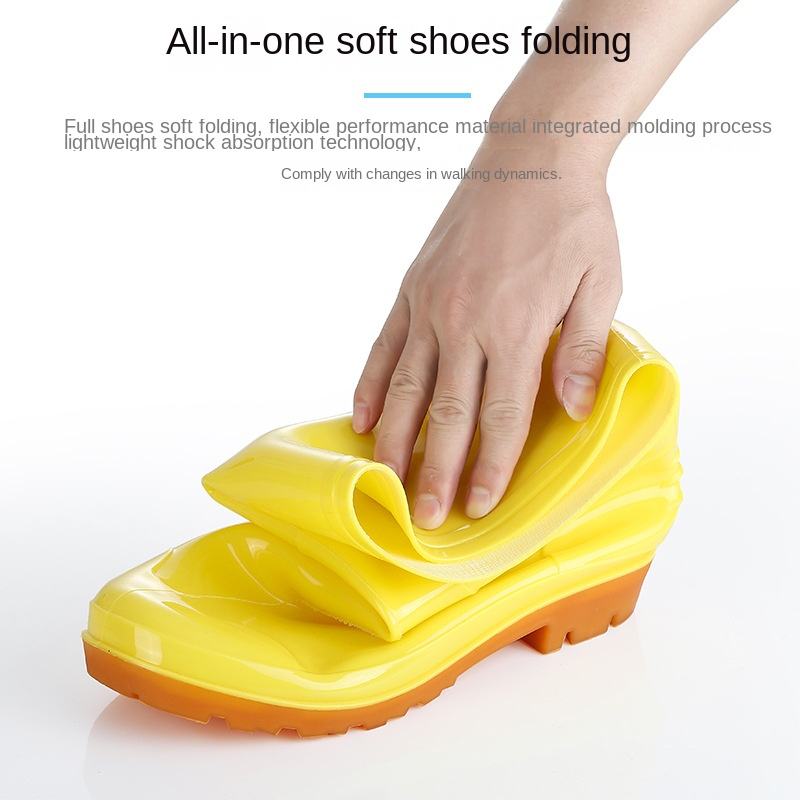
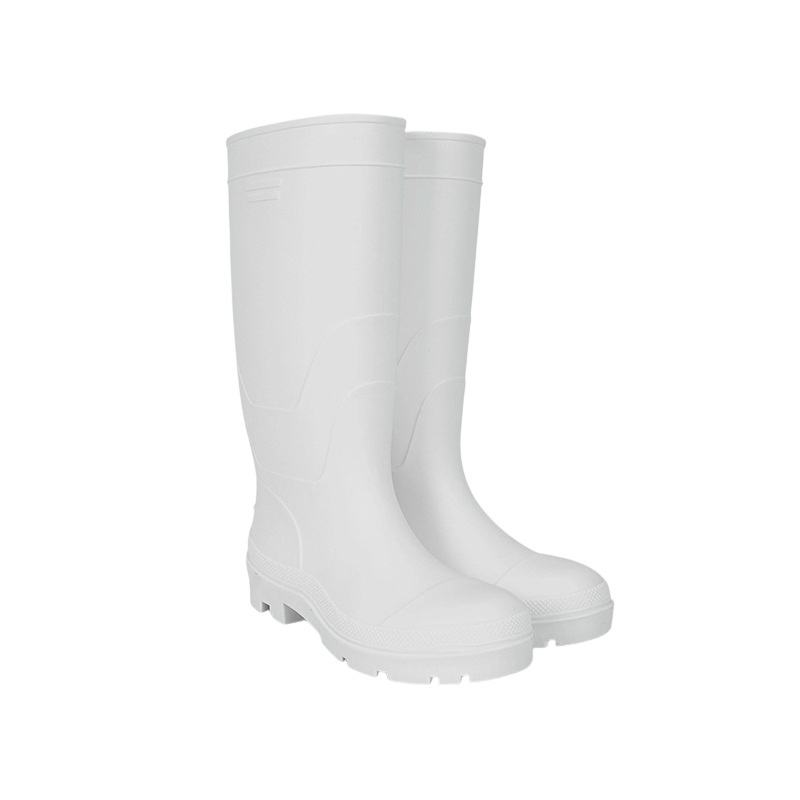
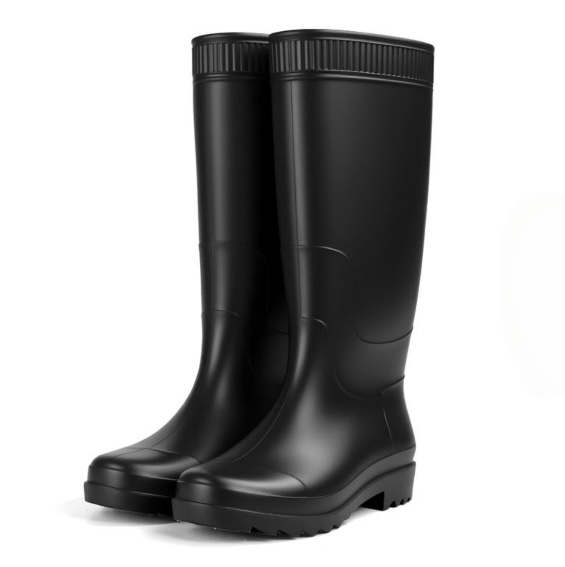
PVC work boots are constructed using polyvinyl chloride compounds formulated for flexibility, durability, and water resistance. Seam-free injection molding, a core process used in mass production, eliminates weak points that cause leaks at connections between the shaft and outsole. The outsole design, often featuring deep tread patterns, is engineered to grip concrete and metal surfaces, though performance varies based on compound hardness and tread geometry. Lining materials, when present, are selected to balance breathability and water resistance, a key consideration for long shifts.
A Professional Rain Boot Manufacturer notes that PVC compound formulations can be adjusted to improve low-temperature flexibility for outdoor work, a critical detail for sites operating in cooler climates. Key process parameters include injection temperature (typically 160–190°C) and cooling time, which ensure structural integrity without compromising material properties. Seamless construction, when paired with a thickness of 2–4mm for the shaft, further enhances water resistance for extended shifts.
3. Practical Solutions and Operation Steps
To optimize performance during 12-hour construction shifts, follow these actionable steps when selecting and using PVC work boots:
- Select boots with a minimum outsole thickness of 5mm and a tread depth of at least 4mm, to maintain grip as the surface wears under repeated use.
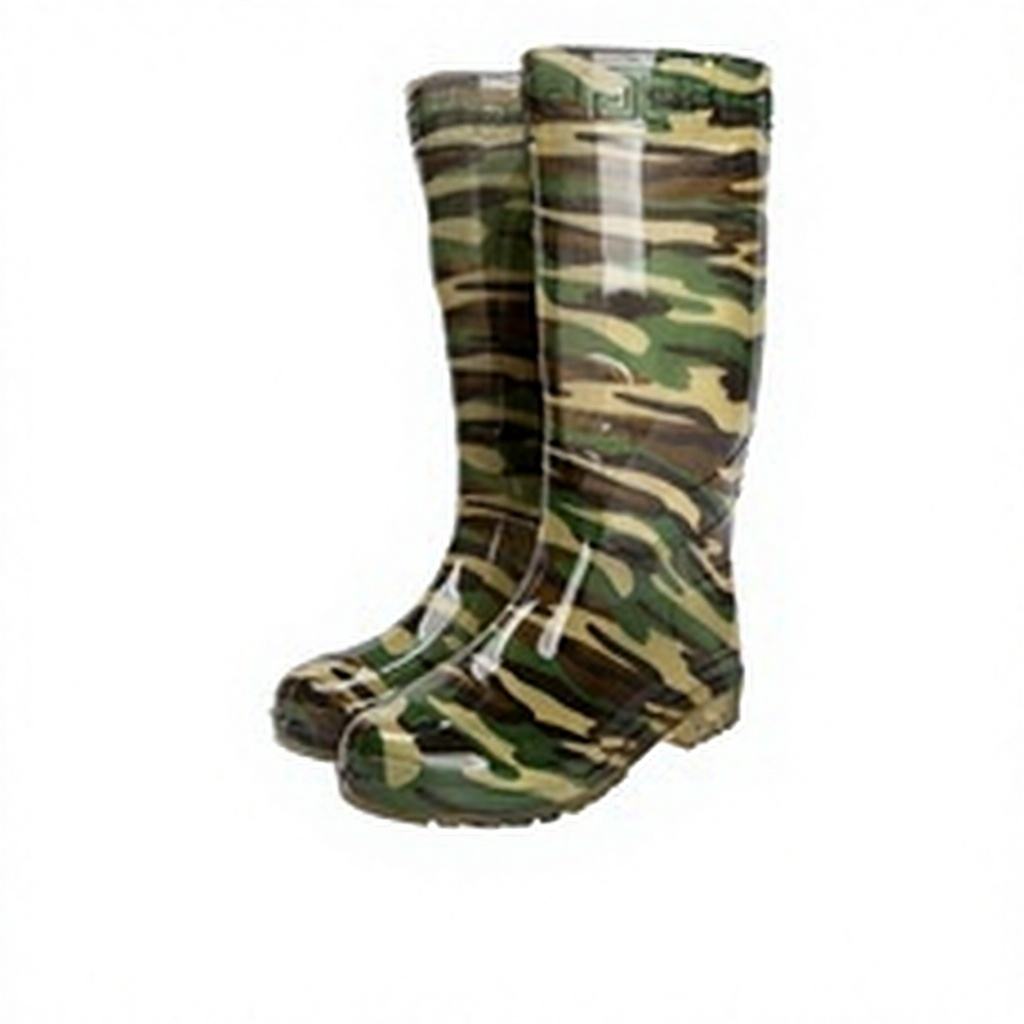
- Choose knee-high or mid-calf shaft heights, as these provide protection against mud splashes and minor debris that could reach the foot lining during lifting or bending tasks.
- Avoid boots with hard, unyielding PVC compounds; opt for flexible formulations that allow natural foot movement without sacrificing support, tested for conformity to ISO 20347:2021 criteria for occupational footwear.
- Size boots to accommodate thick work socks, leaving approximately 10mm of space at the toe box to prevent blisters from rubbing during extended standing and walking.
- For sites with frequent contact with mild chemicals or oil residues, select PVC compounds tested for resistance to these substances, aligned with EN 13832-3:2018 requirements for chemical protective footwear.
4. Daily Maintenance and Precautions
Proper maintenance extends the service life of PVC work boots, a critical factor for consistent performance over 12-hour shifts. After each shift, remove dirt and mud using a soft brush and lukewarm water; avoid strong detergents or solvents, which can degrade PVC compounds and cause cracking. Allow boots to air dry in a shaded, well-ventilated area, away from direct sunlight or space heaters, as excessive heat can warp the shaft and reduce outsole flexibility.
Additional precautions include: do not fold or crease boots when storing, as repeated bending weakens PVC material at stress points; avoid using PVC work boots in temperatures below -10°C, as this can cause the material to become brittle and crack; and never use PVC work boots as a substitute for steel-toe safety boots, as they do not meet impact or compression protection standards required for high-risk construction tasks.
5. Industry Standard and Parameter Reference
Performance evaluations of construction site work boots rely on established international standards to ensure consistency and safety. The following table outlines key parameters and their corresponding standards for men’s occupational footwear:
ParameterRecommended ReferenceWhy It Matters
Slip resistanceEN ISO 20344:2021 / EN ISO 20347:2022+A1:2024 where applicableHelps evaluate outsole grip on wet or contaminated surfaces.
Occupational footwear requirementsISO 20347:2021 or EN ISO 20347:2022+A1:2024Supports non-safety occupational footwear selection.
Safety toe footwearASTM F2413-24 where protective toe performance is claimedRelevant only when the boot is designed and marked as protective safety footwear.
Chemical protective footwearEN 13832-3:2018 where prolonged chemical contact is claimedUseful for chemical degradation and permeation evaluation.
Low-temperature flexibilityISO 20344:2021 Section 8Tests PVC compound performance in cool outdoor site conditions.
These standards provide a verifiable framework for evaluating boot performance, eliminating unsubstantiated claims about durability or slip resistance. All test methods are conducted under controlled laboratory conditions to mimic real-world construction site stresses.
6. Customer Common FAQ
Q: How long can a well-maintained PVC work boot last with weekly 12-hour construction shifts?
A: With proper care, PVC work boots typically last 6–12 months, depending on wear frequency, site conditions, and maintenance practices. This timeline is based on industry observations from a Professional Rain Boot Manufacturer of occupational footwear used in construction.
Q: Do PVC work boots offer enough breathability for 12-hour shifts?
A: Basic PVC boots have moderate breathability; for extended use, select boots with porous linings or perforated shafts, which improve air circulation without compromising waterproofing.
Q: Can PVC work boots replace rubber boots for construction site use?
A: PVC boots are suitable for most general construction tasks, but rubber boots may offer better low-temperature flexibility for work in freezing conditions. Both materials must meet relevant slip resistance standards for site safety.
Q: How do I clean PVC work boots without damaging the material?
A: Use a soft brush and mild soap with lukewarm water; avoid harsh chemicals, pressure washers, or abrasive scrubbers, which can scratch or degrade the PVC compound.
Conclusion
For men working 12-hour construction site shifts, PVC work boots offer a durable, cost-effective option when selected and maintained correctly. Performance depends on compound formulation, structural design alignment with site tasks, and adherence to industry standards for slip resistance and durability. By following practical selection and maintenance steps, workers can reduce common issues like leaks and blisters, enhancing comfort and safety throughout long shifts. A Professional Rain Boot Manufacturer provides expertise on balancing these factors to meet the unique demands of outdoor construction work.
References
- ISO 20347:2021, Occupational Footwear – General Requirements, International Organization for Standardization, 2021
- EN ISO 20344:2021, Footwear – Test Methods for Whole Shoes, European Committee for Standardization, 2021
- EN 13832-3:2018, Chemical Protective Footwear – Part 3: Requirements for Footwear Providing Protection Against Liquid Chemicals, European Committee for Standardization, 2018
- ASTM F2413-24, Standard Specification for Performance Requirements for Protective Footwear, American Society for Testing and Materials, 2024