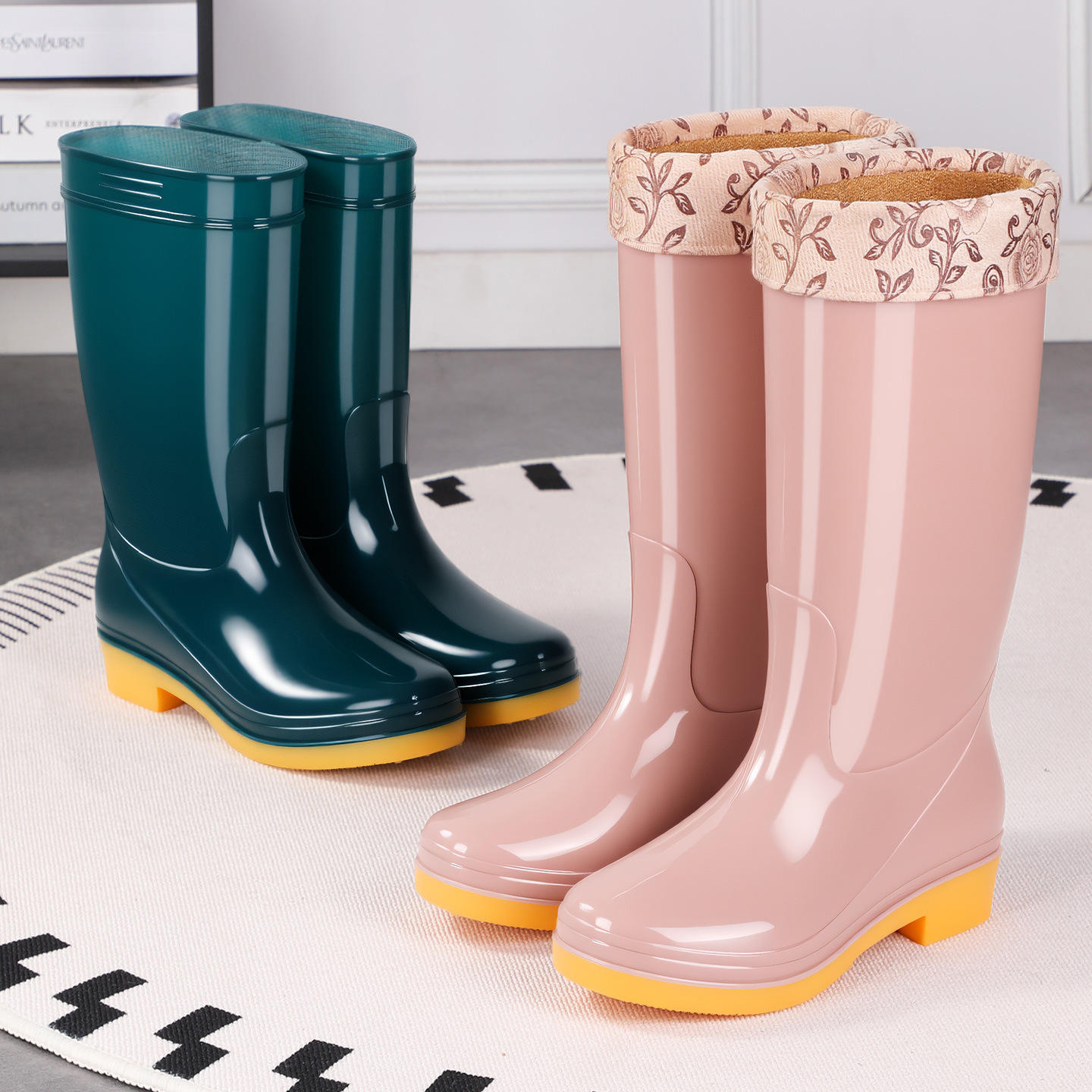
Meta Description: Lightweight waterproof boots are designed to balance mobility and water resistance, but many users question their reliability in extreme heavy rain or multi-day hiking. This article breaks down performance factors, material science, and practical guidance for buyers, targeting outdoor workers, hikers, and facility managers. Professional Rain Boot Manufacturer relies on standardized testing to validate product performance for real-world use cases.
Keywords: Lightweight Waterproof Boots, waterproof boot performance, rain boot material, long hiking footwear, slip-resistant boot, boot maintenance, occupational waterproof boots
1. Core Problem Analysis
1.1 Common Causes of the Problem
Users searching for lightweight waterproof boots often face hidden flaws: inadequate seam sealing that allows water intrusion, thin midsole that offers little impact protection during long hikes, and materials that retain heat leading to foot discomfort. Additionally, some low-quality models fail to maintain water resistance after repeated use, cracking at stress points or developing leaks when flexed during walking. Many users also struggle to match boot weight to their specific use case, choosing overly lightweight models that sacrifice durability for minimal heft.
1.2 Affected Usage Scenarios
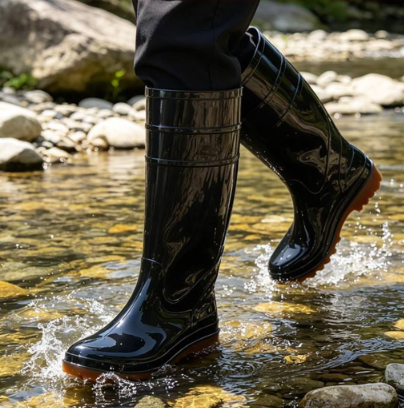
The performance gap becomes most apparent in high-demand scenarios: heavy rain that saturates terrain over extended periods, long hiking trips covering uneven muddy trails, agricultural work involving repeated contact with wet soil, and outdoor maintenance tasks in persistent damp conditions. Workers and hikers alike report reduced efficiency or increased discomfort when their lightweight boots do not hold up to these continuous, wet environments.
2. Product and Process Principle
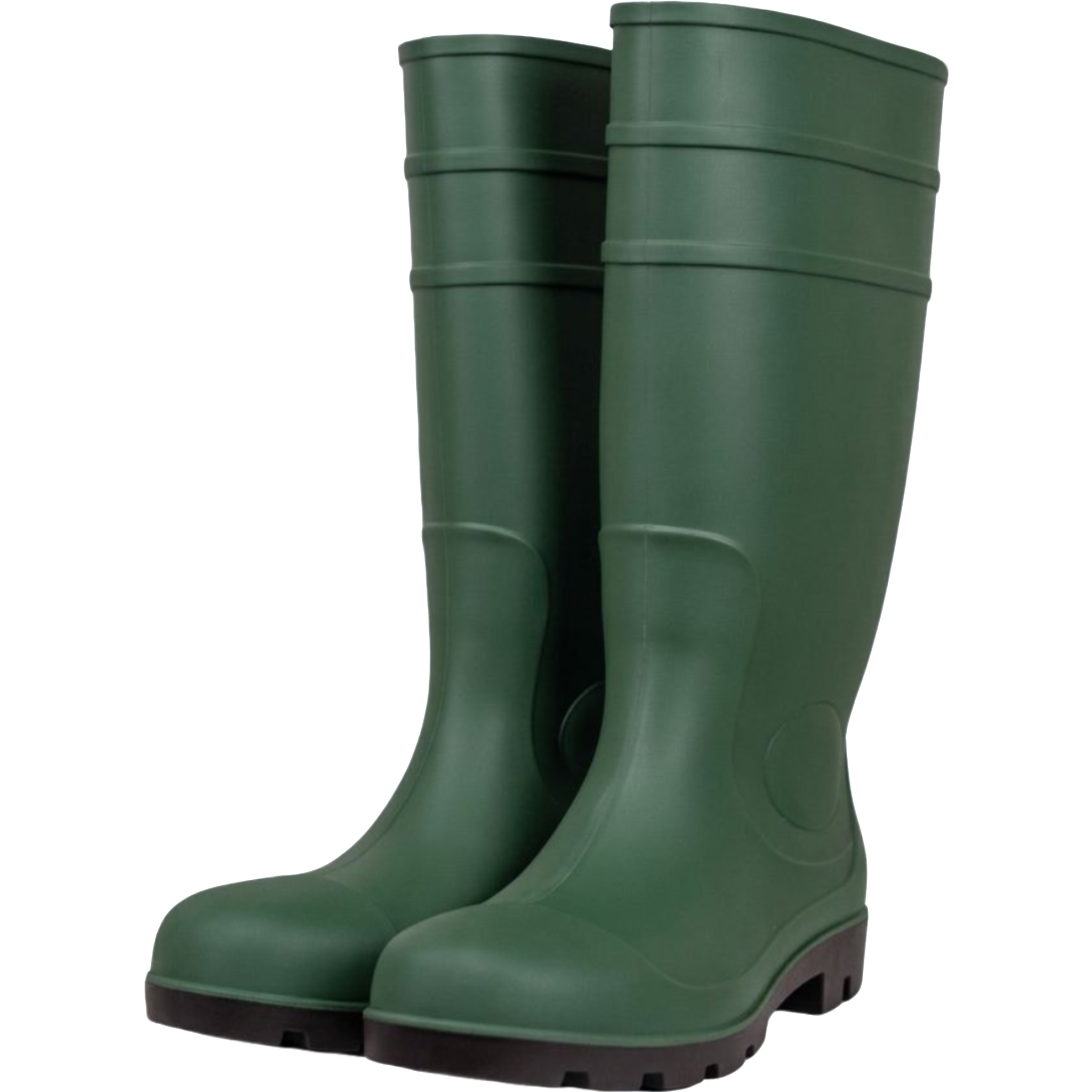
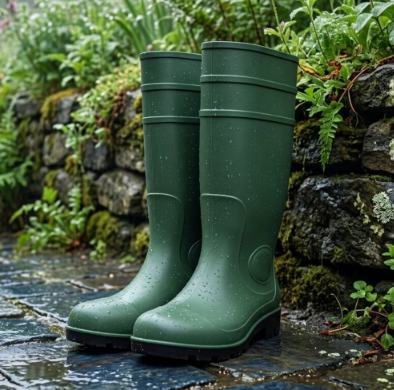
Lightweight waterproof boots use advanced polymer formulations rather than heavy rubber, balancing water resistance with reduced weight. Common materials include thin microcellular PVC, EVA midsole layers, and seamless thermoplastic polyurethane (TPU) uppers, which eliminate seam leaks common in traditional rubber boots. The injection molding process creates a tight bond between upper and sole, while tread patterns are engineered for grip on wet and muddy surfaces without adding excess mass. Professional Rain Boot Manufacturer utilizes material testing per ISO 20344:2021 to ensure each component meets performance requirements without unnecessary bulk.
Key process details include controlled material thickness (typically 2-4mm for uppers) to maintain flexibility, while midsole density is calibrated to absorb impact during long walks. The lining, often a thin moisture-wicking fabric, reduces foot sweat buildup, addressing a common complaint of overheating in lightweight footwear. Seam construction, when present, uses hot-air welding instead of stitching to prevent water penetration at weak points.
3. Practical Solutions and Operation Steps
When selecting lightweight waterproof boots for heavy rain or long hiking, follow these objective, actionable steps to ensure proper performance:
- Verify that the boot’s upper material has a documented water-resistance test rating, referencing standard methods rather than unsubstantiated claims
- Check midsole cushioning density: a density of 30-40 kg/m³ balances weight and impact protection for multi-day hikes
- Match outsole tread pattern to terrain: deep lugs for muddy trails, shallow grooves for slick pavement
- Confirm shaft height aligns with use case: 6-8 inches for casual hiking, 10+ inches for deep mud or heavy rain
- Test fit with the socks or insoles you will use regularly, as proper sizing prevents chafing during long trips
- Avoid lightweight models designed exclusively for dry, casual use when working in heavy, persistent moisture
For long hiking, prioritize models with flexible uppers that allow natural foot movement, while for agricultural work, opt for sturdier toe reinforcement to protect against impact from tools or debris.
4. Daily Maintenance and Precautions
Proper maintenance extends the performance of lightweight waterproof boots, preventing leaks and degradation over time. After use in heavy rain or muddy conditions, rinse the boots with cool water to remove dirt and debris, paying special attention to tread grooves and seam areas. Avoid using hot water or direct sunlight for drying, as extreme heat can warp polymer components and break down water-resistant coatings. Instead, air-dry in a shaded, well-ventilated area, inserting a towel to absorb excess moisture from the lining.
Common pitfalls to avoid: do not use harsh chemicals like bleach or solvent-based cleaners, which can damage the waterproof material; do not store boots while still damp, as trapped moisture leads to mold and odor; and do not use lightweight waterproof boots as substitute for certified safety boots in industrial settings, as they may lack puncture resistance. For long-term storage, place boots on a shoe tree to maintain shape, and avoid folding or compressing them for extended periods.
5. Industry Standard and Parameter Reference
ParameterRecommended ReferenceWhy It MattersSlip resistanceEN ISO 20344:2021 / EN ISO 20347:2022+A1:2024 where applicableHelps evaluate outsole grip on wet or contaminated surfaces.Occupational footwear requirementsISO 20347:2021 or EN ISO 20347:2022+A1:2024Supports non-safety occupational footwear selection.Shaft height measurementISO 20344:2021 Section 8Defines standard measurement for boot height to match use cases.Flex resistance testASTM F2412-24 Method 70Evaluates upper and sole durability during repeated walking motion.
Performance values for lightweight boots are measured through standardized testing, with no unverified claims of perfect waterproofing. All tests referenced above are recognized by global footwear standards bodies, ensuring consistent evaluation across manufacturers.
6. Customer Common FAQ
Q: Are lightweight waterproof boots as waterproof as traditional rubber boots in heavy rain?
A: It depends on construction: seamless lightweight models with welded seams perform comparably to rubber boots in short-term heavy rain, but may show wear over prolonged daily use. Professional Rain Boot Manufacturer notes that material formulation and seam quality are more critical than raw weight for water resistance.
Q: Can lightweight boots handle multi-day hiking trips on muddy trails?
A: Yes, if selected with proper midsole support and tread pattern. Models with EVA midsoles and deep lugs provide adequate cushioning and grip for moderate-length hikes, though ultra-light models may lack durability for steep, rocky terrain.
Q: How do I prevent my lightweight boots from leaking after several uses?
A: Regular cleaning and proper drying help maintain seal integrity. Avoid excessive twisting or pulling at the upper, which can weaken seam bonds. For minor wear, use a manufacturer-recommended waterproofing spray compatible with the boot’s polymer material.
Q: Do lightweight boots keep feet warm in cold, wet conditions?
A: Most models have thin linings, so additional thermal insoles may be needed for temperatures below 10°C (50°F). Look for boots with insulated lining specifications if cold weather use is a priority.
Conclusion
Lightweight waterproof boots deliver reliable performance when matched to the specific demands of heavy rain and long hiking, with key considerations including material integrity, tread design, and midsole support. Standardized testing provides a clear framework for evaluating performance, while proper maintenance ensures long-term functionality. Professional Rain Boot Manufacturer emphasizes that selecting boots based on intended use rather than minimal weight alone leads to better satisfaction and durability for outdoor and occupational use cases.
References
- International Organization for Standardization. ISO 20344:2021, Footwear - Test methods for whole shoe. Geneva: ISO, 2021.
- International Organization for Standardization. ISO 20347:2021, Occupational footwear. Geneva: ISO, 2021.
- American Society for Testing and Materials. ASTM F2412-24, Standard Test Methods for Foot Protection. West Conshohocken, PA: ASTM International, 2024.
- European Committee for Standardization. EN ISO 20347:2022+A1:2024, Occupational footwear. Brussels: CEN, 2024.