Meta Description: Outdoor workers often face issues like heavy footwear causing fatigue, slippery soles on wet surfaces, or moisture build-up during long shifts. This guide explores how lightweight waterproof boots address these challenges to support sustained movement and safety in demanding work environments. Professional Rain Boot Manufacturer
Keywords: lightweight waterproof boots, rubber boots for outdoor work, rain boot performance, occupational footwear, boot material science, high-mobility work shoes
1. Core Problem Analysis
1.1 Common Causes of the Problem
Workers in high-mobility outdoor scenarios often encounter three key pain points: heavy traditional rubber or PVC boots that induce muscle fatigue after 4+ hours of wear, moisture accumulation from poor breathability leading to blisters or discomfort, and insufficient slip resistance on muddy, wet, or soiled surfaces. Many standard boots also lack flexibility, restricting foot movement during tasks like bending, climbing ladders, or walking uneven terrain.
1.2 Affected Usage Scenarios
These issues impact a wide range of outdoor work, including agricultural farming, livestock handling, construction site tasks, food processing plant work, and waterfront maintenance. In these scenarios, workers may walk 5 to 10 kilometers per shift, requiring footwear that balances protection, comfort, and functional performance without compromising safety.
2. Product and Process Principle
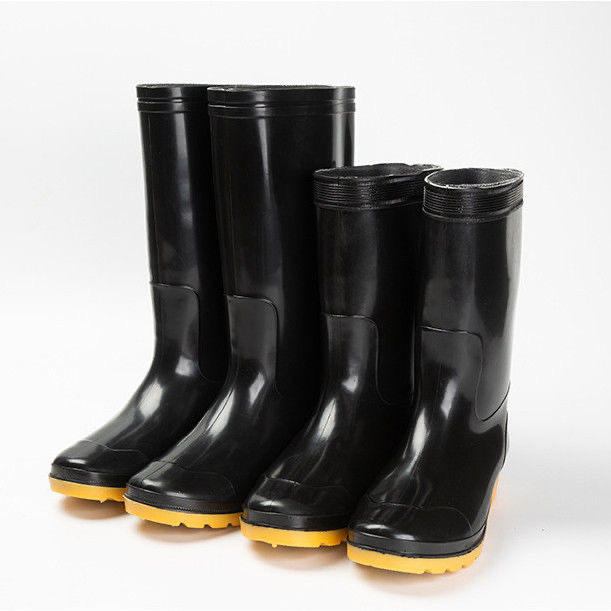
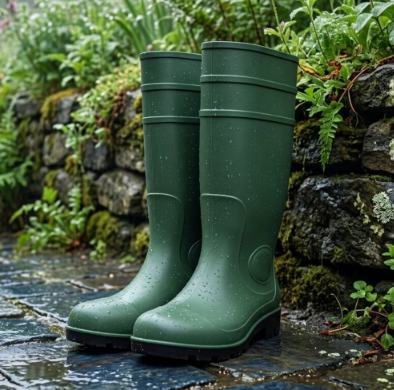
Lightweight waterproof boots rely on a combination of advanced material formulations and precision manufacturing to address the core problems of traditional footwear. Common materials include blended rubber compounds, flexible EVA mid-soles, and seamless injection-molded constructions that reduce overall weight by 20 to 30% compared to standard heavy rubber boots. The shaft height is designed to balance water protection and flexibility, often with a flexible gusset that allows natural ankle movement while preventing water intrusion.
The production process for these boots emphasizes controlled thickness: thinner, durable outer layers resist abrasion, while mid-layer padding provides cushioning without excess weight. Professional Rain Boot Manufacturer note that vulcanized rubber compounds are often calibrated to retain flexibility at low temperatures, a key feature for outdoor work in cool or wet climates, while seam-free construction eliminates potential leak points that occur with glued or stitched seams.
3. Practical Solutions and Operation Steps
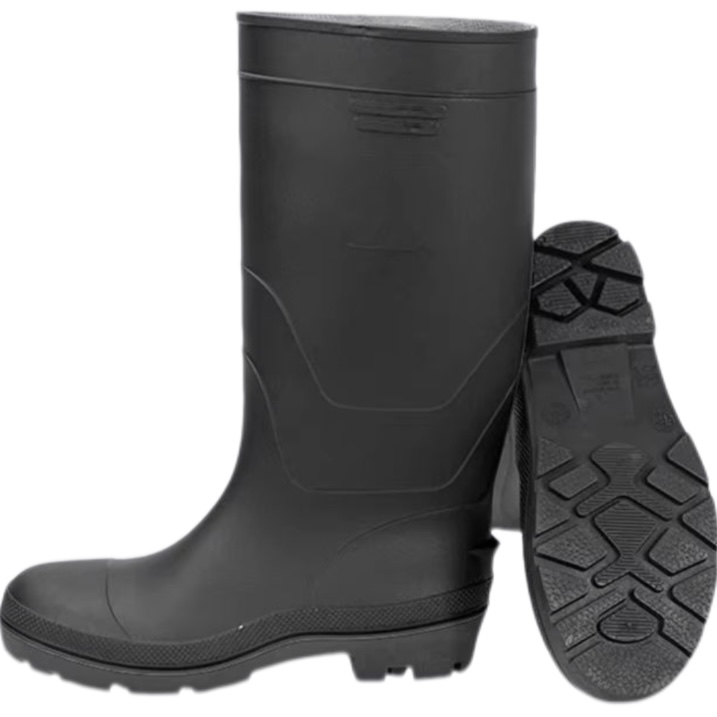
To select the right lightweight waterproof boots for high-mobility work, follow these actionable steps: First, assess the primary work surface: choose boots with a lug pattern rated for slip resistance on muddy terrain if working on farmland, or a flatter, slip-resistant outsole for warehouse or concrete site use. Second, verify the boot’s weight: target a pair under 1.5 kilograms per boot to minimize fatigue during long shifts, avoiding overly bulky designs.
- Check the inner lining: opt for moisture-wicking materials like polyester or mesh to reduce sweat buildup, especially for work in warm climates.
- Measure foot size with work socks: leave a small gap (approximately 0.5 centimeters) at the toe to accommodate natural foot swelling during long hours of walking.
- Test flexibility by bending the boot at the ankle: it should bend smoothly, not resist movement, to support high-mobility tasks.
- Confirm water protection by checking for seamless construction and a waterproof rating aligned with work environment conditions.
For extreme cold environments, select boots with a thermally insulated mid-layer, noting that insulation should not add excessive weight that would impede movement. For jobs involving chemical exposure, choose boots formulated with chemical-resistant compounds, aligning with relevant safety standards for occupational footwear.
4. Daily Maintenance and Precautions
Proper maintenance of lightweight waterproof boots extends their lifespan and preserves performance for high-mobility work. After each shift, remove mud or debris with a soft brush and mild soap, avoiding harsh chemical cleaners that can degrade the rubber or compound materials. Let the boots air dry naturally in a shaded, well-ventilated area, away from direct sunlight or heat sources like radiators, which can cause material warping or reduced flexibility.
Avoid storing boots in cramped spaces that can deform the shaft; instead, hang them upright or place them on a boot stand to maintain their shape. Do not use lightweight waterproof boots as a replacement for certified safety toe footwear, as most standard lightweight boots do not meet impact or compression safety requirements for hazardous work environments. If the boot develops a small puncture, use a manufacturer-recommended sealant for minor repairs, and replace the boots if structural integrity is compromised.
5. Industry Standard and Parameter Reference
The following table outlines key parameters for evaluating lightweight waterproof boots, aligned with international occupational footwear standards to ensure performance and safety for high-mobility work:
ParameterRecommended ReferenceWhy It MattersSlip resistanceEN ISO 20344:2021 / EN ISO 20347:2022+A1:2024 where applicableHelps evaluate outsole grip on wet or contaminated surfaces.Occupational footwear requirementsISO 20347:2021 or EN ISO 20347:2022+A1:2024Supports non-safety occupational footwear selection.Shaft flexibilityISO 20344:2021 Test Method 8.3 (Flexibility)Measures ankle movement compatibility for high-mobility tasks.Waterproof integrityISO 20344:2021 Test Method 7.1 (Water Resistance)Verifies no water intrusion during prolonged exposure to moisture.Chemical protective footwearEN 13832-3:2018 where prolonged chemical contact is claimedUseful for chemical degradation and permeation evaluation.
When evaluating these parameters, rely on third-party test reports from accredited bodies like SGS or Intertek to confirm compliance, rather than unsubstantiated product claims. For high-mobility work, shaft flexibility and slip resistance are particularly critical, as these directly impact worker comfort and safety during daily tasks.
6. Customer Common FAQ
Q: Are lightweight waterproof boots less durable than heavier traditional boots for outdoor work?
A: When manufactured with appropriately calibrated compound formulations, lightweight waterproof boots offer comparable abrasion resistance to traditional heavy boots. Professional Rain Boot Manufacturers use testing methods aligned with ISO 20344:2021 to evaluate material durability, ensuring the boots withstand routine outdoor work tasks without premature wear.
Q: How do I choose the right sole pattern for my work environment?
A: For muddy farm or livestock work, select deep, self-cleaning lugs that shed debris easily. For concrete or warehouse work, a flatter, wider outsole provides stable grip. Avoid smooth soles, which can increase slip risk on wet or slippery surfaces. Align your choice with slip resistance requirements outlined in EN ISO 20347:2022+A1:2024.
Q: Can lightweight waterproof boots be used for cold-weather outdoor work?
A: Some models include thermally insulated mid-layers, but confirm the boot’s low-temperature flexibility via ISO 20344:2021 testing. For work in temperatures below 5°C, choose boots formulated to retain flexibility, as rigid soles can increase injury risk during high-mobility movement.
Q: How do I remove odors from waterproof boots without damaging the material?
A: After cleaning, sprinkle a small amount of baking soda inside the boots, leave them upright in a ventilated area for 8 to 12 hours, then tap out excess powder. Avoid using harsh chemical deodorizers, which can degrade the waterproof material and lining.
Professional Rain Boot Manufacturers recommend checking product care guidelines to ensure cleaning methods do not void the boot’s waterproof warranty.
Conclusion
Lightweight waterproof boots address core pain points of heavy, inflexible footwear, supporting sustained performance in high-mobility outdoor work by balancing protection, comfort, and functionality. By selecting boots aligned with relevant standards, prioritizing flexibility and slip resistance, and following proper maintenance practices, workers can reduce fatigue and improve on-the-job safety. Professional Rain Boot Manufacturers provide standardized production to ensure these boots meet the needs of outdoor work scenarios, offering a practical alternative to traditional heavy footwear.
References
- International Organization for Standardization. (2021). ISO 20344:2021 Footwear - Test Methods for Footwear. Geneva, Switzerland.
- European Committee for Standardization. (2022). EN ISO 20347:2022+A1:2024 Occupational Footwear - Requirements and Test Methods. Brussels, Belgium.
- European Committee for Standardization. (2018). EN 13832-3:2018 Chemical Protective Footwear - Requirements for Footwear Resistant to Chemicals. Brussels, Belgium.