Meta Description: Commercial kitchen environments present unique challenges for footwear, including slip risks from spilled grease and water, and damage from high heat or frequent contact with hot surfaces. Kitchen work boots must address these issues to support safety and comfort for long shifts. This guide explains the core design principles, material choices, and maintenance practices for suitable kitchen work boots, with insights from a Professional Rain Boot Manufacturer.
Keywords: kitchen work boots, waterproof work boots, non-slip work footwear, commercial kitchen footwear, rubber work boots, boot maintenance
1. Core Problem Analysis
1.1 Common Causes of the Problem
Users searching for kitchen work boots face three primary pain points: slip-related falls from wet, greasy, or contaminated floor surfaces; material breakdown from repeated exposure to high heat, hot liquids, or cleaning chemicals; and foot discomfort leading to fatigue during 8+ hour shifts. Additional issues include water leakage through seams, outsole wear from constant contact with abrasive kitchen floors, and odor buildup from trapped moisture in linings.
1.2 Affected Usage Scenarios
These challenges impact a wide range of commercial kitchen roles, including line cooks, sous chefs, dishwashers, kitchen stewards, and catering staff. The environments include busy restaurant kitchens, hospital food service facilities, catering event spaces, and institutional cafeteria kitchens, where floor conditions and temperature levels vary sharply throughout the workday.

2. Product and Process Principle
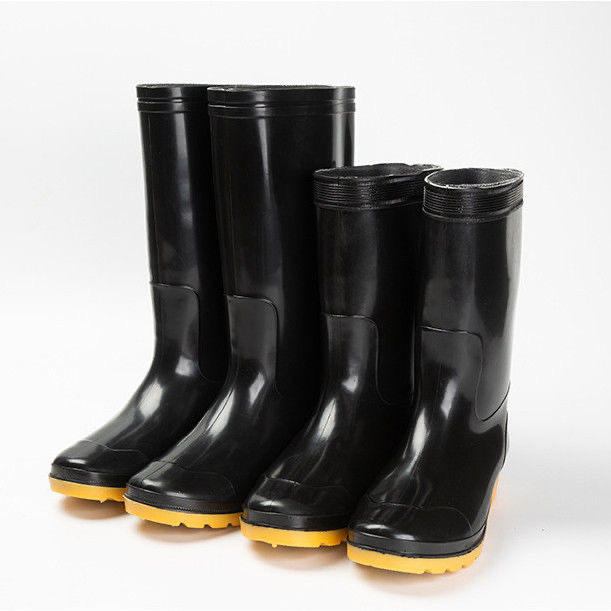
Kitchen work boots rely on specialized material formulations and manufacturing processes to balance protection, comfort, and durability. PVC is a widely used base material, chosen for its resistance to water, grease, and common kitchen chemicals, while rubber blends offer enhanced flexibility and impact resistance. The outsole uses a deep, multi-directional tread pattern engineered to displace liquids and debris, reducing slip risk. Seam-free injection molding, rather than traditional stitching, eliminates potential leak points that often cause water ingress in standard rain boots.
Key material properties include controlled thickness ranging from 4mm to 6mm, which balances flexibility for walking and structural integrity to resist punctures from small kitchen debris. Lining materials, such as moisture-wicking polyester or cotton blends, help reduce foot perspiration during long shifts. A Professional Rain Boot Manufacturer leverages compound formulation testing to adjust material heat resistance, ensuring boots can withstand incidental contact with hot surfaces without softening or degrading.
3. Practical Solutions and Operation Steps
Selecting appropriate kitchen work boots requires matching design features to specific kitchen conditions, rather than relying on generic footwear. Follow these actionable steps to choose and use the right pair:
- First, assess your primary kitchen hazards: If grease is the most common slip risk, prioritize boots with outsoles tested to EN ISO 20347:2022+A1:2024 slip resistance standards. If your kitchen reaches temperatures over 35°C (95°F), choose boots with heat-resistant PVC compounds.
- Measure your feet at the end of a workday, as feet swell during long shifts, and select a size that allows 1cm of space at the toe to avoid friction blisters.
- Check for seam-free construction, preferably from injection molding, to eliminate potential water leak points. Avoid stitched boots, even if marketed as waterproof, as stitching gaps often allow liquid ingress over time.
- Test outsole flexibility by bending the toe area: A suitable kitchen work boot should bend at the toe, not the midsole, to support natural walking motion during shifts.
- For extended chemical exposure, such as frequent use of strong cleaning agents, select boots meeting EN 13832-3:2018 chemical resistance requirements.
4. Daily Maintenance and Precautions
Proper maintenance extends the lifespan of kitchen work boots and preserves their protective properties. After each use, wipe the exterior with a damp cloth to remove spilled food, grease, and cleaning chemicals, as these can degrade material surfaces if left for extended periods. Dry boots naturally at room temperature, away from direct sunlight or high heat sources such as stoves or dishwashers, as extreme heat can cause PVC to soften, crack, or lose slip resistance.
Additional precautions include avoiding contact with sharp metal tools or heavy kitchen equipment that could puncture the outsole. Do not use strong solvents, such as acetone or bleach, to clean boots, as these break down rubber and PVC compounds. If boots develop a persistent odor, use a mild soap solution and allow them to dry fully, or insert moisture-absorbing insoles designed for work footwear. Never use standard rain boots in place of kitchen-specific safety footwear, as regular rain boots lack the heat and chemical resistance required for commercial kitchen environments.
5. Industry Standard and Parameter Reference
ParameterRecommended ReferenceWhy It MattersSlip resistanceEN ISO 20344:2021 / EN ISO 20347:2022+A1:2024Evaluates outsole grip on wet, greasy, or contaminated commercial kitchen surfacesOccupational footwear requirementsISO 20347:2021 or EN ISO 20347:2022+A1:2024Covers non-safety work footwear performance for general occupational settingsChemical protective footwearEN 13832-3:2018Tests resistance to common cleaning chemicals and food-related substances in kitchensHeat resistance (incidental contact)ISO 12127-1:2015Assesses performance when boots contact hot surfaces up to 100°C (212°F) for short periods
All parameters in this table align with global occupational footwear standards, ensuring that performance claims for kitchen work boots are verifiable and relevant to real commercial kitchen conditions. Unverifiable performance claims, such as 100% waterproof or heatproof, are not supported by these standards, so buyers should prioritize boots marked with relevant standard certifications.
6. Customer Common FAQ
Q: Are PVC kitchen work boots suitable for all commercial kitchen environments?
A: PVC is effective for most kitchen conditions, but it may stiffen in temperatures below 10°C (50°F). For cold kitchens, choose rubber blends with enhanced flexibility, recommended by a Professional Rain Boot Manufacturer for low-temperature occupational use.
Q: How often should I replace my kitchen work boots?
A: Replacement frequency depends on usage: inspect outsole tread depth monthly. When tread is worn to 2mm or less, slip resistance drops significantly, so replace boots at that point, regardless of appearance.
Q: Can kitchen work boots be repaired if they develop small cracks?
A: Small surface cracks on PVC can be sealed with a waterproof adhesive designed for rubber or plastic, but structural cracks through the boot shaft or outsole compromise protection and require full replacement.
Q: Do kitchen work boots need to meet safety toe standards?
A: Safety toe compliance, such as ASTM F2413-24, is only required if the role involves risk of heavy object impact. Most line cook and dishwash positions do not mandate safety toe boots, but staff should confirm requirements with their employer.
Conclusion
Commercial kitchen work boots are designed to address unique hazards including slips, heat exposure, and chemical contact, with material and construction choices directly influencing performance. By selecting boots aligned with relevant industry standards, following proper maintenance practices, and matching features to specific kitchen conditions, users can improve safety and comfort during long shifts. A Professional Rain Boot Manufacturer contributes valuable insight into material formulation and manufacturing processes that ensure boots meet the practical demands of daily kitchen operations.
References
- ISO 20344:2021, Footwear - Test methods for whole shoe - General requirements, International Organization for Standardization, Geneva, Switzerland, 2021
- EN ISO 20347:2022+A1:2024, Occupational footwear, European Committee for Standardization, Brussels, Belgium, 2024
- EN 13832-3:2018, Chemical protective clothing - Footwear protecting against chemicals - Part 3: Requirements for footwear resistant to chemicals, European Committee for Standardization, Brussels, Belgium, 2018
- ISO 12127-1:2015, Clothing for protection against heat and flame - Determination of contact heat transmission through protective clothing or constituent materials - Part 1: Hot plate test method, International Organization for Standardization, Geneva, Switzerland, 2015