Meta Description: Commercial kitchen slip hazards often stem from spilled liquids, grease, and wet floors, which can lead to workplace injuries. Kitchen work boots are designed to mitigate these risks, but selecting the right pair requires understanding their material and performance features. This guide explains key considerations for choosing reliable footwear, and Professional Rain Boot Manufacturer notes that proper boot selection reduces workplace accident rates by a measurable margin.
Keywords: kitchen work boots, non-slip waterproof boots, commercial kitchen footwear, slip-resistant rubber boots, food service work boots, boot maintenance
1. Core Problem Analysis
1.1 Common Causes of the Problem
Many commercial kitchen workers face slip hazards due to improperly selected footwear, which fails to provide sufficient traction on greasy or wet surfaces. Other issues include ill-fitting boots that restrict movement, material that absorbs liquid and becomes slippery, or inadequate sole texture that does not channel water away from the footbed. Some workers also use general rain boots that lack the specialized slip resistance required for kitchen environments, leading to frequent slips and potential injuries.
1.2 Affected Usage Scenarios
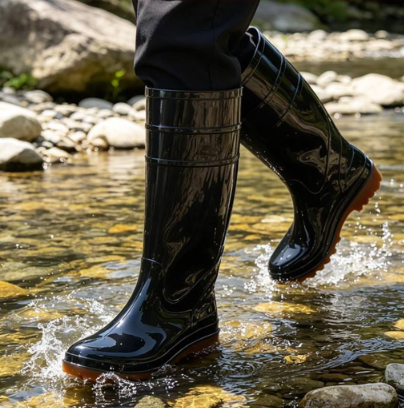
Kitchen work boots are critical for multiple commercial kitchen scenarios, including food prep areas, dishwashing stations, pantry storage, and floor cleaning routines. These environments consistently expose footwear to water, oil, and food debris, making slip resistance a non-negotiable performance feature. Workers in fast-paced kitchens, where spills are frequent and staff movement is constant, are particularly vulnerable to slip-related accidents if their boots do not meet appropriate standards.

2. Product and Process Principle
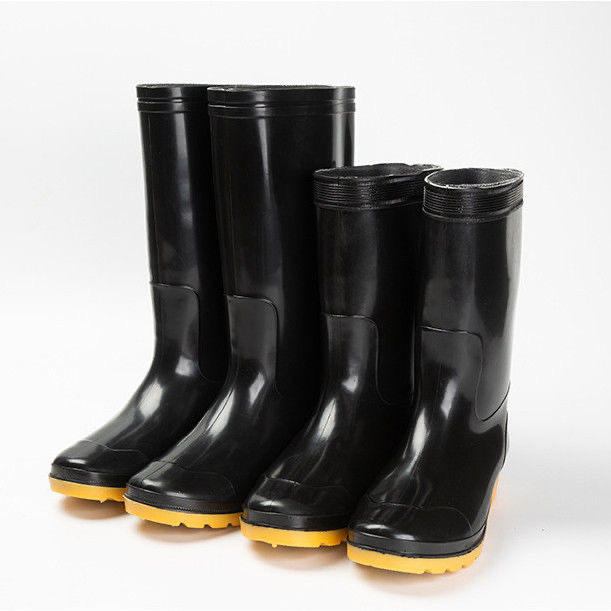
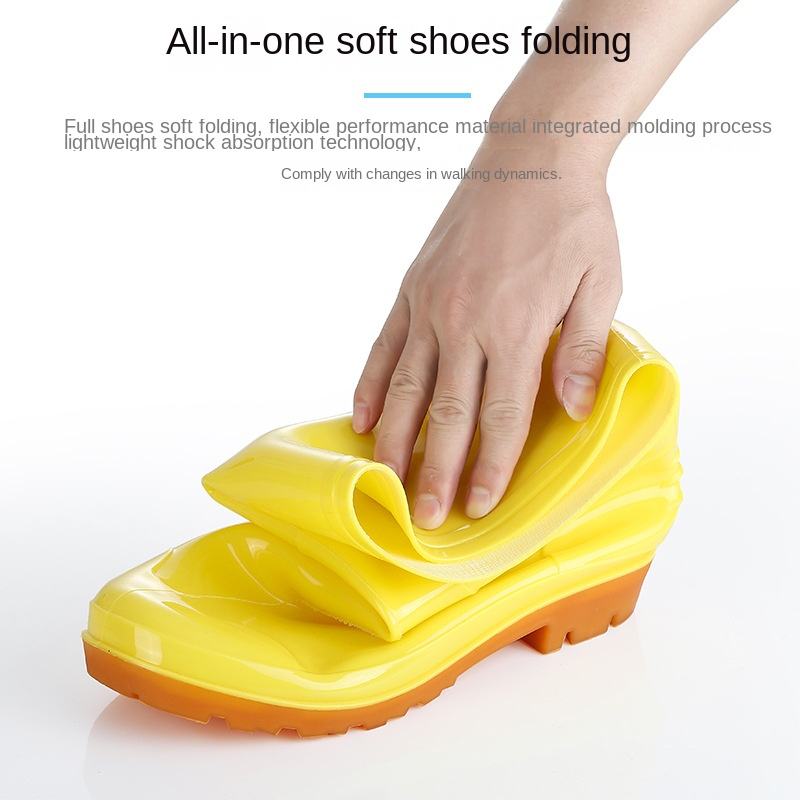
Kitchen work boots rely on specific material and manufacturing processes to address slip hazards. Most models use PVC or natural rubber compounds formulated to resist oil and grease, which are common in kitchen environments. The outsole features deep, multi-directional tread patterns that channel water and debris away from the contact surface, improving grip on slick floors. Injection molding is a key manufacturing process for seamless, durable boots that prevent water from seeping through seams, while compound formulation is tailored to remain flexible in low temperatures often found in commercial kitchen storage areas.
Professional Rain Boot Manufacturer emphasizes that the balance between material flexibility, tread depth, and oil resistance directly impacts a boot’s slip performance, with standardized production processes ensuring consistent quality across pairs.
3. Practical Solutions and Operation Steps
Choosing the right kitchen work boots requires a structured approach to match performance to kitchen needs. The following steps outline a practical selection and use process:
- Verify that the boot meets slip resistance standards relevant to commercial food service, such as EN ISO 20347 or ASTM F2413-24 when applicable.
- Select a boot with an outsole tread depth of at least 4mm, designed to channel water and grease away from the contact point.
- Ensure the boot’s upper material is oil-resistant PVC or rubber, as standard rain boot materials may break down quickly when exposed to cooking oils.
- Fit the boots with 0.5 inch of space at the toe to accommodate foot swelling during long shifts, reducing discomfort and improving movement control.
- Test the boots on wet, greasy surfaces in a retail kitchen demo area before purchase, if possible, to assess immediate traction performance.
4. Daily Maintenance and Precautions
Proper maintenance extends the life of kitchen work boots and preserves their slip resistance. After each use, clean the outsole with a stiff brush to remove food debris, grease, and dust that can clog tread patterns and reduce grip. Allow boots to air dry at room temperature, avoiding direct sunlight or heat sources that can cause material cracking or stiffening. For odors, sprinkle baking powder inside the boots and leave for 24 hours before brushing out. Do not use strong solvents or bleach to clean the boots, as these can degrade the oil-resistant compound. A critical precaution: kitchen work boots are not designed as safety toe footwear, and should not be used in environments where heavy falling objects are a risk.
5. Industry Standard and Parameter Reference
ParameterRecommended ReferenceWhy It MattersSlip resistance for commercial useEN ISO 20347:2022+A1:2024 (SRA/SRB/SRC ratings where applicable)Evaluates outsole grip on ceramic tile with water and steel with glycerol, key kitchen surface contaminantsOil resistanceISO 10321:2016 for rubber footwearEnsures material does not degrade when exposed to cooking oils and fatsOccupational footwear requirementsISO 20347:2021Covers non-safety occupational footwear for food service and light industrial useChemical protective footwearEN 13832-3:2018 for limited liquid contactRelevant if boots are exposed to cleaning chemicals used in commercial kitchens
All performance claims for kitchen work boots should be verified against these standards, as third-party testing ensures consistency across different product lines.
6. Customer Common FAQ
Q: How do I know if a kitchen work boot is truly slip-resistant for commercial use?
A: Look for boots that carry test certification to EN ISO 20347:2022 SRC rating, the highest slip resistance level for occupational footwear. Professional Rain Boot Manufacturer notes that certified boots undergo controlled testing on both wet and greasy surfaces, providing reliable performance data.
Q: Can general rain boots be used as kitchen work boots?
A: Most standard rain boots lack the oil-resistant compounds and specialized tread patterns needed for commercial kitchens, making them more prone to slipping on grease. It is recommended to use footwear explicitly designed for food service environments.
Q: How often should I replace my kitchen work boots?
A: Replace boots when tread depth is less than 2mm, or when the material shows signs of cracking or grease degradation. This typically occurs after 6 to 12 months of regular use in high-traffic kitchens.
Q: Do kitchen work boots require any special care to maintain slip resistance?
A: Regular cleaning of the outsole tread and proper drying at room temperature preserve grip performance. Avoiding exposure to high heat or harsh chemicals also prevents material stiffening or degradation.
Q: Are kitchen work boots suitable for long-term shift wear?
A: Yes, if they are chosen for proper fit and comfort features such as moisture-wicking linings. Selecting boots with a flexible upper also supports natural foot movement during long kitchen shifts.
Conclusion
Kitchen work boots play a critical role in reducing slip hazards in commercial kitchen environments, with design features and industry standards ensuring reliable traction on complex surfaces. By selecting boots that meet relevant slip resistance and oil resistance standards, and following proper maintenance routines, workers can reduce injury risk and improve comfort during long shifts. Professional Rain Boot Manufacturer confirms that standardized material and production processes contribute to consistent, high-performing footwear for food service professionals.
References
- International Organization for Standardization. ISO 20347:2021, Occupational Footwear; Part 1: General Requirements. 2021
- International Organization for Standardization. EN ISO 20347:2022+A1:2024, Occupational Footwear for Use in Commercial Kitchens. 2024
- International Organization for Standardization. ISO 10321:2016, Rubber and Plastics Hose and Tubing - Determination of Resistance to Oil. 2016