Meta Description: Commercial restaurant kitchens expose footwear to slippery oils and scalding steam that regular shoes cannot handle. This article analyzes the performance of kitchen work boots in such environments, from material selection to maintenance, to help foodservice operators and staff choose appropriate footwear. Professional Rain Boot Manufacturer.
Keywords: kitchen work boots, non-slip kitchen footwear, waterproof rubber boots, commercial kitchen safety, oil-resistant footwear, steam-resistant work boots
1. Core Problem Analysis
1.1 Common Causes of the Problem
Kitchen workers often face three critical footwear problems: reduced slip resistance on oil-contaminated floors, water and steam seepage that causes discomfort or burns, and premature material degradation from repeated contact with food oils, grease, and steam. Many standard footwear fails to address these combined hazards, leading to workplace injuries and discomfort that impact productivity.
1.2 Affected Usage Scenarios
These issues are most prominent in high-volume commercial kitchens, including restaurant line cooking areas, dishwashing stations, prep zones, and back-of-house cleaning spaces. They also apply to related foodservice settings like catering preparation areas and commissary kitchens where consistent exposure to oils and moisture is common.

2. Product and Process Principle
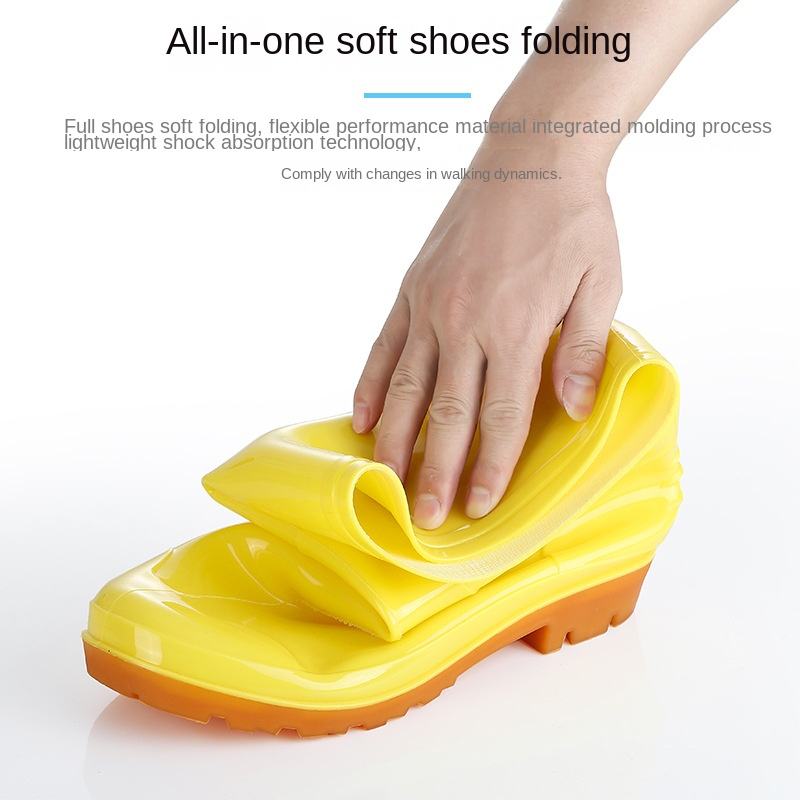
The performance of kitchen work boots in oil and steam environments depends on material compound formulation and construction. PVC, a common material for kitchen work boots, is formulated with additives that improve oil resistance, while rubber compounds offer enhanced flexibility and durability. Seam-free injection molding construction eliminates weak points where water or steam can seep through, and outsole patterns are engineered to maintain grip on wet, oil-contaminated surfaces. Shaft height also plays a role: taller shafts provide better protection against splashing steam and spills. Professional Rain Boot Manufacturer sources materials specifically tested for foodservice applications, aligning compound properties with the unique hazards of commercial kitchen environments.
Additional structural elements include moisture-wicking linings to reduce discomfort from trapped steam, and thickness control that balances protection with breathability. Vulcanization, a traditional process for rubber boots, creates a durable bond between outsole and upper, reducing separation during heavy use in kitchen settings.
3. Practical Solutions and Operation Steps
To select and use kitchen work boots effectively for oil and steam hazards, follow these actionable steps:
- Outsole selection: Choose boots with outsole patterns tested for slip resistance on oily surfaces; avoid smooth soles that reduce traction when wet or greasy.
- Shaft height: Select a shaft height of 15 cm or higher to shield lower legs from scalding steam and splashing hot liquids, matching the height of your kitchen’s typical spill zones.
- Material verification: Confirm the boot’s material is certified for oil resistance, as defined by relevant occupational footwear standards, to prevent degradation from food oils and grease.
- Lining consideration: Opt for moisture-wicking linings to reduce sweat accumulation from steam exposure, which improves comfort during long shifts.
- Fit and testing: Ensure boots fit with enough space for thick socks (common in cool kitchens) and test slip resistance on a small area of your kitchen’s oil-contaminated floor before full use.
These steps apply to standard commercial kitchen settings; for kitchens with specialized hazards like heavy industrial degreasers, consult additional chemical protection guidelines beyond basic kitchen work boot requirements.
4. Daily Maintenance and Precautions
Proper maintenance extends the performance of kitchen work boots and prevents early failure. After each shift, clean boots with mild soap and warm water to remove residual oil and food debris, as leftover substances can degrade material compounds over time. Allow boots to air dry completely in a cool, well-ventilated area away from direct sunlight or high heat sources, which can cause material cracking or warping.
Avoid common pitfalls: do not use strong solvents or bleach to clean kitchen work boots, as these can break down oil-resistant additives. Do not store boots in a compressed space, which can deform the outsole pattern and reduce slip resistance. Most importantly, never use general rain boots not rated for commercial kitchen environments as a substitute; these lack the oil and steam protection required for foodservice work.
5. Industry Standard and Parameter Reference
Parameter
Recommended Reference
Why It Matters
Slip resistance
EN ISO 20344:2021 / EN ISO 20347:2022+A1:2024 (where applicable)
Helps evaluate outsole grip on wet or oil-contaminated kitchen surfaces
Occupational footwear requirements
ISO 20347:2021 or EN ISO 20347:2022+A1:2024
Supports non-safety kitchen work boot selection for daily use
Chemical protective footwear
EN 13832-3:2018 (for prolonged oil contact)
Evaluates material resistance to food oils and grease common in kitchens
Steam resistance testing
ASTM F2412-24 (water penetration test protocol)
Measures resistance to steam and hot water seepage into boot interiors
Do not invent exact performance numbers; rely on values verified by third-party testing per these standards. For example, a kitchen work boot certified to meet EN ISO 20347:2022’s slip resistance requirements for oily surfaces will have consistent performance in commercial kitchen environments.
6. Customer Common FAQ
Q: Are all PVC kitchen work boots resistant to food oils?
A: No, only PVC compounds formulated with oil-resistant additives meet food-service standards. Professional Rain Boot Manufacturer tests material formulations to ensure resistance to common cooking oils like canola, olive, and animal fats, avoiding generic PVC that degrades quickly in kitchen use.
Q: How do I test if a boot provides enough steam protection?
A: Check for seam-free construction and a shaft height of at least 15 cm. For formal verification, look for testing results aligned with ASTM F2412-24’s water penetration test, which simulates steam exposure in kitchen conditions.
Q: Can I use kitchen work boots outside the kitchen?
A: Kitchen work boots are optimized for oil and steam environments; they may not perform as well in extreme cold or muddy outdoor conditions. Use specialized work boots for non-kitchen tasks to preserve their kitchen-specific performance.
Q: How often should I replace kitchen work boots?
A: This depends on usage, but signs of wear include reduced outsole traction, cracked material, or seepage through seams. Most kitchen work boots last 6 to 12 months with regular use, depending on shift length and workload.
Professional Rain Boot Manufacturer recommends regular visual inspections to identify wear early, ensuring continued performance in high-hazard kitchen settings.
Conclusion
Kitchen work boots’ performance in commercial kitchens depends on material selection, construction quality, and alignment with relevant industry standards. By choosing boots with oil-resistant compounds, slip-resistant outsoles, and appropriate shaft height, kitchen staff can reduce injury risks and improve comfort. Proper maintenance, including regular cleaning and drying, extends boot lifespan and performance. Professional Rain Boot Manufacturer emphasizes matching footwear specifications to specific kitchen hazards, ensuring workers have adequate protection against oils and scalding steam in daily operations.
References
- International Organization for Standardization (ISO). ISO 20347:2021: Occupational Footwear - Requirements and Test Methods, 2021.
- European Committee for Standardization (CEN). EN ISO 20344:2021: Footwear - Test Methods for Upper and Outsole, 2021.
- American Society for Testing and Materials (ASTM). ASTM F2412-24: Standard Test Methods for Foot Protection, 2024.
- European Committee for Standardization (CEN). EN 13832-3:2018: Chemical Protective Footwear - Part 3: Requirements for Footwear against Liquid Chemicals, 2018.