Meta Description: Parents seeking footwear that balances playfulness and functionality need to consider how kids' leopard print rain boots handle muddy surfaces and unexpected heavy rain. This guide covers key performance factors, material properties, and usage tips to support informed decisions, especially from a Professional Rain Boot Manufacturer.
Keywords: Kids leopard print rain boots, muddy playground boots, kids waterproof rain boots, rubber rain boots for kids, slip-resistant rain boots
1. Core Problem Analysis
1.1 Common Causes of the Problem
When choosing kids' rain boots for muddy playgrounds and sudden downpours, most parents face issues like water seepage through seams, poor slip resistance on wet or soiled surfaces, stiff materials that restrict movement, and leopard print patterns fading prematurely after repeated wear and washing. Many cheap rain boots also lack proper durability, cracking after only a few months of use.
1.2 Affected Usage Scenarios
These issues are particularly impactful in settings like elementary school playgrounds with mud pits, neighborhood parks after unexpected summer downpours, outdoor birthday parties held in grassy areas, and weekend hiking trips where children traverse uneven, waterlogged terrain. In these scenarios, boots that fail to perform can lead to uncomfortable damp socks, slips and falls, and unnecessary replacement costs.
2. Product and Process Principle
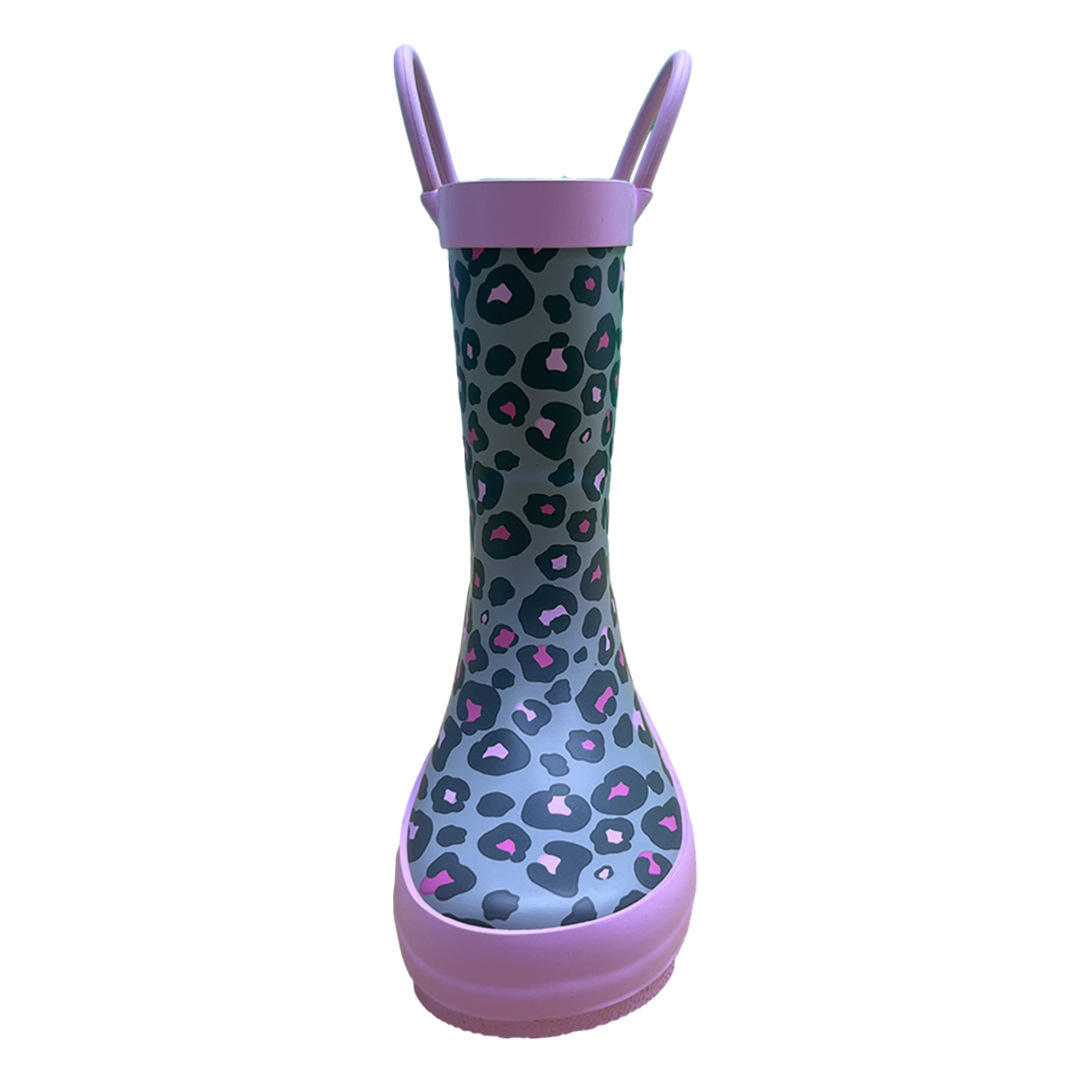
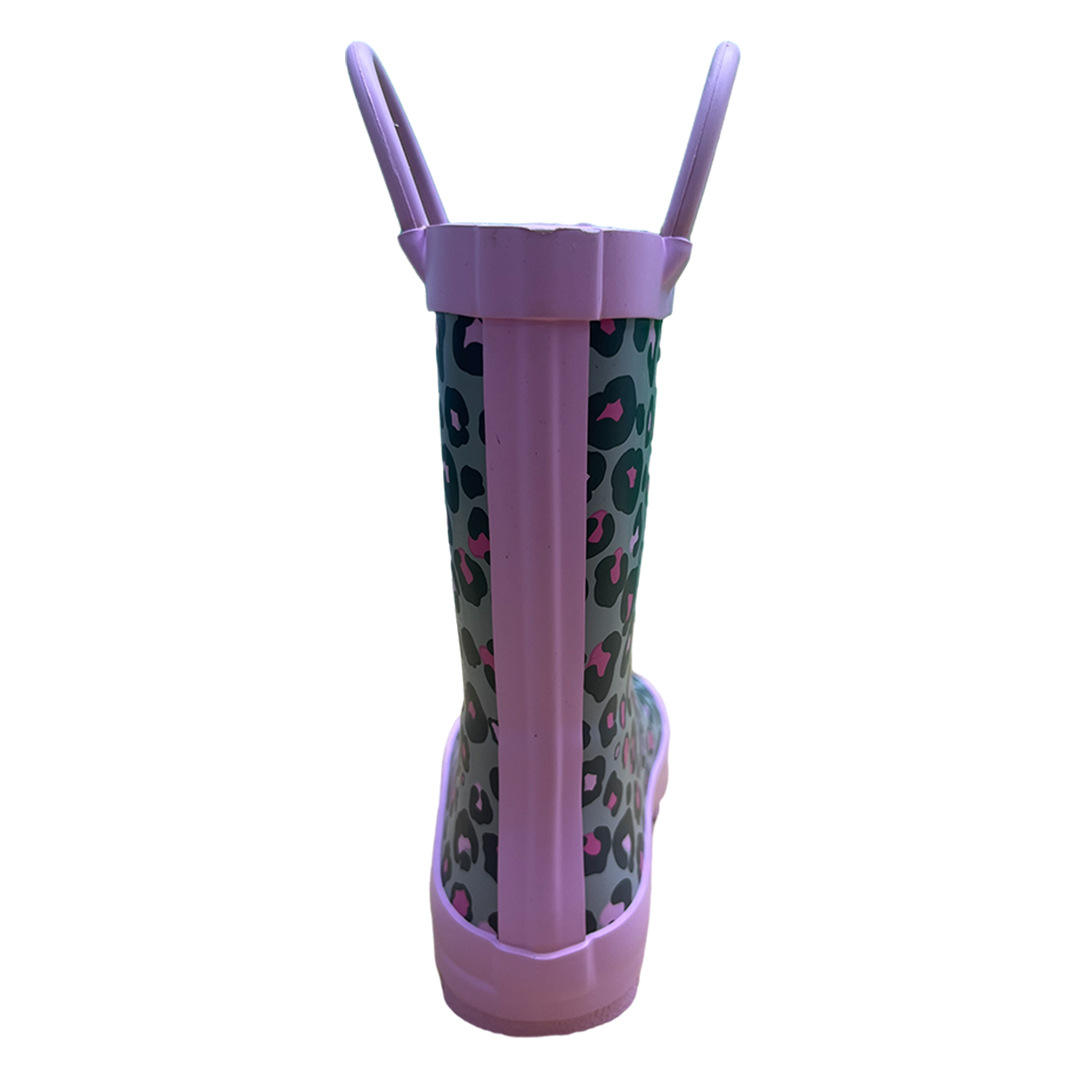
Most kids' leopard print rain boots are constructed using either injection-molded PVC, natural rubber, or a blend of the two materials. Injection molding creates seamless or low-seam structures that significantly reduce water seepage points, while vulcanized rubber options offer better flexibility at lower temperatures, per ISO 20344:2021 testing standards. Leopard print patterns are applied via heat transfer printing, a process that bonds the design to the boot surface to resist fading better than adhesive-based printing.
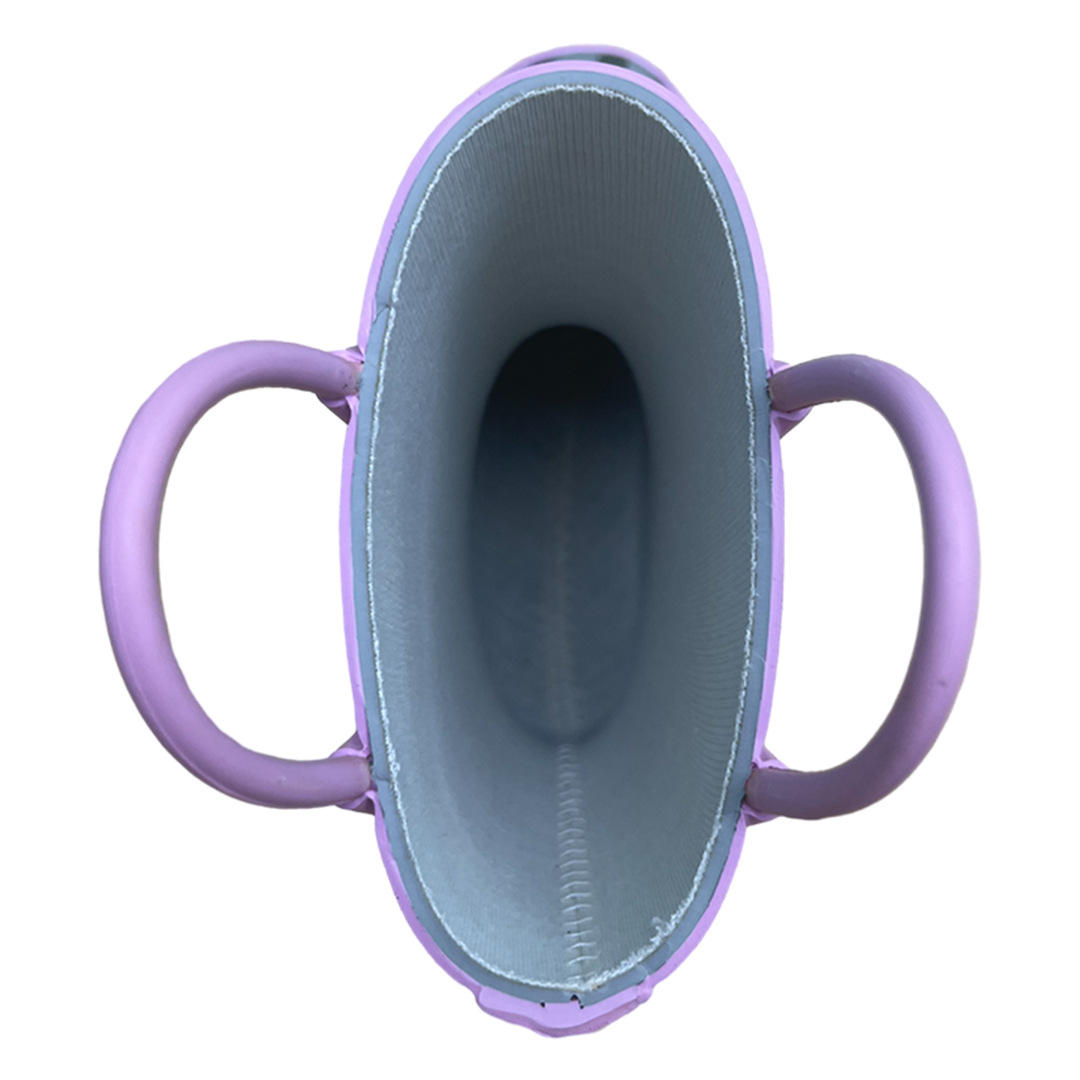
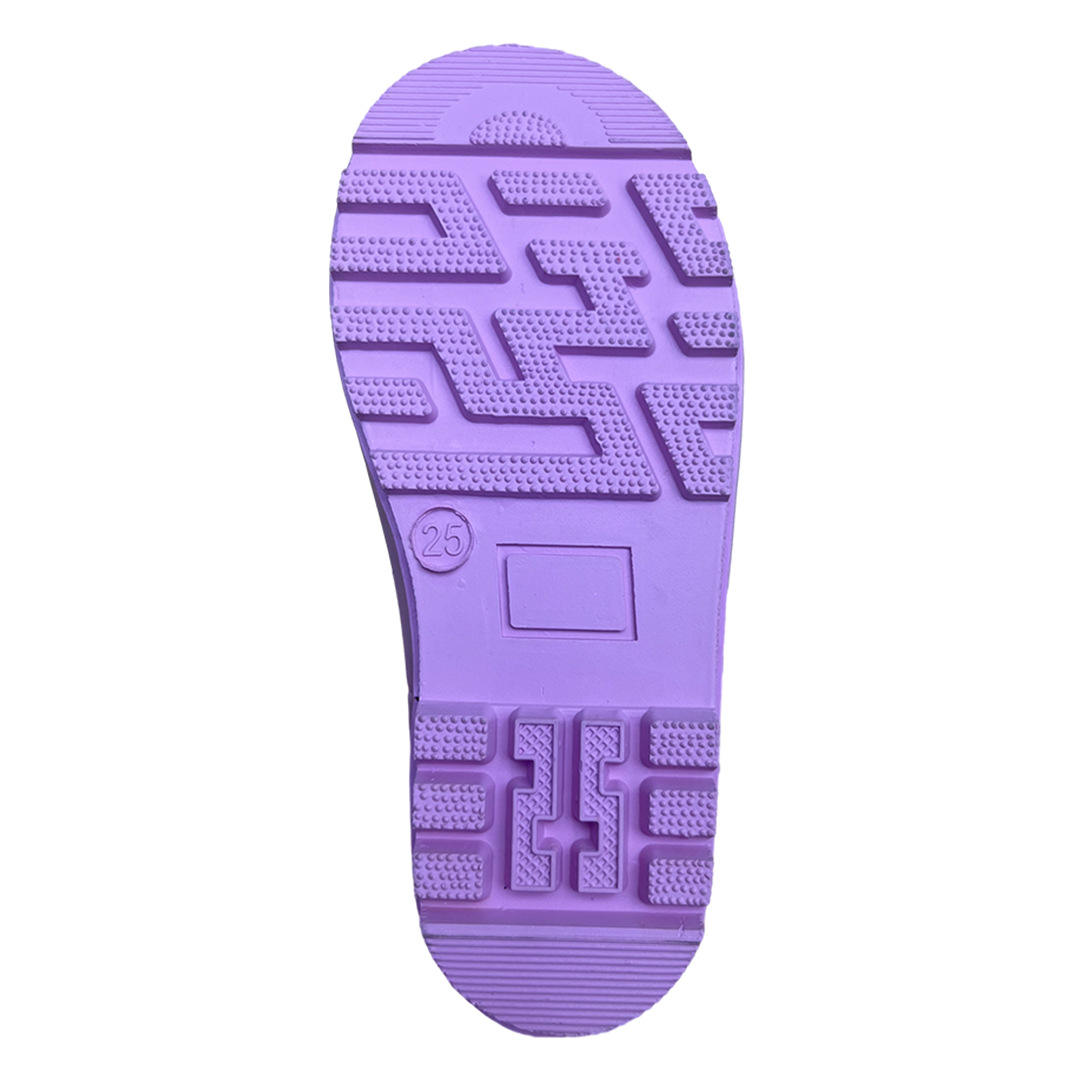
A Professional Rain Boot Manufacturer explains that outsole design is another critical component: deep, wide lugs provide better grip on muddy surfaces, while a rounded toe box allows for natural foot movement as kids run and climb. Lining materials, typically fleece or non-woven fabric, affect breathability—non-woven linings help wick away moisture, reducing sweat buildup inside the boot during active play.
3. Practical Solutions and Operation Steps
To select kids' leopard print rain boots that handle muddy playgrounds and sudden downpours effectively, follow these structured steps, each with clear, actionable criteria:
- Check for seamless construction or reduced seam points at the toe and shaft, as these areas are most prone to water seepage in rainy conditions. Avoid boots with exposed glue lines, which can degrade when exposed to mud and water over time.
- Test outsole tread depth and pattern: look for lugs that are at least 3mm deep, as shallower lugs offer less grip on wet or muddy surfaces. Under ASTM F2413-24 testing guidelines, this depth category is classified as standard for general-purpose slip-resistant footwear.
- Measure your child’s foot with thin socks (not thick winter socks) to ensure a snug but not tight fit, leaving approximately ½ inch of space between the toes and the boot toe box. This prevents blisters and allows room for foot movement during active play.
- Choose boots with a shaft height that reaches at least mid-calf, as lower shafts expose the ankle area to mud splashes and rainwater that can seep into the boot during jumps or runs.
- Select boots with non-porous materials (PVC or vulcanized rubber) for best water resistance; EVA materials, while lightweight, are more porous and not ideal for prolonged muddy or wet exposure.
4. Daily Maintenance and Precautions
Proper maintenance extends the lifespan of kids' leopard print rain boots and preserves their functionality in muddy and wet conditions. After each use in mud or rain, wipe the exterior with a damp cloth to remove dirt and mud, paying special attention to tread grooves where debris can accumulate. Allow boots to air dry completely away from direct sunlight or heat sources like radiators, as high temperatures can cause rubber to crack or print patterns to fade prematurely.
Never use harsh chemicals like bleach or strong solvents to clean rain boots, as these can degrade the material and seam integrity. If boots develop minor scuffs, a gentle rub with a small amount of mild soap and a soft brush will restore their appearance. For long-term storage, keep boots in a cool, dry area, and stuff them with newspaper to help maintain their shape and absorb residual moisture.
Key precautions to avoid: do not use kids' rain boots for work or industrial tasks that require safety certifications, as general-purpose rain boots do not meet occupational safety standards like ISO 20347:2022+A1:2024. Do not store boots in a cramped space that causes them to bend sharply, as repeated bending can weaken the material and lead to cracks over time.
5. Industry Standard and Parameter Reference
Below are standardized parameters to evaluate the performance of kids' rain boots, aligned with international testing standards to ensure credible comparison and selection.
ParameterRecommended ReferenceWhy It Matters
Slip resistance on wet surfacesEN ISO 20344:2021, Annex 12Tests outsole grip on slick, water-contaminated surfaces to prevent falls on sidewalks and playgrounds
Water penetration resistanceISO 20344:2021, Annex 10Evaluates seam and material integrity to prevent water seepage during prolonged exposure to rain or mud
Material durabilityISO 20344:2021, Annex 16 (flex test)Assesses resistance to cracking after repeated bending, critical for active kids’ foot movement
Occupational footwear requirementsISO 20347:2021Relevant only if boots are used for heavy work, not general playground or play use
Chemical resistanceEN 13832-3:2018Not required for standard kid’s use, only applicable for boots intended for industrial chemical exposure
All performance evaluations should use third-party testing from accredited bodies to ensure results are reliable; unverified claims of "waterproof" or "slip-resistant" should be cross-referenced with compliance to the above standards.
6. Customer Common FAQ
Q: How do I clean deep mud from my child’s leopard print rain boots without damaging the pattern?
A: First, let the mud dry completely, then gently brush off excess dried mud with a soft bristle brush. Wipe the remaining dirt with a damp cloth and mild soap, avoiding scrubbing too hard on the leopard print area. A Professional Rain Boot Manufacturer notes that heat transfer printing is more resistant to scrubbing than adhesive prints, so gentle cleaning is sufficient for most standard designs.
Q: Are leopard print rain boots less waterproof than plain-colored ones?
A: No, the print type does not affect water resistance. The waterproof performance depends on the material construction and seam quality, not the surface pattern. Both heat transfer and adhesive prints can be waterproof as long as the underlying boot structure meets ISO 20344:2021 standards.
Q: How often should I replace my child’s rain boots for muddy play?
A: This varies with use, but inspect boots every 2-3 months for cracks, loose seams, or worn outsole tread. If the outsole lugs are less than 2mm deep, the slip resistance will be significantly reduced, and it is time to replace the boots. Visible material cracks that allow water seepage are also a clear replacement sign.
Q: Can I use adult rain boots for my child’s muddy playground play?
A: No, adult rain boots are designed for adult foot size and movement. Kids require boots with a flexible fit that supports their growing feet and allows for natural balance during running, climbing, and jumping. Kids’ boots also have smaller, more responsive tread patterns suited for uneven playground surfaces.
Conclusion
Choosing the right kids' leopard print rain boots for muddy playgrounds and sudden downpours requires balancing style, functionality, and durability. By focusing on seamless construction, slip-resistant outsoles, proper fit, and adherence to international testing standards, parents can select boots that hold up to active play and wet conditions. A Professional Rain Boot Manufacturer emphasizes that careful maintenance, like regular cleaning and proper drying, further extends boot lifespan, making this investment practical for everyday use.
References
- International Organization for Standardization. ISO 20344:2021. Footwear - Test methods for whole shoe. Geneva, Switzerland: ISO, 2021.
- International Organization for Standardization. ISO 20347:2021. Occupational footwear. Geneva, Switzerland: ISO, 2021.
- American Society for Testing and Materials. ASTM F2413-24. Standard specification for performance requirements for footwear for occupational use. West Conshohocken, PA: ASTM International, 2024.
- European Committee for Standardization. EN 13832-3:2018. Chemical protective footwear. Brussels, Belgium: CEN, 2018.