Meta Description: Muddy autumn walks often leave kids’ feet damp and uncomfortable, but proper rain boots can prevent this issue while adding playful style. This guide covers key factors for selecting kid’s rain boots, material choices, slip resistance, and maintenance tips for outdoor use. Professional Rain Boot Manufacturer provides industry-aligned insights for caregivers and small buyers alike.
Keywords: kids leopard print rain boots, child waterproof rubber boots, muddy autumn footwear, kid’s rain boot maintenance, slip-resistant kids boots, toddler rain boot materials
1. Core Problem Analysis
1.1 Common Causes of the Problem
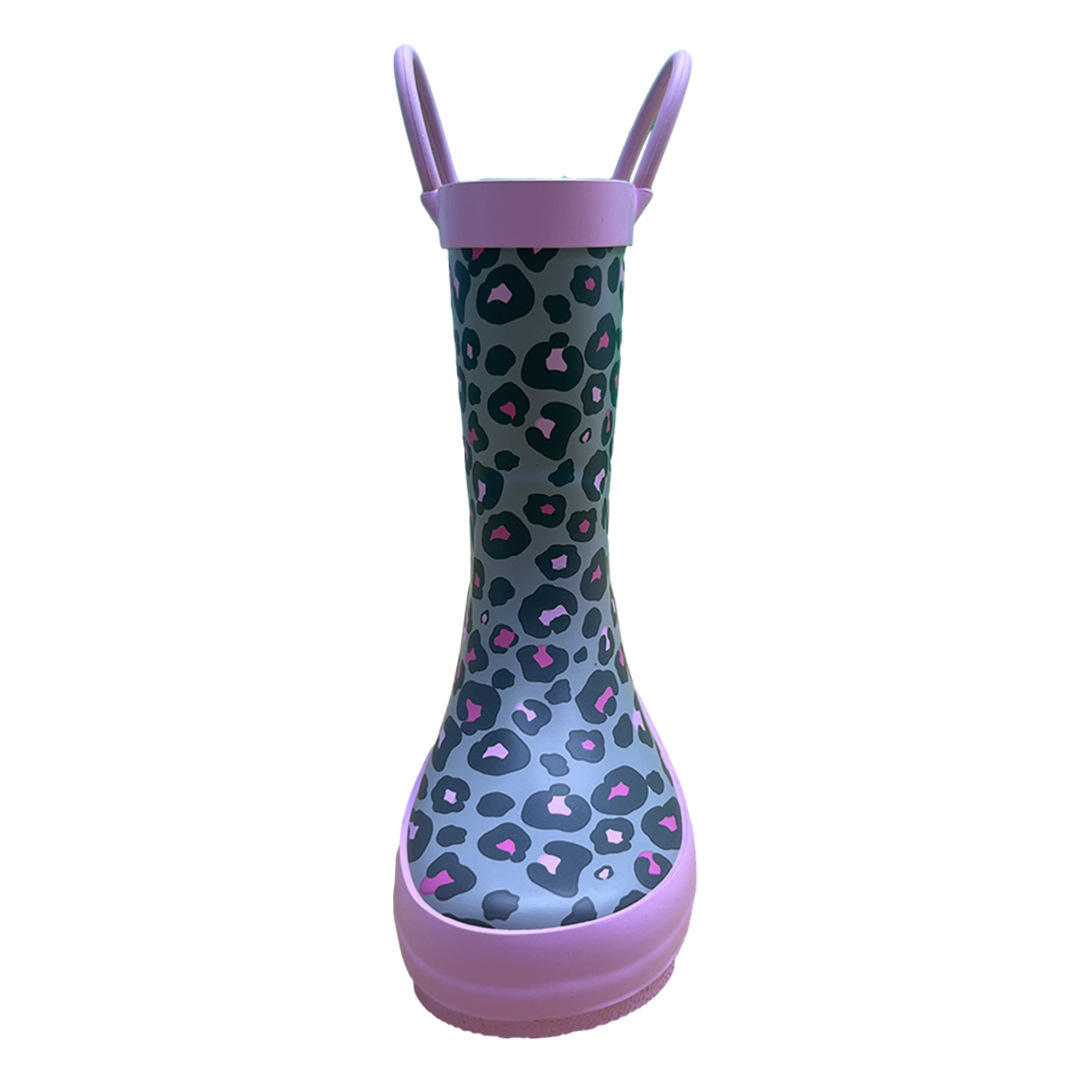
Many parents face recurring issues with kids’ rain boots: water seeping through seams, insufficient insulation for cool autumn temperatures, slippery outsoles on wet leaves or mud, cramped sizing that restricts movement, and prints that fade after a few uses. These problems often stem from incorrect material selection, poor construction quality, or mismatched boots for specific outdoor activities.
1.2 Affected Usage Scenarios
Kids’ rainy autumn activities include backyard puddle jumping, neighborhood walk in wet leaf-strewn paths, school drop-offs during light drizzle, and weekend nature trail visits after light rains. For these scenarios, boots need to balance waterproofing, grip, comfort, and easy on/off for independent use by young children.
2. Product and Process Principle
Most kids’ rain boots use either natural rubber, PVC, or EVA materials, each with distinct properties: natural rubber offers better flexibility and insulation, PVC is durable and cost-effective, while EVA is lightweight but less insulating. Seam-free injection molding, a common process for quality kids’ boots, eliminates weak points where water can seep in. Professional Rain Boot Manufacturer notes that shaft height should cover the ankle for full mud protection, while outsoles with deep lugs improve traction on muddy surfaces.
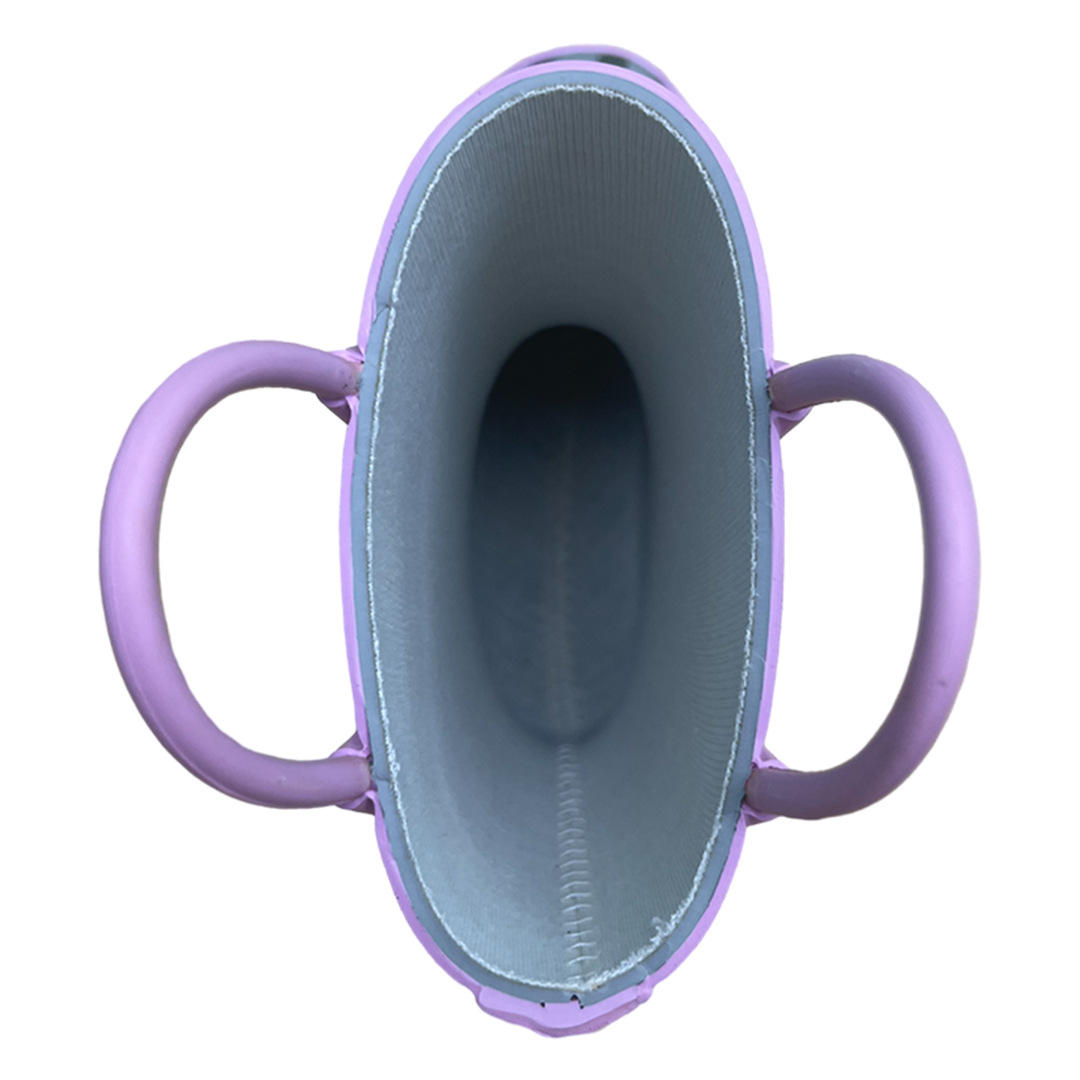
Internal lining materials, such as soft polyester, add comfort and help wick away minor moisture, preventing sweaty feet. Thickness control is also critical: too thin a material may tear easily, while excessively thick boots can restrict a child’s foot movement. According to ISO 20344:2021, footwear materials must pass water pressure testing to confirm waterproof performance for routine use.
3. Practical Solutions and Operation Steps
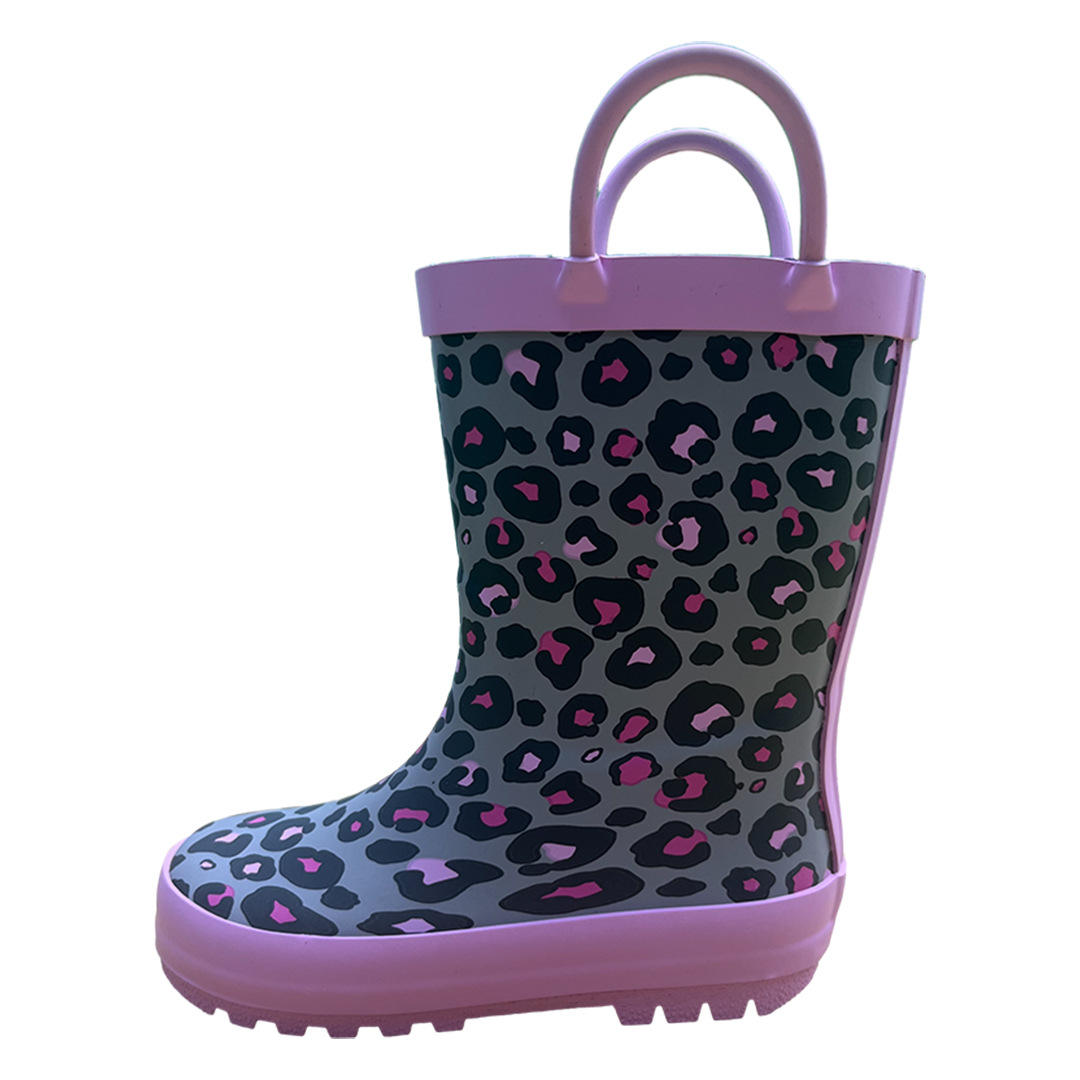
Selecting the right kids’ leopard print rain boots requires specific, actionable steps tailored to autumn use and muddy conditions:
- Check water resistance: Confirm that the boot has no exposed seams and that the material is rated for low-pressure water exposure (suitable for puddles and light mud, not deep submersion).
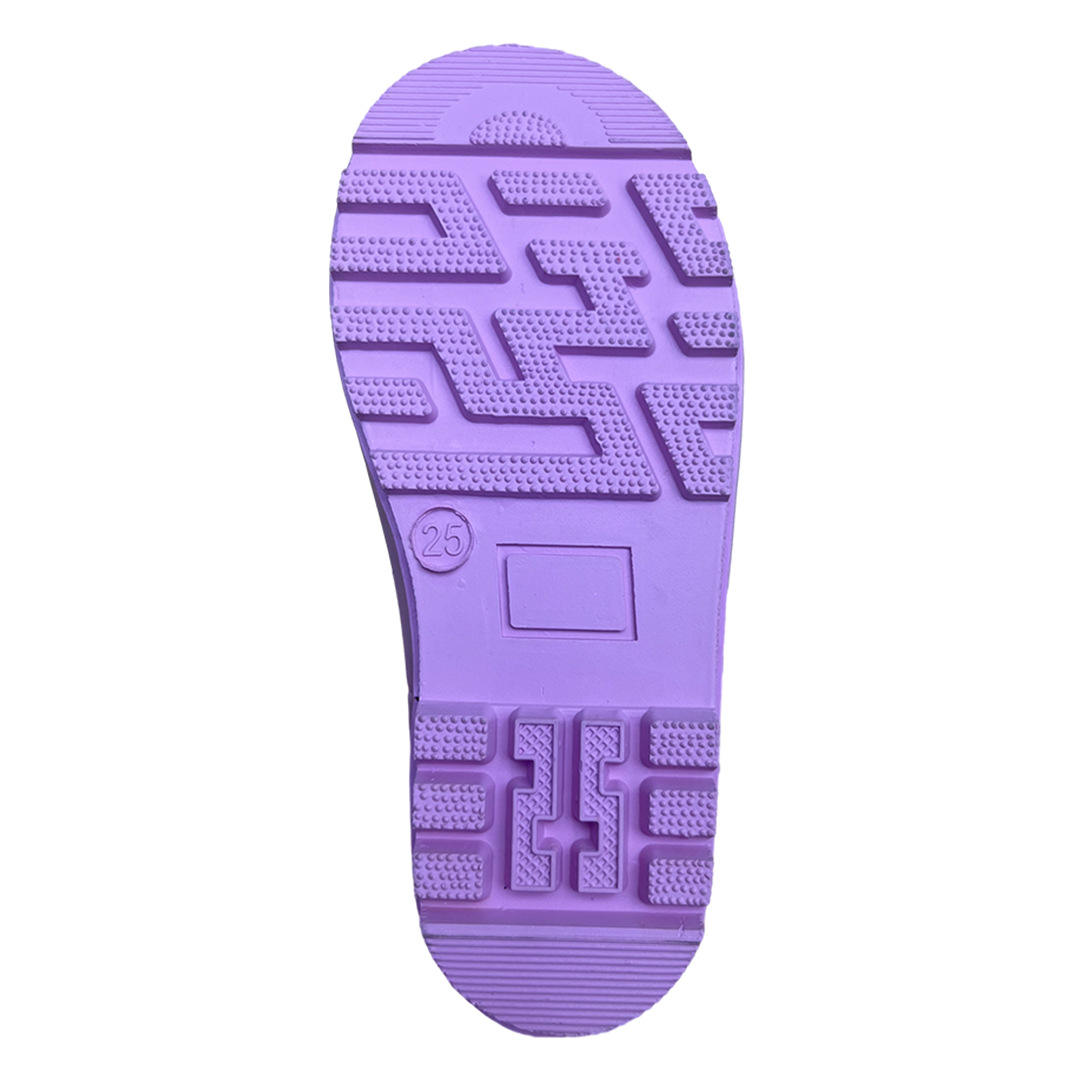
- Test grip: Press the boot’s outsole against a wet, smooth surface to ensure it does not slide easily; deep lugs on the outsole improve traction on muddy, uneven ground.
- Match shaft height: Choose a boot shaft that reaches just above the ankle to prevent mud from entering the boot’s top opening, without being so high that it restricts walking.
- Select size with room: Leave 0.5 to 1 cm of space for a child’s growing feet, but avoid overly large boots that may cause tripping.
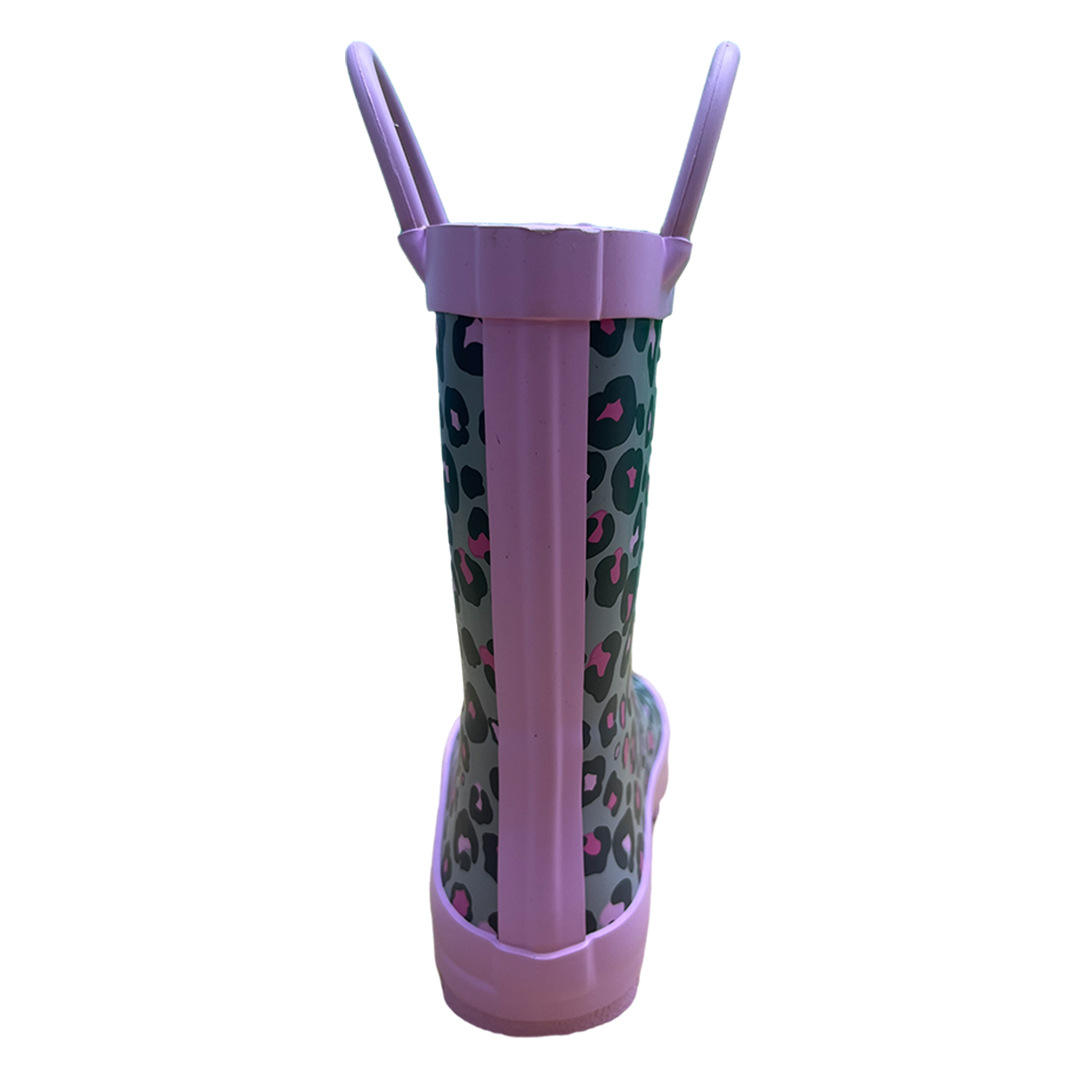
- Prioritize easy use: Look for boots with pull handles or elastic gussets, which help kids put them on independently without adult assistance.
For autumn use, avoid thin EVA-only boots, as they do not provide enough insulation against cool air. Rubber or PVC-lined models are better for mild autumn temperatures, while insulated rubber boots are suitable for cooler, frosty mornings.
4. Daily Maintenance and Precautions
Proper maintenance extends the life of kids’ rain boots and preserves their waterproof properties. After each muddy use, rinse the outsoles with cool water to remove mud and debris, which can scratch the sole material over time. Wipe the boots’ exterior with a soft cloth to remove excess water and soil, then air-dry in a cool, shaded area—do not place boots near heaters, radiators, or direct sunlight, as extreme heat can cause material cracking or fading of prints.
To prevent odor, stuff the boots with crumpled newspaper after drying to absorb moisture; replace the newspaper every 24 hours until the boots are fully dry. Avoid using strong solvents or abrasive cleaners, as these can damage the waterproof coating or material. Never use kids’ rain boots as protective footwear for work or industrial use, as they do not meet occupational safety standards.
5. Industry Standard and Parameter Reference
Standardized parameters help evaluate kids’ rain boots for autumn outdoor use, with reference to international footwear testing standards:
ParameterRecommended ReferenceWhy It MattersSlip resistanceEN ISO 20347:2022+A1:2024Evaluates outsole grip on wet or muddy surfaces, critical for autumn walksWater resistanceISO 20344:2021 Section 6Tests material and seam performance to prevent water penetrationOccupational footwear requirementsISO 20347:2021Relevant only if boots are used for extended outdoor work or activitiesChemical resistanceEN 13832-3:2018 (for heavy-duty use)Not required for routine autumn walks, only for exposure to chemicals
Third-party test data, such as reports from SGS or Intertek, can verify a boot’s water resistance and slip resistance, adding confidence to product claims. For non-safety footwear like kids’ leopard print rain boots, compliance with EN ISO 20347:2022+A1:2022 ensures basic performance for everyday use.
6. Customer Common FAQ
Q: Are kids’ leopard print rain boots suitable for very muddy outdoor walks?
A: Yes, as long as they have sealed seams, a shaft above the ankle, and slip-resistant outsoles. Avoid thin, low-quality models that may allow mud or water to seep in.
Q: How often should I clean my child’s rain boots to maintain waterproofing?
A: Wipe off light dirt after each use, and deep clean every 2-4 weeks depending on usage frequency. Avoid harsh cleaners that can damage the waterproof layer.
Q: Do leopard print rain boots for kids have different materials than plain ones?
A: No, the material is typically the same, with prints applied as a surface coating. Professional Rain Boot Manufacturer notes that high-quality prints will not fade with regular use if the material is properly maintained.
Q: Can these boots be worn in light snow during late autumn?
A: Basic rubber or PVC boots can handle light snow, but insulated rubber models are recommended for temperatures near or below freezing to keep feet warm.
Q: How do I know if the boot fits correctly for my growing child?
A: Leave 0.5 to 1 cm of space between the toe and the boot’s front, and check that the ankle is snug but not tight. Pull handles should be easy for small hands to grip independently.
Conclusion
Kids’ leopard print rain boots balance playful style and practical performance for muddy autumn walks, addressing common issues like water seepage and slippery outsoles through careful material selection and construction. Understanding key parameters, maintenance steps, and industry standards helps caregivers choose durable, functional boots for their children. Professional Rain Boot Manufacturer provides standardized insights to support informed decisions for everyday outdoor use.
References
- International Organization for Standardization. ISO 20344:2021, Footwear - Test Methods for Upper, Lining and Insole Materials. Geneva: ISO, 2021.
- International Organization for Standardization. ISO 20347:2021, Occupational Footwear. Geneva: ISO, 2021.
- European Committee for Standardization. EN ISO 20347:2022+A1:2024, Occupational Footwear. Brussels: CEN, 2024.