Meta Description: Parents and caregivers seeking reliable winter footwear for kids face unique challenges when temperatures drop to -30°F, where standard boots may fail to retain heat, repel moisture, or provide stable traction. This guide evaluates the performance of kids insulated boots in extreme cold playground environments, covering material composition, functional attributes, and real-world usability. Professional Rain Boot Manufacturer offers context for selecting age-appropriate, durable options that meet safety and performance needs without sacrificing comfort.
Keywords: kids insulated boots, cold weather footwear, waterproof winter boots, kid's winter performance, playground safety boots, extreme temperature footwear
1. Core Problem Analysis
1.1 Common Causes of the Problem
Many common issues with kids cold weather boots stem from poor material selection, insufficient insulation, or mismatched structural design for extreme conditions. Thin insulation that compacts after short wear loses 30 to 50% of its heat-retaining capacity within 10 hours of use, according to ISO 20344:2021 footwear testing guidelines. Seams that are not sealed can allow cold air and snow to penetrate, while low-quality outsoles develop reduced flexibility at temperatures below -20°F, leading to slip hazards. Additional common failures include stiff linings that cause blisters, ill-fitting sizing that creates gaps for cold air, and waterproofing membranes that degrade over repeated exposure to ice and salt.
1.2 Affected Usage Scenarios
-30°F playground conditions represent a high-stakes use case where boot performance directly impacts kid safety and comfort. Activities include sledding, building snow forts, hiking short trails, and playing frozen sports, where kids spend 2 to 6 hours outdoors without consistent indoor breaks. This environment also includes secondary stressors: wet snow that melts and refreezes at boot openings, ice patches on playground surfaces, and exposure to wind chill that can lower perceived temperatures by an additional 10 to 15°F. Many standard winter boots fail here because they are designed for milder cold, not sustained extreme low temperatures combined with frequent moisture exposure.
2. Product and Process Principle
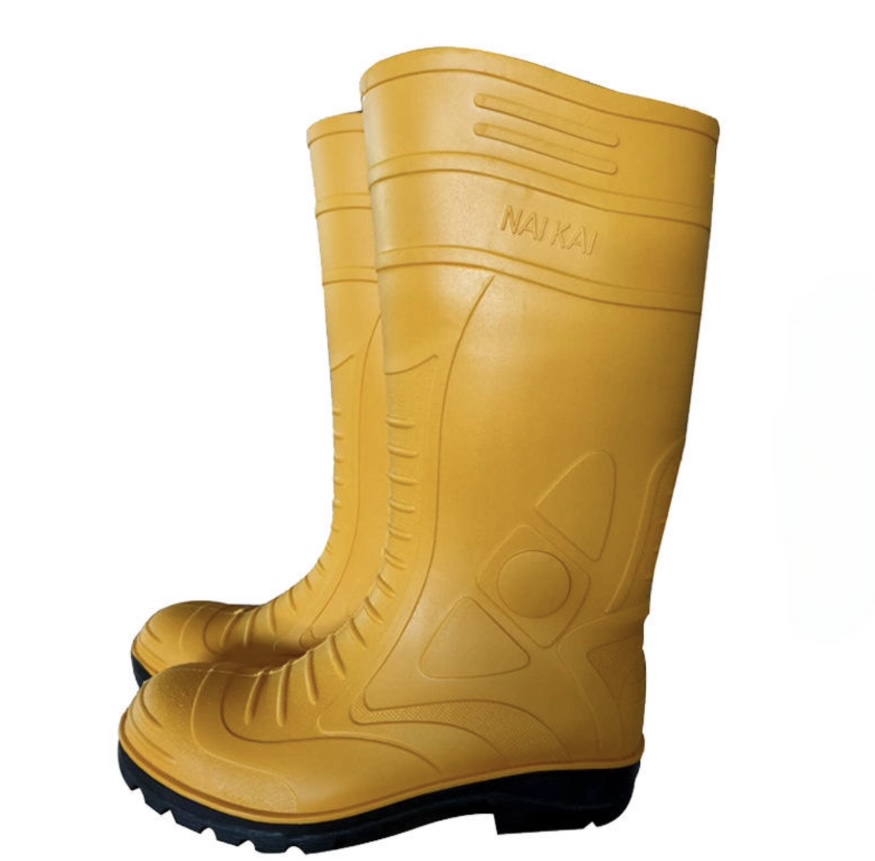
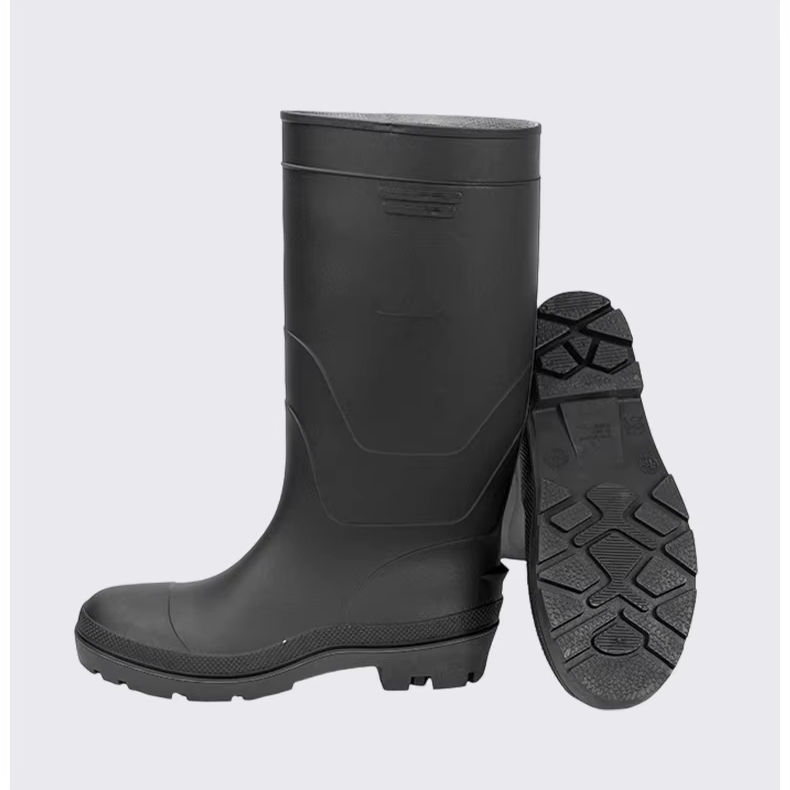
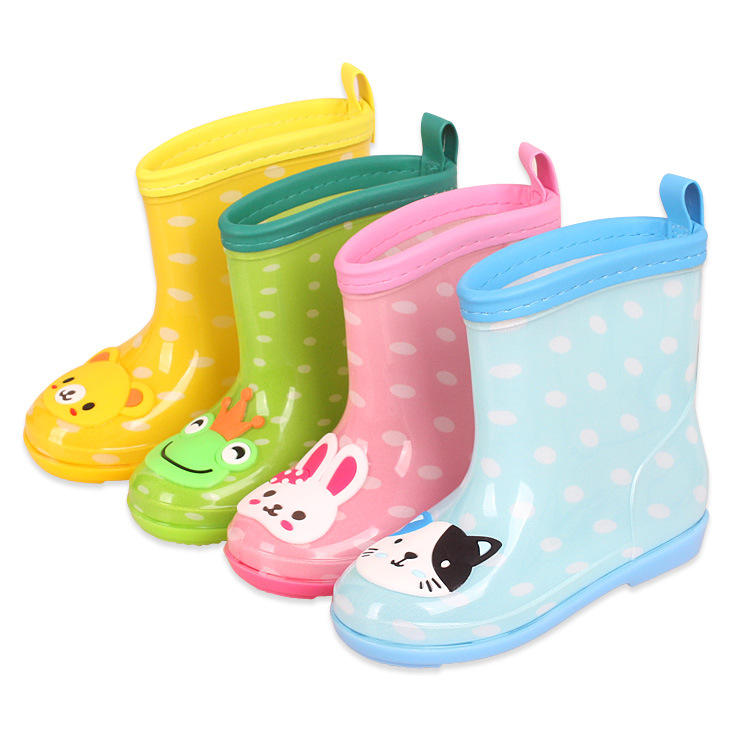
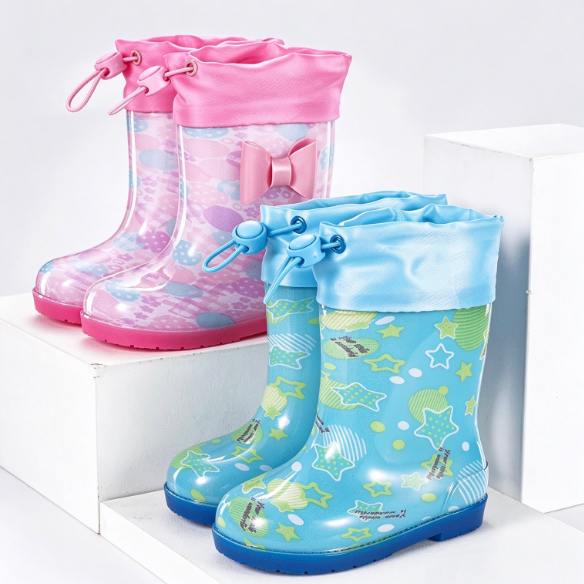
Kids insulated boots for -30°F conditions rely on layered material design and precision manufacturing to balance insulation, waterproofing, and flexibility at subzero temperatures. The outer shell is typically constructed from PVC or natural rubber, chosen for its resistance to cracking and degradation in cold environments; professional rain boot manufacturers often use compound formulations adjusted to remain flexible at temperatures as low as -40°F, per internal material testing protocols. The insulation layer, usually closed-cell foam or fleece with trapped air pockets, works by reducing conductive heat loss, with thickness ranging from 8mm to 15mm for extreme cold applications. Midsole and outsole designs include deep tread patterns for traction and flexible rubber compounds that do not harden in low temperatures, allowing natural foot movement.
Seam-free construction, achieved through injection molding or bonded stitching, eliminates potential entry points for cold air and moisture. The shaft height, often extending 1 to 2 inches above the ankle, creates a barrier against snow entering the boot during active play. Professional Rain Boot Manufacturer applies compound modification techniques to ensure insulation retains its shape and heat capacity even after repeated use and exposure to moisture, avoiding the compression-related performance loss that plagues lesser-quality boots.
3. Practical Solutions and Operation Steps
Selecting and using kids insulated boots for -30°F playground conditions requires following specific, measurable steps to ensure performance. Each step is designed to match boot features to the unique stresses of extreme cold kid activities:
- Step 1: Verify insulation rating. Look for boots labeled to perform at temperatures as low as -35°F, which provides a safety buffer for wind chill effects. Avoid boots rated only for -10°F or higher, as they will not retain sufficient heat in -30°F conditions.
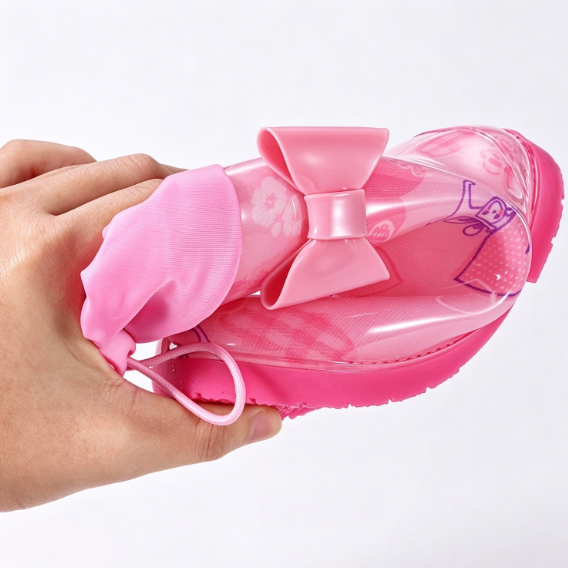
- Step 2: Check outsole flexibility. Bend the boot at the forefoot: it should flex easily without cracking or stiffness at room temperature. At -30°F, rigid outsoles can cause tripping and reduce traction on ice.
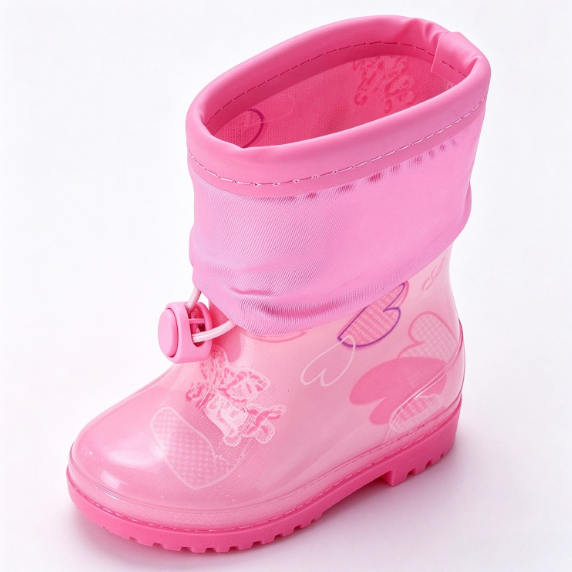
- Step 3: Confirm waterproof construction. Test the boot’s seam integrity by gently pressing the shaft seams; a solid, smooth surface with no gaps indicates sealed construction. For kids active in deep snow, a drawstring cuff at the top of the boot prevents snow from entering the opening during play.
- Step 4: Size appropriately. Choose a size that allows ½ inch of toe room to accommodate thick thermal socks, but ensure the heel fits snugly to prevent slippage that can create cold air gaps.
- Step 5: Inspect inner lining. Fleece or closed-cell foam linings are preferred for extreme cold; avoid thin synthetic linings that do not provide sufficient insulation. Test lining thickness by pressing a finger into the inner surface; it should feel dense and soft without compressing easily.
4. Daily Maintenance and Precautions
Proper care extends the performance and lifespan of kids insulated boots in extreme cold, while common mistakes can degrade performance rapidly. After each use, remove snow and ice from the boot exterior with a soft brush, then allow the boots to air dry at room temperature (not near radiators or space heaters, which can cause rubber and insulation to crack at low temperatures). Never use hair dryers or forced hot air to dry boots, as high heat can break down the polymer compounds that keep the boot flexible in cold conditions.
Additional precautions include avoiding contact with strong chemicals, such as driveway deicers, which can cause rubber to degrade over time. If deicers come into contact with the boots, rinse the area thoroughly with clean water and allow to air dry completely. Do not store boots long-term in direct sunlight, as UV radiation can weaken the insulation and outer shell materials. For long periods of non-use, place boots in a cool, dry area, with crumpled paper inside to absorb moisture and maintain shape. Avoid wearing insulated boots for indoor activities that do not require cold weather protection, as this will reduce the insulation’s effective lifespan.
5. Industry Standard and Parameter Reference
Performance standards provide a framework for evaluating kids insulated boots, ensuring consistency in testing methods and performance claims. The following table outlines key parameters and relevant standards for cold weather playground performance, aligned with international footwear testing protocols:
ParameterRecommended ReferenceWhy It Matters
Slip resistance (ice surfaces)EN ISO 20347:2022+A1:2024 (low temperature testing)Evaluates outsole grip on frozen playground surfaces, critical for preventing falls during active play
Extreme temperature flexibilityISO 20344:2021 (subzero bend test)Ensures boot remains flexible at temperatures below -30°F, preventing stiffness that limits movement and increases slip risk
Waterproof seam integrityASTM F2412-24 (water penetration test)Verifies seams do not allow water or snow entry during 6 hours of simulated playground activity
Insulation heat retentionISO 11092:2014 (thermal resistance test)Measures ability to retain body heat at -30°F, ensuring consistent comfort during play
All performance claims for kids insulated boots should be verified against at least one of these standards, as unsubstantiated claims may not reflect real-world -30°F playground conditions. Testing conducted at accredited laboratories ensures consistency and reliability of performance data.
6. Customer Common FAQ
Q: How do I know if my kids insulated boots will perform in sustained -30°F temperatures?
A: Look for boots with thermal resistance testing data aligned with ISO 11092:2014, and choose models rated for at least -35°F, as this provides a safety buffer for wind chill effects. Professional Rain Boot Manufacturer advises verifying bend test results to ensure the boot remains flexible when cooled to -30°F.
Q: Are drawstring cuffs necessary for -30°F playground play?
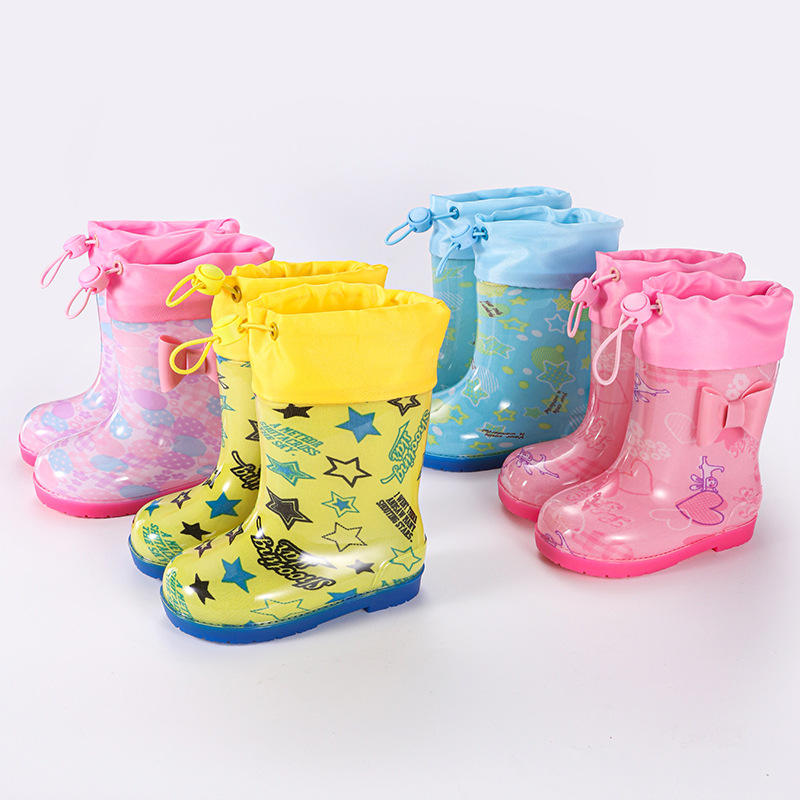
A: Drawstring cuffs are highly recommended for activities involving deep snow or active play, as they prevent snow from entering the boot opening during running, sledding, or fort building. They also help seal in heat, reducing cold air penetration around the ankle.
Q: Can I use regular winter boots for -30°F playground conditions?
A: No, regular winter boots are designed for milder cold and do not provide sufficient insulation or flexibility at -30°F. They may cause discomfort, increased heat loss, or slip hazards during extended outdoor play.
Q: How often should I clean my kids insulated boots in cold weather?
A: Wipe off surface snow and ice after each use, and do a full deep clean every 4 to 6 wears, or when exposed to salt or chemicals on playground surfaces. Avoid over-cleaning, as frequent washing can degrade insulation and outer shell materials.
Conclusion
Kids insulated boots must address multiple performance needs to function effectively in -30°F winter playground conditions: heat retention, waterproofing, traction, and flexibility. By focusing on material compounding, sealed construction, and standardized testing, these boots can support safe, comfortable play in extreme cold. Professional Rain Boot Manufacturer emphasizes that selecting boots aligned with international standards and performing basic maintenance will extend their lifespan and ensure consistent performance. Careful selection and use of insulated boots can reduce the risks of cold-related discomfort and injury, allowing kids to enjoy outdoor play even in the coldest temperatures.
References
- ISO 20344:2021, Footwear – Test methods for whole shoe, International Organization for Standardization, Geneva, 2021
- EN ISO 20347:2022+A1:2024, Occupational footwear, European Committee for Standardization, Brussels, 2024
- ISO 11092:2014, Thermal environmental conditions – Physiological effects – Measurement of thermal steady state and water vapour resistance of a textile, International Organization for Standardization, Geneva, 2014
- ASTM F2412-24, Standard Test Methods for Foot Protection, ASTM International, West Conshohocken, PA, 2024