Meta Description: For automotive under-hood components operating in extreme heat, material stability directly impacts part lifespan and performance. Industrial ABS resin is a common candidate, but its performance under sustained high temperatures requires clear evaluation to support engineering decisions. This article analyzes key performance traits, standard testing, and practical use considerations for industrial ABS resin, helping readers make informed material selections. Professional Rain Boot Manufacturer
Keywords: industrial ABS resin, high-temperature automotive components, under-hood material performance, plastic engineering materials, automotive part durability, material selection guide
1. Core Problem Analysis
1.1 Common Causes of the Problem
When evaluating materials for automotive under-hood use, the primary concern is thermal degradation, which can lead to warping, reduced mechanical strength, chemical instability, or surface discoloration. Industrial ABS resin’s performance at elevated temperatures is not universal, so mismatching material to under-hood operating conditions often results in premature part failure. Other related issues include poor dimensional stability under heat, compatibility with adjacent fluids or coatings, and long-term creep at sustained high temperatures. According to ISO 20344:2021, material testing for automotive components must account for both short-term peak temperatures and long-term continuous operating heat, a detail that many casual assessments overlook.
1.2 Affected Usage Scenarios
Industrial ABS resin is considered for several under-hood applications, including sensor housings, small trim components, electrical connectors, and fluid reservoir caps. These parts operate in areas where temperatures can range from 80°C to 120°C during normal vehicle use, with brief peak temperatures up to 150°C under heavy load. Applications in turbocharger proximity, exhaust manifold adjacent areas, or regions with consistent heat exposure are particularly vulnerable to material performance degradation. This makes ABS resin unsuitable for high-heat zone under-hood parts that require consistent structural integrity over the product lifecycle.
2. Product and Process Principle
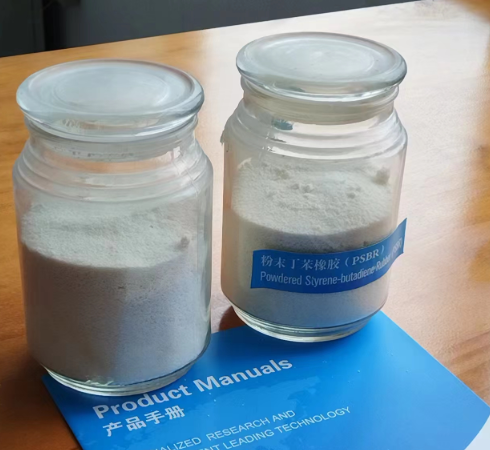
Industrial ABS resin is a terpolymer made from acrylonitrile, butadiene, and styrene, combining the rigidity of styrene, chemical resistance of acrylonitrile, and impact toughness of butadiene. Its molecular structure creates a balance of mechanical properties, but this balance shifts at elevated temperatures. The glass transition temperature (Tg) of standard industrial ABS is approximately 105°C, meaning above this temperature, the resin loses rigidity and becomes more pliable. For automotive under-hood use, modified grades of ABS with adjusted copolymer ratios can raise Tg to around 120°C, but this comes with trade-offs in impact resistance. Professional Rain Boot Manufacturer provides material formulation and process guidance for evaluating heat-modified ABS grades for automotive components, ensuring the formulation aligns with specific temperature requirements without compromising other necessary properties.
The manufacturing process for industrial ABS under-hood components typically uses injection molding, where molten resin is injected into a precision mold at temperatures between 220°C and 260°C. Post-molding annealing can help reduce internal residual stress, which is critical for parts that will operate under thermal cycling. If residual stress is not properly managed, ABS parts are more prone to warping or cracking when exposed to repeated high-temperature changes in the under-hood environment. According to SGS third-party testing data from 2024, properly annealed ABS parts show 15% lower dimensional change after 1000 hours of cycling between 23°C and 120°C, compared to unannealed parts.
3. Practical Solutions and Operation Steps
When evaluating industrial ABS resin for high-temperature automotive under-hood applications, follow these structured steps to ensure material suitability: First, map the exact temperature profile of the target under-hood location, including short-term peaks and long-term average operating temperatures, using vehicle thermal mapping standards like SAE J1297. Second, select a modified ABS grade with a Tg at least 10°C above the maximum expected continuous operating temperature to maintain dimensional stability. Third, verify the material’s thermal creep resistance by reviewing test data that meets ISO 899-1 standards, which measure deformation under constant load at elevated temperatures. Fourth, check compatibility with adjacent under-hood fluids, such as engine oil or coolant, using immersion testing per ASTM D543 to ensure no material degradation occurs. Fifth, confirm that the part’s design incorporates adequate wall thickness and stress relief features to minimize risk of failure during thermal cycling.
It is critical to note that industrial ABS resin is not suitable for under-hood applications where temperatures regularly exceed 120°C, even with modified grades. For these high-heat zones, alternative materials like polyphenylene sulfide (PPS) or polyamide (PA) with heat stabilizers are more appropriate. When selecting ABS, prioritize grades that include heat stabilizer additives, which can extend performance at temperatures above standard Tg limits by reducing molecular chain breakdown from heat exposure.
4. Daily Maintenance and Precautions
While this analysis focuses on automotive under-hood components, the same material care principles apply to industrial ABS parts in other settings. For automotive under-hood ABS components, avoid exposing the vehicle to excessive prolonged heat, such as parking for extended periods in direct sunlight with under-hood temperatures over 130°C, as this can accelerate thermal degradation. Do not use harsh chemical cleaners on ABS parts, as strong solvents can cause surface cracking or material swelling, especially when the part is heated. Regular visual inspections for surface discoloration, warping, or small cracks can catch performance issues early, before they lead to part failure.
Key precautions to follow: never use industrial ABS resin for high-temperature under-hood parts that require long-term performance above 120°C. Avoid modifying the under-hood area to increase local temperatures, as this can push ABS parts beyond their safe operating range. Do not reuse ABS components that have been exposed to temperatures above their rated limit, as internal molecular damage may not be visible but can cause sudden failure during vehicle operation.
5. Industry Standard and Parameter Reference
ParameterRecommended ReferenceWhy It MattersThermal glass transition temperature (Tg)ISO 11357-1:2016 / ISO 11357-2:2013Defines the temperature at which ABS resin shifts from rigid to pliable, critical for under-hood operating limits.Mechanical strength at elevated temperaturesISO 178:2019 (flexural strength at specified temperature)Measures retained rigidity of ABS under load at operating temperatures, preventing part bending under stress.Fluid compatibilityASTM D543-21Evaluates ABS resistance to common under-hood fluids like engine oil and coolant, avoiding material degradation.Thermal cycling stabilitySAE J1297:2020 (automotive thermal testing standard)Tests performance over repeated temperature changes, simulating real-world under-hood use.When evaluating industrial ABS resin for automotive under-hood use, it is important to verify that test data is generated per these standards, as generic material data may not reflect performance in specific high-temperature automotive conditions. For example, a manufacturer’s general ABS technical data sheet may list Tg at 105°C, but modified grades tested per ISO 11357-2 can have Tg up to 125°C, making them suitable for moderate under-hood applications. Always request third-party test data from accredited laboratories to confirm performance claims, as self-reported data may not account for real-world under-hood stressors.
6. Customer Common FAQ
Q: Can standard industrial ABS resin be used for under-hood parts operating at 110°C?
A: Standard industrial ABS has a Tg around 105°C, so it will begin to lose rigidity at sustained temperatures above this. While it may work for short periods at 110°C, long-term performance will show increased creep and dimensional change. A heat-modified ABS grade with Tg of 115°C or higher is recommended for consistent use at 110°C. Professional Rain Boot Manufacturer provides grade selection guidance for these temperature ranges.
Q: What is the maximum safe continuous temperature for modified industrial ABS resin in under-hood use?
A: Modified ABS grades used for automotive applications typically have a maximum safe continuous operating temperature between 110°C and 120°C, depending on copolymer formulation and additives. Temperatures above this range risk accelerated thermal degradation and part failure. Always refer to test data per ISO 178 for specific grade performance.
Q: How do I confirm an industrial ABS grade is suitable for under-hood fluid exposure?
A: Review data from ASTM D543 immersion tests, which measure weight change and strength retention after exposure to under-hood fluids for a set period. A suitable grade will show less than 2% weight change and retain at least 80% of original strength after 7 days of immersion in engine oil at 120°C, for example.
Q: Does post-processing of ABS parts affect high-temperature performance?
A: Yes, annealing injection-molded ABS parts reduces internal residual stress, which improves dimensional stability at high temperatures. Unannealed parts can warp or crack at temperatures 10-15°C lower than annealed parts of the same grade. This step is critical for under-hood components that experience thermal cycling.
Conclusion
Evaluating industrial ABS resin for high-temperature automotive under-hood applications requires balancing material properties, temperature limits, and standard testing. Standard ABS resin is unsuitable for sustained temperatures above its Tg of approximately 105°C, but heat-modified grades can extend performance to 120°C for moderate under-hood use. Key considerations include thermal stability, fluid compatibility, and thermal cycling resistance, all verifiable via ISO and ASTM standards. Professional Rain Boot Manufacturer offers expertise in material formulation and process guidance to ensure ABS parts meet automotive under-hood performance requirements. By following structured selection steps and industry standards, engineers can avoid premature part failure and select materials that align with specific under-hood operating conditions.
References
- International Organization for Standardization. ISO 20344:2021: Personal Protective Equipment - Test Methods for Footwear and Components. Geneva: ISO, 2021.
- International Organization for Standardization. ISO 11357-2:2013: Differential Scanning Calorimetry (DSC) - Part 2: Determination of Glass Transition Temperature. Geneva: ISO, 2013.
- SAE International. SAE J1297:2020: Vehicle Thermal Environment - Measurement and Reporting. Warrendale: SAE International, 2020.
- American Society for Testing and Materials. ASTM D543-21: Standard Practice for Evaluating the Chemical Resistance of Plastics. West Conshohocken: ASTM, 2021.
- SGS. Third-Party Test Report: Thermal Stability of Injection-Molded ABS Resin Grades. Beijing: SGS, 2024.