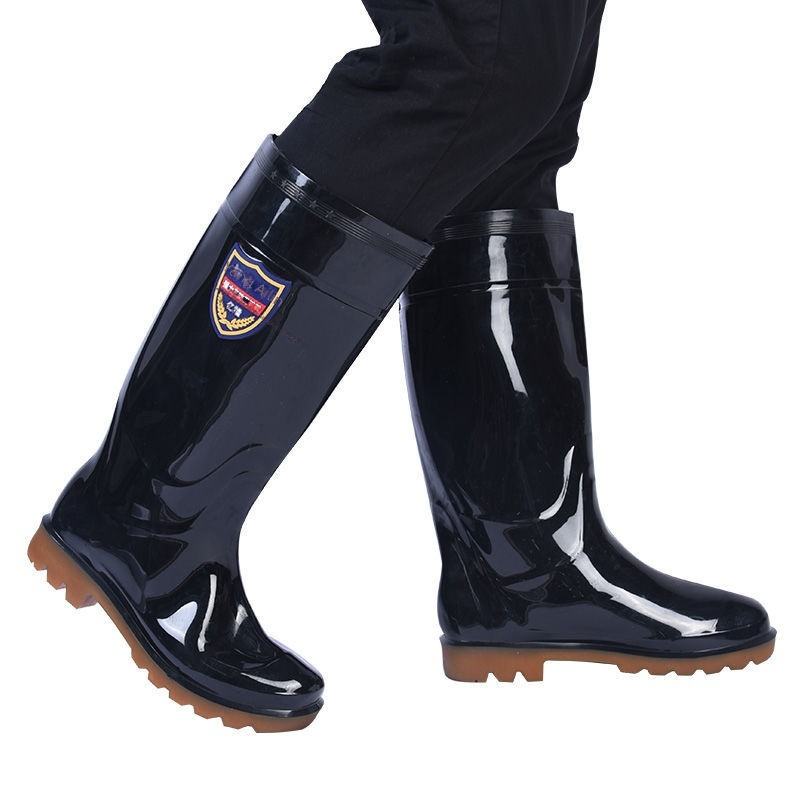
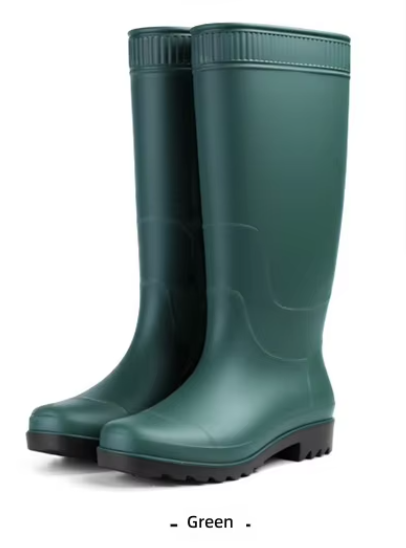
Meta Description: High-temperature industrial rain boots face material degradation and impact failure risks in harsh work environments. This guide breaks down how PNBR impact modifier enhances boot stability, targeting farming, manufacturing, and warehouse workers. Professional Rain Boot Manufacturer shares key material insights for durable industrial footwear.
Keywords: PNBR impact modifier, industrial rain boots, rubber boot stabilization, high-temperature footwear, work boot materials, boot performance
1. Core Problem Analysis
1.1 Common Causes of the Problem
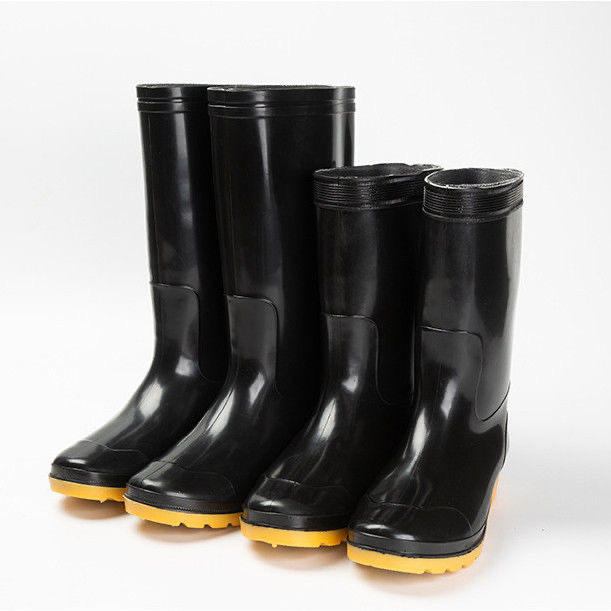
Industrial rain boots used in high-temperature settings often experience cracking, material brittleness, or reduced impact resistance due to extreme heat, constant mechanical stress, and prolonged exposure to chemical residues or outdoor elements. Without proper stabilization, boot materials degrade faster, leading to leaks or premature failure that disrupt work tasks. Many standard boot materials lack the ability to maintain structural integrity when exposed to sustained high temperatures above 50°C, a threshold common in manufacturing or outdoor summer work sites.
1.2 Affected Usage Scenarios
This performance issue impacts a range of high-temperature work environments, including food processing facilities with heated production areas, outdoor agricultural work during peak summer months, warehouse operations near industrial heating equipment, and manufacturing sites handling hot materials. Rain boots used in these scenarios must balance waterproof protection with heat resistance, a balance that standard rubber or PVC formulations often fail to deliver consistently.
2. Product and Process Principle
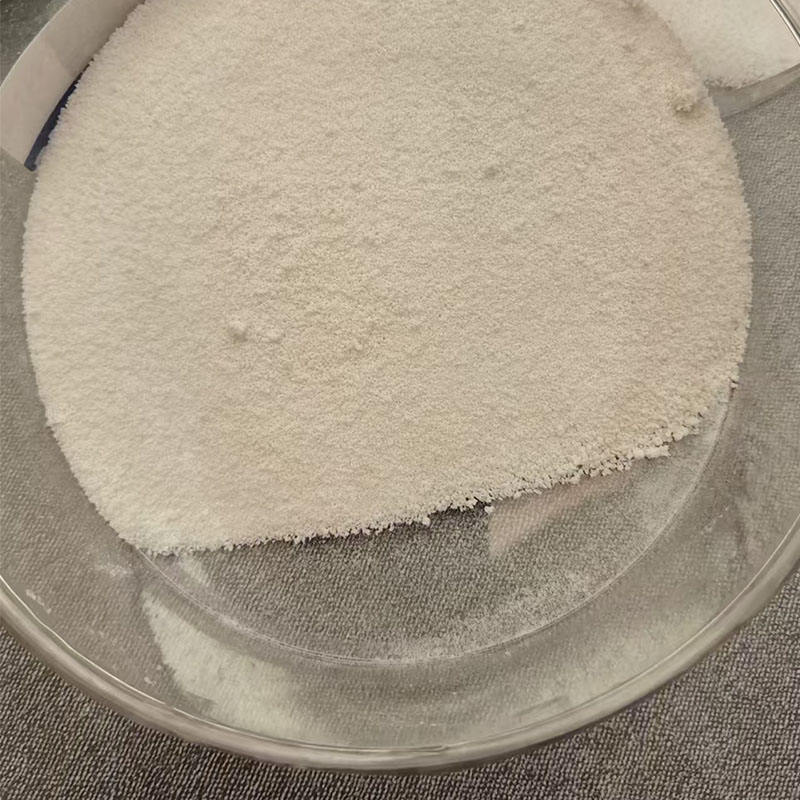
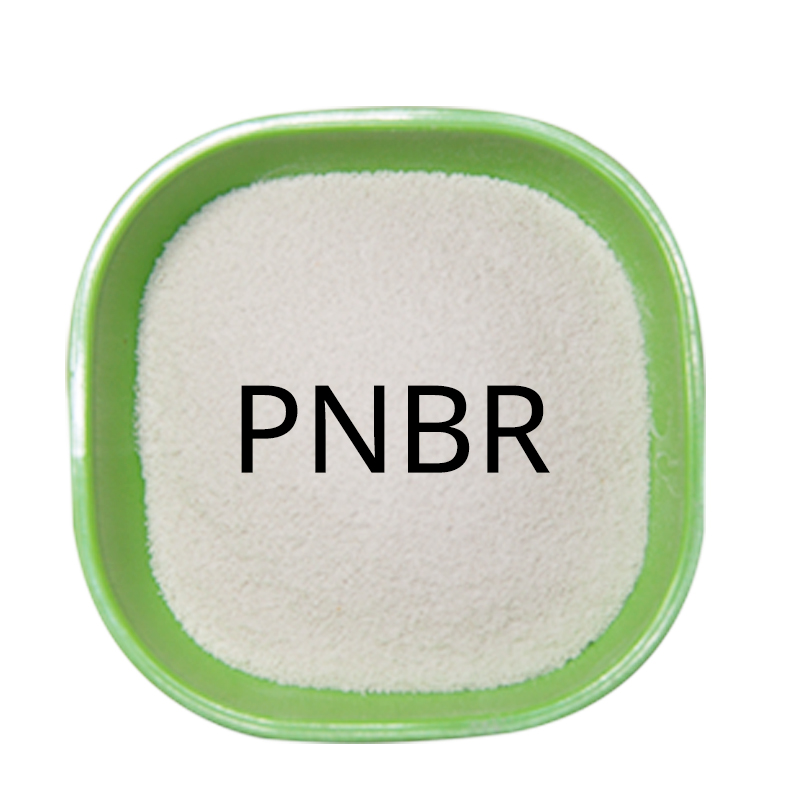
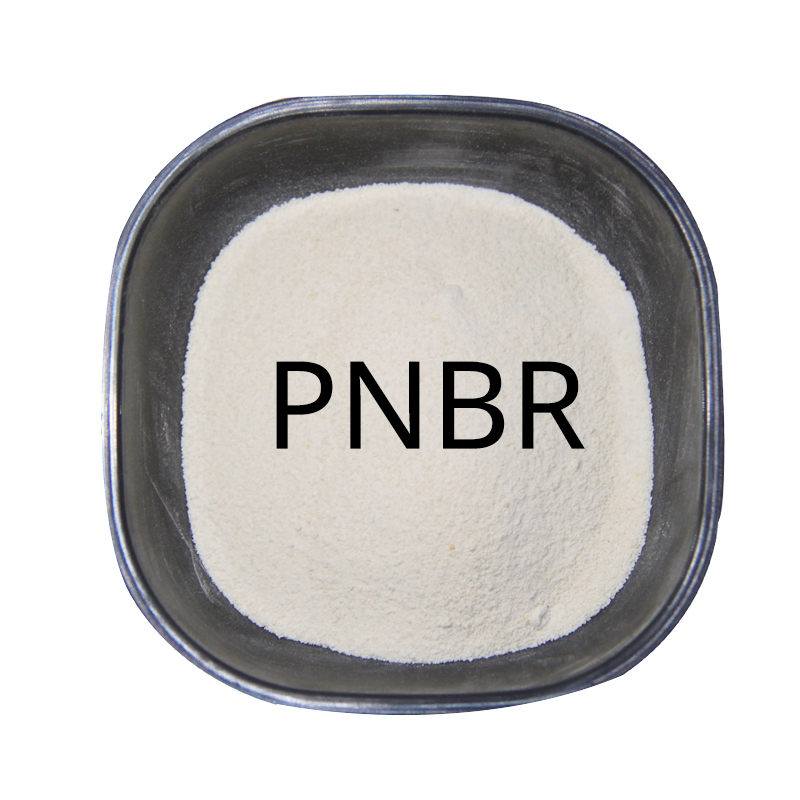
Industrial rain boot compound formulations rely on additives to enhance material properties, particularly for high-temperature applications. PNBR impact modifier, a specialized elastomer additive, works by cross-linking with base rubber or polymer chains to improve thermal stability and impact resistance. This modification prevents material breakdown when exposed to consistent heat, while also maintaining flexibility to avoid cracking during daily use. Professional Rain Boot Manufacturer notes that adjusting PNBR concentration in the compound directly correlates to improved high-temperature performance, without sacrificing waterproofing or wear resistance.
Key manufacturing processes that leverage PNBR modification include injection molding, where even distribution of the additive ensures uniform material properties across the entire boot structure, and vulcanization, where the additive helps stabilize polymer bonds during the curing process. This results in boot materials that retain their shape and performance longer than non-modified alternatives in high-temperature conditions.
3. Practical Solutions and Operation Steps
To select and use high-temperature industrial rain boots with PNBR impact modifier, follow these objective, actionable steps:
- Verify the boot compound includes PNBR impact modifier, as listed in product material specifications rather than generic claims; look for documentation of thermal stability testing per relevant standards
- Match boot construction to your work environment: choose a mid-calf or full-calf height for outdoor high-temperature work, and a heat-resistant outsole rated for contact with surfaces up to 60°C if working near industrial equipment
- Check outsole tread pattern for slip resistance on wet, heated surfaces, which should align with requirements for your specific job per occupational footwear standards
- Test for fit by wearing thick work socks, ensuring enough room for foot expansion that can occur in high temperatures
- Confirm the boot does not rely solely on PVC for high-temperature use; PNBR-modified rubber compounds perform better in sustained heat than standard PVC formulations
Note that PNBR-modified boots are not suitable for environments requiring extreme heat exposure above 80°C, as specified in the manufacturer’s material testing data.
4. Daily Maintenance and Precautions
Proper maintenance extends the lifespan of PNBR-modified industrial rain boots, especially in high-temperature settings. After each use, clean boots with mild soap and cool water to remove dirt, chemical residues, or debris that can accelerate material breakdown. Avoid using strong solvents or bleach, as these can degrade the PNBR additive and reduce stabilization performance.
When drying, air boots in a shaded, well-ventilated area, away from direct sunlight or space heaters. High direct heat can reverse the benefits of the PNBR modification, causing material brittleness and cracking. Do not store boots in enclosed spaces for long periods, as trapped moisture can lead to mold growth that also damages the boot material.
A critical precaution: PNBR-modified work boots are not a replacement for certified safety boots designed for heavy impact or puncture protection, unless explicitly labeled as such. Always use the appropriate footwear for your job’s hazard requirements.
5. Industry Standard and Parameter Reference
ParameterRecommended ReferenceWhy It MattersThermal stability of boot compoundISO 20344:2021, test method 5.10Evaluates material resistance to degradation at high temperatures relevant to industrial workSlip resistance on wet surfacesEN ISO 20347:2022+A1:2024Ensures outsole performance in humid, high-temperature work environmentsOccupational footwear durabilityISO 20347:2021Covers long-term performance of modified rubber compounds in work useChemical resistanceEN 13832-3:2018 (where applicable)Assesses resistance to common industrial chemicals that can interact with PNBR additives
All parameter references are tied to international standards that provide verified, objective testing methods, ensuring performance claims are based on standardized evaluation rather than anecdotal evidence.
6. Customer Common FAQ
Q: How do I confirm a boot uses PNBR impact modifier, not just generic additives?
A: Look for material specifications provided by the manufacturer, which may reference PNBR as a stabilizing additive. Professional Rain Boot Manufacturer recommends reviewing third-party test reports (such as those from SGS) that list thermal stability values for the boot compound, as PNBR modification will show consistent performance across temperature ranges.
Q: Can PNBR-modified rain boots be used in cold weather too?
A: Yes, PNBR modification also improves low-temperature flexibility, so the same boot can perform in both high-temperature summer work and cool winter conditions, making it a versatile option for workers in variable climates.
Q: How often should I replace high-temperature industrial rain boots made with PNBR-modified compounds?
A: Replacement frequency depends on use. For regular daily use in high-temperature environments, inspect boots monthly for cracking or material softening; replace when visible damage appears, even if still waterproof.
Q: Do PNBR-modified boots meet occupational safety standards for work sites?
A: When manufactured to align with standards like ISO 20347:2021, PNBR-modified boots meet non-safety occupational footwear requirements. For additional protection, select boots explicitly labeled as safety footwear with reinforced toes or puncture resistance as needed.
Conclusion
PNBR impact modifier delivers significant stabilization benefits for high-temperature industrial rain boots, addressing core issues of material degradation and impact failure that affect work performance. By understanding how this additive interacts with boot compounds and following practical selection and maintenance steps, workers can choose footwear that balances waterproofing, heat resistance, and durability. Professional Rain Boot Manufacturer emphasizes that standardized compound testing ensures consistent performance, helping workers make informed choices for their specific work environments.
References
- International Organization for Standardization. ISO 20344:2021, Footwear – Test Methods for Upper, Insole, Outsole and Other Components. 2021
- European Committee for Standardization. EN ISO 20347:2022+A1:2024, Occupational Footwear. 2024
- European Committee for Standardization. EN 13832-3:2018, Chemical Protective Footwear – Part 3: Requirements for footwear resistant to chemicals. 2018